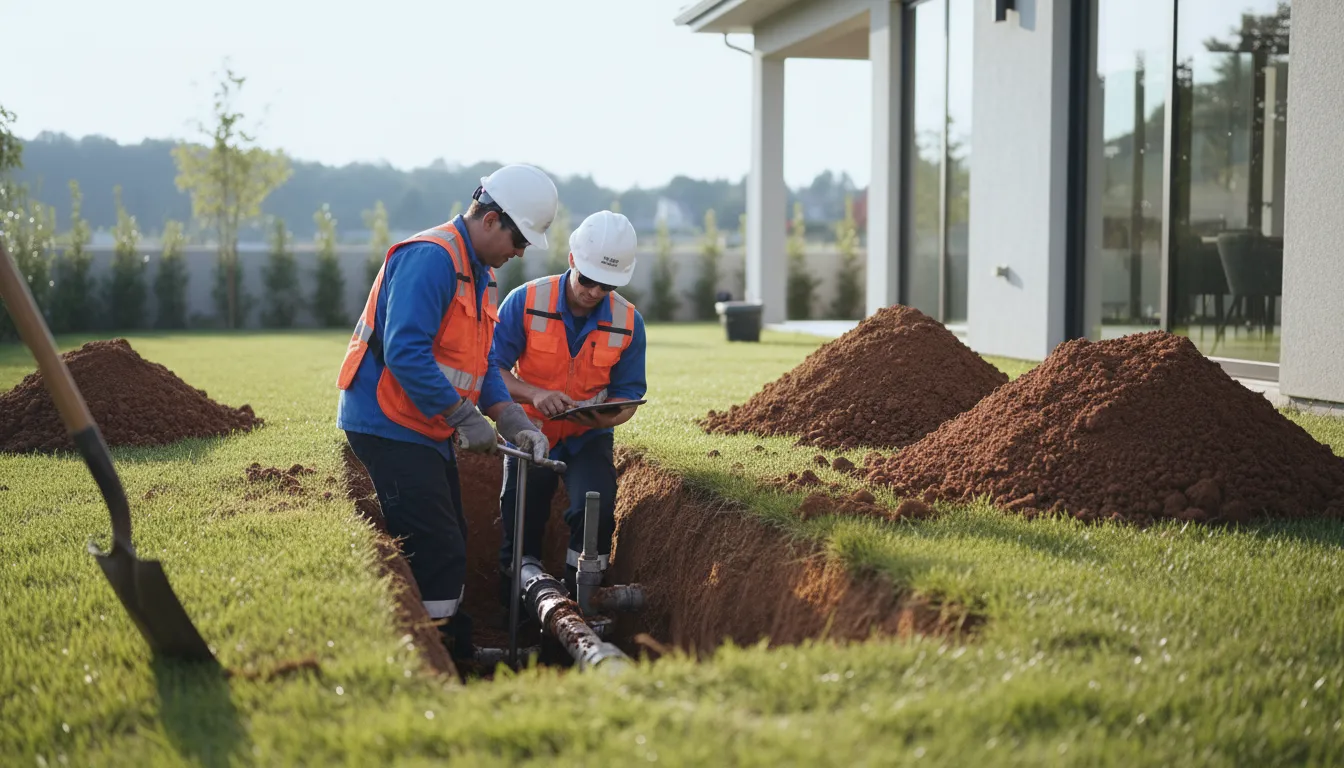
Find the Best Septic System Repair Companies for Your Business
No obligation • Fast responses • Nationwide coverage

Why you can trust Septic Spot
Septic Spot is a leading United States resource for understanding and comparing septic services. Our editors review providers using consistent criteria and verify key business details. Listings and scores are independent, and companies cannot pay to influence our content.
Search providers near you
Top Septic System Repair Companies in Phoenix, Arizona Ranked
Maintaining a functional septic system is crucial for any Phoenix home not connected to the municipal sewer. When components fail, timely and professional septic system repair is essential to protect your property value, your family's health, and the local environment. This guide explains common repair needs, the regulatory landscape in Maricopa County, and how to find qualified local specialists to restore your system's operation.
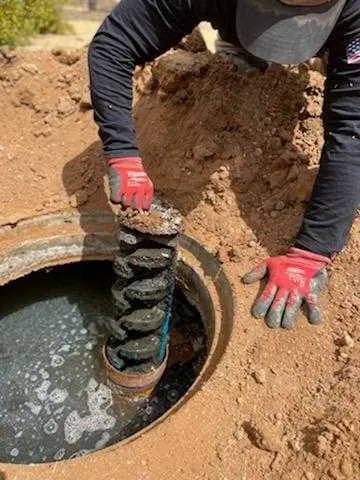
Macho Contracting
6424 E Greenway Pkwy #100, Scottsdale, AZ 85254
Macho Contracting is a family-owned plumbing and septic company serving Phoenix, AZ, and the surrounding Valley since 2016. They specialize in septic tank pumping, inspections, system repairs, and pump replacement services, with over 25 years of combined experience in onsite wastewater management. Their expertise includes handling underground systems, sewer line repairs, and complex septic system designs tailored to Arizona soil conditions. The company is fully licensed, NAWT-certified, and OSHA-trained, emphasizing safety and compliance in all projects.
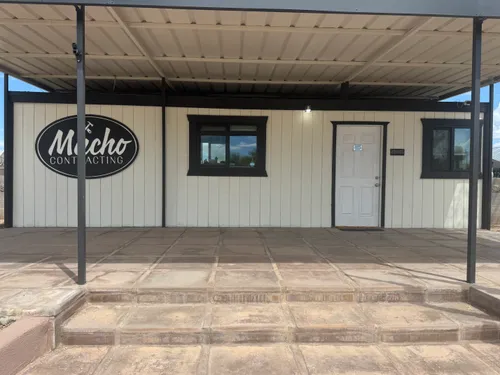
Macho Contracting
1974 E Deer Valley Dr, Phoenix, AZ 85024
Macho Contracting is a family-owned plumbing and septic company based in Phoenix, AZ, serving the Valley and surrounding areas. They specialize in septic tank pumping, inspections, system repairs, and pump replacements, with over 25 years of experience in onsite wastewater management. Their services include handling underground systems, sewer line repairs, and complex septic system designs tailored to Arizona soil conditions. Since 2016, Macho Contracting has provided licensed and certified plumbing and septic solutions, including pump and lift station services, with a focus on innovative and quality workmanship.
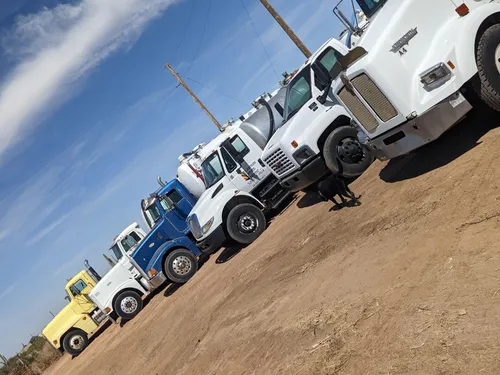
Canyon State Septic LLC
Phoenix, AZ
Canyon State Septic LLC is a septic service provider located in Phoenix, AZ. The company offers a range of services including septic tank pumping, inspections for certified transfer of ownership, installations, excavation, and septic pump repair or replacement. They hold certifications such as NAWT# 14870ITC and ADEQ# 2673, indicating compliance with industry standards.
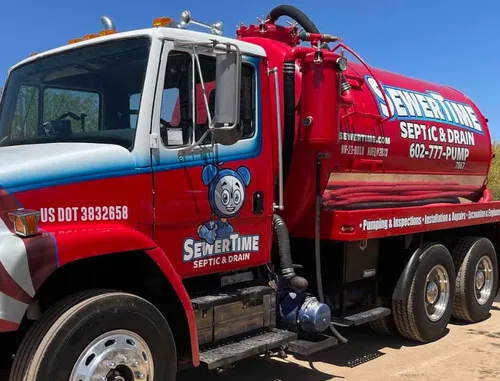
Sewer Time Septic & Drain
33645 N Cave Creek Rd, Cave Creek, AZ 85331
Sewer Time Septic & Drain is a licensed septic and plumbing contractor serving the Phoenix, AZ area. They provide a range of services including septic tank pumping, inspections, system repairs, and full installations for residential and commercial properties. Their certified technicians handle soil and percolation testing, system design, permitting, grease trap cleaning, and lift station maintenance. Sewer Time offers same-day service and 24/7 plumbing support for emergencies and new construction projects.
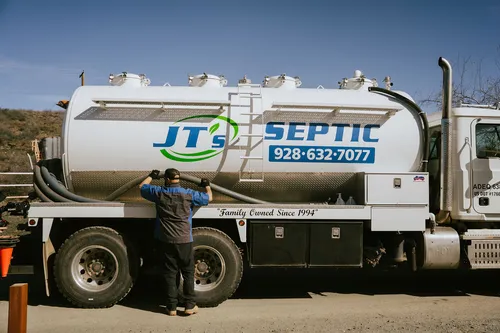
JT's Septic
3026 S Third St, Humboldt, AZ 86329
JT's Septic is a septic tank pumping, inspection, repair, and installation company serving Phoenix, AZ. With over 30 years of experience and a family legacy dating back to 1994, they provide septic services focused on long-term system care and maintenance. Their capabilities include emergency septic services, routine pumping, system repairs, and thoughtful design and installation of septic systems. JT's Septic emphasizes clear communication and education to help homeowners make informed decisions about their septic care.
Understanding Your Septic System in the Desert
A residential wastewater treatment system in Phoenix typically consists of a septic tank and a drainfield (or leach field). The tank separates solids from liquids, while the drainfield disperses and filters the treated effluent into the soil. The arid climate and specific soil conditions in the Valley present unique challenges, making proper maintenance and knowledgeable repairs critical. A failing onsite wastewater system can lead to sewage backups, foul odors, and contamination of groundwater.
Common Signs You Need Septic Repairs
Recognizing early warning signs can prevent a minor issue from becoming a major system failure requiring a full replacement. Key indicators include:
- Persistent Slow Drains: Sinks, showers, and toilets that drain slowly, especially if plunging or drain cleaners don't help, can signal a blockage or a full tank.
- Sewage Odors: Unpleasant smells inside your home or around the yard are a clear sign of a problem.
- Backed-Up Toilets: Sewage backing up into household drains is a serious indicator of a blockage or drainfield failure.
- Spongy or Wet Spots: Lush, soggy patches or standing water in your yard, particularly near the drainfield area, often mean the soil is saturated with untreated effluent.
- Unusually Green Grass: While the desert is dry, an overly green and fast-growing patch over the drainfield can indicate a leak.
High household water usage from leaks, like a running toilet, can also overwhelm a system, so checking for and fixing water waste is a good first step when problems arise 1.
Types of Septic System Repairs
The scope and cost of fixing your septic system depend on which component has failed. Here are the most common repairs performed by licensed contractors in Phoenix.
Tank-Related Repairs
The septic tank itself can develop issues over time.
- Baffle or Tee Replacement: The inlet and outlet baffles (or tees) prevent scum and sludge from exiting the tank. If broken, solids can clog the drainfield. Repairing or replacing these is a common fix.
- Tank Structural Repair: Cracks or leaks in the concrete, fiberglass, or plastic tank can allow untreated wastewater to escape or groundwater to seep in. Minor cracks may be patched, but significant damage often requires a full tank replacement.
- Pump System Repair: For systems with a pump to move effluent to the drainfield, repairing or replacing a failed grinder pump or float switch is necessary 2.
Drainfield Restoration and Replacement
This is often the most complex and costly type of repair.
- Drainfield Rejuvenation: Techniques like jetting or adding beneficial bacteria can sometimes clear minor clogs in the lateral lines.
- Drainfield Replacement: If the soil is permanently clogged (a condition called biomat formation) or the pipes have collapsed, installing a new leach field is required. This involves obtaining new permits and designing a new absorption area on your property.
Full System Replacement
If both the tank and the drainfield have failed, it is considered a total system failure by regulators. In this case, you cannot simply repair individual parts; you must apply for a new system permit and install a completely new septic system designed to current standards.
Find the perfect septic system repair companies for your needs
Get personalized recommendations and expert advice
The Inspection Process: Diagnosis Before Repair
Before any repair can be properly scoped, a thorough inspection by a licensed professional is mandatory. In Maricopa County, an inspection report is valid for six months and is required for any property transfer 3. A comprehensive inspection typically includes:
- Locating the System: Using county records or electronic probing to find the tank and drainfield lids.
- Tank Inspection: Pumping the tank to inspect for cracks, leaks, and proper water levels 4.
- Component Check: Examining baffles, tees, and effluent filters for damage or wear.
- Distribution Inspection: Checking the distribution box (if present) and piping for damage or blockages.
- Camera Inspection: Snaking a camera through the drainfield lateral lines to detect obstructions, root intrusion, or pipe breaks 5.
- Final Report: The inspector will classify the system as "functional," "functional with concerns," or "not functional," providing a detailed report that outlines any necessary repairs 6.
Navigating Phoenix and Maricopa County Regulations
Septic system work in Phoenix is strictly regulated to protect public health. Understanding who oversees your project is the first step.
- Maricopa County Environmental Services Department: This agency manages permits and regulations for conventional septic systems within the county, including most of Phoenix.
- Arizona Department of Environmental Quality (ADEQ): ADEQ oversees more complex or alternative systems, such as aerobic treatment units (ATUs).
Key Regulatory Points for Repairs:
- Alteration Permit: If only one major component (either the tank or the drainfield) fails, you must obtain an Alteration Permit from the county to repair or replace that component 7.
- New System Permit: A total system failure, where both the tank and drainfield have failed, requires a new permit and a completely new system design approved by the county or ADEQ 8.
- Professional Licensing: Always hire a contractor licensed by the Arizona Registrar of Contractors for septic work. They will know how to pull the necessary permits.
Cost Considerations for Septic Repairs in Phoenix
Repair costs vary widely based on the problem's severity and the repair's complexity. It's important to get multiple estimates from licensed professionals.
- Inspection & Pumping: A combined inspection and pumping service typically ranges from $400 to over $650.
- Minor Repairs: Fixing or replacing components like baffles, tees, or a pump float switch can cost between $300 and $600+ 9.
- Major Repairs: Significant work like drainfield restoration or partial replacement often falls in the range of $3,000 to $10,000 10 11. A full system replacement will exceed this, sometimes significantly, depending on soil conditions and system type.
Maintaining Your System to Avoid Costly Repairs
Preventative maintenance is the most cost-effective strategy. Have your tank pumped every 3-5 years by a licensed pumper to prevent solids from escaping into the drainfield 12. Conserve water, avoid pouring grease or chemicals down the drain, and do not drive or build over the drainfield. An annual check-up can help catch small issues before they become expensive emergencies.
Frequently asked questions
Sources
Footnotes
-
Year-End Septic System Care: Essential Maintenance Tips For The New Year - Townes Septic Service - https://www.townesseptic.com/blog/year-end-septic-maintenance-preparing-for-a-trouble-free-new-year ↩
-
A Homeowner's Guide to Septic Systems - https://cdh.idaho.gov/wp-content/uploads/2023/10/Homeowners-Guide-to-Septic-Systems.pdf ↩
-
ADEQ Septic Inspections:15 FAQ'S - HomeField East Valley - https://www.homefieldonsite.com/east-valley/adeq-septic-inspections15-faqs/ ↩
-
Septic Systems | Cochise County, AZ - https://www.cochise.az.gov/898 ↩
-
Inspecting Your Household Septic System - UA Cooperative Extension - https://www.extension.arizona.edu/sites/default/files/2024-09/az1159-2018_Inspecting%20Your%20Household%20Septic%20System.pdf ↩
-
What You Should Know When You're Having Your Septic System ... - https://extension.arizona.edu/publication/what-you-should-know-when-youre-having-your-septic-system-inspected-transfer-ownership ↩
-
Septic System Repairs: Guidelines and Limitations - Graham.az.gov - https://www.graham.az.gov/DocumentCenter/View/763/Septic-System-Repairs---Guidelines-and-Limitations-PDF ↩
-
Arizona Septic Tank Requirements - https://www.ntotank.com/blog/arizona-septic-tank-requirements ↩
-
How Much Does a Septic Inspection Cost in Arizona? - https://www.advantageairmechanical.com/blog/septic-inspection-cost-arizona ↩
-
Septic System 101 - Homeowners Manual - Mohave County - https://www.mohave.gov/departments/development-services/environmental-qualitywaste-disposal/documents/septic-system-101-homeowners-manual/ ↩
-
Inspecting Your Household Septic System | UA Cooperative Extension - https://extension.arizona.edu/publication/inspecting-your-household-septic-system ↩
-
Frequently Asked Questions - CivicPlus.CMS.FAQ - Maricopa County - https://www.maricopa.gov/2564/Onsite-Wastewater-Septic-Systems-FAQs ↩