Find the Best Septic System Repair Companies for Your Business
No obligation • Fast responses • Nationwide coverage

Why you can trust Septic Spot
Septic Spot is a leading United States resource for understanding and comparing septic services. Our editors review providers using consistent criteria and verify key business details. Listings and scores are independent, and companies cannot pay to influence our content.
Search providers near you
Best Septic System Repair Companies in Hawaii Ranked
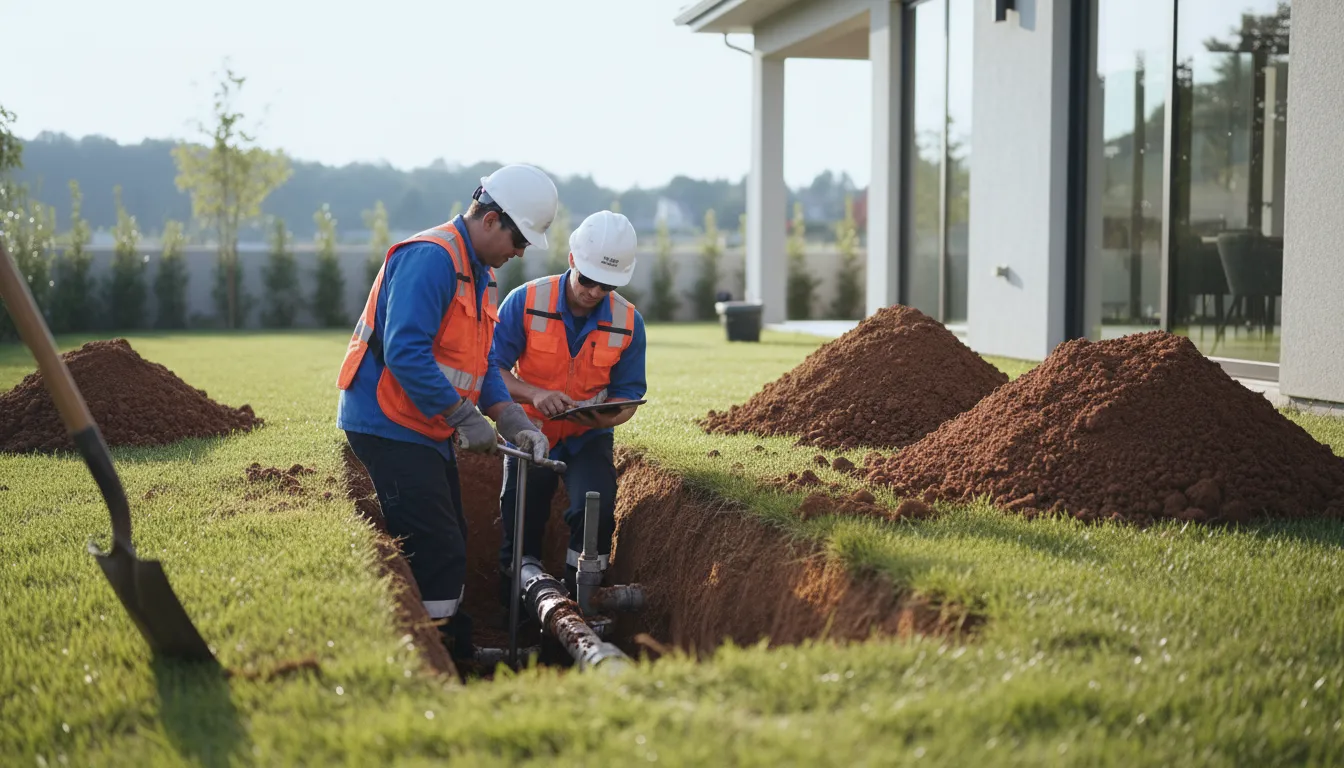
Maintaining a functional septic system is crucial for protecting your property, your family's health, and Hawaii's unique environment. When a system fails, it requires prompt, professional repair or replacement to prevent contamination and comply with strict state regulations. This guide provides essential information on navigating septic system repairs in Hawaii, from understanding the mandatory cesspool conversion law to finding qualified local professionals for your project.
Understanding Hawaii's Septic System Regulations
All repairs and replacements of Individual Wastewater Systems (IWS), which include septic systems, require formal approval from the Hawaii Department of Health (DOH) Wastewater Branch. This regulatory oversight ensures that any work performed meets state standards for environmental protection and public health. A critical driver for many repair projects is Hawaii's landmark law mandating the conversion of all cesspools to septic systems or connections to sewer lines by January 1, 2050 1. This law is designed to address the significant groundwater pollution caused by tens of thousands of cesspools across the islands.
In some cases, conversion from a cesspool is required immediately. You must upgrade your wastewater system without delay if your existing cesspool is failing, has required pumping twice within a 12-month period, or if you are undertaking a renovation that increases the size of your home 2 3. Navigating these regulations is the first step in any repair process, and working with licensed professionals is not just recommended-it's legally required.
The Professional Team: Who You Need for a Repair
A successful septic system repair or replacement in Hawaii involves a team of licensed experts. Understanding their roles is key to a compliant and effective project.
- Licensed Civil Engineer (PE): A professional engineer is required by the DOH to design any new or replacement septic system. The engineer conducts the critical site evaluation, performs or oversees percolation tests, and creates the construction plans that must be submitted to the DOH for approval. They also submit the final inspection report to obtain the DOH's final approval to use the system.
- Licensed Contractor: Installation and construction work must be performed by a contractor holding a valid state license in specific classifications: A (General Engineering), C-9 (Plumbing), C-37 (Irrigation), C-37a (Landscape Irrigation), or C-43 (Sewer and Drain). Never hire an unlicensed individual for this work, as it will not pass inspection and could lead to legal and financial liabilities.
- Hawaii Department of Health (DOH): The DOH Wastewater Branch is the permitting and regulatory authority 4. They review and approve the engineer's plans, and their final approval is required before you can begin using your new or repaired system.
Site-Specific Challenges in Hawaii
The feasibility and cost of a septic system repair in Hawaii are heavily influenced by your specific property conditions. Two of the most critical factors are soil type and groundwater levels.
Soil Percolation: The soil must adequately absorb and treat the liquid effluent from the septic tank. A percolation test, conducted by your engineer, measures this 5. Well-drained, medium-textured soil like loam is ideal. Coarse sand or gravel can allow waste to flow too quickly without proper treatment, increasing contamination risk. Conversely, low-permeability soils like fine clay may not absorb liquid at all, often necessitating a more complex and expensive system design.
Groundwater Depth: State regulations require a minimum vertical separation between the bottom of the drainfield and the highest seasonal level of groundwater 6. In areas with high groundwater tables, which are common in many parts of Hawaii due to rainfall and topography, achieving this separation can require extensive (and costly) excavation or the use of advanced, above-ground treatment systems. Properties in flood zones or with limited space face additional design hurdles.
Find the perfect septic system repair companies for your needs
Get personalized recommendations and expert advice
The Step-by-Step Repair & Replacement Process
Following the correct procedural sequence is essential for a smooth project.
- Initial Assessment & Hiring: Contact a licensed civil engineer specializing in wastewater. They will visit your property to assess the failure, discuss your options, and explain the regulatory requirements, including whether a simple repair or a full conversion from a cesspool is needed.
- Site Evaluation & Testing: The engineer will perform a detailed site survey and a percolation test to determine the soil's absorption capacity and identify groundwater levels 7. This data is the foundation for the system design.
- System Design & Permit Submission: Based on the site evaluation, the engineer designs a system that complies with all DOH rules. The complete construction plans are then submitted by the engineer to the DOH Wastewater Branch for review and approval.
- Construction & Installation: Once the permit is issued, you or your engineer will hire a licensed contractor to perform the excavation and installation work according to the approved plans.
- Final Inspection & Approval: After installation, the engineer inspects the work and submits a final report to the DOH. Only upon receiving final approval from the DOH can the new or repaired system be put into use 8.
Understanding Repair and Replacement Costs
Costs for addressing a failed septic system in Hawaii vary widely based on the scope of work, site conditions, and the type of system required. The following ranges are estimates; obtaining quotes from licensed local professionals is essential.
- Minor Repairs: Fixing issues like a clogged pipe, repairing a damaged tank baffle, or cleaning a saturated drainfield might cost between $500 and $2,000.
- Major Repairs: Replacing a damaged septic tank, repairing a collapsed drainfield section, or installing a new pump chamber typically ranges from $3,000 to $7,000.
- Full System Replacement/Cesspool Conversion: This is the most significant expense. Completely replacing a failed septic system or converting a cesspool to a new septic system, including engineering, permitting, excavation, and installation, generally costs $8,000 to $20,000 or more9 10. Complex sites with poor soil, high groundwater, or space constraints that require advanced treatment systems can drive costs toward the higher end of this range and beyond.
Maintaining Your Repaired System
After investing in a repair or new installation, proper maintenance is key to longevity and avoiding future failures. Have your septic tank pumped regularly by a licensed pumper (typically every 3-5 years, but follow your engineer's recommendation). Conserve water to avoid overloading the drainfield, and never flush or pour chemicals, grease, or non-biodegradable items down the drain. Protect the drainfield area by not driving or parking vehicles over it and planting only grass or shallow-rooted plants nearby.
Frequently asked questions
Sources
Footnotes
-
Cesspools in Hawaii | US EPA - https://www.epa.gov/uic/cesspools-hawaii ↩
-
pdf - Hawaii State Department of Health - https://health.hawaii.gov/wastewater/files/2024/01/Pilot_Inspection_Report_Redacted-002.pdf ↩
-
WASTEWATER FAQS | Kauai District Health Office - https://health.hawaii.gov/kauai/wastewater-faqs/ ↩
-
General Info and FAQ | Wastewater Branch - https://health.hawaii.gov/wastewater/home/general-info-and-faq/ ↩
-
Household Wastewater Treatment Systems - CTAHR.hawaii.edu - https://www.ctahr.hawaii.edu/oc/freepubs/pdf/HH-11.pdf ↩
-
Foresignt Engieering | Septic System FAQ | Hawaii - https://www.foresight-hi.com/what-you-need-to-know ↩
-
Cesspools in Hawaii | Region 9: Water | EPA - https://archive.epa.gov/region9/water/archive/web/html/uic-hicesspools.html ↩
-
Individual Wastewater Systems - Hawaii Department of Health - https://health.hawaii.gov/wastewater/home/iws/ ↩
-
Septic System Design Costs in Kauai: What to Expect - https://kauaiwastewatersolutions.com/blog/cost-of-septic-system-design-kauai/ ↩
-
How Much Does Failed Septic System Cost? - https://www.septicconnection.com/how-much-does-failed-septic-system-cost ↩