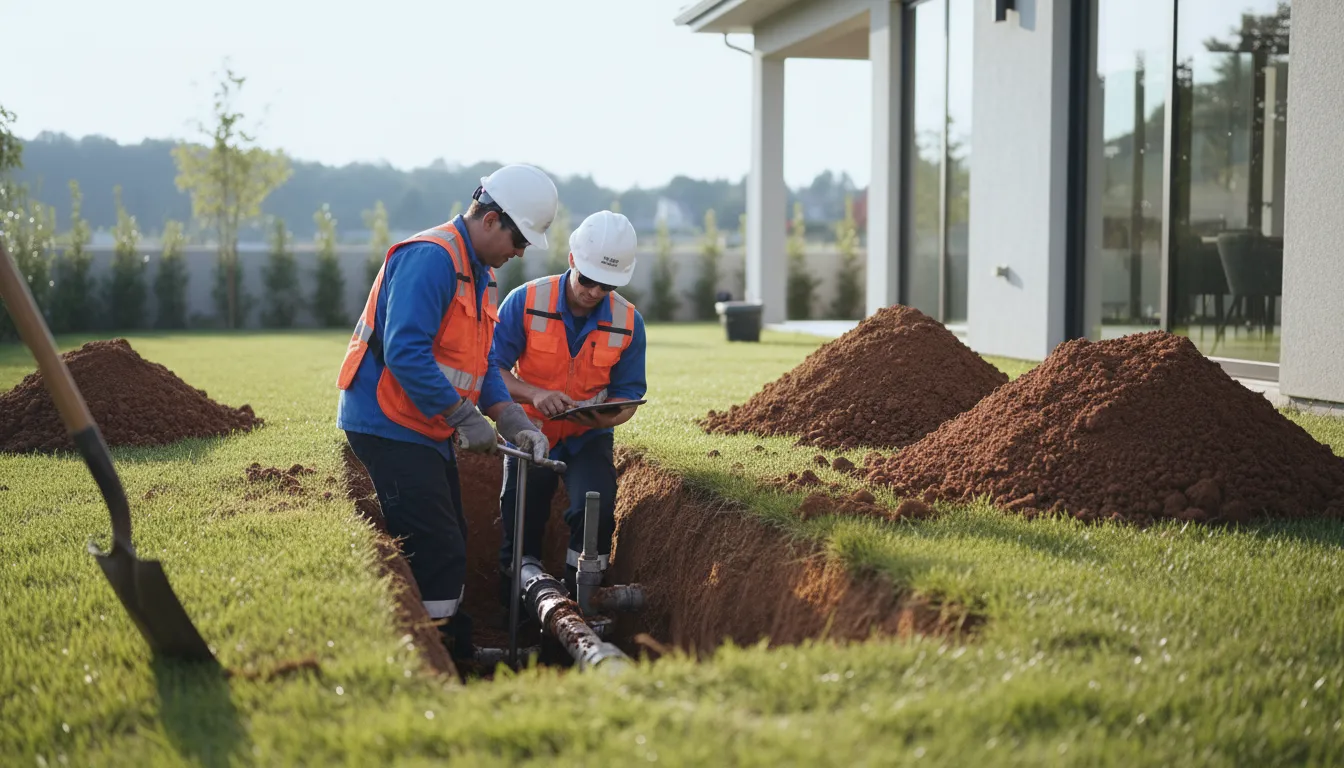
Find the Best Septic System Repair Companies for Your Business
No obligation • Fast responses • Nationwide coverage

Why you can trust Septic Spot
Septic Spot is a leading United States resource for understanding and comparing septic services. Our editors review providers using consistent criteria and verify key business details. Listings and scores are independent, and companies cannot pay to influence our content.
Search providers near you
Top Septic System Repair Companies in Cedar Rapids, Iowa Ranked
When your home's private wastewater system shows signs of trouble, timely and professional septic system repair is essential to protect your property, your health, and the local environment. In Cedar Rapids, all septic work is regulated by Linn County Public Health and the Iowa Department of Natural Resources (DNR), requiring certified professionals for inspections and repairs. This guide explains the common issues that necessitate septic repairs, the local regulatory process, and how to find qualified service providers to ensure your system functions properly for years to come.
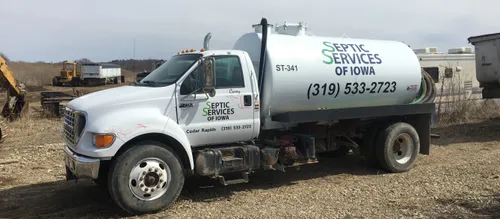
Septic Services Of Iowa
Cedar Rapids, IA
Septic Services Of Iowa is a septic tank pumping, inspection, repair, and installation company based in Cedar Rapids, IA. They provide services including septic system inspections required by Iowa's Time of Transfer program, excavation work such as septic tank replacement and water line repairs, and regular septic tank pumping to maintain system longevity. The company is certified by the Iowa Onsite Waste Water Association and the National Environmental Health Association, ensuring compliance with state standards. Their services help protect public health and the environment by addressing failing or illegal septic systems.
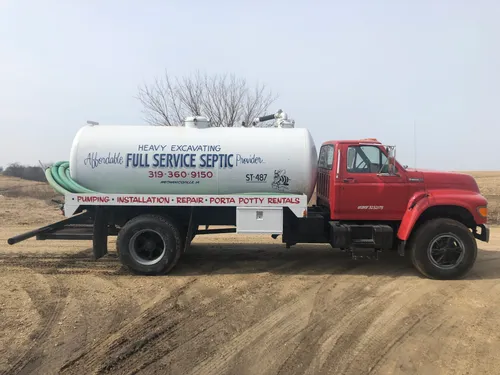
Heavy Excavating
618 Delta Ave, Mechanicsville, IA 52306
Heavy Excavating is a certified septic installer based near Cedar Rapids, IA, offering full septic services including tank pumping, repair, and installation. Serving Cedar, Linn, Jones, Muscatine, Johnson, and surrounding counties, the company is certified for Time of Transfer inspections to assist with real estate transactions. Heavy Excavating also provides emergency septic services and supplies portable toilets and hand washing stations for various events.
Understanding Your Septic System and Common Failures
A standard septic system is a self-contained wastewater treatment plant for homes not connected to a municipal sewer line. It consists of a septic tank, where solids settle and begin to decompose, and a drain field (or leach field), where the treated liquid effluent is dispersed into the soil. When any component fails, it can lead to backups, foul odors, or environmental contamination.
Common signs you may need septic repair services include:
- Slow-draining sinks, tubs, or toilets.
- Gurgling sounds in your plumbing.
- Sewage backups into your home.
- Unpleasant odors around the tank or drain field area.
- Exceptionally lush, green grass or standing water over the drain field.
In Cedar Rapids, a frequent catalyst for discovering needed repairs is the Time of Transfer (ToT) inspection, which Iowa law requires prior to the sale or deed transfer of any property with a septic system. This inspection, performed by a certified professional, often uncovers issues that must be addressed before a sale can proceed.
Linn County Regulations and Required Permits
Before any repair work begins, homeowners must navigate local regulations. Linn County Public Health oversees all septic system installation, repair, and inspection activities.
Key regulatory requirements include:
- Permit Application: A permit from Linn County Public Health is mandatory before starting any repair or installation. The application fee typically ranges from $250 to $400, depending on the project's scope 1 2.
- Certified Professionals: All inspections and repairs must be performed by individuals certified by the Iowa DNR.
- System Standards: Systems must comply with Chapter 69 of the Iowa Administrative Code, which mandates proper treatment of all sewage and requires failing systems to be upgraded 3.
- Setback Distances: Regulations enforce minimum distances: at least 10 feet between any structure and the septic system, 50 feet between a well and the septic tank, and 100 feet between a well and the absorption field 4.
Failure to obtain proper permits or use certified contractors can result in fines and complications, especially during a property transfer.
Types of Septic Repairs in Cedar Rapids
The scope and cost of septic system maintenance and repair can vary widely, from minor fixes to major excavations. The specific solution depends on the problem diagnosed during a professional inspection.
Minor Repairs and Component Upgrades
These are often the most common and cost-effective fixes.
- Pipe Repairs: Fixing broken, cracked, or clogged pipes connecting your home to the tank or the tank to the drain field.
- Baffle Replacement: The baffles inside the tank prevent scum and solids from exiting into the drain field. Damaged baffles are a common repair item.
- Distribution Box Service: The D-box evenly distributes effluent to the lateral lines in the drain field. It can become clogged or damaged and may need cleaning or replacement 5.
- Installing Risers and Lids: Adding modern, secure risers and lids to the tank access ports brings the system up to current safety and inspection standards, making future maintenance much easier 6.
Drain Field Rehabilitation and Replacement
A failing leach field is a more serious issue. Signs include surfacing effluent and persistent dampness.
- Field Cleaning: Sometimes, a specialized cleaning process can restore a clogged drain field.
- Lateral Line Repair: Individual trenches (lateral lines) can be repaired or replaced if the failure is localized.
- Complete Field Replacement: If the soil is permanently saturated or the field has structurally failed, installing a new drain field in a different location may be necessary. This is a major project that requires new permits and significant excavation.
Tank Replacement
If the septic tank itself is cracked, collapsed, or leaking, it must be replaced. This involves excavating the old tank, disposing of it properly, and installing a new tank that meets current code. Tank replacement is a significant undertaking but is crucial if the primary containment vessel is compromised.
Find the perfect septic system repair companies for your needs
Get personalized recommendations and expert advice
The Professional Repair Process: From Inspection to Completion
Engaging a certified septic repair company ensures the job is done correctly and meets all legal requirements. Here's what a typical repair process looks like:
- System Locating and Evaluation: If records are unclear, the technician will locate the tank and drain field. A full inspection involves pumping the tank to examine its interior for cracks, checking inlet/outlet baffles, and assessing the drain field for proper absorption.
- Diagnosis and Proposal: The professional will provide a detailed report on the system's condition, identify the cause of failure, and recommend specific repairs 7.
- Permitting: The repair company or homeowner submits the repair plan to Linn County Public Health to obtain the necessary work permit.
- Repair Execution: The certified crew performs the approved repairs, which may involve excavation, plumbing, and component installation.
- Final Inspection: Once repairs are complete, a final inspection by a certified inspector is often required by the county before the permit can be closed and the system approved for use 8.
Cost Considerations for Septic Repairs
The cost of septic system servicing in Cedar Rapids is highly variable, depending entirely on the problem's nature and complexity.
- Inspections: A full Time of Transfer or diagnostic inspection typically takes 2-4 hours, with costs varying by the service provider 9 10.
- Minor Repairs: Fixing a pipe or replacing a baffle can be relatively inexpensive.
- Major Repairs: Replacing a distribution box or several lateral lines can cost several thousand dollars when factoring in excavation, materials, and labor.
- System Replacement: A complete system replacement (new tank and drain field) represents the highest cost, often ranging significantly into the five figures. The final price is dictated by soil conditions, site accessibility, and the type of system required 11 12.
Always get detailed, written estimates from multiple certified contractors before proceeding with major work.
Maintaining Your System After Repairs
Once your system is repaired, proper maintenance is key to preventing future failures and protecting your investment.
- Regular Pumping: Have the septic tank pumped every 3-5 years by a licensed hauler.
- Water Conservation: Spread out water use and fix leaks to avoid overloading the system.
- Mind What You Flush: Only human waste and toilet paper should go down the drain. Avoid chemicals, grease, wipes, and other non-biodegradables.
- Protect the Drain Field: Never drive or park heavy vehicles over it, and keep roof drains and sump pumps directed away from the area.
By understanding the repair process, local regulations, and maintenance needs, Cedar Rapids homeowners can effectively manage their septic systems, ensuring long-term functionality and environmental safety.
Frequently asked questions
Sources
Footnotes
-
Iowa Septic Tank Requirements | Private Sewage Disposal ... - https://www.ntotank.com/blog/iowa-septic-tank-requirements ↩
-
Linn County Public Health - https://www.linncountyiowa.gov/DocumentCenter/View/644/Septic-Application?bidId= ↩
-
IAC Ch 69, p.1 567-69.8 (455B) Primary treatment-septic tanks. ... - https://www.legis.iowa.gov/docs/iac/rule/07-11-2012.567.69.8.pdf ↩
-
Septic | Environmental Health - Cedar County, Iowa - https://cedarcounty.iowa.gov/environmental_health/septic/ ↩
-
Professional Septic Systems Inspection Services In Iowa - https://www.behleinc.com/services/septic-inspections ↩
-
Time of Transfer Septic Inspections - Behle Inc - https://www.behleinc.com/services/time-of-transfer-septic-inspections-in-iowa ↩
-
Iowa Time of Transfer Septic Inspections - Roto Rooter - https://www.rotorooterofames.com/services/iowa-time-of-transfer-septic-inspections ↩
-
Septic Tank Inspection & Time Of Transfer - https://www.a1septicanddrain.com/septic-tank-inspection ↩
-
What to Expect from a Septic Inspection - https://www.wrenvironmental.com/blog/2023/may/what-to-expect-from-a-septic-inspection/ ↩
-
How Much Does a Septic Inspection Cost? [2026 Data] - Angie's List - https://www.angi.com/articles/septic-inspection-cost.htm ↩
-
A Homeowner's Ultimate Guide to Septic Replacement or Repair - https://excavationplus.net/septic/a-homeowners-ultimate-guide-to-septic-replacement-or-repair-everything-you-need-to-know/ ↩
-
Cedar Rapids Septic Systems Costs & Prices - ProMatcher.com - https://septic-systems.promatcher.com/cost/cedar-rapids-ia-septic-systems-costs-prices.aspx ↩