
Find the Best Septic System Repair Companies for Your Business
No obligation • Fast responses • Nationwide coverage

Why you can trust Septic Spot
Septic Spot is a leading United States resource for understanding and comparing septic services. Our editors review providers using consistent criteria and verify key business details. Listings and scores are independent, and companies cannot pay to influence our content.
Search providers near you
Top Septic System Repair Companies in Council Bluffs, Iowa Ranked
Maintaining a functional septic system is a critical responsibility for homeowners in Council Bluffs and across Pottawattamie County. When a system fails, it can lead to unpleasant odors, soggy yards, and serious environmental contamination. Septic system repair involves diagnosing and fixing issues with the tank, pipes, or drain field to restore proper wastewater treatment. This guide is designed to help you understand the local repair process, navigate Pottawattamie County's regulations, and find qualified professionals to get your system back in working order efficiently and in compliance with Iowa law.
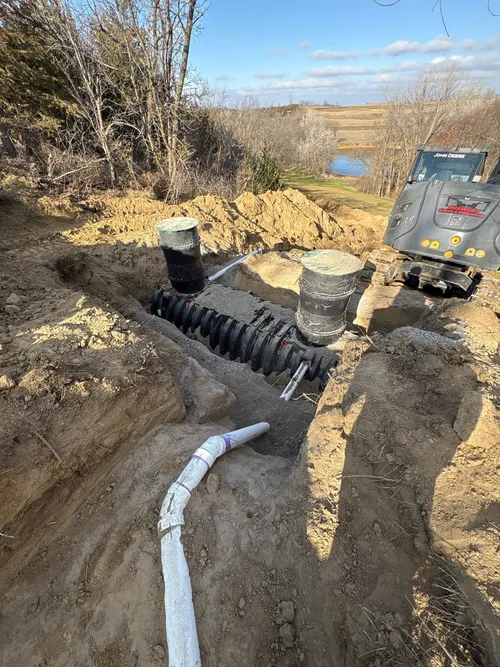
Midwest Septic & Excavating LLC
22377 Sumac Rd, Neola, IA 51559
Midwest Septic & Excavating LLC is a septic system repair and installation company serving Omaha, NE, and the surrounding Council Bluffs, IA area. Established in 2021, the company offers septic system installation, including EcoFlo systems, septic repairs, and excavation services such as trenching and site preparation. Their certified experts handle both new and existing home septic projects with a focus on quality workmanship.

Norm's Pumping Service Inc
20418 Husker Ln, Council Bluffs, IA 51503
Norm's Pumping Service Inc provides septic system services including pumping, inspections, repairs, and installations in Omaha, NE. With over 70 years of experience since 1954, they serve both residential and commercial clients. Their capabilities include septic pump repairs and certified septic tank inspections, as well as grease trap maintenance to prevent sewer line clogs. Norm's offers emergency and routine septic pumping to help maintain system performance.
Understanding Septic System Failures
A failing septic system is more than an inconvenience; it's a public health concern. In Iowa, a system is considered failing if it discharges sewage to the ground surface, backs up into the home, or contains an illegal cesspool. Common signs you may need septic repairs include:
- Slow Drains & Backups: Gurgling sounds or sewage backing up into household drains.
- Soggy Lawn & Odors: Wet, spongy areas or foul smells near the tank or drain field, especially after rain.
- Unusually Green Grass: Patches of grass over the drain field that are much lusher than the rest of the yard.
- Standing Water: Pools of grey, smelly water in the yard.
If you notice any of these signs, it's crucial to act quickly. Ignoring a failing system can lead to groundwater contamination and will likely result in enforcement action from the Pottawattamie County Public Health Department.
Pottawattamie County Regulations and Permits
All septic system work in Council Bluffs is strictly regulated. The Pottawattamie County Public Health Department enforces Iowa Department of Natural Resources (DNR) standards to protect water quality.
The Permit Requirement: A county permit is required for all new installations, major repairs, or alterations to your septic system 1. You cannot simply hire a contractor to dig up and replace a drain field without first obtaining approval. The process typically involves:
- Site Evaluation: A certified inspector or licensed contractor must assess your property's soil conditions and design a system that meets code.
- Plan Submission: The design plan is submitted to the County Environmental Health office for review.
- Permit Issuance: Once the design is approved, a permit is issued.
- Final Inspection: A county sanitarian must inspect the installed or repaired system before it is covered with soil.
Time of Transfer Law: Iowa law mandates that septic systems be inspected by a certified inspector prior to the sale or transfer of a property 2. If the inspection fails, the sale can still proceed, but it triggers a legal requirement for the system to be repaired or replaced to meet current codes 3 4. This law makes a pre-listing septic inspection a wise step for sellers.
Common Septic Repairs and Estimated Costs
The scope and cost of septic work in Council Bluffs vary widely based on the problem. Here's a breakdown of common septic system fixes:
Minor Repairs ($500 - $3,000): These are often the most common service calls and may not always require a county permit, though it's best to check. They include:
- Clearing Blockages: Using a sewer jetter or auger to clear clogged inlet/outlet pipes or distribution boxes.
- Component Replacement: Repairing or replacing damaged baffles, tees, or tank lids.
- Installing Risers: Adding risers to bring tank access lids to the surface for easier future pumping and inspection 5.
Tank-Related Issues ($3,000 - $7,000+): If the septic tank itself is compromised, repairs become more significant.
- Tank Pumping & Inspection: A full inspection often starts with pumping the tank (typically $400-$600) to check for cracks, leaks, or structural damage 6.
- Tank Replacement: A cracked or collapsed tank must be replaced. This involves excavation, disposal of the old tank, and installation of a new one 7.
Drain Field Problems ($1,000 - $15,000+): The soil absorption field is often the most expensive part to fix.
- Drain Field Rejuvenation ($1,000 - $5,000): For early-stage failure, techniques like hydro-jetting or adding specific chemicals can break down the biomat clogging the soil and temporarily restore function.
- Partial Repair: Sometimes only a section of the field is damaged and can be replaced.
- Complete Drain Field Replacement ($5,000 - $15,000+): When the entire field has failed, a full replacement is necessary. This is a major excavation project and always requires a county permit 8 9.
Advanced/Alternative Systems ($15,000+): If a standard system cannot be installed due to poor soil, high groundwater, or small lot size, Pottawattamie County may require an alternative system like a mound or aerobic treatment unit (ATU). These are complex, engineered solutions with higher installation and maintenance costs 10.
Find the perfect septic system repair companies for your needs
Get personalized recommendations and expert advice
The Step-by-Step Repair Process in Council Bluffs
Navigating a major septic repair can feel daunting. Following the proper sequence ensures the job is done legally and correctly.
- Contact Licensed Professionals: Your first call should be to a licensed septic contractor in the Council Bluffs area. They can perform a diagnostic inspection to identify the root cause of the failure.
- Diagnosis & Design: For major work, the contractor or a certified site evaluator will conduct a soil test and site evaluation to design a repair or replacement system that complies with Iowa DNR and county regulations 11.
- Apply for a Permit: Your contractor will typically help you submit the design plan and application to the Pottawattamie County Public Health Department. Permit fees for repairs often range from $150 to $500 or more 12.
- Schedule the Work: Once the permit is in hand, your contractor will schedule the excavation and repair. Ensure all utilities are marked before digging.
- Final County Inspection: This is a critical step. The contractor must notify the county inspector to examine the installed system before backfilling the trenches. Do not cover the work until it has passed inspection 13.
- Receive Certification: After passing inspection, the county will issue a certificate of completion. Keep this document with your property records; it is essential for future sales 14.
Maintaining Your System to Avoid Costly Repairs
The best repair is the one you never need. Proactive maintenance is far less expensive than emergency septic system fixes.
- Pump Regularly: Have your tank pumped every 3-5 years by a licensed service. This prevents solids from flowing into and clogging the drain field.
- Conserve Water: Spread out laundry loads and fix leaky faucets to avoid overwhelming the system.
- Mind What You Flush: Only human waste and toilet paper should go in. Never flush wipes, feminine products, grease, or chemicals.
- Protect the Drain Field: Never drive or park heavy vehicles over it, and keep roof drains and sump pumps directed away from the area.
Choosing a Septic Repair Contractor
Selecting the right professional is key. Look for a contractor who is:
- Licensed & Insured: Verify they hold a current license from the state of Iowa and carry adequate liability insurance.
- Local & Knowledgeable: Choose a company familiar with Pottawattamie County's specific soil conditions and permit processes.
- Transparent: They should provide a detailed written estimate, explain the necessary permits, and outline the project timeline.
- Reputable: Ask for references and check online reviews from other Council Bluffs homeowners.
Frequently asked questions
Sources
Footnotes
-
Septic Systems - Pottawattamie County Public Health - https://www.pottcounty-ia.gov/public_health/septic_systems/ ↩
-
Time of Transfer | Department of Natural Resources - Iowa DNR - https://www.iowadnr.gov/environmental-protection/water-quality/private-sewage-disposal-and-septage/time-transfer ↩
-
Buying or Selling a Place with a Septic System? - Scott County Iowa - https://www3.scottcountyiowa.gov/health/pub/connection/2015/20150201_Public_Health_Connection.pdf ↩
-
Septic Tank Inspection & Time Of Transfer - https://www.a1septicanddrain.com/septic-tank-inspection ↩
-
Septic System Maintenance Costs: Quad Cities | John Wulf - https://jwseptic.com/scott-county-walcott-iowa-report/ ↩
-
Understanding Septic Tank Permits and Regulations - https://westcoastsanitationinc.com/understanding-septic-tank-permits-and-regulations/ ↩
-
How much does septic tank system repair cost? - HomeGuide - https://homeguide.com/costs/septic-tank-repair-cost ↩
-
Septic Drain Field Replacement Cost - https://dillonseptic.com/septic-drain-field-replacement-cost/ ↩
-
Cost to Replace Septic Tank and Drain Field [2026 Data] | Angi - https://www.angi.com/articles/how-much-new-drain-fields-foot.htm ↩
-
How Much Does Failed Septic System Cost? - https://www.septicconnection.com/how-much-does-failed-septic-system-cost ↩
-
Environmental Health - Pottawatomie County - https://www.pottcounty.org/DocumentCenter/View/99/Health-Permit-Application-PDF?bidId= ↩
-
Septic System - Environmental Health - Iowa County, Iowa - https://iowacounty.iowa.gov/environmental_health/septic_systems/ ↩
-
Septic Systems - Pottawattamie County Public Health - https://www.pottcounty-ia.gov/public_health/septic_systems/ ↩
-
Environmental Health Services - Polk County Iowa - https://www.polkcountyiowa.gov/public-works/planning-development/environmental-health-services/ ↩