Find the Best Septic System Repair Companies for Your Business
No obligation • Fast responses • Nationwide coverage

Why you can trust Septic Spot
Septic Spot is a leading United States resource for understanding and comparing septic services. Our editors review providers using consistent criteria and verify key business details. Listings and scores are independent, and companies cannot pay to influence our content.
Search providers near you
Top Septic System Repair Companies in Urbandale, Iowa Ranked
When your home's private wastewater treatment system malfunctions, timely and proper septic system repair is essential for protecting your property, your health, and the local environment. In Urbandale, these repairs are more than just a homeowner's task-they are regulated by Polk County and Iowa state rules to ensure safety and functionality. This guide explains the critical aspects of septic repair work, from understanding local regulations and common issues to navigating the inspection and permitting process. You can use this information to identify qualified local professionals who understand the specific requirements for fixing septic systems in Central Iowa.
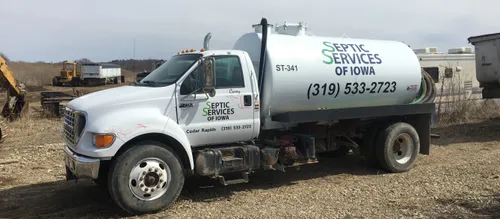
Septic Services Of Iowa
Cedar Rapids, IA
Septic Services Of Iowa is a septic tank pumping, inspection, repair, and installation company based in Cedar Rapids, IA. They provide services including septic system inspections required by Iowa's Time of Transfer program, excavation work such as septic tank replacement and water line repairs, and regular septic tank pumping to maintain system longevity. The company is certified by the Iowa Onsite Waste Water Association and the National Environmental Health Association, ensuring compliance with state standards. Their services help protect public health and the environment by addressing failing or illegal septic systems.
Rogers Septic Maintenance & Repair
6288 NE 14th St, Des Moines, IA 50313
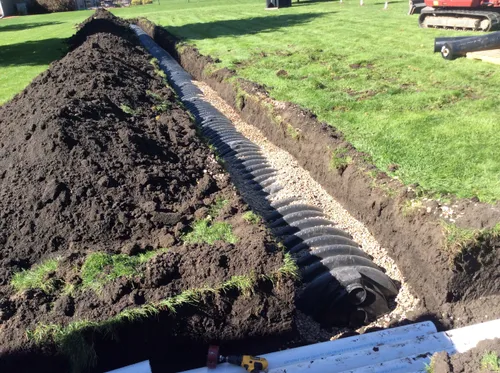
Rogers Septic Maintenance & Repair is a septic system repair and installation company based in Des Moines, IA. They provide services including septic tank installation and system repairs, focusing on clear communication and respectful customer interactions. The company is known for its attention to detail and professional approach to septic system projects.
Understanding Septic System Regulations in Polk County
All septic system maintenance, repair, and installation in Urbandale falls under the jurisdiction of the Polk County Environmental Health Services and the Iowa Department of Natural Resources (DNR) 1. The core principle is that any work beyond basic maintenance, such as uncovering a tank for pumping, requires official oversight. A permit is mandatory for any repair, alteration, or new installation of a private sewage disposal system 1 2.
The most common regulatory trigger for septic work in Iowa is the "Time of Transfer" inspection. State law requires that any home with a septic system must have it inspected by a certified professional before the property is sold or transferred. This inspection is a pivotal moment that often uncovers the need for repairs. If the system is found to be failing-evidenced by sewage surfacing, broken components, or a lack of required parts-it must be upgraded to meet current Iowa DNR standards, not just patched 3. However, if the system is working properly, it generally does not need to be upgraded to modern code simply because of its age.
Common Types of Septic Repairs in Central Iowa
Septic issues can range from simple fixes to complex, expensive projects. Local professionals typically categorize repairs into two main areas: those involving the primary tank and components, and those involving the secondary absorption field.
Primary Tank and Component Repairs
These fixes address the septic tank itself and its immediate parts.
- Tank Replacement: This major repair is necessary if the concrete, fiberglass, or plastic tank is cracked, collapsed, or severely deteriorated. A failing tank can allow untreated waste to escape or groundwater to enter, compromising the entire system.
- Baffle Repair or Replacement: The inlet and outlet baffles inside the tank are crucial for separating scum and sludge from the liquid effluent. If these are damaged or missing, solids can escape into the drain field, causing rapid clogging and failure.
- Riser Installation: Adding secure, accessible risers from the tank lids up to ground level is a common upgrade. It doesn't fix a malfunction but is considered a critical maintenance repair that makes future pumping, inspection, and minor fixes much easier and less costly.
- Pump and Alarm Service: For systems with a pump to move effluent to a raised drain field, repairs to the pump, float switches, or alarm systems are common. Electrical component failure can lead to backups in the home or surface pooling.
Drain Field and Absorption System Repairs
Problems in the soil treatment area are often more serious and expensive to address.
- Drain Field Repairs: A failing drain field shows signs like soggy ground, foul odors, or sewage backing up into the home. Repair might involve fixing broken distribution pipes, but often indicates a deeper issue like a clogged or hydraulically failed field.
- Pipe Replacement: Individual sections of the distribution pipes can crack, collapse, or become blocked with roots. Replacing a small section may be a straightforward repair, but extensive pipe damage often points to broader system failure 4 5.
- System Replacement: In many cases, especially with older systems or significant failures, a full drain field or complete system replacement is the only viable, code-compliant solution. This involves designing and installing a new soil absorption area that meets current standards.
The Time of Transfer Inspection Process
Since this inspection frequently dictates the need for repair, understanding what it entails is key for any Urbandale homeowner planning to sell or buy a home with a septic system. A certified inspection involves several methodical steps 6 7 8:
- Locating and Uncovering: The inspector must first locate the tank and drain field, then excavate to expose the access lids.
- Pumping and Internal Inspection: The tank is typically pumped out to allow for a thorough internal inspection. The inspector checks for structural integrity, cracks, leaks, and the condition of the baffles.
- Hydraulic Load Test & Drainfield Assessment: The inspector evaluates the drain field by checking for standing water, surfacing effluent, or soggy soil. They may also run water in the house to assess the system's ability to handle flow.
- Component Verification: All mechanical parts, including pumps, alarms, and distribution boxes, are tested for proper operation.
- Reporting: A formal report is issued to the property owner and filed with the Iowa DNR. This report will state whether the system is "Functional," "In Need of Repair," or "Failing," which legally dictates the next steps 9 10.
Find the perfect septic system repair companies for your needs
Get personalized recommendations and expert advice
Cost Considerations for Septic Repairs
The cost of septic system servicing in Urbandale varies dramatically based on the problem's scope. It's important to get multiple estimates from licensed, insured contractors familiar with Polk County regulations. While prices fluctuate, here is a general range based on common repair types 11 12 13:
- Certified Time of Transfer Inspection: $300 - $600
- Minor Repairs (Lid, Baffle, Riser): $150 - $900
- Septic Pump Repair or Replacement: $250 - $1,000
- Distribution or Pipe Line Repair: $1,000 - $4,200
- Drain Field or Complete System Replacement: $3,000 - $20,000+
These figures highlight why early detection and maintenance are crucial. A small issue like a broken baffle or missing lid, if caught early, can prevent a $10,000 drain field replacement down the line.
Choosing a Qualified Repair Professional
Not all excavators or plumbers are equally qualified for permitted septic work. When you need system troubleshooting or major repairs, look for a provider with specific credentials:
- Iowa DNR Certification: Ensure they are certified to conduct Time of Transfer inspections and permitted system installations/repairs.
- Polk County Experience: They should be familiar with the local permit application process through Polk County Environmental Health Services.
- Comprehensive Service: The best firms offer a full range of services-inspection, repair, installation, and maintenance-so they can provide an accurate diagnosis and appropriate solution.
- Insurance and Licensing: Verify they carry proper liability insurance and any required local business licenses.
Proactive maintenance is the most effective "repair" strategy. Having your tank pumped regularly (typically every 3-5 years), avoiding flushing harmful chemicals or non-biodegradables, and diverting rainwater runoff away from the drain field can add decades to your system's life and help you avoid costly emergency fixes.
Frequently asked questions
Sources
Footnotes
-
Environmental Health Services - Polk County Iowa - https://www.polkcountyiowa.gov/public-works/planning-development/environmental-health-services/ ↩ ↩2
-
Chapter 01 on-site Wastewater Treatment and Disposal Systems - https://decaturcountyia.municipalone.com/document/50233 ↩
-
Frequently Asked Questions about Septic System Inspections - https://mononacountyiowa.gov/files/environmental_health_zoning/septic_system_inspections_faqs_idnr_17810.pdf ↩
-
SEPTIC SYSTEM REPAIRS - https://www.bobsseptic.com/septic-system-repairs ↩
-
Decatur County Environmental Health - https://decaturcountyia.municipalone.com/docview.aspx?docid=50174 ↩
-
Time of Transfer Septic Inspections - Behle Inc - https://www.behleinc.com/services/time-of-transfer-septic-inspections-in-iowa ↩
-
Preparing for Septic Tank Inspection: 7 Key Steps - https://septic911.com/preparing-for-septic-tank-inspection/ ↩
-
Departments - Environmental Health - https://buenavistacounty.iowa.gov/departments/environmental-health/ ↩
-
Buying or Selling a Place with a Septic System? - Scott County Iowa - https://www3.scottcountyiowa.gov/health/pub/connection/2015/20150201_Public_Health_Connection.pdf ↩
-
Frequently Asked Questions about Septic System Inspections - https://mononacountyiowa.gov/files/environmental_health_zoning/septic_system_inspections_faqs_idnr_17810.pdf ↩
-
How Much Does a Septic Inspection Cost? [2026 Data] - Angie's List - https://www.angi.com/articles/septic-inspection-cost.htm ↩
-
Septic System - Environmental Health - Iowa County, Iowa - https://iowacounty.iowa.gov/environmental_health/septic_systems/ ↩
-
Septic System Inspections: A Step-by-Step How-To Guide - https://westcoastsanitationinc.com/septic-inspection-service/ ↩