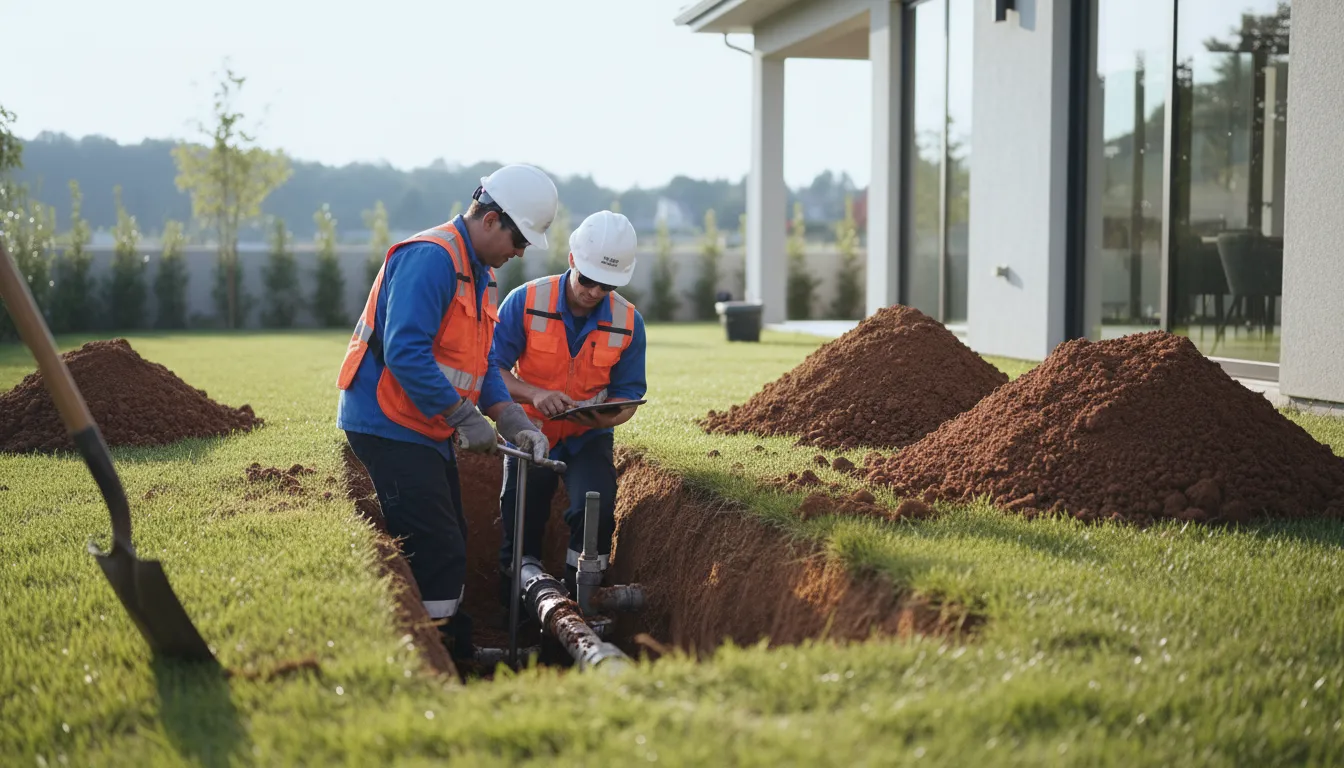
Find the Best Septic System Repair Companies for Your Business
No obligation • Fast responses • Nationwide coverage

Why you can trust Septic Spot
Septic Spot is a leading United States resource for understanding and comparing septic services. Our editors review providers using consistent criteria and verify key business details. Listings and scores are independent, and companies cannot pay to influence our content.
Search providers near you
Best Septic System Repair Companies in Idaho Ranked
Maintaining a functional septic system is crucial for protecting your property, your family's health, and Idaho's groundwater. When components fail, timely and proper repair is not just a convenience-it's a legal requirement governed by state and local health regulations. This guide explains the process, costs, and key considerations for septic system repair in Idaho, helping you understand the steps to take and connect with qualified local professionals who can ensure the work is done correctly and permitted.
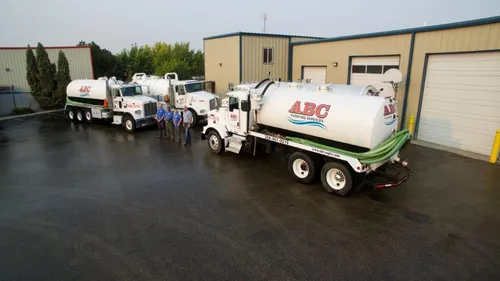
ABC Pumping Service
281 N Baltic Pl, Meridian, ID 83642
ABC Pumping Service is a septic tank and system specialist based in Boise, ID, serving Meridian and surrounding areas. They provide a range of services including septic tank pumping, inspection, repair, installation, drain field repair, and pump maintenance. With over 30 years of experience, ABC Pumping Service is familiar with both old and new septic systems and offers 24/7 emergency services. One notable capability is their expertise in repairing damaged drain fields to prevent septic system failure. They also install and maintain advanced wastewater treatment systems such as ETPS units, serving both residential and commercial clients.
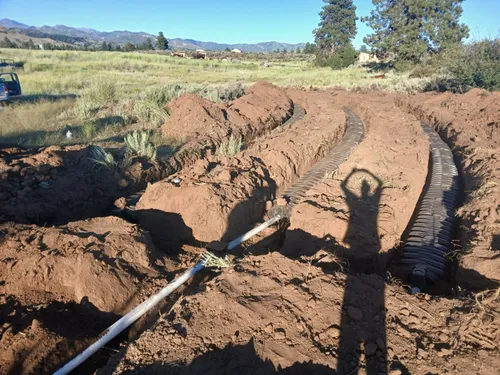
Qube Construction LLC
810 S. Quiet Creek Ln, Nampa, ID 83687
Qube Construction LLC provides septic system services including pumping, installation, repair, inspection, and drain field work in Boise, ID and the Treasure Valley. Their licensed team handles residential and commercial projects, offering 24/7 emergency service and modern equipment to maintain system efficiency. With over 15 years of experience, Qube Construction specializes in complete septic system design, code-compliant installations, and expert drain field repair and replacement. They emphasize environmental responsibility and provide detailed inspection reports with fast turnaround times.
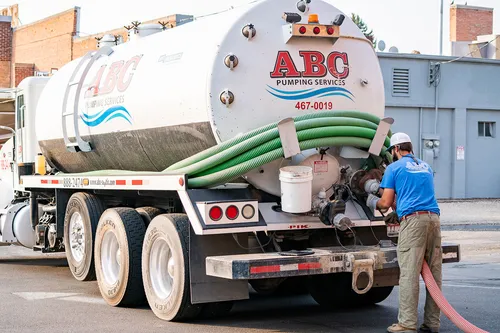
ABC Pumping Service
3716 Airport Rd, Nampa, ID 83687
ABC Pumping Service provides septic tank pumping, septic system repair, and drain field repair services in Meridian, ID. They serve both residential and commercial clients, including motels, restaurants, and car washes. The company offers specialized capabilities such as grease trap maintenance, sump and lift pump installation and repair, and commercial septic services. With over 30 years of experience in the Nampa area, ABC Pumping Service is equipped to handle a variety of septic and drainage issues. They also provide 24/7 commercial septic services to support businesses with urgent needs.
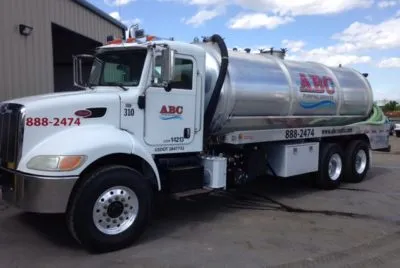
ABC Pumping Services
393 W State St f, Eagle, ID 83616
ABC Pumping Services provides septic system pumping, inspection, and repair services in Boise, ID. They specialize in maintaining residential and commercial septic systems, including drain field repair and sump pump installation. With over 30 years of experience, ABC Pumping Services offers 24/7 emergency septic pumping to address urgent issues and prevent costly damage. Their expertise includes grease trap maintenance for restaurants and car wash sump pumping, ensuring proper waste disposal and system function.
Understanding Idaho's Septic Repair Regulations
In Idaho, all repairs to an existing individual sewage disposal system are regulated. The primary authority lies with your local Public Health District (PHD), which enforces rules set by the Idaho Department of Environmental Quality (DEQ) under IDAPA 58.01.03 1. The cornerstone of these regulations is the permit.
- Permit Requirement: A Septic System Repair Permit is mandatory from your local health district before any repair or alteration work begins. This ensures the repair meets current standards for public and environmental safety.
- The Application: To obtain a permit, property owners typically must submit an application with a detailed plot plan. This plan should show the existing system layout, the proposed repair area, and the locations of wells, property lines, and surface water.
- Final Inspection: Once repairs are complete, a final inspection by the health district is required for approval. Skipping this step can result in the work being deemed non-compliant, leading to fines and orders to redo the work.
Common Septic System Repairs and Their Causes
Septic systems are comprised of a tank and a soil treatment area (drainfield). Problems can occur in either component.
- Tank Issues: These are often more straightforward to address. Common repairs include replacing deteriorated inlet or outlet baffles, fixing cracked access risers or lids, and addressing leaks in the tank itself. A failing baffle can allow solids to escape into the drainfield, causing premature clogging.
- Drainfield Failure: This is the most serious and costly type of repair. Symptoms include sewage backing up into the home, soggy ground or standing water over the drainfield, and foul odors. Failure is often caused by a lack of maintenance (infrequent pumping), hydraulic overloading from excessive water use, compaction from driving or building over the field, or biological mat buildup over time.
- Component Wear: Pipes, distribution boxes, and pumps can also fail due to age, root intrusion, or mechanical issues.
The Repair Process: From Diagnosis to Completion
Navigating a septic repair involves several key stages.
- Problem Identification & Professional Assessment: At the first sign of trouble, contact a licensed septic system professional. They will diagnose the issue, which may involve locating the system components, checking tank levels, and performing a visual assessment.
- Site Evaluation & Soil Analysis: For many repairs, especially those involving the drainfield, a new site evaluation is required2 3. This involves digging a deep test hole (often 8-10 feet) to assess the seasonal high groundwater table and soil characteristics 4. Idaho rules mandate specific vertical separation distances between the bottom of a drainfield and groundwater to prevent contamination3.
- Permit Application & Design: Your septic professional will typically handle the permit application based on their repair plan and the site evaluation. The health district reviews this to ensure compliance.
- Repair Execution: Once the permit is issued, the licensed installer or repair technician performs the work. This must match the approved plan.
- Final Inspection & Approval: After work is complete, the health district conducts a final inspection. Upon passing, they issue a notice of approval, closing the permit. Keep this documentation for your property records.
Cost Factors for Septic Repairs in Idaho
Repair costs vary widely based on the problem's severity and system type.
- Minor Repairs: Fixing a baffle, replacing a lid, or repairing a small section of pipe may cost in the range of $300 to $500, depending on labor and materials.
- Major Drainfield Repairs: Addressing a failed drainfield is significantly more expensive. Costs can range from $2,000 to over $10,0005 6. The final price depends on:
- System Size: The capacity needed for your household.
- Soil Conditions: Poor soils may require bringing in suitable fill material (sand), increasing cost.
- Repair Method: Options include replacing the entire field, adding a new expansion area, or using advanced treatment technologies.
- Permitting Fees: Don't forget the cost of the permit itself. Fees for repair permits from health districts are often around $95.007.
- Tank Replacement: If the tank itself has failed, replacement costs are substantial. Idaho standards require a minimum 1,000-gallon tank for a 3-4 bedroom home8.
Find the perfect septic system repair companies for your needs
Get personalized recommendations and expert advice
Choosing a Qualified Repair Professional in Idaho
Selecting the right contractor is critical for a compliant and lasting repair.
- Verify Licensing: Ensure the professional is licensed as a septic system installer or repair specialist in Idaho. Many health districts maintain lists of licensed professionals.
- Check Experience & References: Ask how long they've been in business and for references from recent repair jobs similar to yours.
- Understand Their Role: A reputable professional will guide you through the permit process, perform necessary site evaluations, and schedule the required inspections. They should provide a detailed written estimate.
- Beware of "Quick Fixes": Be wary of anyone who suggests bypassing the permit process or offers a temporary solution that doesn't address the root cause. This can lead to greater environmental harm and higher costs down the road.
Prevention: The Best Repair Strategy
Regular maintenance is the most effective way to avoid costly emergency repairs.
- Regular Pumping: Have your septic tank pumped by a licensed pumper every 3 to 5 years, depending on household size and usage. This prevents solids from overflowing into the drainfield.
- Water Conservation: Reducing water flow into the system extends its life. Fix leaks, install efficient fixtures, and spread out laundry loads.
- Protect the Drainfield: Never drive, park, or build structures (like sheds or patios) over the drainfield. Keep roof drains and sump pumps directed away from it. Also, avoid planting trees with deep roots nearby.
- Mind What You Flush: Only human waste and toilet paper should go into the system. Avoid chemicals, grease, wipes (even "flushable" ones), and medications.
Special Considerations for Idaho Property Owners
- Accessory Structures: If you are adding a barn, workshop, or accessory dwelling unit (ADU) that will use the existing septic system, you must get separate approval from the health district, as this increases the system's design flow9.
- System Records: If you don't have a "as-built" diagram of your system, your local health district may have a record of the original permit. This is invaluable information for any repair.
- Advanced Systems: In areas with challenging soils or high groundwater, conventional systems may not be possible. Repairing or replacing these often involves more complex (and costly) alternative or engineered systems.
Frequently asked questions
Sources
Footnotes
-
Septic and Septage - Idaho Department of Environmental ... - https://www.deq.idaho.gov/water-quality/wastewater/septic-and-septage/ ↩
-
Septic Permits - Southeastern Idaho Public Health - https://www.siphidaho.org/environmental-health/septic-onsite.php ↩
-
IDAPA 58 - Department of Environmental Quality.book - https://cdh.idaho.gov/wp-content/uploads/2023/10/Onsite-Sewage-Disposal-Rules.pdf ↩ ↩2
-
Basic Septic System Installer Training Class - https://www.idahopublichealth.com/environmental/septicsystems/2020-Basic-Installer-Training.pdf ↩
-
Septic & Land Development - Southwest District Health - https://swdh.id.gov/licensing-permitting/septic-land-development/ ↩
-
Residential Septic Tank Pricing | Homeowner's Guide to Costs - https://www.ntotank.com/blog/residential-septic-tank-pricing ↩
-
Environmental Health Fee Schedule and Description Sewage Systems - https://panhandlehealthdistrict.org/wp-content/uploads/2023/06/FY23-EH-Fees.pdf ↩
-
A Homeowner's Guide to Septic Systems - https://idahopublichealth.com/environmental/septicsystems/474190-septic_homeowners_guide.pdf ↩
-
Homeowner Installer Manual - https://idahopublichealth.com/environmental/septicsystems/New-Sewer-Installers-Manual.pdf ↩