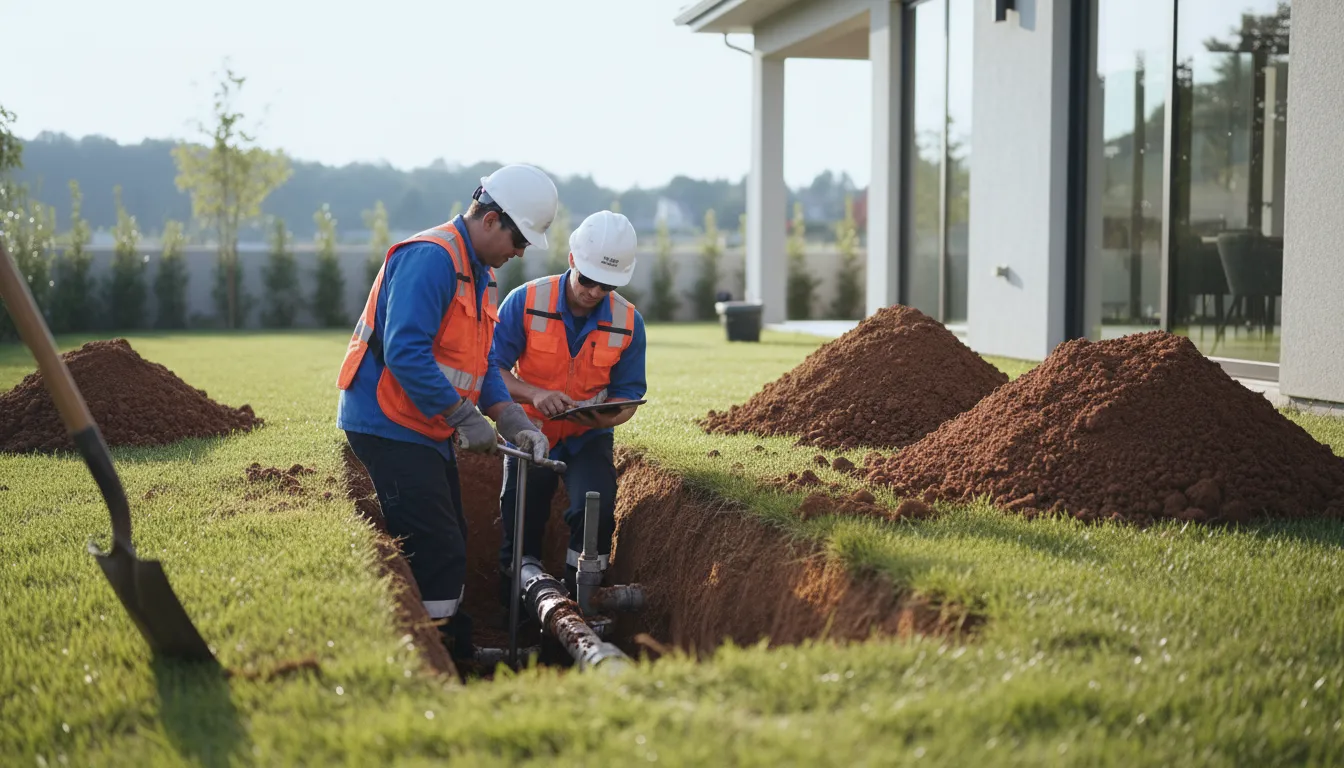
Find the Best Septic System Repair Companies for Your Business
No obligation • Fast responses • Nationwide coverage

Why you can trust Septic Spot
Septic Spot is a leading United States resource for understanding and comparing septic services. Our editors review providers using consistent criteria and verify key business details. Listings and scores are independent, and companies cannot pay to influence our content.
Search providers near you
Top Septic System Repair Companies in Boise, Idaho Ranked
If you're a homeowner in Boise with a failing septic system, timely repair is crucial to protect your property, your health, and the local environment. Septic system repair involves diagnosing and fixing issues with your tank, drain field, or other components to restore proper wastewater treatment. This guide explains the common repair needs for Boise homes, the local regulatory process, and what to expect in terms of service and cost, helping you connect with qualified local professionals to address your specific situation.
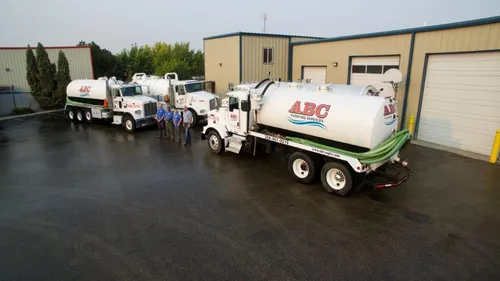
ABC Pumping Service
281 N Baltic Pl, Meridian, ID 83642
ABC Pumping Service is a septic tank and system specialist based in Boise, ID, serving Meridian and surrounding areas. They provide a range of services including septic tank pumping, inspection, repair, installation, drain field repair, and pump maintenance. With over 30 years of experience, ABC Pumping Service is familiar with both old and new septic systems and offers 24/7 emergency services. One notable capability is their expertise in repairing damaged drain fields to prevent septic system failure. They also install and maintain advanced wastewater treatment systems such as ETPS units, serving both residential and commercial clients.
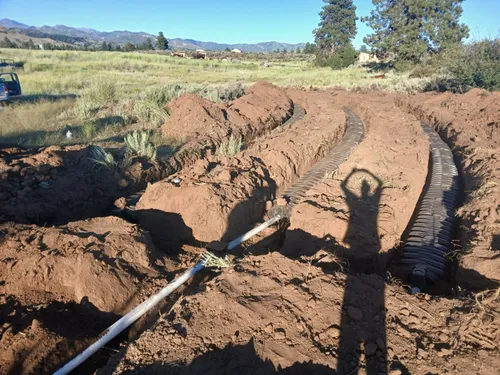
Qube Construction LLC
810 S. Quiet Creek Ln, Nampa, ID 83687
Qube Construction LLC provides septic system services including pumping, installation, repair, inspection, and drain field work in Boise, ID and the Treasure Valley. Their licensed team handles residential and commercial projects, offering 24/7 emergency service and modern equipment to maintain system efficiency. With over 15 years of experience, Qube Construction specializes in complete septic system design, code-compliant installations, and expert drain field repair and replacement. They emphasize environmental responsibility and provide detailed inspection reports with fast turnaround times.
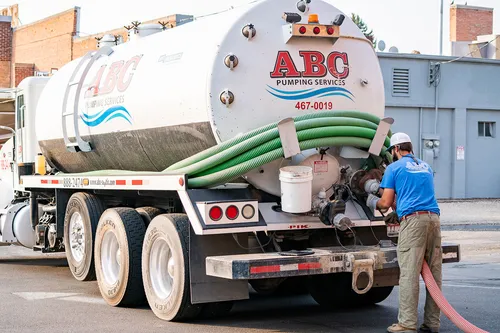
ABC Pumping Service
3716 Airport Rd, Nampa, ID 83687
ABC Pumping Service provides septic tank pumping, septic system repair, and drain field repair services in Meridian, ID. They serve both residential and commercial clients, including motels, restaurants, and car washes. The company offers specialized capabilities such as grease trap maintenance, sump and lift pump installation and repair, and commercial septic services. With over 30 years of experience in the Nampa area, ABC Pumping Service is equipped to handle a variety of septic and drainage issues. They also provide 24/7 commercial septic services to support businesses with urgent needs.
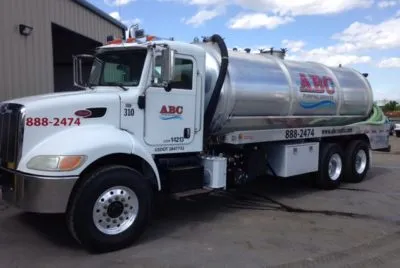
ABC Pumping Services
393 W State St f, Eagle, ID 83616
ABC Pumping Services provides septic system pumping, inspection, and repair services in Boise, ID. They specialize in maintaining residential and commercial septic systems, including drain field repair and sump pump installation. With over 30 years of experience, ABC Pumping Services offers 24/7 emergency septic pumping to address urgent issues and prevent costly damage. Their expertise includes grease trap maintenance for restaurants and car wash sump pumping, ensuring proper waste disposal and system function.
Understanding Your Septic System and Common Failures
A residential septic system is an on-site wastewater treatment plant, typically consisting of a tank and a soil absorption field (often called a leach field or drain field). Solids settle in the tank, where bacteria break them down, while the liquid effluent flows out to the drain field for final filtration through the soil. When any part of this system fails, it requires professional septic repair.
In the Boise area, common signs you need septic system maintenance or repair include:
- Sewage backups in household drains or toilets.
- Slow draining sinks, tubs, and showers.
- Gurgling sounds in your plumbing.
- Unpleasant odors around the yard, tank, or drain field.
- Lush, green grass or soggy, wet soil over the drain field, even in dry weather.
- Standing water or surfacing sewage in your yard.
Ignoring these signs can lead to more extensive damage, environmental contamination, and significantly higher repair bills.
Local Regulations: Permits and Required Steps
All septic system repairs in Ada County (Boise) are regulated by Central District Health (CDH) to ensure compliance with Idaho Department of Environmental Quality (DEQ) rules 1 2. You cannot legally begin repair work without following their process.
1. Obtain a Repair Permit: Before any work starts, a septic repair permit must be obtained from CDH. The permit application requires details about the proposed repair and the property 3. 2. Hire a Licensed Contractor (Recommended): While Idaho law allows homeowners to install or repair their own systems, they are subject to the same stringent regulations and inspections as professionals 4. For most homeowners, hiring a licensed septic contractor is the most reliable and efficient path, as they are familiar with local codes and the permitting process. 3. Site Evaluation (If Needed): If the repair involves installing a new drain field or significantly expanding the system, a site evaluation by CDH may be required. This often involves digging a 10-foot deep test hole to assess soil conditions. 4. Final Inspection: Once the repair is complete but before it is covered with soil, it must be inspected and approved by a CDH representative 5.
Contact for Permits: Central District Health (for Ada & Boise Counties) can be reached at 208-327-7499 for questions about septic repair permits and regulations 6.
Types of Septic Repairs and Typical Costs
The scope and cost of septic system fixes in Boise vary widely based on the problem. Here are common repairs and general price ranges based on industry data 7.
Minor Component Repairs ($300 - $3,000)
These are typically contained issues that don't require major excavation.
- Baffle Repairs: The inlet or outlet baffles inside your tank can break. Replacing them prevents solids from escaping into the drain field and is a relatively affordable fix.
- Pump Replacement: For systems that use an effluent pump (common in mound or pressure-dosed systems), pump failure requires replacement, typically costing between $800 and $3,000.
- Tank Repairs: Small cracks in concrete or fiberglass tanks can sometimes be patched or sealed professionally, ranging from $600 to $2,000 8.
- Riser Installation: Adding risers (concrete or plastic tubes) from the tank lids up to the ground surface provides easy future access for pumping and inspection.
Major Drain Field Issues ($3,000 - $20,000+)
When the soil absorption area fails, repairs become more complex and costly.
- Drain Field Rejuvenation: Sometimes, a clogged drain field can be cleared with high-pressure jetting or other techniques, which is less expensive than replacement.
- Drain Field Replacement: If the soil is permanently compacted or the field has completely failed, a new leach field must be installed. This is the most expensive repair, often costing between $3,000 and over $20,000, depending on size, soil conditions, and local permit fees 9 10.
Understanding Local Permit Fees
In addition to contractor costs, you must budget for CDH permit fees 11 12:
- Repair Permit (without a test hole): Approximately $439.
- Repair Permit (with a 10-foot test hole): Approximately $878.
- Site Evaluation Charge: Around $550.
Find the perfect septic system repair companies for your needs
Get personalized recommendations and expert advice
The Professional Repair Process: What to Expect
A reputable septic service provider will follow a systematic process to diagnose and fix your system.
1. Comprehensive Inspection: A thorough evaluation is the first step. This involves locating all system components, uncovering the tank access lids, and measuring the scum and sludge layers to assess the tank's health 13 14 15. They will also check for broken components and inspect the drain field for signs of failure. 2. System Pumping: If the tank is full, it will need to be pumped out to allow for proper inspection and repair. Regular pumping every 3-5 years is a key part of maintenance that can prevent many repair issues 16. 3. Diagnosis & Proposal: The contractor will explain the exact problem, discuss repair options, and provide a detailed estimate. They will also guide you through the CDH permit application process. 4. Performing the Repair: Once the permit is secured, the contractor will complete the necessary excavation and repairs using appropriate materials and methods. 5. Final Approval: After the repair, the contractor will schedule the required CDH inspection. Only after receiving this approval should the repaired system be backfilled.
Financial Assistance for Repairs
The high cost of a major septic system replacement can be a burden. Fortunately, financial assistance may be available. The Idaho DEQ has partnered with the Rural Community Assistance Corp (RCAC) to offer grants and low-interest loans for septic system repair and replacement for qualifying households with incomes at or below the state's median level 17. It's worth investigating these programs if cost is a significant concern.
Maintaining Your System After a Repair
After investing in a repair, proper maintenance is key to extending your system's life.
- Schedule Regular Pumping: Have your tank pumped every 3-5 years by a licensed professional.
- Conserve Water: Spread out laundry loads and fix leaky faucets to avoid overloading the drain field.
- Mind What You Flush: Only human waste and toilet paper should go down the drain. Avoid chemicals, grease, wipes, and feminine hygiene products.
- Protect the Drain Field: Never drive or park vehicles over it, and keep rainwater drainage systems directed away from the area.
Frequently asked questions
Sources
Footnotes
-
Septic Systems - Public Health - Idaho North Central District - https://idahopublichealth.com/septic-systems/ ↩
-
Septic and Septage - Idaho Department of Environmental ... - https://www.deq.idaho.gov/water-quality/wastewater/septic-and-septage/ ↩
-
Septic & Land Development - Southwest District Health - https://swdh.id.gov/licensing-permitting/septic-land-development/ ↩
-
So, You've Decided to Install Your Own Septic System... (Are ... - https://eiph.id.gov/wp-content/uploads/2025/09/Homeowner-Installation-Guide-9-2025.pdf ↩
-
Septic Services - Boise, ID | Quick Fix Septic - https://www.septicserviceboiseid.com/ ↩
-
Water, Septic & Subdivisions - Central District Health - Idaho.gov - https://cdh.idaho.gov/environmental-health/water-wastewater-septic/ ↩
-
Sewer System Repair - Boise, ID - Honor Plumbing - https://honorplumbingllc.com/sewer-repair-septic-system-repair-boise-id/ ↩
-
Understanding the Costs of Replacing a Septic Tank and Other Components - https://www.scorpionsepticservices.com/blog/understanding-the-costs-of-replacing-a-septic-tank ↩
-
How Much Does it Cost to Replace Leach Field - the Original Plumber - https://theoriginalplumber.com/plumbing-tips/cost-to-replace-leach-field/ ↩
-
How Much Does It Cost to Replace a Septic System? - https://alphaenvironmental.net/blog/how-much-cost-replace-septic-system/ ↩
-
Septic & Land Development - Southwest District Health - https://swdh.id.gov/licensing-permitting/septic-land-development/ ↩
-
Septic Applications, Fees & Resources - Central District Health - https://cdh.idaho.gov/environmental-health/water-wastewater-septic/septic-applications-fees-resources/ ↩
-
Homeowner's Guide to Septic Systems - https://phd5.idaho.gov/Documents/Environmental-Health/EPA_Septic_System_Guide_4-8-16.pdf ↩
-
New Homebuyer's Guide to Septic Systems - EPA - https://www.epa.gov/sites/default/files/2017-08/documents/170803-homebuyerssepticguide_508c.pdf ↩
-
Inspection of Septic Systems - Oklahoma State University Extension - https://extension.okstate.edu/fact-sheets/inspection-of-septic-systems.html ↩
-
of your home septic system - Panhandle Health District - https://panhandlehealthdistrict.org/wp-content/uploads/2022/03/CARE-AND-MAINTENANCE-OF-YOUR-SEPTIC-SYSTEM.pdf ↩
-
Customer Handbook - Idaho Department of Environmental Quality - https://www2.deq.idaho.gov/admin/LEIA/api/document/download/16777 ↩