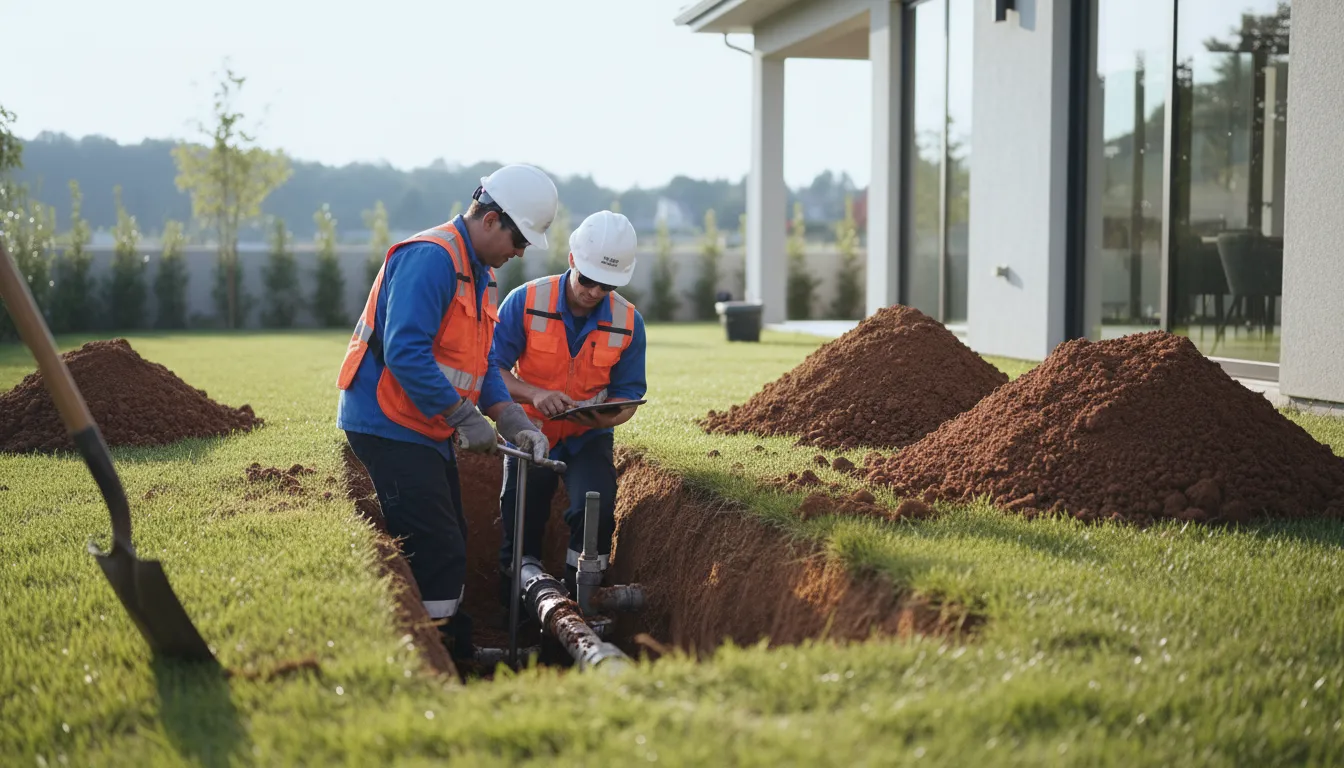
Find the Best Septic System Repair Companies for Your Business
No obligation • Fast responses • Nationwide coverage

Why you can trust Septic Spot
Septic Spot is a leading United States resource for understanding and comparing septic services. Our editors review providers using consistent criteria and verify key business details. Listings and scores are independent, and companies cannot pay to influence our content.
Search providers near you
Top Septic System Repair Companies in Carmel, Indiana Ranked
A failing septic system is a serious issue for any homeowner, leading to unpleasant odors, soggy yards, and potential environmental contamination. Septic system repair involves diagnosing and fixing problems with your tank, pipes, or drain field to restore proper wastewater treatment on your property. This guide explains the common repairs needed in Carmel, the local regulations you must follow, and how to find qualified professionals to ensure the work is done safely and legally.
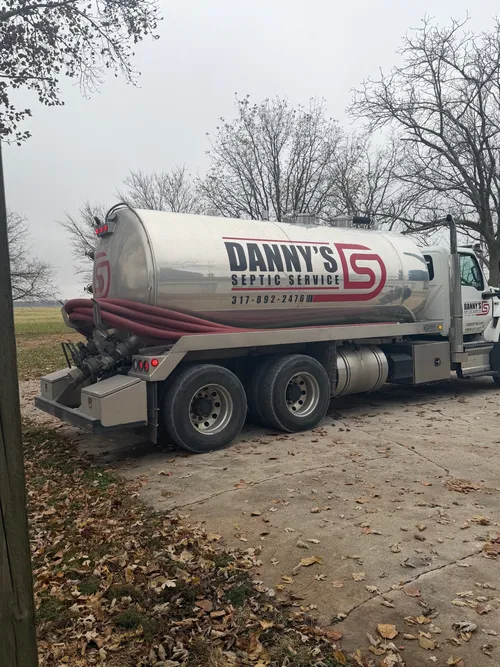
Danny's Septic Service
4938 E County Rd 1000 N, Pittsboro, IN 46167
Danny's Septic Service is a septic tank pumping, repair, and installation company based near Indianapolis, IN. They provide services to residential and commercial customers across several counties including Boone, Clinton, Hendricks, Montgomery, Putnam, Tippicanoe, and parts of Marion County. Their licensed team handles a full range of septic system needs with a focus on building strong client relationships.
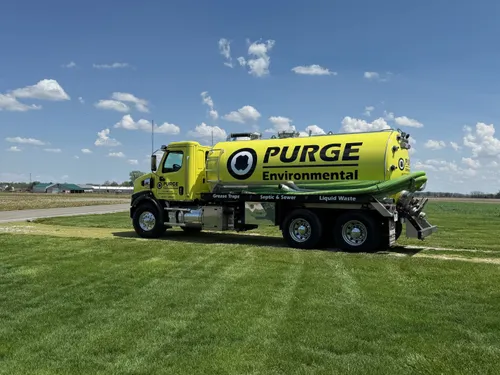
Purge Environmental
10625 Deme Dr D, Indianapolis, IN 46236
Purge Environmental is a locally owned and operated company based in Indianapolis, IN, specializing in septic tank pumping, inspection, and repair services. They offer residential and commercial solutions including septic tank cleaning, grease trap pumping, lift station maintenance, and industrial wastewater hauling. Their services cover Central and Eastern Indiana, focusing on environmentally responsible waste management. Purge Environmental provides 24/7 emergency pumping services to address urgent septic issues promptly. Their trained technicians follow a thorough twenty-point inspection process and dispose of waste at IDEM-approved facilities, ensuring compliance and eco-friendly practices.
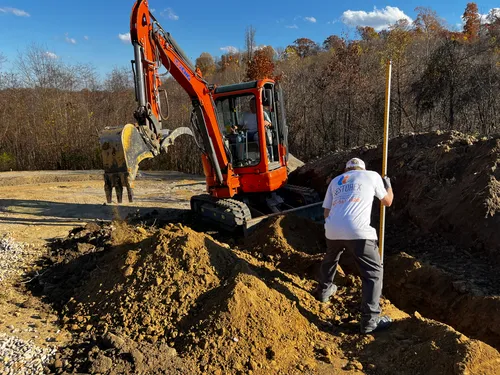
Restorex Septic Solutions
6616 E S R 144, Mooresville, IN 46158
Restorex Septic Solutions provides residential and commercial septic services in Indianapolis, IN. Their offerings include septic tank pumping, inspections, repairs, and installations to maintain proper waste management and comply with environmental regulations. The company addresses issues such as backups, odors, and slow drains to help preserve property sanitation and occupant health. Restorex Septic Solutions is available to assist with septic system problems whenever needed, working with clients and insurance companies to manage repairs efficiently.
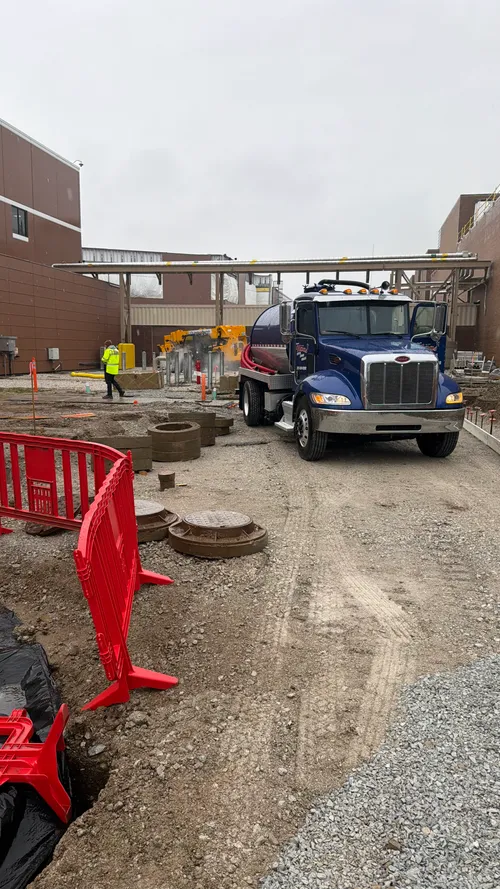
Max Haas Septic Service
7514 E 39th St, Indianapolis, IN 46226
Max Haas Septic Service has been providing septic system services in Indianapolis, IN, and Central Indiana since 1923. They offer a full range of residential and commercial septic solutions including tank pumping, inspections, system installations, drain field replacements, sewer repairs, and drainage system design. With over 100 years of experience, the company handles everything from routine maintenance to complex system installations, ensuring compliance with local codes and long-term system performance. Their organized team uses modern equipment to deliver efficient service across multiple counties in the region.
Understanding Your Septic System and Common Failures
Your onsite wastewater system is a complex assembly of components working together. Understanding the basics helps you identify when a septic repair is necessary. The system typically includes a septic tank, where solids settle and begin to decompose, and a drain field (or leach field), where treated liquid effluent is dispersed into the soil for final purification. Failures can occur in any part of this chain.
Common signs you need septic servicing or repair include:
- Slow-draining sinks, tubs, or toilets.
- Gurgling sounds in your plumbing.
- Sewage odors in your yard or home.
- Unusually lush, green grass or soggy, wet spots over the drain field.
- Sewage backing up into household drains.
Ignoring these signs can lead to more extensive damage, higher repair costs, and violations of local health codes.
Local Regulations for Septic Work in Hamilton County
All septic system repairs in Carmel are regulated by the Hamilton County Public Health Department and must adhere to Indiana State Department of Health (ISDH) rules as well as local ordinances. Navigating these regulations is a critical first step before any work begins.
Permits Are Mandatory: Any repair, replacement, or alteration of a septic system component requires a permit from the Hamilton County Environmental Health Department before any excavation or work starts 1 2. Starting work without a permit can result in fines and orders to undo the work.
Certified Professionals Required: Repairs must be performed by a septic system installer who is licensed by the Hamilton County Health Department. Furthermore, a department inspector or a licensed installer must be on-site to supervise all critical phases of the repair and backfilling process.
Mandatory Inspections: The health department must inspect the completed repair work before it is covered with soil. This ensures the repair meets all code requirements for safety and functionality 3.
Sewer Connection Mandate: If a municipal sanitary sewer line is available within a reasonable distance of your property, the health department may require you to connect to it instead of repairing your existing septic system 4.
Soil Evaluation for Major Work: For significant repairs, such as replacing the entire absorption field, a certified soil scientist must conduct a new soil investigation to determine the appropriate size and design for the replacement field 5.
Types of Septic Repairs in Carmel
The scope and cost of your septic fix depend entirely on which component has failed. Here are the most common types of onsite sewage system repairs performed in the area.
Tank Cleaning and Pumping: While not always a "repair," routine pumping every 3-5 years is essential maintenance that can prevent system failure. It becomes an urgent repair if sludge levels are within 12 inches of the outlet baffle 6 7. Average cost: $300-$600.
Riser Installation: Adding secure, accessible risers from the ground surface down to the tank lids is a common upgrade. This makes future inspections, pumping, and minor repairs much easier and less costly, as it eliminates the need to locate and dig up the lids each time 8.
Baffle or Tee Replacement: The inlet and outlet baffles (or tees) inside the tank are crucial for preventing scum and solids from flowing into the drain field. These can deteriorate over time and are a common, relatively minor repair.
Effluent Filter Installation: Adding or replacing a filter on the tank's outlet is a proactive repair that provides an extra layer of protection for your drain field by catching fine solids.
Drain Field Repair or Rejuvenation: This is a more significant undertaking. It can involve cleaning clogged pipes with high-pressure water jets, repairing broken distribution lines, or replacing a portion of the absorption field. Costs typically range from $1,000 to $5,000.
Full System Replacement: When a system is too old (often over 25 years) or has experienced complete drain field failure, a full septic system replacement is necessary. This is the most extensive and costly repair, involving new tank installation and a completely new drain field in a suitable location on your property. Costs can range from $10,000 to $30,000 or more 9.
Find the perfect septic system repair companies for your needs
Get personalized recommendations and expert advice
The Professional Inspection and Diagnosis Process
Before any repair can be accurately scoped, a thorough professional inspection is essential. In Carmel, a comprehensive septic inspection typically takes 1-2 hours and involves several key steps.
- Locating and Uncovering: The technician will locate the tank and drain field, often using specialized electronic locating equipment. If risers are not present, they will need to excavate to access the tank lids.
- Evaluating Tank Integrity: The tank is inspected for structural issues like cracks, leaks, or root intrusion that could compromise its function.
- Measuring Sludge and Scum: The inspector measures the layers of scum (top) and sludge (bottom) to determine if pumping is needed and to assess the tank's health.
- Assessing Components: The inlet and outlet baffles (or tees), as well as the distribution box (if present), are checked for damage or blockages.
- Drain Field Evaluation: This may involve a dye test, where non-toxic dye is flushed into the system and the drain field is observed for surfacing effluent, indicating a failure.
- Reporting: You should receive a detailed written report outlining the system's condition, any problems found, and recommendations for necessary repairs or maintenance 10.
Cost Considerations for Septic Repairs
Repair costs in Carmel vary widely based on the system's size, soil conditions, and the extent of the failure. Below is a general guide, but always get multiple written estimates from licensed providers.
- Permit Fees: Hamilton County charges permit fees for repair work, which typically start at around $200 or more and must be factored into your total project cost 11 12.
- Minor Repairs (Baffles, Risers, Filters): $300 - $1,000
- Drain Field Repair/Rejuvenation: $1,000 - $5,000
- Full System Replacement: $10,000 - $30,000+
Important Safety Note: Before any digging occurs for inspection or repair, Indiana law requires you to contact Indiana 811 at least two full business days in advance. This free service will mark the location of underground utility lines to prevent accidents and service disruptions 13.
Maintaining Your System After Repair
Once your septic system is repaired, proper maintenance is key to preventing future failures and protecting your investment. Adhere to a regular pumping schedule every 3-5 years, conserve water to avoid overloading the system, and avoid flushing anything besides human waste and toilet paper. Be mindful of what goes down your drains-grease, chemicals, and non-biodegradable items can quickly cause new problems.
Frequently asked questions
Sources
Footnotes
-
April 7, 2025 Public Notice - IN.gov - https://www.in.gov/hamiltoncountyrud/files/Public-Notice-Statement-04_07_2025.pdf ↩
-
Residential On-Site Sewage System Permit Procedure - https://www.hamiltoncounty.in.gov/DocumentCenter/View/432/Residential-On-Site-Sewage-System-Permit-Procedure-PDF ↩
-
Indiana Septic Tank Requirements | On-Site Sewage Systems - https://www.ntotank.com/blog/indiana-septic-tank-requirements ↩
-
CHAPTER 51: SEWAGE AND SEPTIC SYSTEMS REGULATIONS - https://www.in.gov/localhealth/stjosephcounty/files/County-Code-Septic-Ordinance.pdf ↩
-
Indiana Septic System Installation and Permit Procedure Guide - https://www.septicdesign.com/homeowners/the-septic-system-installation-processs-for-indiana/ ↩
-
Preparing for Septic Tank Inspection: 7 Key Steps - https://septic911.com/preparing-for-septic-tank-inspection/ ↩
-
Homeowner's Guide to Septic Systems - http://indiana.clearchoicescleanwater.org/resources/epa-homeowners-guide-to-septic-systems/ ↩
-
How to Inspect a Private Septic System - https://www.youtube.com/watch?v=URhIPaX-csA&t=20 ↩
-
Septic Tank Repair in Indianapolis - 24/7 Emergency Service - https://www.justindorseyplumbing.com/septic-system/ ↩
-
Septic Inspection Process: What Homeowners Should Know ... - https://www.lunspro.com/vlog/the-septic-system-inspection-process-what-homeowners-should-know ↩
-
Septic System Policy - Hamilton County Public Health - https://www.hamiltoncountypublichealth.com/wp-content/uploads/2020/02/Septic-Systems-Policy-Revised-2-2020.pdf ↩
-
Top 10 Best Septic Tank Services Near Carmel, Indiana - Yelp - https://m.yelp.com/search?find_desc=Septic+Tank+Services&find_loc=Carmel%2C+IN ↩
-
Indiana Onsite Sewage System Inspection Form - IOWPA - https://iowpa.org/wp-content/uploads/2019/09/Inspection_Form21.pdf ↩