
Find the Best Septic System Repair Companies for Your Business
No obligation • Fast responses • Nationwide coverage

Why you can trust Septic Spot
Septic Spot is a leading United States resource for understanding and comparing septic services. Our editors review providers using consistent criteria and verify key business details. Listings and scores are independent, and companies cannot pay to influence our content.
Search providers near you
Top Septic System Repair Companies in Jeffersonville, Indiana Ranked
When your home's wastewater treatment system fails, it's more than an inconvenience-it's a potential health hazard and an urgent environmental concern. Septic system repair involves diagnosing and fixing issues with your septic tank, drain field, or related components to restore proper function and compliance with local codes. For homeowners in Jeffersonville, navigating this process means working with licensed professionals and the Clark County Health Department to ensure repairs are done correctly and legally. This guide will help you understand the local requirements, common repair scenarios, and how to connect with qualified specialists to address your system's needs.

Shelby Septic Service
24 Main St, Shelbyville, KY 40065
Shelby Septic Service is a family-owned company based near Louisville, KY, providing comprehensive septic system services including pumping, inspections, filter cleaning, riser and lid access, and filter installation. They serve residential and commercial customers across Anderson, Franklin, Henry, Jefferson, Oldham, Shelby, and Spencer Counties. The company is experienced in septic tank cleaning, maintenance, and problem-solving, with capabilities such as backflushing to remove solids buildup. Shelby Septic Service is recognized for their knowledgeable technicians and thorough inspections, offering detailed reports to assist with property purchases and maintenance decisions.
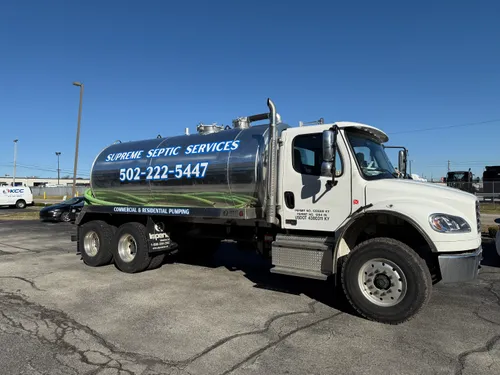
Supreme Septic Services (formerly known as Garrett's Septic Service)
Louisville, KY
Supreme Septic Services (formerly known as Garrett's Septic Service) is a locally owned company based in Louisville, KY, offering a range of septic and grease system services. They provide septic pumping, grease trap cleaning, system repairs, inspections, and installations for residential, commercial, and restaurant clients. Their team uses modern equipment to ensure efficient service and compliance with local standards. Supreme Septic Services focuses on proper system design and maintenance to extend system life and prevent backups.

Babbs Land Management LLC
630 S Zion Rd, Scottsburg, IN 47170
Babbs Land Management LLC is a family-owned and locally operated company based near Louisville, KY, specializing in septic system repair, septic tank installation, and broader land management services for residential and commercial properties. With over four years in business and extensive industry experience, the company offers reliable septic solutions including new construction and repair services. Babbs Land Management also provides 24/7 availability for emergency call-outs, supporting customers whenever urgent needs arise.

H2O Plumbing, LLC
1380 Old Hwy 135, Corydon, IN 47112
H2O Plumbing, LLC is a plumbing company based near Louisville, KY, offering a wide range of services including septic system repair and septic tank installation. They serve residential and commercial customers, providing solutions such as sewer line repair, water softener installation, and drain cleaning. The company emphasizes reliable plumbing work and offers a 12-month warranty on most services. Their expertise includes full septic system replacement and repair to maintain safe and efficient wastewater management. H2O Plumbing has years of experience and holds all necessary licenses and insurance to ensure customer protection.
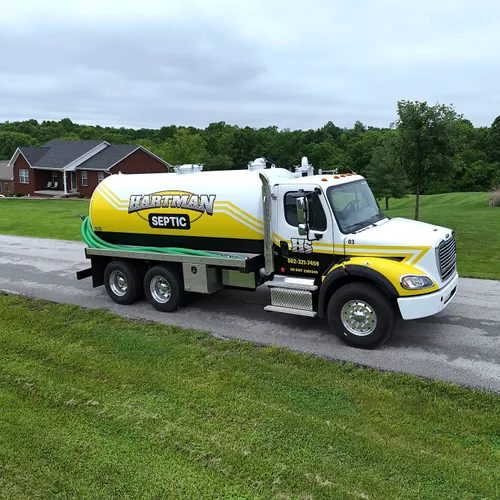
Hartman Septic
24 Old 7 Mile Pike, Shelbyville, KY 40065
Hartman Septic provides full-service septic solutions in Louisville, KY, and surrounding areas including Shelby County and Pewee Valley. The company offers residential and commercial septic tank pumping, inspection, repair, installation, and drain field repair or replacement. Hartman Septic is led by Kentucky's first Master Septic Installer, bringing expert knowledge to each project. They are experienced in managing complex septic system issues and work closely with local health authorities to ensure compliance and approved repairs. The company is known for handling excavation and septic challenges efficiently and professionally.
Understanding Local Septic Repair Regulations
In Jeffersonville and Clark County, all work on onsite sewage disposal systems is strictly regulated. The Clark County Health Department (CCHD) enforces Indiana State Department of Health Rule 410 IAC 6-8.3. A fundamental rule is that no person or contractor shall install, construct, alter, or repair an on-site sewage disposal system without a current, valid permit from the CCHD. This means you cannot legally begin any corrective work, no matter how minor it may seem, without first obtaining the proper authorization.
The process typically starts when a system is deemed non-functional. You or your contractor must complete a "Septic System Application" and submit a detailed repair or replacement plan to the CCHD for approval. A critical step in many repair plans, especially those involving the drain field, is a certified soil evaluation conducted by a professional soil scientist. This evaluation determines the suitability of the soil for wastewater absorption and is often required if the repair involves moving or expanding the leaching area 1.
The Role of Licensed Professionals
It is not enough to hire a general handyperson for septic work. Repairs in Clark County must be performed by a contractor licensed specifically in Clark County. These licensed installers and repair technicians understand the local soil conditions, health department protocols, and inspection requirements. They will handle the permit application process on your behalf and ensure the proposed solution meets all technical and legal standards. Working with an unlicensed individual can result in improper repairs, system failure, and significant fines.
Common Septic Repair Scenarios in Jeffersonville
Residential septic issues generally fall into a few key categories, each with its own repair approach.
Tank Repairs and Replacement
The septic tank itself can suffer from age, ground shifting, or corrosion. Common tank-related fixes include:
- Replacing a Damaged Tank: If a tank has severe cracks, collapses, or is made of obsolete materials (like steel), it must be excavated and replaced with a modern, durable tank.
- Repairing Baffles: The inlet and outlet baffles inside the tank are crucial for preventing scum and solids from escaping into the drain field. Broken or missing baffles are a common cause of drain field failure and must be repaired or replaced.
- Installing Access Risers: Older systems often have buried tank lids, making routine pumping and inspection difficult. Adding secure, flush-to-grade access risers is a common upgrade that brings a system up to modern standards and is required for inspections 2.
Drain Field Rehabilitation
The drain field (or leach field) is where treated effluent is absorbed into the soil. It's often the most expensive component to fix.
- Fixing Clogs: Over time, biomat (a layer of bacteria) or physical debris can clog the perforated pipes or the surrounding soil. Techniques like jetting to clean pipes or adding specific additives may temporarily help, but severe clogs often require more extensive work.
- Re-piping or Expanding: If sections of the distribution pipes are crushed or damaged, they may need to be replaced. In cases where the original field has completely failed, a new absorption field may need to be constructed in a different location, contingent on a successful soil evaluation 3 4.
Pump and Mechanical Component Repairs
Homes with pressure distribution systems, mound systems, or those where gravity flow isn't possible rely on pumps and lift stations.
- Pump Replacement: Submersible effluent pumps wear out and will eventually need replacement.
- Alarm and Float Switch Repair: These components alert homeowners to high water levels in the tank or pump chamber. Malfunctioning alarms need prompt repair to prevent backups.
Find the perfect septic system repair companies for your needs
Get personalized recommendations and expert advice
The Inspection Process: Required for Diagnosis and Closure
A professional inspection is the first step in any repair. For the health department to approve the work, specific inspection protocols must be followed. Lids and tank access ports must be fully exposed for inspection 5. The CCHD requires at least two business days' notice before any repaired system is backfilled and covered so they can perform a final inspection 6.
A thorough diagnostic inspection typically involves several steps 7 8 9:
- Locate & Access: The technician finds the tank and drain field using records and probes, then excavates to expose the access lids.
- Background Check: They may review existing permit information from the health department to understand the system's original design.
- Structural Inspection: The tank is checked for cracks, leaks, and the condition of the baffles.
- Liquid Level Check: Measuring the water level inside the tank indicates if there is a blockage preventing flow into the drain field.
- Functional Testing: Dye tests or running water helps verify that wastewater flows from the house to the tank and, ideally, out to the drain field as intended.
Understanding Repair Costs and Financing
The cost of septic system work in Jeffersonville varies dramatically based on the problem. Minor repairs, such as fixing a baffle or installing risers, may cost a few hundred to a couple thousand dollars. However, complete system replacements or major drain field rehabilitations often range from $7,000 to $15,000 or more 10. Inspection fees are separate and depend on the labor required to locate and uncover the system components.
Given the potential for high costs, it's worth exploring financing. Some local contractors offer payment plans to help manage the expense. For example, Gudorf Plumbing advertises financing options such as 0% financing for 15 months for qualified customers 11. It's important to address problems promptly, as failure to comply with health department orders to repair a failed system can result in fines up to $2,500 12 13.
Maintaining Your Repaired System
Once your system is repaired and permitted, proper maintenance is key to preventing future failures. This includes regular pumping every 3-5 years, conserving water, and avoiding flushing harmful chemicals or non-biodegradable materials. A well-maintained system protects your property value, your family's health, and the local environment.
For official assistance and to obtain permit applications, you can contact the Clark County Health Department Environmental Health division at 812-282-7521 or visit their website 14.
Frequently asked questions
Sources
Footnotes
-
County On-site Sewage Systems Ordinance This ... - IN.gov - https://www.in.gov/health/eph/files/Recommended-Ordinance-Sections-2024-05-28.pdf ↩
-
Plumbing, HVAC & Electrical Services in Jeffersonville, IN - https://tomdrexlerplumbing.com/service-area/jeffersonville-in/ ↩
-
How to Inspect a Private Septic System - https://www.youtube.com/watch?v=URhIPaX-csA&t=20 ↩
-
Septic Systems - Floyd County: Health Department - IN.gov - https://www.in.gov/counties/floyd/health-department/environmental-health/septic-systems/ ↩
-
Local health department authority and septic regulations - Facebook - https://www.facebook.com/groups/1844263466334705/posts/1944670626293988/ ↩
-
Application for Private Sewage Disposal System Installer Permit - https://clarkhealth.net/images/pdf/2020/Septic-Sewer/Application-for-Private-Sewage-Disposal-Installer-Permit.pdf ↩
-
Clark County Indiana Septic System Installers - https://clarkhealth.net/index.php/environmental-health/septic-systems ↩
-
DIY Septic Tank Inspections - Flohawks - https://flohawks.com/diy-septic-tank-inspections-a-step-by-step-guide/ ↩
-
Indiana Onsite Sewage System Inspection Form - IOWPA - https://iowpa.org/wp-content/uploads/2019/09/Inspection_Form21.pdf ↩
-
Property Owners - Clark County - https://clark.wa.gov/public-health/property-owners ↩
-
Septic System Repair & Installation - https://gudorf.com/septic-system-repair-installation ↩
-
County On-site Sewage Systems Ordinance This ... - IN.gov - https://www.in.gov/health/eph/files/Recommended-Ordinance-Sections-DRAFT-24-01-12-TRP.pdf ↩
-
Septic Maintenance Posey County Guide | Jason Brown | Jason Brown - https://pinnacle.realestate/blog/septic-care-101-for-posey-county-homeowners ↩
-
Clark County Indiana Septic System Installers - https://clarkhealth.net/index.php/environmental-health/septic-systems ↩