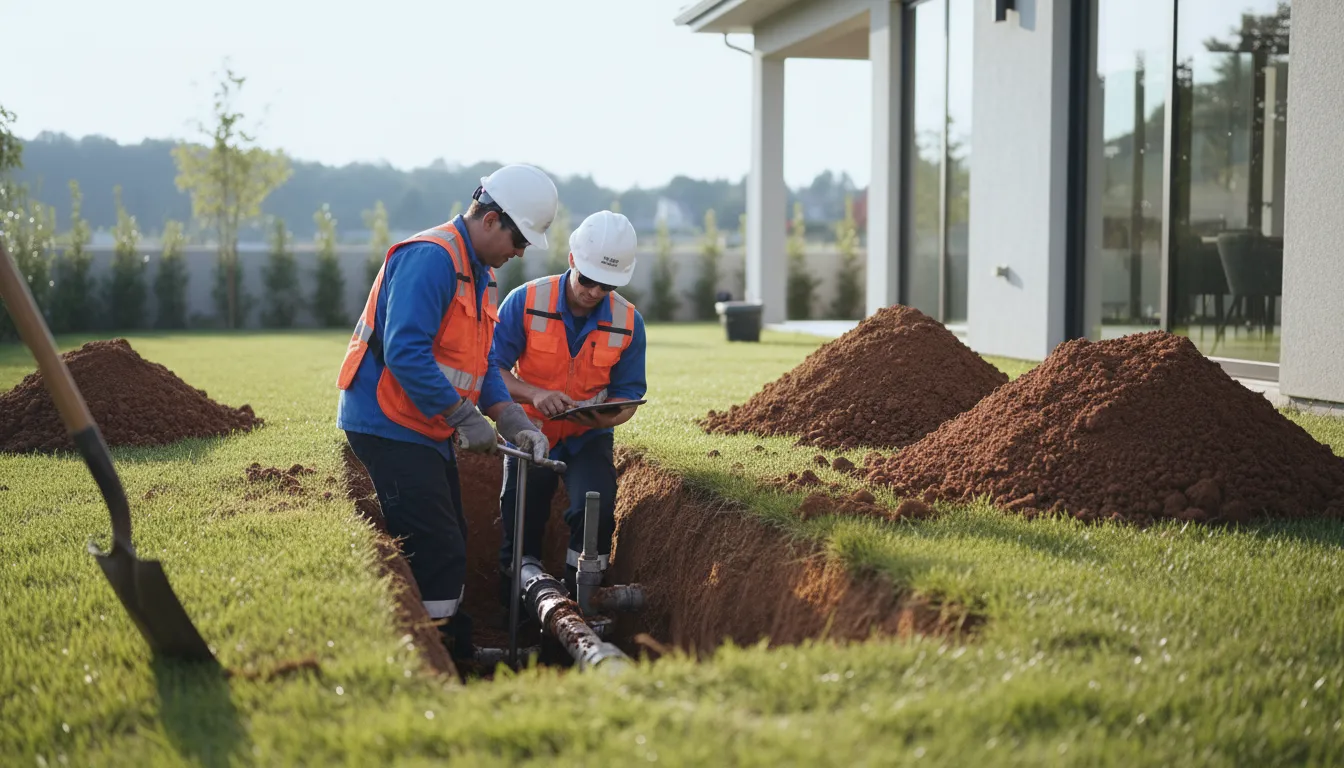
Find the Best Septic System Repair Companies for Your Business
No obligation • Fast responses • Nationwide coverage

Why you can trust Septic Spot
Septic Spot is a leading United States resource for understanding and comparing septic services. Our editors review providers using consistent criteria and verify key business details. Listings and scores are independent, and companies cannot pay to influence our content.
Search providers near you
Top Septic System Repair Companies in Noblesville, Indiana Ranked
A failing septic system is a serious issue for any Noblesville homeowner, requiring prompt and professional attention to protect your property, health, and the local environment. Septic system repair involves diagnosing and fixing issues with your on-site sewage treatment system, from the tank to the drain field. This guide explains the local regulatory process, common repair types, and how to find qualified professionals to ensure your system is restored to proper, compliant function.
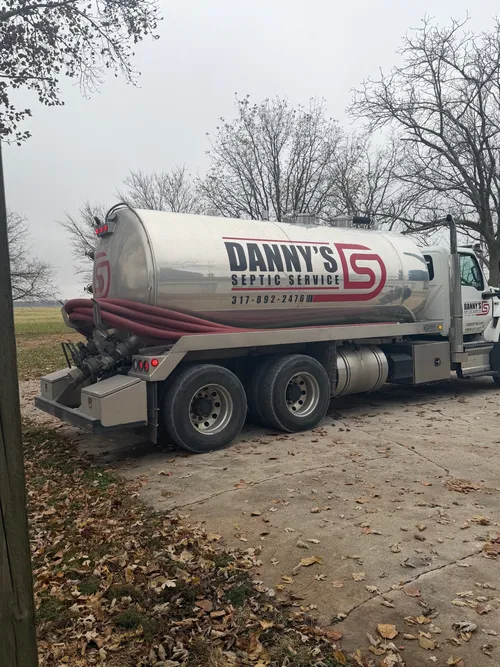
Danny's Septic Service
4938 E County Rd 1000 N, Pittsboro, IN 46167
Danny's Septic Service is a septic tank pumping, repair, and installation company based near Indianapolis, IN. They provide services to residential and commercial customers across several counties including Boone, Clinton, Hendricks, Montgomery, Putnam, Tippicanoe, and parts of Marion County. Their licensed team handles a full range of septic system needs with a focus on building strong client relationships.
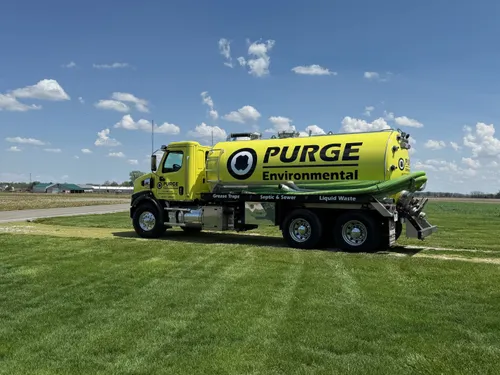
Purge Environmental
10625 Deme Dr D, Indianapolis, IN 46236
Purge Environmental is a locally owned and operated company based in Indianapolis, IN, specializing in septic tank pumping, inspection, and repair services. They offer residential and commercial solutions including septic tank cleaning, grease trap pumping, lift station maintenance, and industrial wastewater hauling. Their services cover Central and Eastern Indiana, focusing on environmentally responsible waste management. Purge Environmental provides 24/7 emergency pumping services to address urgent septic issues promptly. Their trained technicians follow a thorough twenty-point inspection process and dispose of waste at IDEM-approved facilities, ensuring compliance and eco-friendly practices.
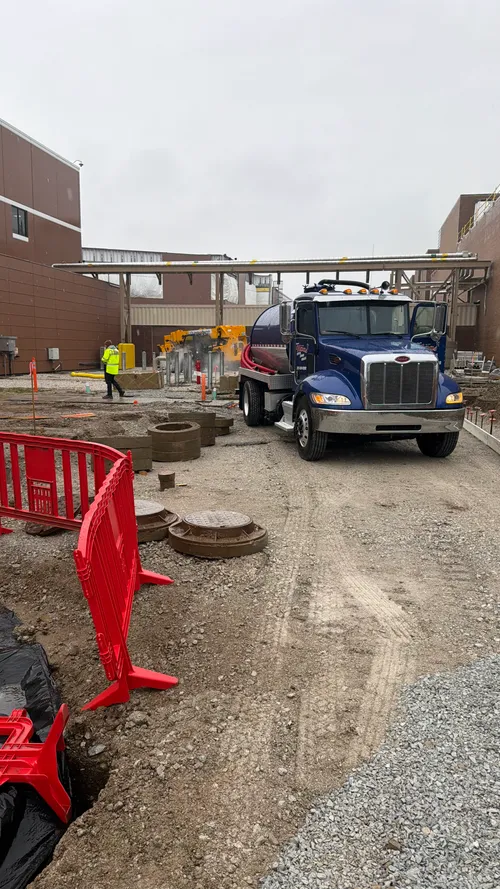
Max Haas Septic Service
7514 E 39th St, Indianapolis, IN 46226
Max Haas Septic Service has been providing septic system services in Indianapolis, IN, and Central Indiana since 1923. They offer a full range of residential and commercial septic solutions including tank pumping, inspections, system installations, drain field replacements, sewer repairs, and drainage system design. With over 100 years of experience, the company handles everything from routine maintenance to complex system installations, ensuring compliance with local codes and long-term system performance. Their organized team uses modern equipment to deliver efficient service across multiple counties in the region.
Understanding Septic System Failures and Local Regulations
When your septic system malfunctions, it's not just an inconvenience-it's a public health concern. In Noblesville and throughout Hamilton County, all work related to septic system maintenance and repair is strictly regulated by the Hamilton County Health Department (HCHD). A system is considered failing if untreated sewage surfaces in your yard, backs up into your home, or contaminates groundwater. Before any significant repair work begins, you must navigate a permit process designed to ensure the fix is safe and long-lasting.
The cornerstone of local regulation is Indiana Rule 410 IAC 6-8.3, which governs Residential On-site Sewage Systems. The HCHD enforces this rule, requiring permits for virtually any installation, alteration, or repair. You are legally required to notify the HCHD Environmental Health Worker (EHW) at least 48 hours before starting any repair work. Attempting a major fix without the proper permits can result in fines and an order to cease work, so understanding this first step is crucial.
The Permit and Planning Process for Septic Repairs
Navigating the permit process is your first official task when facing a significant septic issue. Here's a breakdown of what to expect:
-
Initial Contact and Records Check: Your first call should be to the HCHD. They can check if they have an existing file on your property, which may contain the original system design. Records are often available for systems installed or modified after 1990. This information provides a valuable starting point for any contractor.
-
Professional Assessment and Soil Evaluation: For most repairs, especially those involving the drain field (or soil absorption system), a registered soil scientist must conduct a new site evaluation. This typically involves a minimum of three soil profile evaluations (borings or pits) in the area of the proposed repair or new absorption field. The scientist analyzes soil texture, structure, and percolation rate, which directly determines the size and type of system your property can support.
-
System Design and Permit Application: Using the soil scientist's report, a licensed septic contractor will design a repair plan that complies with state code. System design is based on the number of bedrooms in your home (using a standard of 150 gallons of wastewater per day per bedroom) and the confirmed soil-loading rates 1. The completed permit application, along with the $200 non-refundable permit fee, is submitted to the HCHD for review 1.
-
Required Inspections: Once a permit is issued and repair work begins, the HCHD EHW must inspect the system at critical stages-typically before any repaired or new components are covered with soil. This inspection verifies that the work matches the approved plans and meets all health and safety standards.
Common Types of Septic System Repairs in Noblesville
Not all septic problems require a full system replacement. A qualified professional can diagnose the issue and recommend the appropriate corrective action. Common septic repairs in the area include:
- Septic Tank Repairs: This can involve replacing a damaged or collapsed tank, repairing or replacing inlet/outlet baffles that have deteriorated, or installing new access risers to the tank lids for easier future pumping and inspection.
- Absorption Field (Drain Field) Repairs: The network of pipes in your yard is a common failure point. Repairs may include fixing broken 4-inch or 6-inch perforated pipes, a process often referred to as field tile repair or replacement 2. In some cases, a technique called "field rejuvenation" might be attempted for minor issues.
- Distribution Box Replacement: The distribution box (or D-box) evenly disperses liquid effluent from the tank to the field lines. If it becomes cracked, clogged, or misaligned, it can cause uneven distribution and system failure, requiring replacement 3.
- Pump and Dose System Repairs: For homes with mound systems or where gravity flow isn't possible, a pump tank and grinder pump are used. Repairing or replacing malfunctioning pumps, floats, or alarms falls under this category.
- Complete System Replacement: If a repair is not technically feasible or cost-effective, a new soil absorption system must be designed and installed based on a new soil evaluation 4. This is the most extensive and costly option.
Find the perfect septic system repair companies for your needs
Get personalized recommendations and expert advice
Choosing a Qualified Septic Repair Contractor
All contractors performing septic system repair, installation, or alteration in Hamilton County must be registered with the Hamilton County Health Department 5. This registration is a baseline requirement for legitimacy. When evaluating local septic service companies, look for those with:
- Valid HCHD registration.
- Extensive local experience and knowledge of Hamilton County soils and regulations.
- Proper licensing and insurance.
- Positive reviews and references from Noblesville-area homeowners.
Local companies like Powers Septic & Sewer and Cecil Septic are active in providing repair services in the area. A professional assessment from a licensed contractor will involve inspecting the tank for leaks and scum/sludge levels, checking for ponding water or soggy soil over the drain field, and possibly using a camera to inspect lateral lines 6 7 8.
Costs and Considerations for Septic Repairs
Repair costs in Noblesville vary widely based on the problem's severity and scope. The HCHD permit fee is a fixed cost of $200 9. Beyond that:
- Professional Inspection & Labor: Diagnostic fees and labor rates vary by company.
- Soil Scientist Fee: This is a separate cost paid directly to the registered soil scientist for the mandatory site evaluation.
- Repair Costs: Simple repairs like replacing a baffle or a section of pipe may cost a few hundred dollars. More complex jobs, like replacing a distribution box or a significant portion of a drain field, can run into the thousands. A full system replacement is a major project often costing several thousand to tens of thousands of dollars, depending on the system type required (e.g., conventional trench system vs. a raised mound system) 10.
It's important to get detailed, written estimates from multiple registered contractors. Also, note that if a municipal sanitary sewer line is within a "reasonable distance" of your property (as defined by local ordinance), the health department may require you to connect to it instead of repairing your septic system 11.
Maintaining Your System After a Repair
Once your system is repaired, proper maintenance is key to preventing future failures. This includes regular pumping of the tank every 3-5 years, conserving water to avoid overloading the system, and avoiding flushing harmful chemicals or non-biodegradable materials. The EPA's Homeowner's Guide to Septic Systems is an excellent resource for best practices 12. A well-maintained system protects your investment and the local waterways that feed into the White River.
Frequently asked questions
Sources
Footnotes
-
Septic System Policy - Hamilton County Public Health - https://www.hamiltoncountypublichealth.com/wp-content/uploads/2020/02/Septic-Systems-Policy-Revised-2-2020.pdf ↩ ↩2
-
Information for Homeowners - https://odh.ohio.gov/know-our-programs/sewage-treatment-systems/INFORMATION-FOR-HOMEOWNERS ↩
-
On-Site Sewage System Permit Application - Hamilton County, IN - https://www.hamiltoncounty.in.gov/DocumentCenter/View/434/Septic-Permit-Application-PDF ↩
-
Septic Repair vs. Replacement: A Guide to Costs & Red Flags - https://prosepticri.com/septic-repair-vs-replacement-guide/ ↩
-
Contractor Application - Hamilton County, IN - https://www.hamiltoncounty.in.gov/303/Contractor-Application ↩
-
Frequently Asked Questions - CivicPlus.CMS.FAQ - https://www.hamiltonnj.com/faq.aspx?TID=147 ↩
-
Septic System Regulations: Navigating Compliance for ... - https://www.justindorseyplumbing.com/septic-system-regulations-navigating-compliance-for-homeowners/ ↩
-
Septic Systems - Noblesville - https://www.powerssepticandsewer.com/septic-systems ↩
-
Residential On-Site Sewage System Permit Procedure - https://www.hamiltoncounty.in.gov/DocumentCenter/View/432/Residential-On-Site-Sewage-System-Permit-Procedure-PDF ↩
-
TOP 10 BEST Septic Services in Noblesville, IN - Updated 2026 - Yelp - https://m.yelp.com/search?find_desc=Septic+Services&find_loc=Noblesville%2C+IN ↩
-
Indiana Septic Tank Requirements | On-Site Sewage Systems - https://www.ntotank.com/blog/indiana-septic-tank-requirements ↩
-
Homeowner's Guide to Septic Systems - http://indiana.clearchoicescleanwater.org/resources/epa-homeowners-guide-to-septic-systems/ ↩