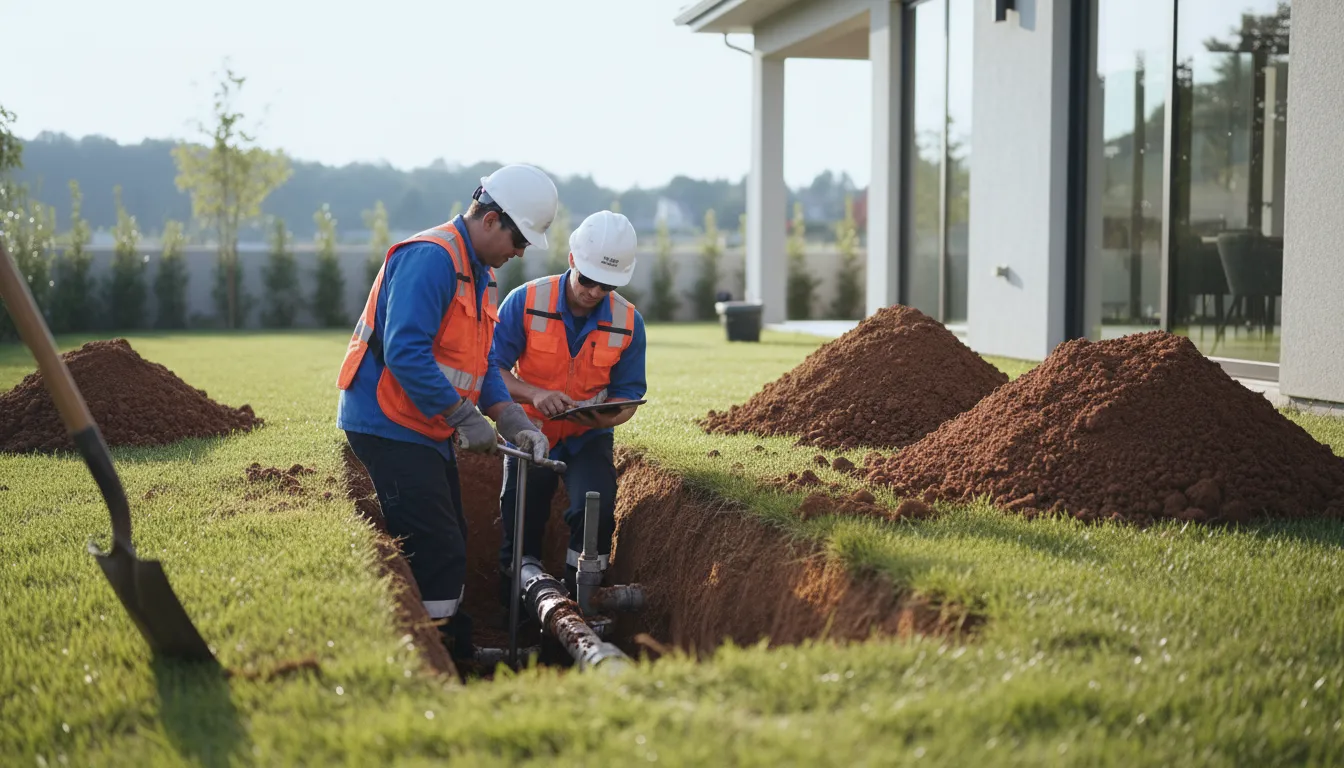
Find the Best Septic System Repair Companies for Your Business
No obligation • Fast responses • Nationwide coverage

Why you can trust Septic Spot
Septic Spot is a leading United States resource for understanding and comparing septic services. Our editors review providers using consistent criteria and verify key business details. Listings and scores are independent, and companies cannot pay to influence our content.
Search providers near you
Top Septic System Repair Companies in South Bend, Indiana Ranked
A failing septic system is a serious issue for any homeowner, posing risks to your property, health, and the local environment. In South Bend and St. Joseph County, all septic system repairs are strictly regulated by the St. Joseph County Department of Health (SCDOH) to protect groundwater and public safety. This means any repair work, from minor fixes to major replacements, must follow a specific permitting process and be completed by a registered contractor. This resource helps you understand the local requirements, common types of repairs, and the steps involved in getting your system back to proper function with a qualified professional.
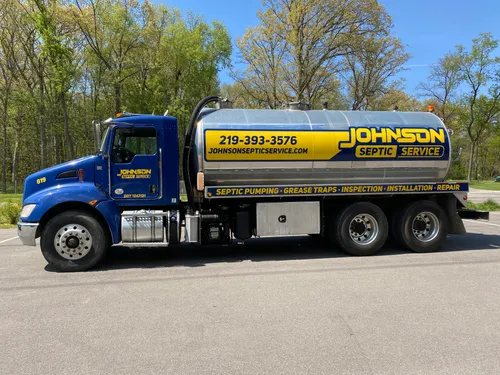
Johnson Septic Service
7523 S 1st Line Rd, Kingsbury, IN 46345
Johnson Septic Service provides septic tank pumping, inspection, repair, and installation services in Chicago, IL. They also offer grease trap pumping and use Bio-Tabs as part of their service options. The company serves the northwest Indiana area with a focus on quality septic system maintenance and repair.
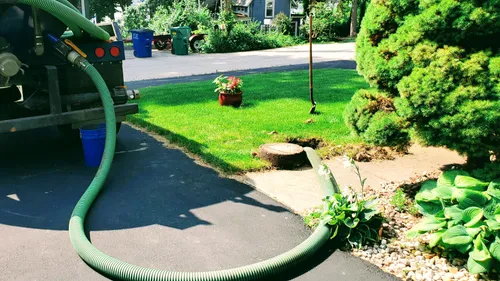
Dogtag Septic Sevices LLC
2714 Nowak Dr, La Porte, IN 46350
Dogtag Septic Services LLC is a family-owned company based near Chicago, IL, specializing in septic tank inspections and small repairs. They are certified through I.O.W.P.A and NAWT to perform septic inspections required for home title transfers and ensure systems meet code standards. The company focuses on educating customers about proper septic maintenance and providing knowledgeable service.
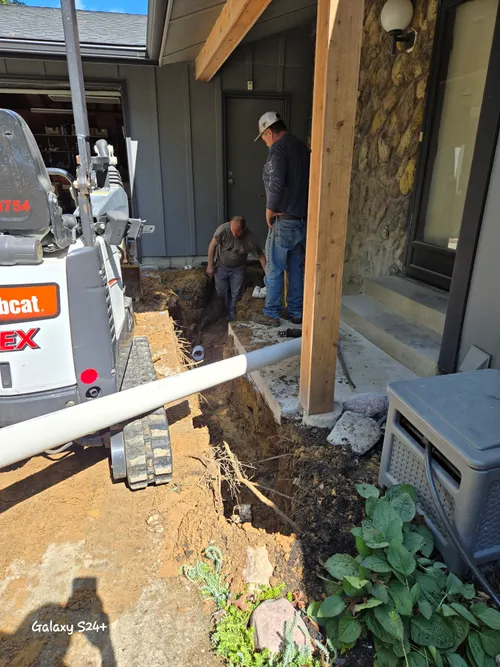
K-Fex Inc.
5885 N 800 E, New Carlisle, IN 46552
K-Fex Inc. provides septic tank pumping, inspection, repair, and installation services in Chicago, IL. They also handle drain field repair and replacement. The company offers excavation services and has a full-time office staff available during regular business hours. One notable capability is their service to locate and dig up septic tank lids when needed. K-Fex Inc. supports clients through the entire septic system process, including soil testing and health department coordination for system replacements.
Understanding St. Joseph County's Septic Repair Regulations
The St. Joseph County Department of Health (SCDOH) Environmental Health Division is the governing authority for all on-site sewage systems. Their primary goal is to prevent contamination of groundwater, which is a critical concern for community health. Consequently, a permit is mandatory for any septic system installation, replacement, or repair. This is not a mere formality; it's a legal requirement designed to ensure all work meets current health and safety standards.
The county maintains septic system records dating back to 1970, which can be invaluable for understanding your property's existing setup 1. One crucial rule to be aware of is the "reasonable distance" clause: if a municipal sanitary sewer line is available within a reasonable distance of your property, connection to that public sewer is mandatory. In such cases, the health department may not permit repairs to a private septic system at all 2. Always check with the SCDOH to understand the specific requirements for your address before planning any corrective work.
The Mandatory Repair Permit Process
Navigating the permit process is the first and most critical step for any septic system fix. Here is a typical sequence of events:
- Initial Contact and Permit Application: The process often begins when a licensed contractor assesses your system. For any repair or alteration, a non-refundable permit must be obtained from the SCDOH. The contractor typically handles the application, which includes submitting details about the proposed repair.
- Soil Evaluation (If Required): If the repairs involve enlarging or replacing the absorption field (drain field), a certified soil scientist must evaluate the site. This evaluation requires a minimum of three soil borings to determine the soil's suitability and design capacity for wastewater treatment.
- Design Submission and Approval: The licensed contractor will prepare and submit a repair design based on the site evaluation and health code requirements. This design must be approved by the SCDOH before any work can commence.
- Scheduling Inspections: The contractor is responsible for calling the SCDOH at (574) 235-9750 at least 24 hours before an inspection is needed. Inspections are required at key stages, particularly before the repaired components are covered with soil 3.
- Final Inspection and Approval: A health department inspector will visit the site to verify the work matches the approved design. The system must remain uncovered until it passes inspection. If a contractor covers it prematurely, they are required to re-excavate it for the inspector, causing delays and additional costs.
Common Types of Septic Repairs in South Bend
Septic system issues can range from simple maintenance oversights to complete component failure. Understanding the common repairs helps in discussing problems with a contractor.
- Baffle Repair or Replacement: The inlet and outlet baffles inside your septic tank are crucial for preventing scum and solids from flowing into the drain field. When these break or deteriorate, they must be replaced to restore proper tank function.
- Riser Installation: Older systems often have buried tank lids, making routine pumping and inspection difficult and costly. Installing access risers to the surface is a common and highly recommended upgrade for easier, more affordable future maintenance.
- Pump and Alarm System Repair: For systems with a pump to move effluent to a drain field in a higher elevation, the pump, float switches, and alarm panel are vital. These components should be inspected annually and repaired or replaced as needed to prevent backups 4.
- Soil Fracturing or Rejuvenation: Sometimes, a drain field fails because the soil around the perforated pipes has become clogged with biomat. Soil fracturing is a technique that uses compressed air to create cracks in the soil, potentially restoring drainage without a full field replacement 5 6.
- Drain Field Extension or Replacement: When an absorption field is permanently saturated, clogged, or physically damaged, it can no longer treat wastewater. This often requires a full replacement or a significant extension, which is the most extensive and costly type of septic repair 7 8.
Find the perfect septic system repair companies for your needs
Get personalized recommendations and expert advice
Working with Licensed Septic Contractors
In St. Joseph County, you cannot legally hire just any excavator or plumber for septic work. All contractors performing septic system installation, repair, or pumping must be registered with the St. Joseph County Department of Health, and they must have a licensed installer physically on-site during all work 9. This regulation is your assurance that the professional understands local codes and procedures.
When contacting contractors, verify their county registration and ask for proof of insurance. A reputable contractor will be familiar with the SCDOH permit process, soil scientist requirements, and inspection scheduling. They should provide a detailed written estimate that outlines the scope of repair, the materials to be used, and a timeline that accounts for permit approvals and inspections.
Costs Associated with Septic Repairs
Costs for septic system fixes in the South Bend area vary widely based on the repair's complexity. It's important to budget for both the repair work itself and the required permits.
- Permit Fees: The St. Joseph County Department of Health charges a non-refundable repair permit fee of approximately $100. For comparison, a permit for a completely new or replacement system is $275 10. Note that the department does not accept personal checks for payment 10.
- Minor Repairs: Simple jobs like replacing baffles or installing risers may start in the low hundreds of dollars.
- Pumping/Cleaning: While not always a "repair," necessary pumping to resolve an issue typically costs between $289 and $557, with an average around $423 11 12.
- Major Repairs: Significant work like pump replacement, soil fracturing, or partial drain field repairs can cost several thousand dollars. A complete drain field replacement is the most expensive undertaking, often costing $10,000 or more, depending on the system size and site conditions.
The St. Joseph County Department of Health: Your Resource
For official information, forms, and to check contractor registration, the St. Joseph County Department of Health is your primary point of contact.
St. Joseph County Department of Health
Environmental Health Division
227 W. Jefferson Blvd., 9th Floor
South Bend, IN 46601-1870
Phone: (574) 235-9721
Their website, accessible via the Indiana state portal (IN.gov), provides essential documents, including the residential permit procedures and the county septic ordinance 13. Proactive communication with their office can clarify requirements and help ensure your repair project proceeds smoothly and legally.
Frequently asked questions
Sources
Footnotes
-
Indiana Septic Tank Requirements | On-Site Sewage Systems - https://www.ntotank.com/blog/indiana-septic-tank-requirements ↩
-
Water & sewer - St. Joseph County, IN - https://www.sjcindiana.gov/DocumentCenter/View/37200/Carriage-HIlls-Connection-Information---May-2020?bidId= ↩
-
St. Joseph County Department of Health - https://www.in.gov/localhealth/stjosephcounty/files/Residential-Permit-Procedures-and-Costs.pdf ↩
-
Homeowner's Guide to Septic Systems - http://indiana.clearchoicescleanwater.org/resources/epa-homeowners-guide-to-septic-systems/ ↩
-
Septic Services - South Bend, IN | Quick Fix Septic - https://www.septicservicesouthbend.com/ ↩
-
Septic System Booklet (PDF) - Adams County, IN - https://www.co.adams.in.us/DocumentCenter/View/1769/Septic-System-Booklet-PDF ↩
-
St. Joseph County: Septic Systems - IN.gov - https://www.in.gov/localhealth/stjosephcounty/environmental-health/septic-systems/ ↩
-
Septic Services South Bend - https://www.southbendsepticservice.com/services.html ↩
-
Requirements - St. Joseph County Department of Health - https://www.in.gov/localhealth/stjosephcounty/files/Requirements-for-Contractor-Registration-12.26.23.pdf ↩
-
St. Joseph County Department of Health - IN.gov - https://www.in.gov/localhealth/stjosephcounty/files/Residential-Permit-Procedures-and-Costs_4.pdf ↩ ↩2
-
RESIDENTIAL ONSITE SEPTIC PERMIT PROCESS - https://rushcounty.in.gov/wp-content/uploads/2021/07/RESIDENTIAL-ONSITE-SEPTIC-PERMIT-PROCESS-1.pdf ↩
-
Septic Tank Pumping Cost: Guide & Pricing in 2025 - Splash Plumbing - https://www.splashplumbing.com/how-much-does-it-cost-to-pump-septic-tank-understanding-pricing-and-factors-involved/ ↩
-
SEWAGE AND SEPTIC SYSTEMS REGULATIONS - IN.gov - https://www.in.gov/localhealth/stjosephcounty/files/County-Code-Septic-Ordinance.pdf ↩