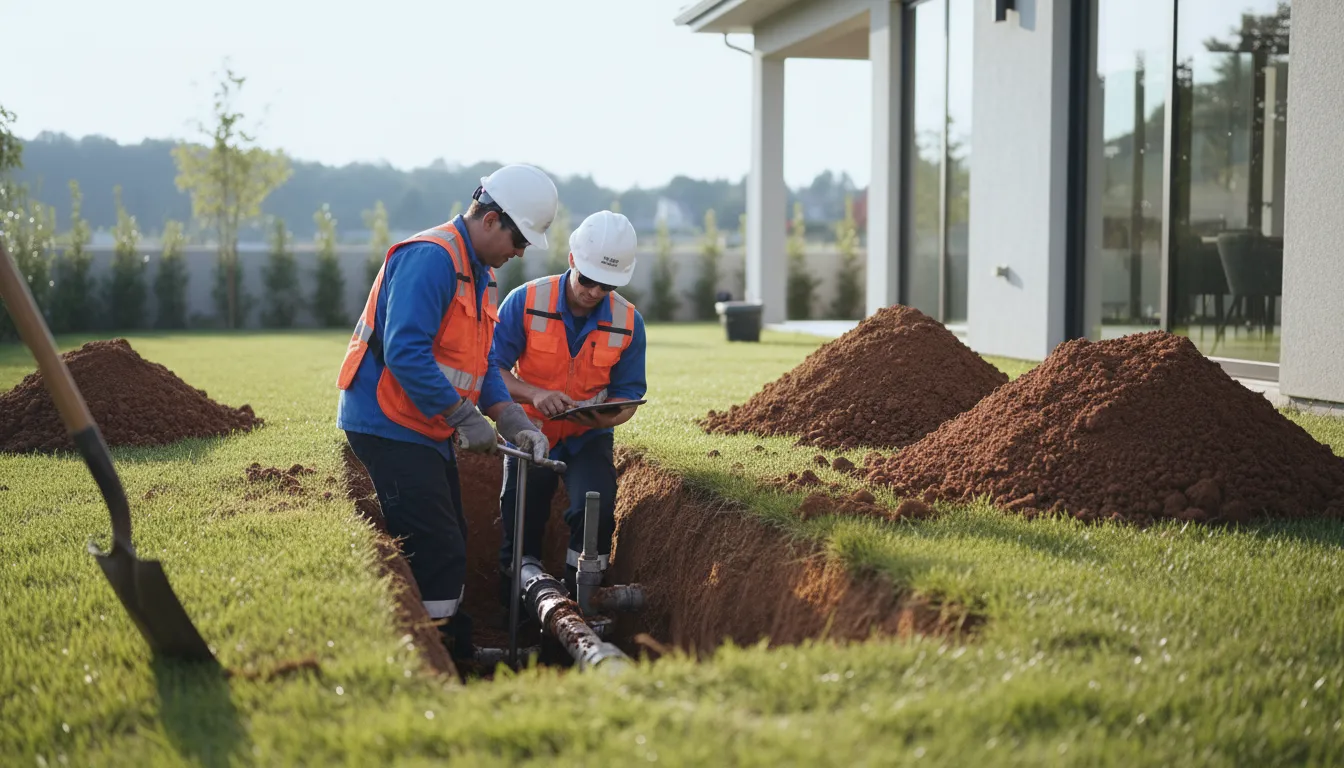
Find the Best Septic System Repair Companies for Your Business
No obligation • Fast responses • Nationwide coverage

Why you can trust Septic Spot
Septic Spot is a leading United States resource for understanding and comparing septic services. Our editors review providers using consistent criteria and verify key business details. Listings and scores are independent, and companies cannot pay to influence our content.
Search providers near you
Top Septic System Repair Companies in Lawrence, Kansas Ranked
When your home's wastewater system shows signs of trouble, timely and proper septic system repair is essential to protect your property, your family's health, and the local environment. In Lawrence and Douglas County, all septic work is strictly regulated by the Lawrence-Douglas County Health Department (LDCHD) to safeguard the region's groundwater. This guide explains the local requirements, common repair types, and the process for getting professional help to fix your system, ensuring you can navigate the necessary steps with confidence.
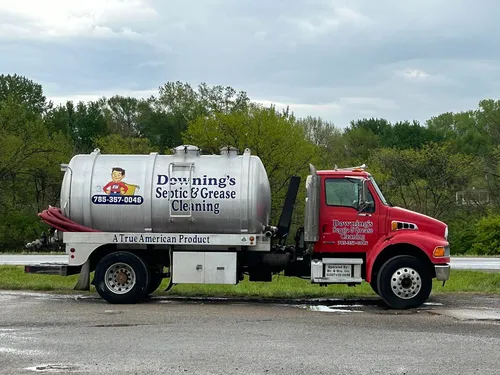
Downing Septic Tank Cleaning
2611 SW 17th St #105, Topeka, KS 66604
Downing Septic Tank Cleaning is a licensed and insured company serving Topeka, KS, and the surrounding northeast Kansas area, including Kansas City and Lawrence. With over 20 years of experience, they provide septic tank installation, pumping, and cleaning services for residential, commercial, and industrial clients. Their expertise includes inspection and repair of lateral fields, grease trap installation and cleaning, and holding tank pumping. The company offers 24/7 service, ensuring support for clients any day of the year.
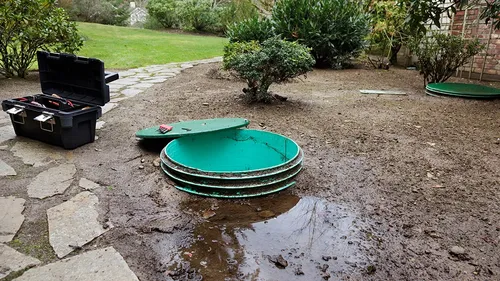
Digger Jim
Kansas City, MO
Digger Jim is a family-owned septic service provider based in Kansas City, MO, serving Leavenworth and Wyandotte counties. With over 35 years of experience, they offer a range of services including septic tank pumping, inspection, repair, installation, and pre-installation evaluations. Their skilled team is fully licensed and insured, focusing on maintaining system efficiency and compliance with local regulations. Digger Jim also provides septic inspections for real estate transactions to support informed decisions.
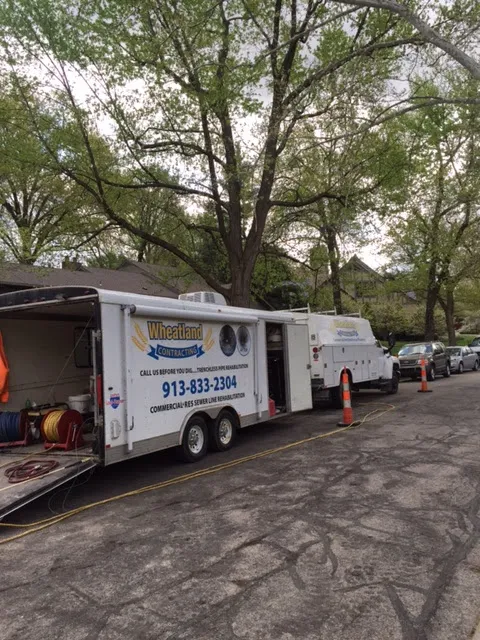
Wheatland Contracting
Topeka, KS
Wheatland Contracting provides a range of plumbing and septic services in Topeka, KS, including septic tank pumping, inspections, repairs, and full system installations. They handle both residential and commercial projects, offering solutions from underground rough-in to final fixture installation. Their capabilities include sewer line repairs through a single access point to minimize disruption and professional drain clearing using camera inspections and hydro-jetting. The company serves both homeowners and contractors with tailored plumbing and septic system services.
Understanding Local Septic Repair Regulations
Before any work begins, it's crucial to understand the local rules. The LDCHD mandates that all repairs, alterations, or replacements to an onsite wastewater system require a permit and a final inspection before the work can be covered with soil. This regulatory framework is designed to prevent contamination and ensure repairs meet state and county health standards.
A key rule is that repairs must be performed by a licensed septic system installer. The LDCHD maintains an official list of these professionals, and hiring from this list is not just a recommendation-it's a requirement for permitted work. Furthermore, systems must adhere to specific separation distances; for example, septic tanks must be at least 10 feet from any building and 50 feet from water sources like wells or streams 1 2.
When Do You Need Septic Repairs?
Recognizing the signs of a failing system can help you address problems before they become emergencies. Common indicators include:
- Slow-draining sinks, tubs, or toilets.
- Gurgling sounds in your plumbing.
- Sewage odors in your yard or home.
- Soggy, bright green grass or standing water over the drain field.
- Sewage backing up into the home.
If you notice any of these issues, it's time to contact a licensed professional for an assessment. Ignoring problems can lead to more extensive damage, environmental hazards, and significantly higher repair costs.
Types of Septic System Repairs and Solutions
Repairs range from minor fixes to major system overhauls. The solution depends on the problem's location and severity.
Minor Repairs
These address components that are accessible and not part of the main tank or soil treatment area. They often include:
- Pipe Repairs: Fixing broken or clogged pipes between the house and the tank or from the tank to the drain field.
- Baffle or Tee Repairs: Replacing inlet or outlet baffles that have deteriorated, which is crucial for preventing solids from escaping into the drain field.
- Riser Installation: Adding risers to bring tank access lids to the surface for much easier future pumping and inspection.
While minor, these repairs still typically require a licensed contractor and must be inspected by the LDCHD before being covered.
Major Repairs and System Replacement
When the tank itself or the soil treatment area (lateral field) fails, more comprehensive work is needed.
- Tank Replacement: Concrete tanks can crack or deteriorate over time. Replacement tanks must meet minimum size requirements (e.g., 1,000 gallons for a three-bedroom home) 3.
- Drain Field Rehabilitation or Replacement: If the soil absorption area is saturated or clogged, options include installing a new conventional field, adding a wastewater pond (where space and soil allow), or using advanced treatment technologies 4.
- System Upgrades: Adding an effluent filter to the tank outlet can be a critical repair that protects the drain field from solids and extends its life.
For major work, a site evaluation by a registered soil scientist is often required to design a new system that is appropriate for your property's specific conditions 5.
Find the perfect septic system repair companies for your needs
Get personalized recommendations and expert advice
The Step-by-Step Repair Process in Douglas County
Navigating a septic repair project involves a clear sequence of steps to ensure compliance.
- Contact a Licensed Contractor: Your first step is to hire a professional from the LDCHD's official list of licensed installers 6. They will diagnose the problem and propose a solution.
- Submit a Permit Application: Your contractor (or you, as the homeowner) will submit the repair plans and a permit application to the LDCHD for review. No work should start until the permit is approved 7.
- Pre-Construction Inspection: In some cases, an LDCHD inspector may visit the site to review the proposed repair plan before excavation begins.
- Perform the Repair: The licensed contractor completes the approved repair work.
- Final Inspection: This is the most critical step. The LDCHD must inspect the completed repair before it is covered with soil 8. Once the inspector approves the work, you receive a final approval, and the contractor can backfill the excavation.
Costs, Fees, and Financial Assistance
The cost of septic system repair in Lawrence varies widely based on the job's scope. A simple pipe repair costs far less than a full drain field replacement. In addition to contractor fees, the LDCHD charges fees for permits and required inspections 9.
For homeowners facing financial hardship, the LDCHD offers a Septic System Repair/Replacement Program for households that meet specific income restrictions. This program can provide vital financial assistance to address failing systems that pose a public health risk.
Proactive Maintenance Prevents Costly Repairs
The best "repair" is often prevention. The LDCHD requires septic systems to be inspected every four years 10. Regular pumping-typically recommended when sludge and scum fill more than 25% of the tank-is the single most important maintenance task to prevent drain field failure and avoid emergency repairs 11. Keeping detailed records of all inspections, pumping, and repairs is also beneficial for both maintenance and if you sell your home.
For official information and the list of licensed installers, contact the Lawrence-Douglas County Health Department (LDCHD) at 785-843-3060 or visit their office at 200 Maine Street, Suite B, Lawrence, KS 66044 12.
Frequently asked questions
Sources
Footnotes
-
Septic - Lawrence County Health Department - https://www.lawrencecohealth.com/septic ↩
-
Kansas Septic Tank Requirements | Guide to Installation and ... - https://www.ntotank.com/blog/kansas-septic-tank-requirements ↩
-
SEPTIC TANKS - KDHE - https://www.kdhe.ks.gov/DocumentCenter/View/8966/Septic-Tanks-PDF ↩
-
Bulletin 4-2, March 1997 - KDHE - https://www.kdhe.ks.gov/DocumentCenter/View/8770/Bulletin-4-2-Minimum-Standards-for-Design-and-Construction-of-Onsite-Wastewater-Systems-PDF ↩
-
KDHE Minimum Standards of Wastewater Systems - https://www.allencounty.org/pdf_doc/2025%20MINIMUM%20STANDARDS%20FOR%20SEPTIC%20SYSTEMS%202025.pdf ↩
-
Douglas County Licensed Septic System Installers - https://ldchealth.org/DocumentCenter/View/638/Licensed-Septic-Installers-PDF ↩
-
CHAPTER 3. BUILDING AND HOUSING - Douglas County KS - https://www.dgcoks.gov/sites/default/files/media/depts/administration/pdf/county-code-chapter-3-building-and-housing.pdf ↩
-
Septic System Repair | Lawrence, KS - Bohmann Excavating Inc - http://www.bohmannexcavating.com/septic-systems/4083199 ↩
-
Septic Systems | LDC Public Health, KS - Official Website - https://ldchealth.org/540/Septic-Systems ↩
-
Septic System FAQs - Douglas County - https://www.douglas.co.us/health-department/septic-system-faqs/ ↩
-
Why Maintain Your Septic System | US EPA - https://www.epa.gov/septic/why-maintain-your-septic-system ↩
-
commercial or non-residential structure building permit requirements ... - https://www.dgcoks.gov/sites/default/files/media/depts/zoning-and-codes/pdf/buildingpermitcommnonres.pdf ↩