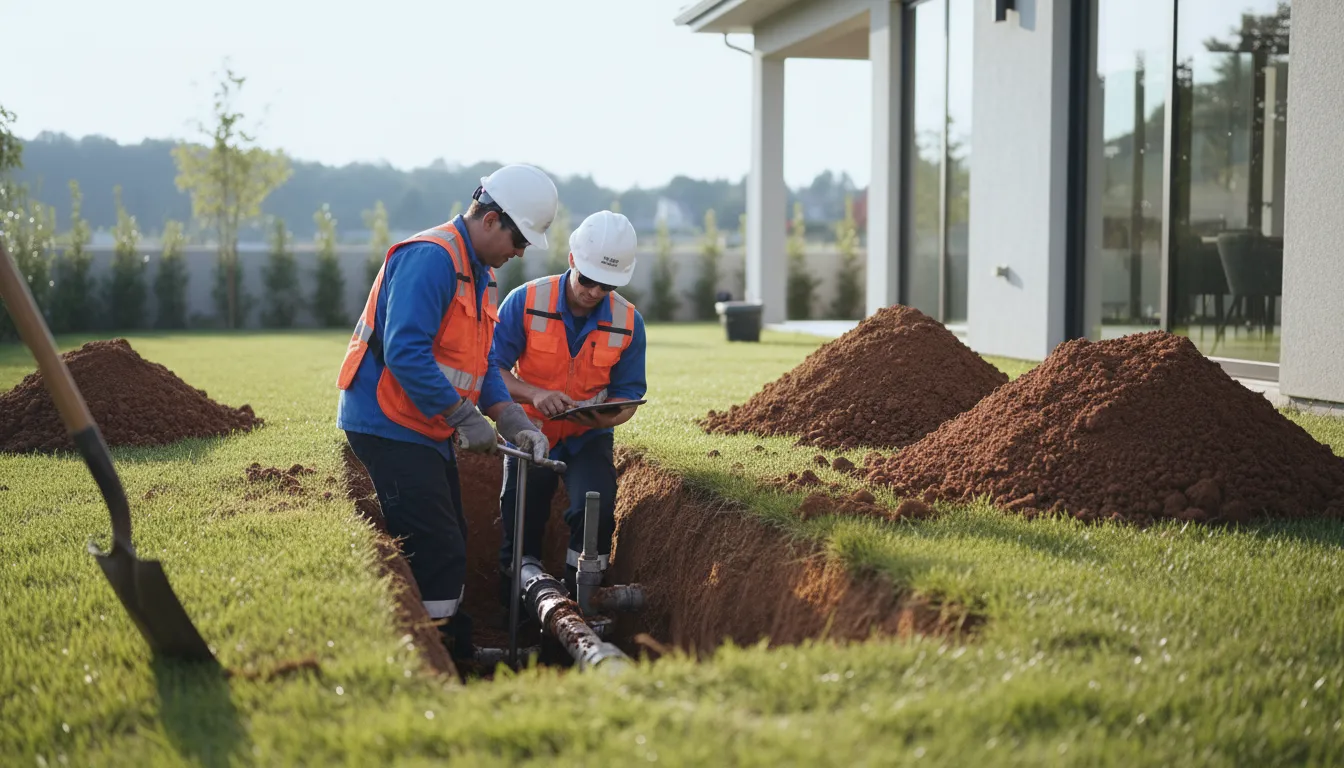
Find the Best Septic System Repair Companies for Your Business
No obligation • Fast responses • Nationwide coverage

Why you can trust Septic Spot
Septic Spot is a leading United States resource for understanding and comparing septic services. Our editors review providers using consistent criteria and verify key business details. Listings and scores are independent, and companies cannot pay to influence our content.
Search providers near you
Top Septic System Repair Companies in Olathe, Kansas Ranked
Maintaining a functional septic system is a critical responsibility for homeowners in Olathe. When issues arise, timely and professional septic system repair is essential to protect your property, your health, and the local environment. This guide explains the common types of septic repairs, the local regulatory process, and how you can connect with qualified, licensed professionals in the Olathe area to ensure your system is fixed correctly and complies with all Johnson County requirements.
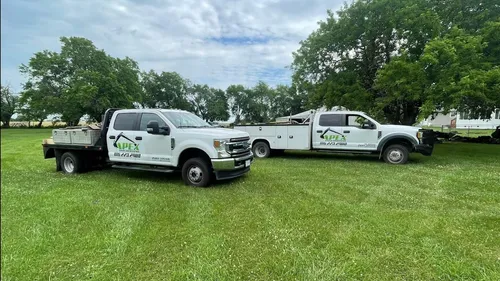
Apex Underground - Sewer & Septic
1006 W Foxwood Dr, Raymore, MO 64083
Apex Underground - Sewer & Septic is a septic system repair and installation company serving Kansas City, MO, and surrounding areas. With over 25 years of experience, they provide commercial and residential septic, sewer, and underground utility services including soil morphology, engineered septic system designs, repairs, and tank replacements. Their licensed team handles complex installations and emergency repairs to maintain the reliability and structural integrity of septic and sewer systems.
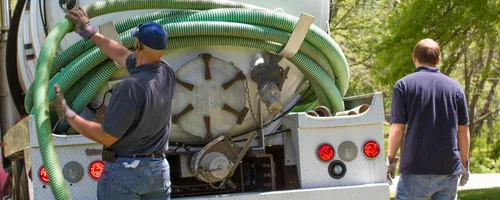
Honey-Wagon Septic And Grease
19546 Metcalf Ave c, Stilwell, KS 66085
Honey-Wagon Septic And Grease is a family-owned company based near Kansas City, MO, specializing in septic tank pumping, grease trap cleaning, and septic system repairs. With nearly 40 years of experience, they serve both residential and commercial customers across Miami, Wyandotte, and Johnson counties in Kansas, as well as Jackson and Cass counties in Missouri. Their certified septic inspectors are available five days a week to assist with inspections and maintenance. The company is fully licensed, bonded, and insured, offering services such as septic tank pumping, holding tank pumping, septic system repairs, and installation of septic risers.
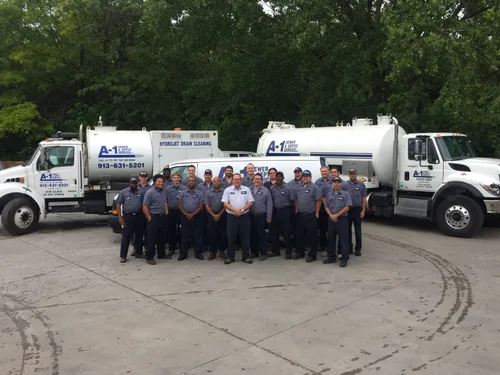
A-1 Sewer & Septic
1891 Merriam Ln, Kansas City, KS 66106
A-1 Sewer & Septic provides plumbing and septic system services in Kansas City, MO. They offer septic tank pumping, septic system repair, drain field repair, and comprehensive drain cleaning services including hydro jetting. Serving residential, commercial, and industrial clients, A-1 Sewer & Septic has been operating since 1968. The company offers same-day emergency and weekend services to address urgent plumbing and septic issues promptly.

Zoom Drain KC
5600 N Antioch Rd Suite 106, Kansas City, MO 64119
Zoom Drain KC is a drain and sewer service company located in Kansas City, MO. They specialize in residential and commercial drain cleaning, sewer repairs, septic tank pumping, and inspections. The company uses advanced equipment such as video inspection tools and high-pressure jetting to diagnose and clear blockages efficiently. With decades of experience, Zoom Drain KC offers tailored maintenance plans and complies with local plumbing regulations to ensure safe and effective service. They also provide 24/7 emergency drain and rooter services for urgent plumbing needs.
Septic Kings
Kansas City, MO
Septic Kings is a family-owned septic tank service company based in Kansas City, MO. They offer comprehensive septic system maintenance, inspections, repairs, locating, and cleaning services. Their team uses advanced technology such as Wi-Fi pipe cameras to inspect and map septic systems, ensuring thorough diagnostics and effective repairs. Septic Kings serves a wide area including multiple cities in Missouri and Kansas. The company emphasizes clear communication, transparent quoting, and final system testing to confirm proper operation after service. They also provide ongoing maintenance advice tailored to local conditions.
Understanding Your Septic System and Common Failures
A residential septic system is a private wastewater treatment plant. It consists of a tank, where solids settle and begin to decompose, and a drain field (or leach field), where the treated liquid effluent is dispersed into the soil. When any component fails, it can lead to sewage backups, foul odors, soggy yards, and contamination of groundwater. In Olathe, common signs you need septic service include slow drains, gurgling pipes, sewage odors indoors or outdoors, and unusually lush, wet patches in your yard above the drain field.
Failures often stem from age, lack of maintenance, or physical damage. The most frequent repairs needed in our area involve the system's mechanical and distribution components. Recognizing these issues early can prevent a minor fix from turning into a costly, full-system replacement.
Types of Septic Repairs in Johnson County
Professional septic contractors in Olathe handle a wide range of corrective services. The scope of work can vary from simple access improvements to major excavation.
Riser Addition or Replacement: Many older tanks are buried deep underground. Installing new risers (concrete or plastic tubes that extend from the tank lids to the surface) is a common and valuable repair. It provides safe, easy access for future pumping and inspection, saving time and money on service calls.
Pipe and Baffle Repair: The inlet and outlet pipes, as well as the baffles inside the tank, are crucial for controlling flow and preventing scum and sludge from escaping into the drain field. These components can crack or deteriorate over time and require replacement by a specialist.
Distribution Box Repair: This small box, often called a D-box, evenly distributes effluent from the septic tank to the network of pipes in the drain field. If it becomes clogged, cracked, or tilted, it can cause uneven drainage and field failure. Repairing or replacing the distribution box is a standard procedure for restoring proper function.
Drain Field Rehabilitation or Replacement: This is the most significant and expensive type of repair. If the soil in the lateral field has become clogged (a condition called "biomat" buildup) or the pipes have collapsed, the field may fail. Sometimes, specialized cleaning can rehabilitate it. Often, a new drain field must be installed in a different location on the property, which requires new permits, soil testing, and significant excavation.
The Johnson County Regulatory Process for Repairs
All septic system repair and replacement work in Olathe is regulated by the Johnson County Department of Health and Environment (JCDHE). Understanding this process is non-negotiable for homeowners.
Permits and Licensing: Before any repair begins, a permit must be obtained from JCDHE. Crucially, all work must be performed by a state-licensed Sanitary Disposal Contractor 1. Hiring an unlicensed individual can result in improper work, voided permits, and fines.
Soil Evaluation for Failing Systems: If your system has completely failed, JCDHE will require a soil profile analysis (also called a percolation or "perc" test) conducted by a licensed site evaluator. This test determines the absorption capacity of your soil and dictates the design of any replacement system.
Mandatory Inspections: The county mandates specific inspections throughout the repair or installation process. A final construction inspection is required before the new components are covered, followed by a final grade inspection once the work is complete and the land is restored. Passing these inspections is essential for closing out your permit.
Property Sale Inspections: It's important to note that a resale inspection is required within 60 days of transferring a property with a septic system in Johnson County 2. Many repair projects are initiated to ensure a system passes this mandatory inspection, which covers tank condition, sludge levels, and drain field function.
System Setbacks: All septic system components, including tanks and drain fields, must be located at least 10 feet from any building foundation according to local codes 3. This is a key factor during repair or replacement planning.
Find the perfect septic system repair companies for your needs
Get personalized recommendations and expert advice
What to Expect During a Professional Repair Assessment
When you contact a licensed professional for a suspected problem, they will follow a systematic process to diagnose the issue.
- Locate and Pump: The technician will first locate your tank and access ports. They will then pump out the tank. This is necessary to safely and thoroughly inspect the tank's interior structure, baffles, and outlet condition.
- Comprehensive Inspection: With the tank empty, the inspector checks for cracks, root intrusion, and the structural integrity of concrete or fiberglass tanks. They also assess the sludge and scum layers to determine if routine pumping could have prevented the issue 4.
- Drain Field Evaluation: The professional will examine the distribution box and the drain field area for signs of failure, such as effluent surfacing, soggy soil, or unpleasant odors.
- Diagnosis and Report: A reputable contractor will provide a clear, written report detailing their findings, whether the system passes or fails inspection, and a recommended course of action for any necessary septic tank repairs or system modifications 5.
Understanding the Costs of Septic Repairs
The cost for septic system work in Olathe varies widely based on the repair's complexity. It's wise to get detailed estimates from multiple licensed contractors.
- Permit and Inspection Fees: Johnson County charges specific fees for soil profiles, installation/repair permits, and required inspections. The exact current amounts are listed on the official JCDHE Forms and Fees page 6.
- Pumping and Inspection: A standard pumping combined with a basic inspection typically ranges from $300 to $600 or more, depending on tank size and accessibility 7.
- Minor Repairs: Installing access risers or repairing a baffle often costs in the low hundreds of dollars. Repairing or replacing a distribution box is a more involved project with a moderate cost 8.
- Major Repairs/Full Replacement: If the drain field has failed and a new system is required, costs can rise dramatically. A complete conventional system replacement can easily exceed $10,000, with more complex aerobic or engineered systems costing significantly more 9 10. These projects involve heavy machinery, extensive excavation, new components, and rigorous permitting.
Maintaining Your System to Avoid Future Repairs
The best repair is the one you never need. Proactive maintenance is the most cost-effective strategy for Olathe homeowners.
- Pump Regularly: Have your tank pumped every 3-5 years by a licensed professional.
- Conserve Water: Reduce strain on your system by fixing leaks and spreading out laundry loads.
- Mind What You Flush: Never flush anything besides human waste and toilet paper. Avoid grease, chemicals, wipes, and feminine hygiene products.
- Protect the Drain Field: Never drive or park vehicles over it, and avoid planting trees with deep roots nearby.
By understanding the repair process, local regulations, and the importance of licensed professionals, you can make informed decisions to address septic issues effectively. Taking swift, compliant action protects your investment and your community's health.
Frequently asked questions
Sources
Footnotes
-
Residential Systems | Johnson County Kansas - https://www.jocogov.org/department/environment/septic-systems/residential-systems ↩
-
Resales | Johnson County Kansas - https://www.jocogov.org/department/environment/septic-systems/resales ↩
-
Kansas Septic Tank Requirements | Guide to Installation and Compliance - https://www.ntotank.com/blog/kansas-septic-tank-requirements ↩
-
Septic Systems | Johnson County Kansas - https://www.jocogov.org/department/environment/septic-systems ↩
-
How to Get Septic to Pass Inspection - https://www.guardianangelinspections.com/how-to-get-septic-to-pass-inspection ↩
-
Failing Systems - Johnson County Kansas - https://www.jocogov.org/department/environment/septic-systems/failing-systems ↩
-
Septic System Inspections: A Step-by-Step How-To Guide - https://westcoastsanitationinc.com/septic-inspection-service/ ↩
-
Septic System Repairs and Modifications in Olathe, KS | SewerMan - https://sewerman.com/olathe-ks/services/pipe-repairs/ ↩
-
New Septic System Regulations in Kansas/Missouri - https://www.honey-wagonkc.com/blog/posts/new-septic-system-regulations.html ↩
-
Stay Compliant: Avoid Fines with Septic System Regulations - https://smartsepticpros.com/blog/septic-system-regulations/ ↩