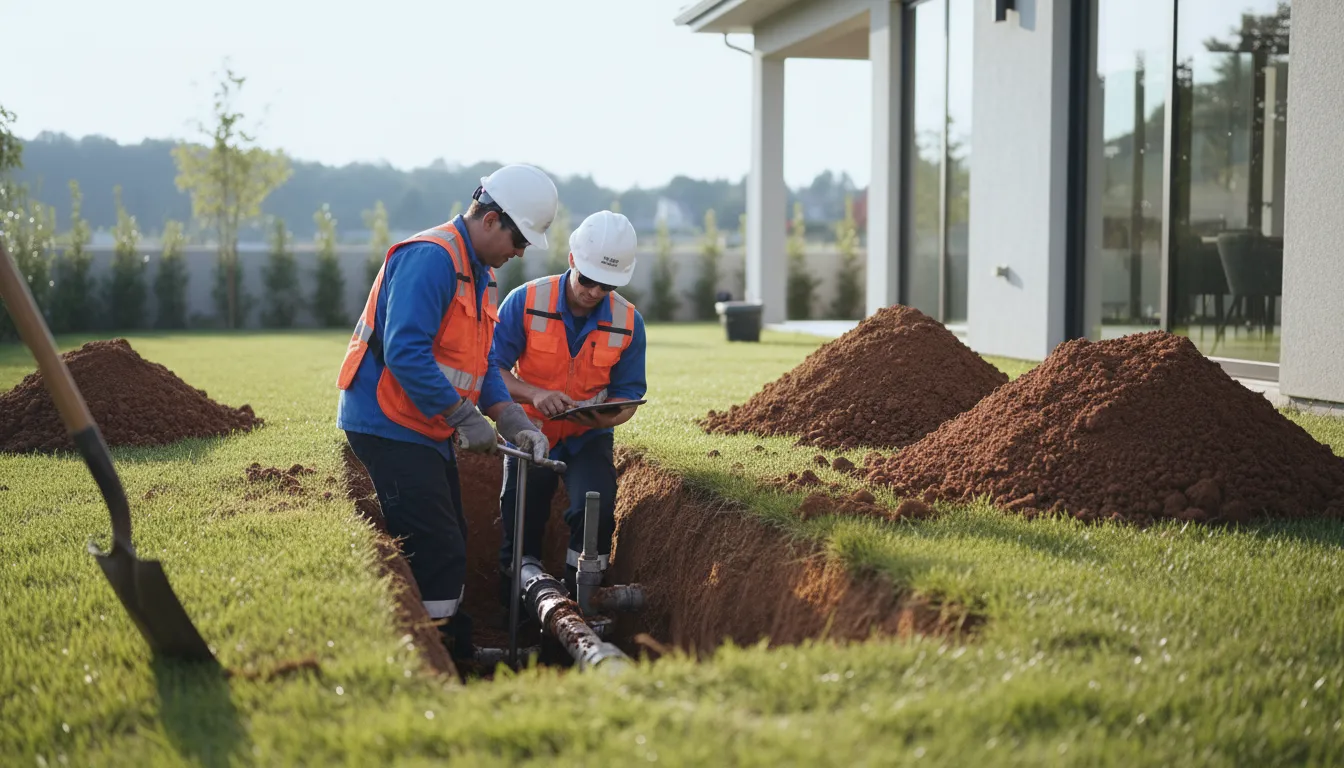
Find the Best Septic System Repair Companies for Your Business
No obligation • Fast responses • Nationwide coverage

Why you can trust Septic Spot
Septic Spot is a leading United States resource for understanding and comparing septic services. Our editors review providers using consistent criteria and verify key business details. Listings and scores are independent, and companies cannot pay to influence our content.
Search providers near you
Top Septic System Repair Companies in Shawnee, Kansas Ranked
A failing septic system is more than an inconvenience; it's a public health and environmental concern that requires immediate, professional attention. Septic system repair involves diagnosing and fixing issues with your private sewage treatment system, from the tank to the drain field. In Shawnee, this work is strictly regulated by Johnson County to protect groundwater and property. This guide explains the local repair process, regulations, and typical solutions to help you understand your options and connect with qualified, licensed professionals in your area.
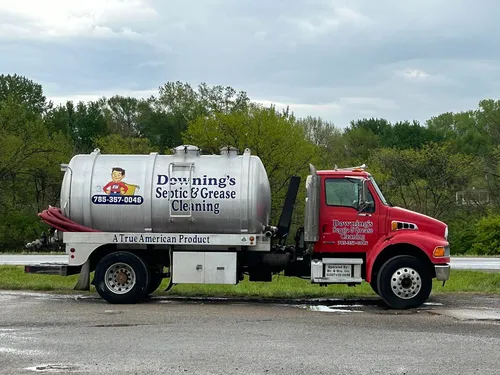
Downing Septic Tank Cleaning
2611 SW 17th St #105, Topeka, KS 66604
Downing Septic Tank Cleaning is a licensed and insured company serving Topeka, KS, and the surrounding northeast Kansas area, including Kansas City and Lawrence. With over 20 years of experience, they provide septic tank installation, pumping, and cleaning services for residential, commercial, and industrial clients. Their expertise includes inspection and repair of lateral fields, grease trap installation and cleaning, and holding tank pumping. The company offers 24/7 service, ensuring support for clients any day of the year.
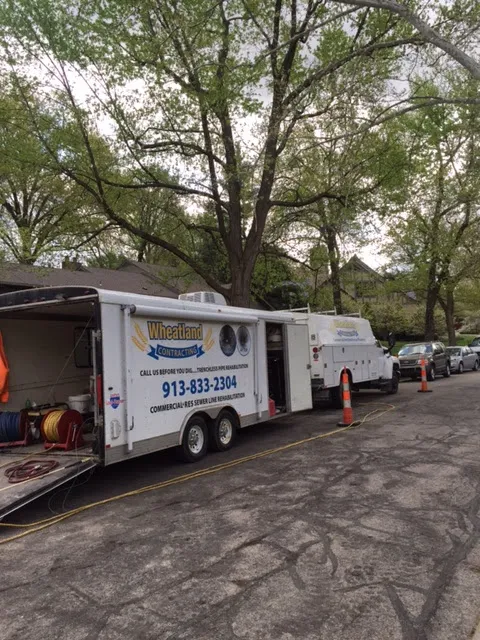
Wheatland Contracting
Topeka, KS
Wheatland Contracting provides a range of plumbing and septic services in Topeka, KS, including septic tank pumping, inspections, repairs, and full system installations. They handle both residential and commercial projects, offering solutions from underground rough-in to final fixture installation. Their capabilities include sewer line repairs through a single access point to minimize disruption and professional drain clearing using camera inspections and hydro-jetting. The company serves both homeowners and contractors with tailored plumbing and septic system services.
Understanding Septic System Failures
A septic system works by separating solids from wastewater and safely dispersing the treated liquid into the soil. When any component malfunctions, the system can fail. Common signs you might need septic repair services include:
- Sewage backups in household drains or toilets.
- Gurgling sounds in the plumbing.
- Foul odors around the tank or drain field area.
- Lush, green grass or soggy, wet soil over the absorption field, even in dry weather.
- Slow-draining sinks and bathtubs.
In Shawnee, any of these symptoms should prompt a call to a JCDHE-licensed installer for an assessment 1. Ignoring problems can lead to groundwater contamination, property damage, and costly fines from the county.
Johnson County Regulations for Septic Repairs
All septic system maintenance and repair work in Shawnee is governed by the Johnson County Department of Health and Environment (JCDHE). Understanding these rules is the first step in any repair project.
- Permit Required: A permit from JCDHE is mandatory for any repair, replacement, or modification to your private sewage system. This includes everything from replacing a baffle to installing a new drain field. Minor maintenance like pumping does not require a permit, but most corrective work does 2.
- Licensed Installer: All construction, alteration, or repair work must be performed by a contractor who holds a current JCDHE license. It is illegal for an unlicensed person to perform this work 3.
- Soil Evaluation: If the repair involves the disposal field (lateral lines), a new soil profile analysis is typically required. This evaluation determines the soil's absorption capacity and informs the repair design.
- Inspections: A final inspection and approval by a JCDHE environmental health specialist is required before the repaired system can be covered with soil. The county inspector ensures the work matches the permitted design and meets all code requirements.
- Setbacks: Repairs must comply with sanitary codes regarding distances from buildings, property lines, and water sources. For example, systems generally must be at least 10 feet from a building and 50 feet from a water well 4.
Common Types of Septic Repairs in Shawnee
The scope of septic tank and system repair can vary widely based on the diagnosis. Here are the most common repairs performed by local professionals.
1. Tank Repairs and Replacement
The septic tank itself can suffer from structural failure. Common fixes include:
- Tank Component Replacement: Installing new inlet or outlet baffles (which prevent scum and sludge from exiting the tank) or adding risers (which provide easy access from the surface) are common repairs to bring an older system up to code.
- Septic Tank Replacement: If a concrete, fiberglass, or plastic tank is cracked, collapsed, or severely deteriorated, it must be excavated and replaced. This is a major repair that requires heavy equipment and county permitting.
2. Drain Field (Lateral Field) Repairs
This is often the most complex and expensive type of repair.
- Partial Field Repair/Replacement: If only a section of the absorption field is clogged or failing, it may be possible to repair or replace just that portion. This involves excavating the damaged pipes and gravel or chambers and installing new materials.
- Complete Field Replacement: When the entire soil absorption area has failed, a completely new drain field must be installed in a suitable location on the property. This often requires a new soil evaluation and permit.
- System Add-ons: For properties with poor soil, repairs may involve installing an advanced treatment system, such as a sand filter or aerobic treatment unit (ATU), which requires an electrical aerator pump that may also need servicing or replacement 5 6.
3. Line Cleaning and Hydro-Jetting
For minor clogs caused by roots or grease, a process called "rejuvenation" can sometimes be effective. This involves using high-pressure water jetting to scour the interior of the lateral lines, breaking up blockages. This is generally considered a temporary solution if the underlying soil is still functional 7.
Find the perfect septic system repair companies for your needs
Get personalized recommendations and expert advice
The Professional Repair Process: What to Expect
When you hire a licensed professional for residential septic system repairs in Shawnee, they will typically follow a structured process aligned with county requirements.
- Initial Assessment & Diagnosis: The technician will locate your tank and conduct a preliminary inspection for obvious signs of failure, such as surface effluent or odors. They will discuss the system's history with you.
- Tank Access & Pumping: To properly inspect the tank interior, the technician will locate and open the access risers or excavate to the tank lids. The tank is often pumped out at this stage to allow for a full visual inspection of the walls, baffles, and effluent filter.
- Comprehensive Inspection: The installer will check for structural damage, cracks, and the condition of all tank components. They will also assess the drain field area for signs of saturation, hydraulic overloading, or root intrusion 8.
- Permitting & Design: If a repair is needed, the licensed installer will handle the JCDHE permit application, including submitting any required soil evaluation data and a repair design plan.
- Execution of Repair: Once the permit is issued, the contractor will schedule the repair work, which must be performed according to the approved plan.
- Final County Inspection: After the repair is complete but before it is backfilled, the contractor will request a final inspection from a JCDHE environmental health specialist. Only after county approval can the system be covered and put back into service 9 10.
Understanding Repair Costs
The cost for septic system servicing and repair in Shawnee varies significantly based on the problem's severity and the repair's scope. All costs are influenced by the mandatory county permitting and the requirement to use licensed professionals.
- Permit Fees: JCDHE charges fees for repair permits, which vary depending on the project's scope. Current fee schedules are available on the JCDHE website.
- Minor Repairs: Fixing components like baffles or risers or performing hydro-jetting can range from several hundred to a few thousand dollars 11.
- Major Repairs or Partial Replacement: Replacing a septic tank or a section of the drain field is a significant undertaking. Costs often range from $5,000 to $15,000 or more, depending on excavation difficulty and materials 12.
- Complete System Replacement: If the entire system must be relocated or a sophisticated alternative system is required, homeowners should be prepared for costs that can exceed $20,000 13 14.
- Inspection & Engineering Fees: The cost for a professional inspection or a soil evaluation by a licensed engineer is separate from the installation contractor's fees 15.
Important Note for Home Buyers and Sellers: Johnson County requires a System Use Permit for any property with a septic system that changes ownership. This permit must be obtained within 60 days of the sale. Often, a septic inspection is part of this process and may reveal the need for repairs before the sale can be finalized 16.
Maintaining Your System Post-Repair
After investing in a repair, proper maintenance is key to extending your system's life. This includes regular pumping (typically every 3-5 years), conserving water, avoiding flushing harmful chemicals or non-biodegradables, and protecting the drain field from heavy vehicles and deep-rooted plants. A well-maintained system is the best defense against future costly repairs 17 18.
Frequently asked questions
Sources
Footnotes
-
Failing Systems - Johnson County Kansas - https://www.jocogov.org/department/environment/septic-systems/failing-systems ↩
-
Kansas Septic Tank Requirements | Guide to Installation and ... - https://www.ntotank.com/blog/kansas-septic-tank-requirements ↩
-
Pumper Installer Lists - Johnson County Kansas - https://www.jocogov.org/department/environment/septic-systems/pumper-installer-lists ↩
-
SEWAGE TREATMENT | Code of Resolutions | Johnson County, KS - https://library.municode.com/ks/johnson_county/codes/code_of_resolutions?nodeId=PTIVAP_APXBENSACO_CHIISETR_ART12REDE_S5LIRE ↩
-
Environmental Health - Shawnee County - https://www.snco.gov/hd/environmental_health.php ↩
-
Fast Septic Repair in Overland Park, KS | On Call Plumbers - https://www.plumbingoverlandparkks.com/septic-repair ↩
-
THE BEST 10 SEPTIC SERVICES in SHAWNEE COUNTY, KS - https://m.yelp.com/search?cflt=septicservices&find_loc=Shawnee+County%2C+KS ↩
-
Preparing for Septic Tank Inspection: 7 Key Steps - https://septic911.com/preparing-for-septic-tank-inspection/ ↩
-
Failing Systems - Johnson County Kansas - https://www.jocogov.org/department/environment/septic-systems/failing-systems ↩
-
Decommissioning Tanks - Johnson County Kansas - https://www.jocogov.org/department/environment/septic-systems/decommissioning-tanks ↩
-
Septic System 101 for Homeowners - RISMedia's Housecall - http://blog.rismedia.com/2022/septic-system-101-for-homeowners/ ↩
-
Septic System Repair, Replacement & Installation Pros - https://theplumbingpro.com/septic-system-repair-pros/ ↩
-
Kansas Septic Tank Requirements | Guide to Installation and ... - https://www.ntotank.com/blog/kansas-septic-tank-requirements ↩
-
SNHD Septic Regulation Updates 2025 | Nevada Homeowners Guide - https://www.thebrenkusteam.com/blog/nevada-septic-rules-2025-homeowners-guide ↩
-
Residential Systems | Johnson County Kansas - https://www.jocogov.org/department/environment/septic-systems/residential-systems ↩
-
Resales - Johnson County Kansas - https://www.jocogov.org/department/environment/septic-systems/resales ↩
-
Septic Systems | Johnson County Kansas - https://www.jocogov.org/department/environment/septic-systems ↩
-
Get to Know Your Septic System | KSRE Bookstore - https://bookstore.ksre.ksu.edu/pubs/get-to-know-your-septic-system_MF2179.pdf ↩