
Find the Best Septic System Repair Companies for Your Business
No obligation • Fast responses • Nationwide coverage

Why you can trust Septic Spot
Septic Spot is a leading United States resource for understanding and comparing septic services. Our editors review providers using consistent criteria and verify key business details. Listings and scores are independent, and companies cannot pay to influence our content.
Search providers near you
Best Septic System Repair Companies in Kentucky Ranked
A failing septic system is more than an inconvenience; it's a serious health and environmental hazard. Septic system repair involves diagnosing and fixing issues with your tank, drain field, or connecting components to restore proper wastewater treatment on your property. In Kentucky, these repairs are regulated to protect groundwater and public health, meaning you'll need to navigate specific permit and inspection processes. This guide provides clear, practical information to help you understand the requirements, costs, and steps for getting your Kentucky septic system repaired correctly and legally.

Shelby Septic Service
24 Main St, Shelbyville, KY 40065
Shelby Septic Service is a family-owned company based near Louisville, KY, providing comprehensive septic system services including pumping, inspections, filter cleaning, riser and lid access, and filter installation. They serve residential and commercial customers across Anderson, Franklin, Henry, Jefferson, Oldham, Shelby, and Spencer Counties. The company is experienced in septic tank cleaning, maintenance, and problem-solving, with capabilities such as backflushing to remove solids buildup. Shelby Septic Service is recognized for their knowledgeable technicians and thorough inspections, offering detailed reports to assist with property purchases and maintenance decisions.
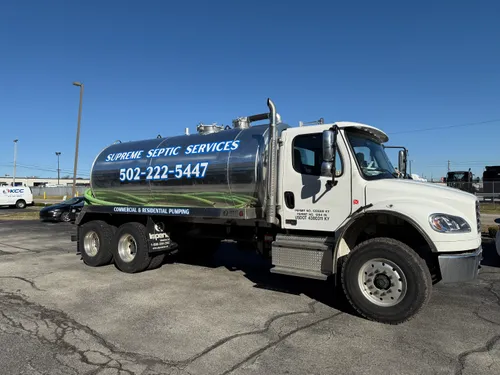
Supreme Septic Services (formerly known as Garrett's Septic Service)
Louisville, KY
Supreme Septic Services (formerly known as Garrett's Septic Service) is a locally owned company based in Louisville, KY, offering a range of septic and grease system services. They provide septic pumping, grease trap cleaning, system repairs, inspections, and installations for residential, commercial, and restaurant clients. Their team uses modern equipment to ensure efficient service and compliance with local standards. Supreme Septic Services focuses on proper system design and maintenance to extend system life and prevent backups.

Babbs Land Management LLC
630 S Zion Rd, Scottsburg, IN 47170
Babbs Land Management LLC is a family-owned and locally operated company based near Louisville, KY, specializing in septic system repair, septic tank installation, and broader land management services for residential and commercial properties. With over four years in business and extensive industry experience, the company offers reliable septic solutions including new construction and repair services. Babbs Land Management also provides 24/7 availability for emergency call-outs, supporting customers whenever urgent needs arise.

H2O Plumbing, LLC
1380 Old Hwy 135, Corydon, IN 47112
H2O Plumbing, LLC is a plumbing company based near Louisville, KY, offering a wide range of services including septic system repair and septic tank installation. They serve residential and commercial customers, providing solutions such as sewer line repair, water softener installation, and drain cleaning. The company emphasizes reliable plumbing work and offers a 12-month warranty on most services. Their expertise includes full septic system replacement and repair to maintain safe and efficient wastewater management. H2O Plumbing has years of experience and holds all necessary licenses and insurance to ensure customer protection.
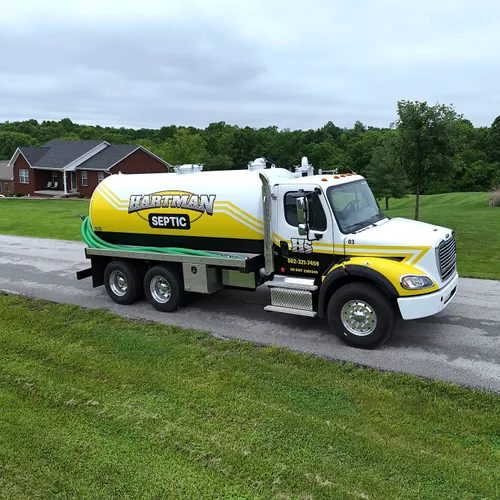
Hartman Septic
24 Old 7 Mile Pike, Shelbyville, KY 40065
Hartman Septic provides full-service septic solutions in Louisville, KY, and surrounding areas including Shelby County and Pewee Valley. The company offers residential and commercial septic tank pumping, inspection, repair, installation, and drain field repair or replacement. Hartman Septic is led by Kentucky's first Master Septic Installer, bringing expert knowledge to each project. They are experienced in managing complex septic system issues and work closely with local health authorities to ensure compliance and approved repairs. The company is known for handling excavation and septic challenges efficiently and professionally.
Understanding Kentucky's Septic Repair Regulations
In Kentucky, septic system repairs are overseen by the Cabinet for Health and Family Services (CHFS) and enforced by your local County Health Department 1. The state's regulations (902 KAR 10:081 to 902 KAR 10:170) are designed to ensure repairs protect water quality and public safety 1.
The most critical rule to know is that a Construction/Repair Permit is required for any repair that alters the system. This doesn't always include minor fixes like replacing a tank lid, but any work involving the tank structure, distribution box, or drain field will almost certainly need a permit. The permit process is administered by your local health department, and they are your first point of contact.
The Role of Your Local Health Department
Before you hire a contractor or start any work, you must contact your local health department. They will provide the specific application forms and explain local variations in the rules. For example, the Northern Kentucky Health Department and the Louisville Metro Department of Public Health & Wellness have detailed programs for onsite systems 2. They will confirm if your planned repair requires a permit and guide you through the necessary steps, which typically include a site evaluation.
The Repair Process: From Evaluation to Inspection
Successfully repairing a septic system in Kentucky follows a structured path. Skipping steps can result in fines, failed inspections, and ongoing system problems.
Step 1: Initial Diagnosis and Site Evaluation
The first step is understanding what's wrong. A professional inspection (costing $100-$200 on average) can diagnose common issues like blockages, baffle failures, or drain field saturation. If the repair is significant, the local health department will likely require a formal site evaluation.
This evaluation, sometimes involving a percolation ("perc") test or soil analysis, assesses conditions like soil type, groundwater depth, and proximity to water sources 3. It determines the most viable repair strategy and ensures the repaired system will function properly. The evaluation must confirm that setbacks are maintained-for instance, systems must typically be at least 50 feet from a water well and 25 feet from streams 4.
Step 2: Obtaining Permits and Hiring a Pro
With a repair plan in mind, you'll apply for the permit through your local health department 5. Kentucky law requires that septic system repairs be performed by a certified septic system installer6 7. While homeowners can apply for a homeowner's permit to do their own installation, this is a complex undertaking and not recommended for major repairs 6. Always verify a contractor's certification before hiring them.
Step 3: Completing the Repair Work
Once permitted, your certified professional will execute the repair. It's crucial that the work matches the approved plan. The health department requires that the repair be inspected before it is covered with soil8. Do not backfill trenches or cover new components until an inspector has visited and approved the work.
Find the perfect septic system repair companies for your needs
Get personalized recommendations and expert advice
Common Types of Repairs and Their Costs in Kentucky
Repair costs vary widely based on the problem's severity and your property's characteristics. Here's a breakdown of common septic repairs and what you might expect to pay in Kentucky.
- Minor Repairs ($300 - $1,200): These are fixes that often don't require a permit, such as replacing a damaged tank riser or lid, unclogging an inlet/outlet baffle, or fixing a minor leak at a pipe connection.
- Average/Major Repairs ($629 - $3,038): This is the most common cost range for typical repairs, with a state average around $1,830. This covers jobs like repairing or replacing broken sewer lines between the house and tank, replacing a failed effluent filter, or installing a new septic pump for a system with a lift station.
- Drain Field Repairs or Replacement ($6,000 - $15,000+): When the drain field fails, costs rise significantly. Solutions can include installing a new replacement field (if space allows), adding an entirely new system, or using advanced technologies like a drip irrigation field. Site conditions heavily influence this price 9.
- Septic Tank Replacement ($3,500 - $10,000+): Replacing a cracked or collapsed tank is a major excavation project. Costs depend on tank size, material (concrete vs. plastic), and the difficulty of access 10.
Important Note on Pricing: The inspection itself is a separate cost. While a standard inspection is relatively affordable, more thorough diagnostics like a camera inspection of lines can cost up to $1,175 11. Always get detailed, written estimates from multiple certified contractors.
Why Proper Repair Procedures Matter
Cutting corners on a septic repair can have serious consequences. An improperly repaired system can:
- Contaminate Groundwater: Failing systems can leak untreated sewage into the soil, polluting wells and aquifers that you and your neighbors rely on for drinking water 12.
- Create Health Hazards: Exposure to sewage pathogens can cause serious illness. Surface pooling of effluent is a direct public health risk.
- Damage Property: Sewage backups into your home or saturated drain fields can ruin landscaping and make parts of your yard unusable.
- Lead to Legal and Financial Penalties: Operating a non-compliant system can result in fines from your local health department. It will also become a major issue if you try to sell your property, as failing septic systems must be disclosed and repaired.
Following the regulated process-contacting the health department, getting permits, using certified pros, and scheduling inspections-protects your investment, your health, and Kentucky's environment.
Planning for a Successful Repair Project
To ensure a smooth repair process, be a prepared property owner:
- Gather Information: Locate your original septic system permit and "as-built" diagram if you have it. Know the age of your system and its maintenance history.
- Budget Appropriately: Get multiple quotes and factor in costs for permits ($100-$500 typically), inspections, and the repair itself. Consider financing options if facing a major replacement.
- Communicate Clearly: Maintain clear communication between yourself, your chosen contractor, and the health department inspector. Ensure everyone is on the same page regarding the schedule and repair plan.
- Plan for the Future: Once repaired, implement a regular maintenance schedule, including pumping the tank every 3-5 years, to prevent future failures.
By understanding your responsibilities and the required steps, you can navigate a septic system repair in Kentucky with confidence, ensuring your system functions properly for years to come.
Frequently asked questions
Sources
Footnotes
-
Onsite Sewage Disposal Systems Program - Cabinet for Health and Family Services - https://www.chfs.ky.gov/agencies/dph/dphps/emb/Pages/environmentmgmt.aspx ↩ ↩2
-
Septic Systems - Northern Kentucky Health Department - https://nkyhealth.org/septic/ ↩
-
Septic System Approval, Permit, And Site Evaluations - https://www.cchdky.org/septic-system-approval-permit-and-site-evaluations/ ↩
-
KY Well & Septic Inspections 2026: Buyer's Complete Guide - https://askdoss.com/how-to-handle-well-and-septic-inspections-in-kentucky-what-buyers-must-know/ ↩
-
How to Repair a Septic System - https://www.lcdhd.org/services/environmental-services/guidelines/how-to-repair-a-septic-system/ ↩
-
Kentucky Septic Tank Requirements | Complete Overview Guide - https://www.ntotank.com/blog/kentucky-septic-tank-requirements ↩ ↩2
-
Kentucky Septic License & Certification | 2025 Contractor Guide - https://www.servicetitan.com/licensing/septic/kentucky ↩
-
Onsite Septic System Program | LouisvilleKY.gov - https://louisvilleky.gov/government/health-wellness/onsite-septic-system-program ↩
-
Just How Much Is a New Septic System Going to Cost? - https://www.kysepticservice.com/helpful-info/just-how-much-is-a-new-septic-system-going-to-cost.html ↩
-
Septic Tank Repair Cost in 2026 | Average Prices & Repair Types - https://modernize.com/plumbing/septic-tank-repair-cost ↩
-
How Much Do Septic Tank Repairs Cost? [2025 Data] - HomeAdvisor - https://www.homeadvisor.com/cost/plumbing/repair-a-septic-tank/ ↩
-
Onsite Sewage (Septic Systems) - https://healthdepartment.org/community-health/onsite-sewage-septic-systems/ ↩