
Find the Best Septic System Repair Companies for Your Business
No obligation • Fast responses • Nationwide coverage

Why you can trust Septic Spot
Septic Spot is a leading United States resource for understanding and comparing septic services. Our editors review providers using consistent criteria and verify key business details. Listings and scores are independent, and companies cannot pay to influence our content.
Search providers near you
Top Septic System Repair Companies in Louisville, Kentucky Ranked
A failing septic system is more than an inconvenience; it's a serious health and environmental hazard that requires immediate, professional attention. Septic system repair involves diagnosing and fixing issues with your tank, drain field, or related components to restore proper wastewater treatment on your property. This guide explains the common repair needs for Louisville homeowners, outlines the crucial local permitting process, and helps you understand what to look for when finding a qualified professional to handle your septic service.

Shelby Septic Service
24 Main St, Shelbyville, KY 40065
Shelby Septic Service is a family-owned company based near Louisville, KY, providing comprehensive septic system services including pumping, inspections, filter cleaning, riser and lid access, and filter installation. They serve residential and commercial customers across Anderson, Franklin, Henry, Jefferson, Oldham, Shelby, and Spencer Counties. The company is experienced in septic tank cleaning, maintenance, and problem-solving, with capabilities such as backflushing to remove solids buildup. Shelby Septic Service is recognized for their knowledgeable technicians and thorough inspections, offering detailed reports to assist with property purchases and maintenance decisions.
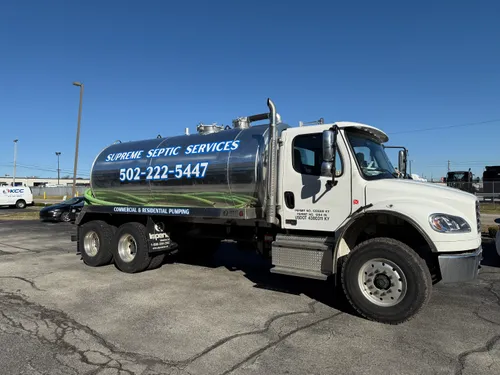
Supreme Septic Services (formerly known as Garrett's Septic Service)
Louisville, KY
Supreme Septic Services (formerly known as Garrett's Septic Service) is a locally owned company based in Louisville, KY, offering a range of septic and grease system services. They provide septic pumping, grease trap cleaning, system repairs, inspections, and installations for residential, commercial, and restaurant clients. Their team uses modern equipment to ensure efficient service and compliance with local standards. Supreme Septic Services focuses on proper system design and maintenance to extend system life and prevent backups.

Babbs Land Management LLC
630 S Zion Rd, Scottsburg, IN 47170
Babbs Land Management LLC is a family-owned and locally operated company based near Louisville, KY, specializing in septic system repair, septic tank installation, and broader land management services for residential and commercial properties. With over four years in business and extensive industry experience, the company offers reliable septic solutions including new construction and repair services. Babbs Land Management also provides 24/7 availability for emergency call-outs, supporting customers whenever urgent needs arise.

H2O Plumbing, LLC
1380 Old Hwy 135, Corydon, IN 47112
H2O Plumbing, LLC is a plumbing company based near Louisville, KY, offering a wide range of services including septic system repair and septic tank installation. They serve residential and commercial customers, providing solutions such as sewer line repair, water softener installation, and drain cleaning. The company emphasizes reliable plumbing work and offers a 12-month warranty on most services. Their expertise includes full septic system replacement and repair to maintain safe and efficient wastewater management. H2O Plumbing has years of experience and holds all necessary licenses and insurance to ensure customer protection.
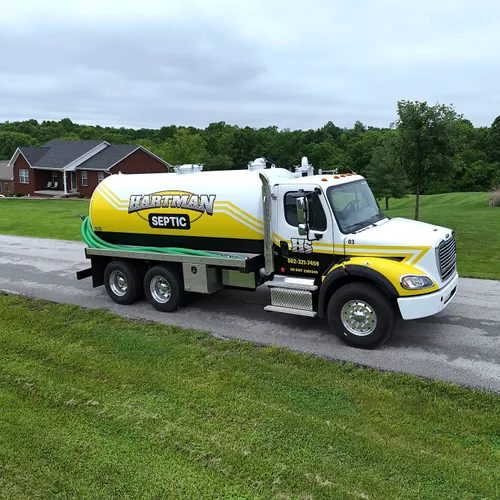
Hartman Septic
24 Old 7 Mile Pike, Shelbyville, KY 40065
Hartman Septic provides full-service septic solutions in Louisville, KY, and surrounding areas including Shelby County and Pewee Valley. The company offers residential and commercial septic tank pumping, inspection, repair, installation, and drain field repair or replacement. Hartman Septic is led by Kentucky's first Master Septic Installer, bringing expert knowledge to each project. They are experienced in managing complex septic system issues and work closely with local health authorities to ensure compliance and approved repairs. The company is known for handling excavation and septic challenges efficiently and professionally.
Understanding Your Septic System and Common Failures
Your onsite wastewater system is a complex network designed to treat household sewage. When functioning correctly, solids settle in the tank, liquids flow into the drain field for soil filtration, and natural bacterial processes break down waste. A system in need of repair has one or more components that are compromised, leading to backups, odors, or contamination.
Common signs you may need septic repairs include:
- Slow-draining sinks, tubs, or toilets.
- Gurgling sounds in your plumbing.
- Sewage odors in your yard or home.
- Unusually lush, dark green grass or soggy, wet spots over the drain field.
- Sewage backing up into household drains.
The Louisville Metro Repair Process: Permits and Professionals
In Louisville, all significant septic work is regulated by Louisville Metro Public Health and Wellness (LMPHW) to protect public health and groundwater. You cannot simply hire a contractor and begin digging. The process is designed to ensure repairs are done correctly and safely.
1. The Mandatory Repair Permit: Before any work begins, you or your contractor must obtain a repair permit from LMPHW. The current fee for this permit is $175 1. This step is non-negotiable and triggers the necessary oversight.
2. Hiring a Certified Installer: Kentucky law requires that all septic system repairs be performed by a state-certified onsite wastewater installer 2. A reputable professional will handle the permit application on your behalf and ensure all work meets state and local codes.
3. Site Evaluation for Major Changes: If the repair involves altering the system's size, type, or location (like a full drain field replacement), a new site evaluation by a licensed soil scientist may be required. This evaluation, which typically costs around $375, assesses your property's soil conditions to design a suitable system.
4. Mandatory Inspections: Once repairs are complete but before the system is covered with soil, a certified inspector from LMPHW must inspect the work. This final inspection is critical for closing out the permit and ensuring the repair is approved.
Types of Septic Repairs in Louisville
The scope and cost of your septic service can vary dramatically based on which component has failed.
Tank and Component Repairs
This category covers issues with the septic tank itself and its immediate parts.
- Tank Replacement: If a tank is cracked, collapsed, or leaking, it must be replaced. This is a major excavation project.
- Pipe and Baffle Repair: Broken inlet/outlet pipes or damaged baffles (which keep solids from exiting the tank) can often be repaired without full tank replacement.
- Distribution Box Issues: A faulty distribution box, which evenly channels liquid to the drain field lines, may need repair or replacement.
Drain Field Rehabilitation and Replacement
Drain field (or leach field) failure is often the most complex and expensive problem.
- Clogged Lines: Over time, biomat (a bacterial layer) or physical roots can clog perforated pipes. Jetting or cleaning can sometimes provide a temporary fix.
- Field Replacement: When the soil itself becomes clogged and can no longer absorb effluent, a new drain field must be installed in a different location. This is a major project requiring a new site evaluation and permit, with costs often ranging from $10,000 to $30,000+.
Pump and Alternative System Repairs
Homes with pumps (for uphill drain fields) or advanced treatment systems (like aerobic treatment units) have electrical and mechanical components that can fail.
- Pump Replacement: Float switches or effluent pumps wear out and need replacement.
- Electrical Panel and Alarm Repairs: Malfunctioning control panels or alarm systems require an electrician or specialized technician.
Diagnostic Steps: From Inspection to Repair Plan
A proper repair begins with a thorough diagnosis. Here's what a professional will do:
- Locate and Access: Using plans or probes, the technician will find the tank lids and distribution box, which often requires excavation.
- Inspect the Tank: They will check for cracks, leaks, and the condition of the baffles. The most telling step is measuring the sludge and scum layers; if they are too deep, pumping is the first required action 3.
- Evaluate the Drain Field: The technician will look for visual clues of failure, such as standing water or overly lush vegetation, and may perform a percolation test to assess soil absorption 4.
- Review System History: Understanding the system's age, last pumping date, and any past issues helps form a complete picture.
This inspection will determine if the problem is a simple fix, like a blocked pipe, or a major failure requiring a new drain field design.
Find the perfect septic system repair companies for your needs
Get personalized recommendations and expert advice
Cost Considerations for Septic Repairs
Understanding potential costs helps in planning and selecting a service provider. Prices can vary based on system size, soil conditions, and excavation difficulty.
- Permit and Evaluation Fees: Budget for the LMPHW repair permit ($175) and a potential site evaluation ($375) 5 6.
- Initial Inspection and Pumping: A diagnostic inspection combined with a tank pump-out typically costs between $250 and $500 7 8. This is often the first step in any repair process.
- Minor Repairs: Fixing a broken pipe, replacing a baffle, or repairing a distribution box often falls under $1,000.
- Major System Repairs or Replacement: This is where costs escalate significantly. A full septic system replacement or major drain field installation in Louisville can range from $15,000 to over $30,000, depending on the system type and site challenges 9.
Always get detailed, written estimates from multiple certified installers. The estimate should break down labor, materials, permit fees, and any required engineering or soil work.
Maintaining Your System Post-Repair
A successful repair is an investment. Protect it with proper maintenance:
- Pump Regularly: Have the tank pumped every 3-5 years by a licensed pumper.
- Conserve Water: Spread out laundry loads and fix leaks to avoid hydraulically overloading the system.
- Mind What You Flush: Only human waste and toilet paper should go down the drain. Avoid chemicals, grease, and non-biodegradable items.
- Protect the Drain Field: Never drive or park over it, and keep rainwater drainage systems away from the area.
For property-specific questions or to initiate a repair permit, you can contact the LMPHW Onsite Sewage Program directly at 502-574-6655.
Frequently asked questions
Sources
Footnotes
-
Kentucky Septic Tank Requirements | Complete Overview Guide - https://www.ntotank.com/blog/kentucky-septic-tank-requirements ↩
-
Onsite Sewage Disposal Systems Program - https://www.chfs.ky.gov/agencies/dph/dphps/emb/Pages/environmentmgmt.aspx ↩
-
Inspection of Septic Systems | Oklahoma State University - https://extension.okstate.edu/fact-sheets/inspection-of-septic-systems.html ↩
-
A Kentucky Homeowner's Guide - https://bggreensource.org/wp-content/uploads/2021/11/1-KentuckyHomeownerGuide7-06_Updated-12.13.2019.pdf ↩
-
Onsite Septic System Program - LouisvilleKY.gov - https://louisvilleky.gov/government/health-wellness/onsite-septic-system-program ↩
-
louisville metro public health and wellness - LouisvilleKY.gov - https://louisvilleky.gov/sites/default/files/migration/missing-files/onsite_septic_system_program/2019nov1-siteevaluationinstructions.pdf ↩
-
Buying a Home with Septic? Inspection in Kentucky & Ohio - https://kentuckyinspectionservices.com/services/septic-inspection/ ↩
-
GPP Residential Septic - Kentucky Energy and Environment Cabinet - https://eec.ky.gov/Environmental-Protection/Water/GW/GPPDocs/GenericGPP-ResidentialSeptic.pdf ↩
-
KY Well & Septic Inspections 2026: Buyer's Complete Guide - https://askdoss.com/how-to-handle-well-and-septic-inspections-in-kentucky-what-buyers-must-know/ ↩