
Find the Best Septic System Repair Companies for Your Business
No obligation • Fast responses • Nationwide coverage

Why you can trust Septic Spot
Septic Spot is a leading United States resource for understanding and comparing septic services. Our editors review providers using consistent criteria and verify key business details. Listings and scores are independent, and companies cannot pay to influence our content.
Search providers near you
Best Septic System Repair Companies in Mississippi Ranked
A failing septic system is a serious health and environmental hazard. When your septic tank, drain field, or other components malfunction, timely and proper repair is essential to protect your property and comply with state law. In Mississippi, all septic system repairs are regulated by the Mississippi State Department of Health (MSDH) and must be performed by licensed professionals. This guide explains the regulatory process, common repair scenarios, and how to find qualified local specialists to restore your system to safe, working order.
Understanding Mississippi's Septic Repair Regulations
The MSDH enforces strict rules to ensure septic repairs protect groundwater and public health. Understanding these regulations is the first step in any repair project.
Permit Requirements: Any repair that modifies your existing system-such as replacing a tank, repairing a drain field, or altering piping-requires a permit from your local county health department. Simple fixes like unclogging an inlet pipe may not need one, but it's always best to check with the MSDH or your licensed installer. The permit process ensures the proposed repair meets current state standards for onsite wastewater disposal 1.
Licensed Installers are Mandatory: By law, all septic system repairs in Mississippi must be performed by a MSDH-certified installer 2. These professionals understand the state's technical specifications, such as the required use of Schedule 40 PVC pipe for certain applications and proper tank sealing standards 3. Hiring a licensed pro guarantees the work will be done correctly and pass any necessary inspections.
Common Septic System Failures and Repair Solutions
Systems fail for various reasons, but most repairs fall into a few common categories.
Drain Field (Soil Absorption Area) Failure: This is often the most serious and expensive problem. Symptoms include soggy ground, sewage odors, or wastewater backing up into the house. Failure can be caused by a clogged field due to a lack of pumping, allowing sludge to escape the tank. Repair might involve replacing sections of perforated pipe or, in severe cases, constructing a completely new drain field in a suitable location on your property.
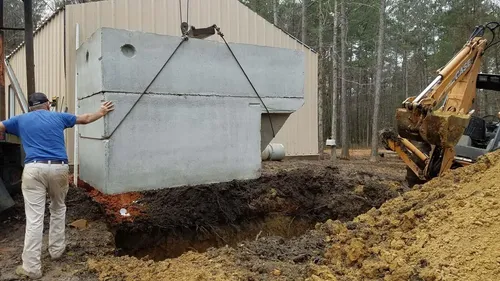
Septic Tank Issues: Concrete tanks can crack, and baffles (which keep solids in the tank) can deteriorate. A damaged tank can leak raw sewage into the ground or allow solids to flow into and clog the drain field. Tank repair or replacement is a major project that always requires a permit and professional installation 4.
Pump and Dosing System Malfunctions: If your system includes a pump to move effluent to the drain field, repairs to this electrical and mechanical equipment can be complex and costly. For Advanced Treatment Systems (ATUs), which use mechanical parts to treat wastewater, state regulations may require inspection or repair by a factory-authorized representative 5.
The Repair Process: From Diagnosis to Completion
Navigating a septic repair involves several key steps.
- Problem Identification: Signs of trouble include slow drains, gurgling pipes, sewage backups, or wet, foul-smelling patches in your yard. Contact a licensed installer for a diagnosis.
- Site Evaluation and Permit Application: The installer will assess the problem and the site. If a permit is needed, they will typically handle the application with the local health office, providing details of the planned repair 6.
- Performing the Repair: The licensed professional will execute the work according to the permitted plans and MSDH standards. This includes adhering to critical placement rules, such as maintaining a minimum 100-foot distance from any drinking water well or source.
- Final Inspection: For many repairs, especially those involving tanks or drain fields, a final inspection by the health department may be required to close the permit and confirm the system is functioning properly 7.
Find the perfect septic system repair companies for your needs
Get personalized recommendations and expert advice
Cost Considerations for Septic Repairs in Mississippi
Repair costs vary widely based on the component and extent of the damage. It's important to get detailed estimates from multiple licensed providers.
- Basic Tank Repairs/Replacement: Replacing a standard 1,000-gallon concrete tank can cost between $500 and $900 for the tank itself, with total installation costs being significantly higher due to excavation and labor 8.
- Drain Field Repairs: This is typically the most expensive repair, often ranging from several thousand dollars to over $10,000, depending on the size and soil conditions. The need for extensive excavation and new gravel and piping drives up the cost.
- Pump and Mechanical Repairs: Fixing or replacing a septic pump or ATU components can cost anywhere from a few hundred to a few thousand dollars.
- Overall Range: General system repairs can start around $500 for minor issues but quickly climb to over $1,000 for more significant work 9. Regular maintenance, like pumping your tank every 4-6 years, is a critical investment to avoid these costly failure repairs 9.
Preventing the Need for Major Repairs
Proactive care is the best way to avoid emergency septic situations.
- Schedule Regular Pumping: Have your tank pumped by a professional every 3-5 years, depending on household size and usage.
- Mind What You Flush: Never put grease, chemicals, feminine hygiene products, wipes (even "flushable" ones), or other non-biodegradable items down the drain 10. These materials clog tanks and drain fields.
- Conserve Water: Reduce excessive water use to prevent hydraulically overloading the system, which can push solids into the drain field.
- Protect the Drain Field: Never drive or park vehicles over it, and avoid planting trees with deep roots nearby.
Finding a Qualified Repair Specialist in Mississippi
Your most important decision is choosing the right professional. Look for a contractor who holds a current MSDH installer license, can provide local references, and offers clear, detailed written estimates. They should be willing to explain the problem, the proposed repair solution, and the permitting process. A reputable specialist will prioritize long-term system health over a quick, inexpensive fix that may not last.
Frequently asked questions
Sources
Footnotes
-
Division of On-site Wastewater Subpart 77 - | MS.GOV - https://www.ms.gov/dfa/pmn/Home/DownloadAttachmentFile/1a8561b6-1fb4-48bb-8164-49bacad38498 ↩
-
FAQs And Answers - WasteWater - | MS.GOV - https://apps.msdh.ms.gov/WasteWaterOnlineApp/PublicWasteWaterApplicationEntryFAQ1.aspx ↩
-
15 Miss. Code. R. 18-77-5.1.6 - Minimum Standards for Septic Tank Construction | State Regulations - https://www.law.cornell.edu/regulations/mississippi/15-Miss-Code-R-SS-18-77-5-1-6 ↩
-
ADU Regulations In Mississippi: The Complete Guide - https://www.zookcabins.com/regulations/mississippi-adus ↩
-
Office of Health Protection Subpart 77 - Onsite Wastewater - https://sos.ms.gov/ACProposed/00013375b.pdf ↩
-
On-Site Sewage Program - https://www.misscohealth.com/sewage.php ↩
-
HB 522 (As Passed the House) - 2023 Regular Session - https://billstatus.ls.state.ms.us/documents/2023/html/HB/0500-0599/HB0522PS.htm ↩
-
Residential Septic Tank Pricing | Homeowner's Guide to Costs - https://www.ntotank.com/blog/residential-septic-tank-pricing ↩
-
Managing Household Wastewater | Mississippi State ... - https://extension.msstate.edu/publications/managing-household-wastewater ↩ ↩2
-
7 Things That Will Damage Your Septic System - Russo Bros. & Co. - https://russobrosplumbing.com/blog/3-worst-put-septic-system/ ↩