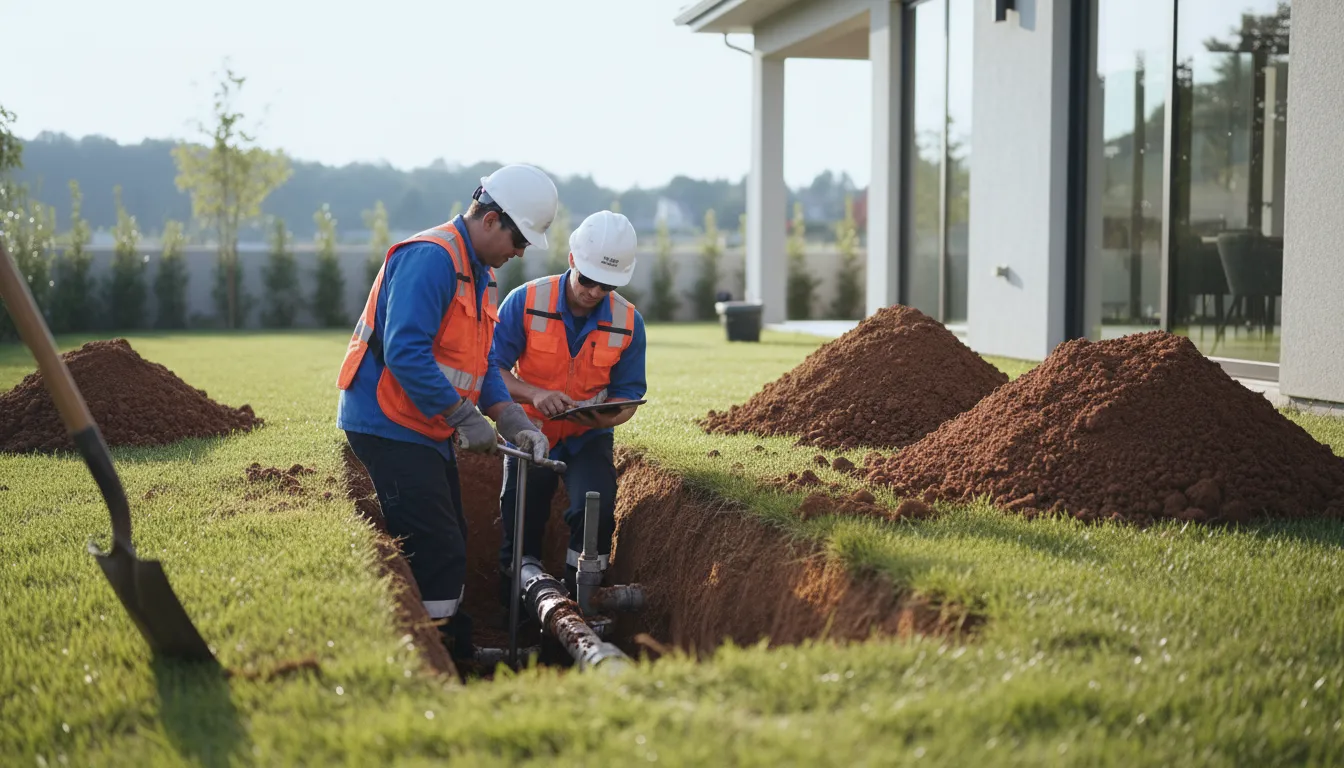
Find the Best Septic System Repair Companies for Your Business
No obligation • Fast responses • Nationwide coverage

Why you can trust Septic Spot
Septic Spot is a leading United States resource for understanding and comparing septic services. Our editors review providers using consistent criteria and verify key business details. Listings and scores are independent, and companies cannot pay to influence our content.
Search providers near you
Top Septic System Repair Companies in Jackson, Mississippi Ranked
A failing septic system is a serious issue for any Jackson homeowner, posing health risks and potential property damage. Septic system repair involves diagnosing and fixing problems with your tank, drain field, or connecting components to restore proper wastewater treatment. This guide explains the local repair process, regulations, and costs, helping you understand what to expect and how to connect with qualified, licensed professionals in the area.
Understanding When Your Jackson Septic System Needs Repair
Your septic system is a complex, buried network that requires attention when warning signs appear. Ignoring these signs can lead to complete system failure, which is far more costly and disruptive to address. Common indicators that your system may need septic service or repair include:
- Slow Drains and Backups: Sinks, showers, and toilets that drain slowly or back up into the home are classic early warnings.
- Unpleasant Odors: Foul sewage smells in your yard, especially near the drain field or tank area, indicate a problem.
- Soggy or Lush Lawn: Overly wet, spongy, or unusually green grass over the drain field suggests effluent is surfacing.
- Gurgling Sounds: Strange noises from your plumbing can signal a blockage or a full septic tank.
- Standing Water: Puddles of grey or black water in the yard are a clear sign of failure.
If you notice any of these issues, it's crucial to act quickly. Contacting a licensed professional for an inspection is the first step toward diagnosing and resolving the problem.
Jackson Township and NJDEP Repair Regulations
All septic system work in Jackson is governed by strict state and local health codes. The Jackson Township Health Department enforces regulations set by the New Jersey Department of Environmental Protection (NJDEP). Understanding these rules is essential before any work begins.
Permit Requirements: Not all fixes require a permit, but most significant repairs do. In Jackson, you typically need a permit for repairs that cost over $1,000, involve replacing the septic tank or its components, or expand or replace the drain field 1. The permitting process ensures the work meets health and environmental standards.
Licensing is Mandatory: By law, all septic system repairs must be completed by a NJ-certified septic contractor. Hiring an unlicensed individual can result in improper work, failed inspections, and legal liabilities. Always verify a contractor's state certification.
Engineered Systems: For major repairs or replacements-particularly involving the drain field-the township will often require a licensed professional engineer to design the repair plan. This is to ensure the new system is appropriately sized and designed for your property's specific soil conditions.
Common Types of Septic Repairs in Jackson
Septic system fixes can range from simple component swaps to major excavation projects. Here are the most common repairs performed by licensed contractors in the area.
Component Replacement and Tank Repairs
Over time, specific parts of the tank itself can wear out or become damaged.
- Lids and Risers: Old, cracked, or sunken concrete lids are a safety hazard and must be replaced. Installing modern, secure plastic risers provides safe, easy access for future pumping and inspection.
- Baffles: The inlet and outlet baffles inside the tank are crucial for controlling flow and preventing scum and solids from escaping. Broken or deteriorated baffles are a common cause of drain field clogging and require prompt replacement.
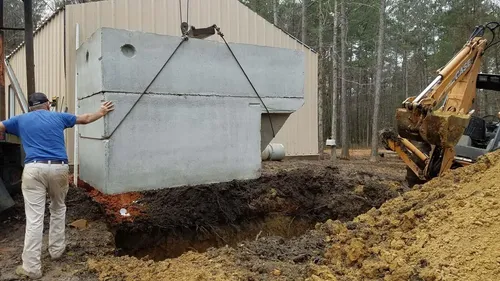
- Tank Structural Damage: Cracks or holes in the tank itself from root intrusion, ground shifting, or deterioration necessitate patching or, more often, full tank replacement.
Distribution Box and Pipe Repairs
The distribution box (D-box) is a critical component that evenly disperses liquid effluent from the tank to the lines in the drain field. If it becomes cracked, clogged, or unlevel, it can cause uneven distribution and field failure, requiring replacement 2 3. Similarly, the sewer line running from your house to the tank can crack or collapse, requiring excavation and repair.
Drain Field Rehabilitation and Replacement
This is typically the most extensive and expensive type of repair. A drain field (or leach field) fails when the soil becomes clogged and can no longer absorb liquid. Options include:
- Field Repair: Sometimes, a specific section of the field can be repaired or replaced.
- Field Expansion: If space allows, a new section of drain field can be added.
- Complete Replacement: In cases of severe failure, the entire existing field must be abandoned and a new one installed in a suitable location on the property. This almost always requires new soil percolation tests and an engineered design.
Find the perfect septic system repair companies for your needs
Get personalized recommendations and expert advice
The Step-by-Step Repair Process in Jackson
Navigating a septic repair project involves several key stages, from diagnosis to final approval.
- Professional Inspection and Diagnosis: A licensed contractor will perform a thorough inspection. This often involves pumping the tank, using cameras to inspect pipes and the D-box, and conducting a visual assessment of the drain field area to pinpoint the exact problem 4.
- Soil Testing (Percolation Test): If the repair involves any new drain field area, a soil percolation test is required by the health department. This test, conducted by a licensed engineer or inspector, determines the soil's absorption rate and dictates the size and design of the new field.
- Engineering Design and Permit Application: For major projects, an engineer creates a site-specific design. Your contractor will then submit this design, along with the permit application and fees, to the Jackson Township Health Department for review and approval 5.
- Scheduled Repair Work: Once the permit is issued, the contractor will schedule the excavation and repair work. All work must adhere precisely to the approved plans.
- Final Inspection and Approval: After installation but before the site is backfilled, a health department inspector must visit to verify the work complies with the permit and codes. Only after this final inspection passes can the contractor complete the backfilling and restoration of your yard.
Understanding Repair Costs in Jackson, NJ
Septic repair costs in Jackson vary widely based on the repair's complexity. It's important to budget not just for the physical repair, but for the required professional services and permits.
- Permit Fees: Fees paid to the township can range from $200 to $1,500, depending on the project's scope.
- Soil/Percolation Testing: Essential for drain field work, these tests typically cost between $500 and $1,500.
- Engineering Fees: For designs required by the township, engineering fees often range from $2,000 to $4,000 6 7 8.
- Health Department Inspection Fees: The final inspection fee may range from $400 to $800 9.
- Repair Work Itself: Minor repairs like baffle or riser replacement may be relatively low-cost. However, significant repairs like sewer line replacement or partial drain field work can cost several thousand dollars. A complete drain field replacement is a major investment, often reaching tens of thousands of dollars when including design, permitting, and installation.
Getting multiple detailed quotes from licensed contractors is the best way to understand the potential cost for your specific situation.
Maintaining Your System After a Repair
Once your system is repaired, proper maintenance is key to preventing future problems and protecting your investment. This includes regular pumping every 3-5 years, conserving water to avoid overloading the system, and being mindful of what goes down the drains (avoiding grease, chemicals, and non-biodegradable items). A well-maintained septic system can last for decades.
Frequently asked questions
Sources
Footnotes
-
Licensed Septic Service NJ - Requirements - The Sewer Kings - https://thesewerkings.com/blog/licensed-septic-service-professionals/ ↩
-
Septic System Repairs | Septic Parts Replacement | NJ - https://septicandoiltanks.com/septic-system-repairs-component-replacement/ ↩
-
Troubleshooting & Repairs - New Jersey Septic Management Group - https://nj-septic.com/repairs/ ↩
-
How Septic System Inspections Are Performed in New Jersey - https://thesewerkings.com/blog/septic-system-inspections/ ↩
-
Division of Water Quality | Permitting Information - NJDEP - https://dep.nj.gov/dwq/wastewater/septic-systems/permitting-information/ ↩
-
NJ Septic Regulations for 2026: Inspections, Permits & Rules - https://www.atsenvironmental.com/blog/nj-septic-regulations-for-2026/ ↩
-
The Real Cost of Septic Installation in New Jersey (2025) - https://www.atsenvironmental.com/blog/the-real-cost-of-septic-installation-in-new-jersey-2025/ ↩
-
New Jersey Septic Tank Rules And Regulations - https://www.arrowsewernj.com/blog/septic-tanks-in-new-jersey-what-you-need-to-know/ ↩
-
New Jersey Septic System Rules - 2026 Guide - https://thesewerkings.com/blog/new-jersey-septic-system-rules/ ↩