
Find the Best Septic System Repair Companies for Your Business
No obligation • Fast responses • Nationwide coverage

Why you can trust Septic Spot
Septic Spot is a leading United States resource for understanding and comparing septic services. Our editors review providers using consistent criteria and verify key business details. Listings and scores are independent, and companies cannot pay to influence our content.
Search providers near you
Best Septic System Repair Companies in Montana Ranked
A failing septic system is more than an inconvenience; it's a public health and environmental concern. In Montana, where many homes rely on onsite wastewater systems, understanding the repair process is essential for protecting your property and local groundwater. This guide provides clear, practical information on navigating septic repairs in Montana, from recognizing problems and securing permits to understanding costs and finding qualified professionals.
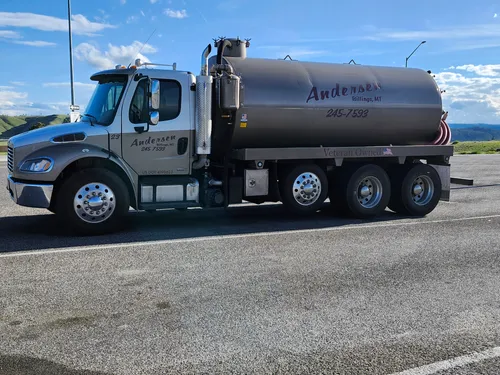
Andersen Sewer Service
7371 Kylee Sue Dr, Shepherd, MT 59079
Andersen Sewer Service is a veteran-owned, family-operated company providing septic system pumping, repair, and installation services in Billings, MT. They serve both residential and commercial clients across south-central Montana, including grease trap maintenance and emergency septic services. With over 40 years of combined experience, Andersen Sewer Service offers thorough assessments and repairs tailored to Montana's unique soil and climate conditions. The team emphasizes clear communication and practical solutions to maintain system health and prevent disruptions.
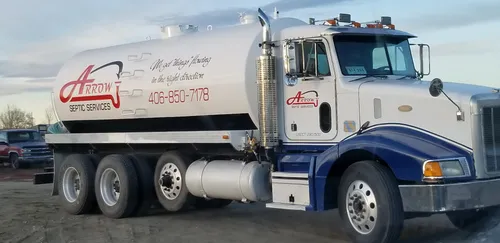
Arrow Septic and Sewer Services, LLC
8105 Hofferber Rd, Shepherd, MT 59079
Arrow Septic and Sewer Services, LLC provides a range of septic system services in Billings, MT, and surrounding areas including Shepherd, Red Lodge, Lockwood, and more. The company offers septic tank installation, pumping, grease trap pumping, drain field repair and replacement, septic tank filter cleaning, and porta-potty rentals. They serve both residential and commercial clients and provide 24/7 availability including same-day, evening, weekend, and emergency services. Their expertise includes comprehensive drain field services to address septic system seepage issues. Arrow Septic and Sewer Services also covers multiple counties such as Yellowstone, Musselshell, and Carbon. Serving a broad region around Billings, the company emphasizes maintaining septic systems to extend their lifespan and prevent costly repairs. They focus on protecting water supplies from contamination by providing professional septic maintenance and repair solutions.
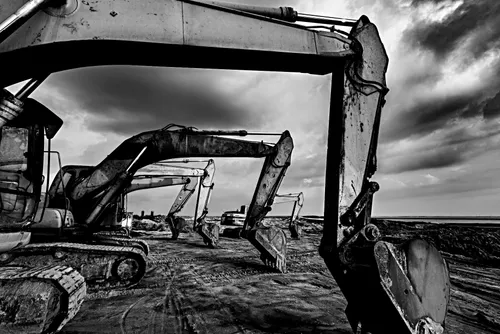
Schessler Excavation and Septic
230 Lois Pl, Laurel, MT 59044
Schessler Excavation and Septic is a family-owned company serving Billings, MT, and nearby communities. They specialize in septic system design, installation, inspection, and repair, along with excavation and site preparation for residential properties. Their services include septic tank and sewage pump replacement, foundation excavation, cistern installation, road and pad building, and hydro excavation. With over 65 years of experience, they offer a range of equipment services such as skid steer, dump truck, loader, dozer, and road grader operations to support various residential projects.
Understanding Montana's Septic System Regulations
All septic system work in Montana is governed by state standards set by the Department of Environmental Quality (DEQ) and enforced by local county health departments. The primary goal is to protect public health and Montana's valuable water resources by ensuring systems are properly sited, constructed, and maintained.
A cornerstone of these regulations is the groundwater separation requirement. State rules mandate that the bottom of your drain field trenches must be at least 4 feet above the highest seasonal groundwater level 1. This vertical separation is critical for filtering and treating wastewater before it reaches the water table. Before any new installation or major repair, a site evaluation by a county sanitarian or a licensed professional engineer is required to verify this condition and assess soil suitability 1.
When is a Septic System Repair Needed?
Recognizing the signs of a failing system early can prevent more extensive and expensive damage. Common red flags include:
- Sewage Backups: Frequent backups into household drains or toilets.
- Drain Field Issues: Standing water, soggy soil, or unusually lush grass over the drain field area.
- Foul Odors: Persistent sewage smells indoors or near the septic tank and drain field.
- Slow Drains: Multiple drains throughout the home draining slowly, especially after heavy water use.
- Gurgling Sounds: Unusual gurgling noises coming from plumbing fixtures.
If you notice any of these issues, it's important to act promptly. Ignoring them can lead to groundwater contamination, property damage, and costly environmental remediation.
The Permit Process for Repairs
In nearly all cases, a permit is required before beginning any septic system repair, modification, or installation in Montana 2. The permit process ensures the work complies with DEQ Circular 4, the state's design and installation standard.
- Contact Your Local Authority: Permitting is handled at the county level. You must apply through your local county health department or sanitarian's office (e.g., Cascade, Richland, Teton, Flathead counties) 3 4.
- Site Evaluation and Plan Submission: For significant repairs, you'll likely need a site evaluation and to submit a repair plan. This may involve soil testing and a detailed design from a licensed installer or engineer.
- Permit Approval: The county reviews your application for compliance with setbacks, groundwater separation, and design standards before issuing a permit.
- Installation and Inspection: Once permitted, the repair must be performed by a qualified professional (or the homeowner, if allowed-see below). The county will typically require a final inspection to approve the work.
Who Can Perform Repairs: Licensed Installers vs. Homeowners
Montana's rules on who can perform the physical repair work vary by county:
- Licensed Installers: Most counties require that septic system repairs be conducted by a state-licensed onsite wastewater treatment system installer 5. These professionals are trained in state and local codes and ensure the work is done correctly.
- Homeowner Installation: Some counties, like Lincoln and Flathead, allow homeowners to perform work on their own primary residence 6 7. However, you are still responsible for obtaining all necessary permits, passing inspections, and ensuring the repair meets all DEQ standards. This option requires significant research and understanding of system design.
Always check with your local county health department to understand the specific rules and licensing requirements for your area before starting any project.
Find the perfect septic system repair companies for your needs
Get personalized recommendations and expert advice
Cost of Septic Repairs in Montana
Repair costs can vary widely based on the problem's severity, system size, soil conditions, and your location in the state. Below is a general overview of potential costs, though obtaining local estimates is crucial.
- Minor Repairs: Tasks like replacing tank baffles, repairing a pump, or clearing a clogged pipe typically range from $300 to $1,500 8.
- Moderate to Major Repairs: This category includes issues like repairing a cracked tank (which may involve excavation), fixing distribution boxes, or addressing partial drain field problems. Costs often fall between $628 and $3,040, with an average around $1,500.
- Significant Drain Field Repairs or Replacement: Rejuvenating a failing drain field or installing a new one is the most expensive repair. These projects frequently cost $5,000 or more, depending on the size and technology required 9.
- Complete System Replacement: If the entire system fails beyond repair, replacement costs can easily exceed $9,500 10.
- Related Maintenance: Routine pumping of a 1,000-gallon tank, which is preventative maintenance rather than repair, averages $255 to $300 in Montana 11.
Types of Common Repairs
Understanding the specific repair needed helps in communicating with professionals and budgeting.
- Tank Repairs: Fixing cracks, replacing damaged lids or baffles, or addressing inlet/outlet pipe issues. Minor cracks can sometimes be patched, but significant structural damage usually requires tank replacement.
- Drain Field Repairs: The most complex and costly issues. Solutions can range from jetting to clean pipes, adding new trenches to an existing field (called a "expansion repair"), or completely replacing the absorption area.
- Pump and Electrical Repairs: For systems with a pump to move effluent to the drain field, repairing or replacing the pump, float switches, or alarm systems is common.
- Distribution Box Repairs: Leveling or repairing the D-box that evenly distributes effluent to the drain field lines.
Choosing a Repair Professional
Selecting the right contractor is critical for a successful, code-compliant repair.
- Verify Licensing: Ensure the professional is licensed by the state of Montana to install and repair septic systems. You can ask for their license number and verify it with the DEQ or your county.
- Check Local Experience: Choose a company familiar with your county's specific permit process, inspectors, and common soil conditions.
- Get Multiple Estimates: Obtain detailed written estimates from at least three contractors. The estimate should outline the problem, the proposed repair solution, materials, labor, permit fees, and a timeline.
- Ask for References: Request and contact references from recent repair jobs similar to yours.
- Review the Contract: Ensure the contract includes cleanup, final inspection coordination, and a warranty on both parts and labor.
Maintaining Your System to Avoid Repairs
The best repair is the one you never need. Proactive maintenance extends your system's life and prevents failures.
- Pump Regularly: Have your tank pumped every 3-5 years, or as recommended based on usage and tank size.
- Conserve Water: Spread out laundry loads and fix leaky fixtures to avoid overloading the drain field.
- Mind What You Flush: Only human waste and toilet paper should go down the drain. Avoid chemicals, grease, wipes (even "flushable" ones), and feminine hygiene products.
- Protect the Drain Field: Never drive or park vehicles over it, and keep roof drains and sump pumps directed away from the area.
Frequently asked questions
Sources
Footnotes
-
Septic System Programs - Lewis & Clark County - https://www.lccountymt.gov/Government/Public-Health/Environmental-Health/Septic-Systems ↩ ↩2
-
Whitefish Septic and Well Care: Maintenance & Testing - https://liveinmtrealestate.com/blog/septic-and-well-care-for-whitefisharea-homes ↩
-
Septic Systems - RICHLAND COUNTY MONTANA - https://www.richland.org/septic-systems.html ↩
-
Septic System Permiting | Teton County Montana - https://tetoncountymt.gov/sanitarian/septic-system-permiting/ ↩
-
Septic Systems | Cascade County, MT - https://www.cascadecountymt.gov/320/Septic-Systems ↩
-
Septic Permitting - Lincoln County Montana - https://lincolncountymt.us/health-department-home/septic-permitting/ ↩
-
Licensed Installers and Self Installers - Flathead County - https://flatheadcounty.gov/department-directory/health/environmental-health/sewage-and-septic/licensed-installers-and-self-installers ↩
-
Septic Tank Repair Cost in 2026 | Average Prices & Repair Types - https://modernize.com/plumbing/septic-tank-repair-cost ↩
-
How Much Does Septic Tank Repair Cost? [2026 Data] | Angi - https://www.angi.com/articles/how-much-does-repairing-septic-tank-cost.htm ↩
-
How Much Does Septic Tank System Repair Cost? (2026) - https://homeguide.com/costs/septic-tank-repair-cost ↩
-
Montana Septic Systems Costs & Prices - ProMatcher Cost Report - https://septic-systems.promatcher.com/cost/montana.aspx ↩