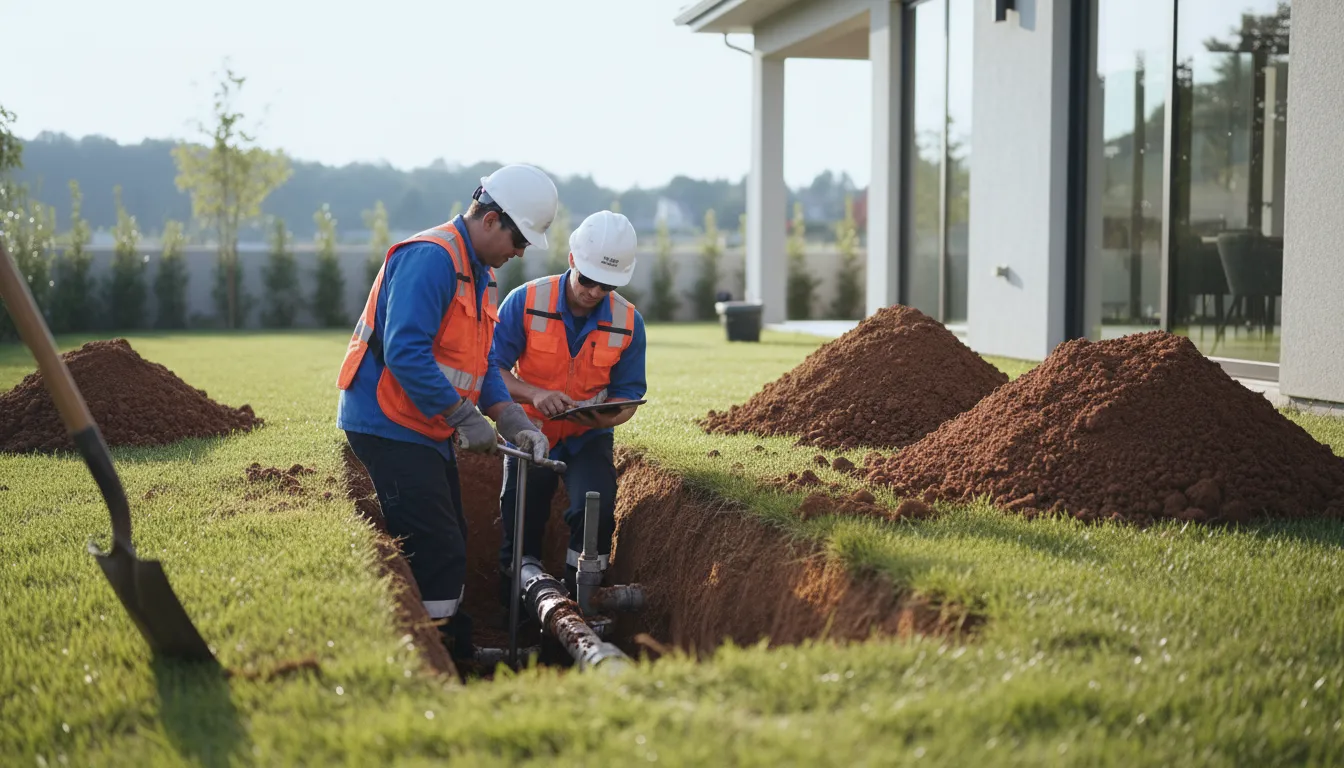
Find the Best Septic System Repair Companies for Your Business
No obligation • Fast responses • Nationwide coverage

Why you can trust Septic Spot
Septic Spot is a leading United States resource for understanding and comparing septic services. Our editors review providers using consistent criteria and verify key business details. Listings and scores are independent, and companies cannot pay to influence our content.
Search providers near you
Top Septic System Repair Companies in Billings, Montana Ranked
A properly functioning septic system is essential for protecting your home's plumbing, your property value, and the local environment in Yellowstone County. When your system shows signs of trouble-like slow drains, soggy ground, or unpleasant odors-prompt septic system repair is critical to prevent a complete failure and costly environmental hazards. This guide explains the local repair process, common issues, and how to connect with qualified professionals in the Billings area who can diagnose problems and navigate the required county health department regulations.
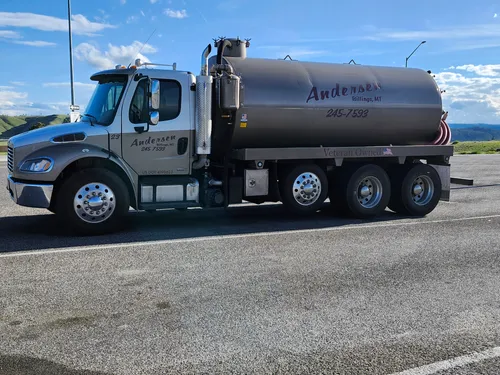
Andersen Sewer Service
7371 Kylee Sue Dr, Shepherd, MT 59079
Andersen Sewer Service is a veteran-owned, family-operated company providing septic system pumping, repair, and installation services in Billings, MT. They serve both residential and commercial clients across south-central Montana, including grease trap maintenance and emergency septic services. With over 40 years of combined experience, Andersen Sewer Service offers thorough assessments and repairs tailored to Montana's unique soil and climate conditions. The team emphasizes clear communication and practical solutions to maintain system health and prevent disruptions.
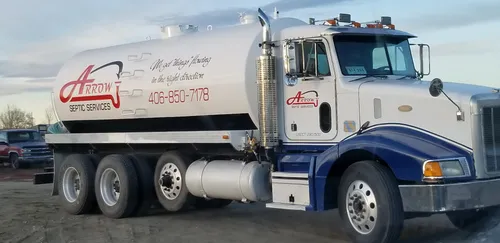
Arrow Septic and Sewer Services, LLC
8105 Hofferber Rd, Shepherd, MT 59079
Arrow Septic and Sewer Services, LLC provides a range of septic system services in Billings, MT, and surrounding areas including Shepherd, Red Lodge, Lockwood, and more. The company offers septic tank installation, pumping, grease trap pumping, drain field repair and replacement, septic tank filter cleaning, and porta-potty rentals. They serve both residential and commercial clients and provide 24/7 availability including same-day, evening, weekend, and emergency services. Their expertise includes comprehensive drain field services to address septic system seepage issues. Arrow Septic and Sewer Services also covers multiple counties such as Yellowstone, Musselshell, and Carbon. Serving a broad region around Billings, the company emphasizes maintaining septic systems to extend their lifespan and prevent costly repairs. They focus on protecting water supplies from contamination by providing professional septic maintenance and repair solutions.
Schessler Excavation and Septic
230 Lois Pl, Laurel, MT 59044
Schessler Excavation and Septic is a family-owned company serving Billings, MT, and nearby communities. They specialize in septic system design, installation, inspection, and repair, along with excavation and site preparation for residential properties. Their services include septic tank and sewage pump replacement, foundation excavation, cistern installation, road and pad building, and hydro excavation. With over 65 years of experience, they offer a range of equipment services such as skid steer, dump truck, loader, dozer, and road grader operations to support various residential projects.
Understanding Septic System Failures and Repairs
A septic system is a complex onsite wastewater treatment system. When one component malfunctions, it can compromise the entire operation. In Billings and the surrounding Yellowstone County area, the most common reasons for needing septic tank repair or drainfield work include age, lack of maintenance, hydraulic overloading (using more water than the system was designed for), and physical damage from vehicles or tree roots.
Recognizing early warning signs can save you from a major emergency repair. Be alert for:
- Drainage problems: Slow-draining sinks, tubs, and toilets, or gurgling sounds in your plumbing.
- Unpleasant odors: Sewage smells inside your home or around the yard near the drainfield.
- Surface issues: Unusually lush, green grass over the drainfield, or soggy, spongy, or standing water in that area.
- Backups: Sewage backing up into household drains.
If you notice any of these signs, it's time to contact a local septic service professional for an inspection.
The Billings Repair Process: Permits and Inspections Are Mandatory
All septic system repairs and replacements in Yellowstone County are regulated by RiverStone Health, the local public health department. Their primary goal is to protect groundwater-the source of drinking water for many residents-from contamination 1. This means you cannot simply hire a contractor to dig up and fix a problem without official oversight.
The standard process for any significant septic work involves:
- Professional Assessment: A licensed septic installer or repair specialist will locate your tank and drainfield, uncover the access lids, and perform a thorough inspection to diagnose the exact problem 2.
- Permit Application: For any repair or replacement, a permit must be obtained from RiverStone Health Environmental Health Services. The application must detail the planned work.
- Hiring a Licensed Professional: While homeowners can apply for permits themselves, it is highly recommended to hire a state-licensed septic system installer. They understand the local codes and can manage the permit process. Notably, permit fees are often lower when a certified installer is used.
- Repair Work: The approved repairs are completed according to Montana DEQ Circular 4, which sets the minimum standards for onsite wastewater systems in the state.
- Final Inspection: Before the repaired or replaced system is buried and put back into use, a sanitarian from RiverStone Health must inspect the work to ensure it complies with the permit and state standards 3. Failure to obtain this inspection can result in orders to re-excavate the work.
Systems that are not functioning properly can be declared a public health nuisance. RiverStone Health can issue a "cease and desist" order, requiring the property owner to make repairs within 30 days 4.
Common Types of Septic Repairs in the Billings Area
The scope and cost of your septic fix depend entirely on the nature and location of the failure. Here are the most common repairs performed by local companies.
Tank-Related Repairs
The septic tank itself is a buried, watertight container that needs to remain structurally sound.
- Pumping and Cleaning: This is routine maintenance, not always a repair, but it is often the first step in diagnosing a problem. Pumping out the sludge and scum allows a professional to inspect the tank's interior for cracks, check the inlet and outlet baffles, and see if effluent is flowing properly to the drainfield 5.
- Baffle Repair or Replacement: Broken or deteriorated baffles (tees) at the tank's inlet or outlet can allow solids to escape into the drainfield, causing premature clogging. Replacing them is a common fix.
- Lid and Access Riser Repair: Concrete lids can crack or deteriorate, and risers can become damaged. Repairing or replacing these components is crucial for safety and proper access.
- Effluent Filter Maintenance: Many modern tanks have a filter on the outlet to provide an extra layer of protection for the drainfield. This filter requires periodic cleaning; if neglected and clogged, it can cause backups. Replacing a damaged filter is a simple but important repair.
Drainfield (Leach Field) Repairs
This is often where the most serious-and expensive-problems occur. The drainfield is the area where treated liquid wastewater (effluent) is dispersed into the soil for final treatment.
- Localized Repair: If only a section of the drainfield is failing, it may be possible to repair or replace just the clogged or broken distribution pipes in that area.
- System Extension or Replacement: If the entire drainfield has failed due to age, clogging (biomat formation), or hydraulic overload, a new drainfield may need to be constructed. This requires suitable space on your property and a new permit.
- Alternative Systems: In areas with high groundwater, poor soil permeability, or small lots, a conventional drainfield may not work. Repairs in these cases might involve installing an advanced treatment system or a raised sand mound system to properly treat the wastewater 6 7.
Other Specialized Services
- Line Thawing: In Montana's cold winters, sewer lines or sections of a drainfield can freeze, especially if the system is not used regularly or is poorly insulated. Specialists use steam or other methods to safely thaw frozen lines 8.
- System Upgrades: If you're adding a bedroom to your home, local regulations may require you to upgrade your septic system's capacity to handle the increased wastewater flow 9.
Find the perfect septic system repair companies for your needs
Get personalized recommendations and expert advice
What to Expect: Costs and Choosing a Service Provider
Repair costs in Billings vary dramatically based on the job's complexity. A simple fix like replacing a baffle or cleaning a filter may cost a few hundred dollars. A full drainfield replacement, however, involves heavy equipment, excavation, and new materials, typically costing several thousand to tens of thousands of dollars 10.
Permit fees from RiverStone Health are an additional, required cost. As of recent data, these include 11 12:
- Replacement Tank/Drainfield Permit: $300 (with a certified installer) to $500 (for a homeowner or uncertified individual).
- Drainfield-Only Permit: $150 (certified) to $300 (non-certified).
- Tank-Only Permit: $50 (certified) to $100 (non-certified).
When searching for a septic repair company in Billings, look for:
- State Licensing: Ensure they are licensed by the Montana Department of Environmental Quality for septic system installation and repair.
- Local Experience: Choose a company familiar with Yellowstone County soils, regulations, and the inspectors at RiverStone Health.
- Comprehensive Services: Many companies offer inspection, pumping, repair, and installation, which can be helpful for ongoing maintenance.
- Good Communication: They should clearly explain the problem, provide a detailed estimate, and guide you through the permit process.
Always get multiple estimates for significant repair work. A reputable provider will insist on pulling the proper permit before starting any major excavation or replacement.
Maintaining Your System After Repairs
Once your system is repaired and inspected, protect your investment with proper care:
- Pump Regularly: Have your tank pumped every 3-5 years, or as recommended by your inspector, based on household size and tank capacity.
- Conserve Water: Spread out laundry loads, fix leaky faucets, and install water-efficient fixtures to avoid overloading the system.
- Mind What You Flush: Only human waste and toilet paper should go down the drain. Avoid grease, chemicals, wipes (even "flushable" ones), feminine hygiene products, and medications.
- Protect the Drainfield: Never drive or park vehicles on it, and keep trees and shrubs with deep roots away from the area.
Taking these steps will extend the life of your repaired system and help you avoid another costly failure down the line. For questions about permits or to report a suspected system failure, you can contact RiverStone Health Environmental Health Services directly at 406.256.2770 13.
Frequently asked questions
Sources
Footnotes
-
Rules and Regulations for On-Site Wastewater Treatment ... - https://riverstonehealth.org/wp-content/uploads/Rule-3-11th-revision-approved-9.22.16-signed-document.pdf ↩
-
A 3-Step Checklist for Septic Tank Inspection - AAA Pumping Services - https://www.aaapumpingservice.net/a-3-step-checklist-for-septic-tank-inspection ↩
-
Onsite Wastewater Treatment Regulations - https://www.adlc.us/DocumentCenter/View/152/Tri-County-Wastewater-Regulation-PDF ↩
-
Planning & Zoning - https://www.minnehahacounty.gov/dept/pl/septicSystem/05faqs.php ↩
-
PRICELESS! - Weston, MA - https://www.westonma.gov/DocumentCenter/View/100/A-Healthy-Septic-System-PDF?bidId= ↩
-
A Montana Homeowner's Guide to Septic Systems - https://deq.mt.gov/files/Land/SolidWaste/Documents/HomeownerGuideSepticSystems.pdf ↩
-
CIRCULAR DEQ 4 MONTANA STANDARDS FOR ... - https://deq.mt.gov/files/Water/WQInfo/Documents/Subdivisions/DEQ-4-2023.pdf ↩
-
Septic Tank Pumping Installation & Repair Service - Cleaning ... - https://bigskyseptic.com/ ↩
-
ON-SITE WASTEWATER TREATMENT SYSTEMS - https://archive.legmt.gov/content/Committees/Interim/2019-2020/Local-Government/Meetings/Sept-2019/On-site%20systems%20summary.pdf ↩
-
New Homebuyer's Guide to Septic Systems - EPA - https://www.epa.gov/sites/default/files/2017-08/documents/170803-homebuyerssepticguide_508c.pdf ↩
-
THE BEST 10 SEPTIC SERVICES in BILLINGS, MT - Yelp - https://m.yelp.com/search?cflt=septicservices&find_loc=Billings%2C+MT ↩
-
Outline of Septic System Permitting Process - https://www.centralmontanahealthdistrict.org/images/health/Outline%20of%20Septic%20System%20Permit%20Process%202016.pdf ↩
-
Septic Permits + Subdivision Review - RiverStone Health - https://riverstonehealth.org/inspections-permits/septic-permits-subdivision-review/ ↩