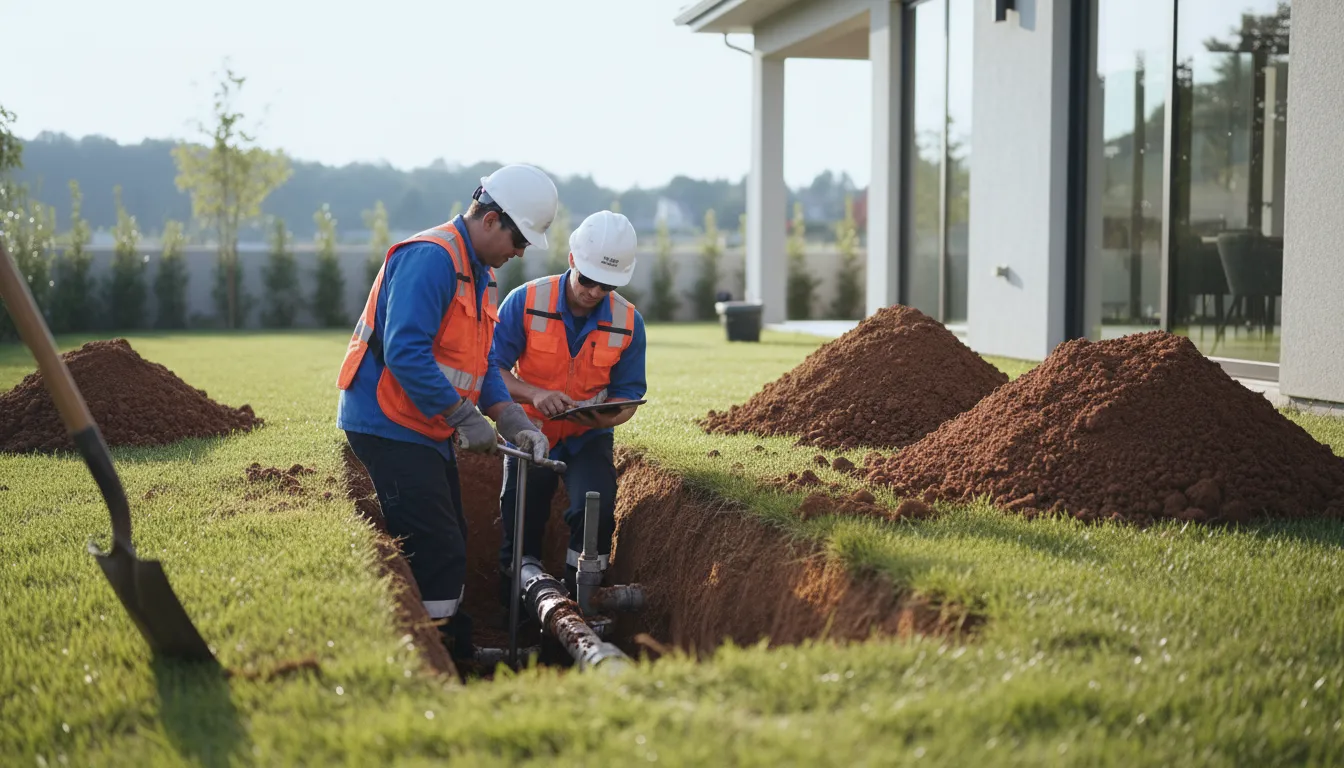
Find the Best Septic System Repair Companies for Your Business
No obligation • Fast responses • Nationwide coverage

Why you can trust Septic Spot
Septic Spot is a leading United States resource for understanding and comparing septic services. Our editors review providers using consistent criteria and verify key business details. Listings and scores are independent, and companies cannot pay to influence our content.
Search providers near you
Best Septic System Repair Companies in New York Ranked
A failing septic system is more than an inconvenience; it's a health hazard and a significant financial liability. Septic system repair in New York involves addressing issues with your tank, drain field, or related components to restore proper wastewater treatment on your property. Given the state's diverse geography-from the rocky soils of the Adirondacks to the sensitive groundwater of Long Island-repairs are strictly regulated to protect public health and the environment. This guide provides clear, practical information to help you understand the repair process, navigate New York's specific regulations, and connect with qualified local professionals to get your system functioning safely again.
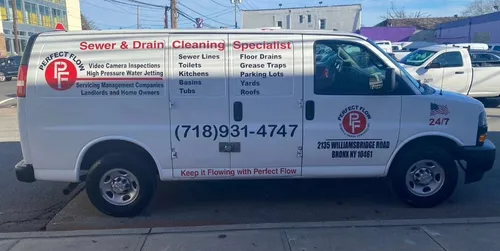
Perfect Flow Sewer & Drain Services
2135 Williamsbridge Rd, Bronx, NY 10461
Perfect Flow Sewer & Drain Services provides septic tank inspection and septic system repair in Yonkers, NY. They offer thorough inspections, efficient cleaning, and precise repairs to maintain reliable sewer and drain systems. Their services focus on ensuring seamless flow and system functionality.
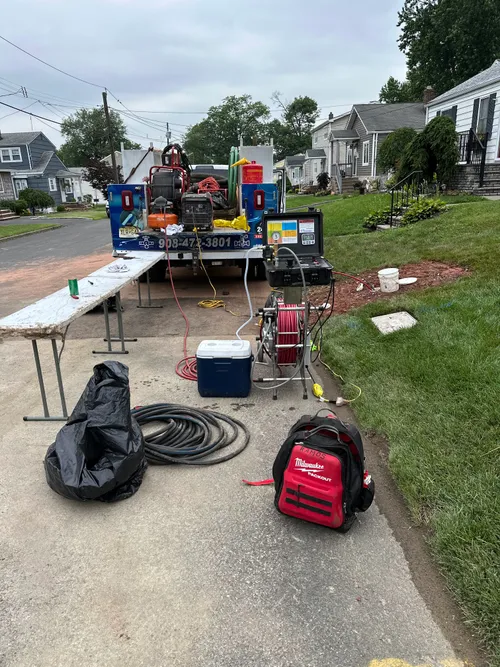
Arrow Sewer and Drain
165 Union Ave, Middlesex, NJ 08846
Arrow Sewer and Drain is a septic tank inspection and repair company serving New York, NY. They specialize in trenchless sewer repair methods that avoid excavation, preserving property while fixing cracked or corroded underground pipes. Their services include sewer inspections, pipe repairs, hydro-jetting, and emergency plumbing. The company offers 24/7 emergency plumbing service to address urgent sewer line problems quickly with professional camera inspections and effective solutions. Arrow Sewer and Drain serves a wide area including Middlesex and Somerset Counties in New Jersey, providing residential, commercial, and municipal sewer and plumbing projects.
Zuidema Septic Services & Portable Toilets
90 Midland Ave, Midland Park, NJ 07432
Zuidema Septic Services & Portable Toilets provides residential and commercial septic services along with portable toilet and restroom trailer rentals in New York, NY. With over 100 years of experience since 1919, they offer septic tank pumping, inspections, repairs, and grease trap services. Their use of advanced sewer camera technology helps identify and address sewer line issues effectively. Zuidema also offers 24/7 emergency service for septic and portable toilet needs, ensuring support is available at any time.
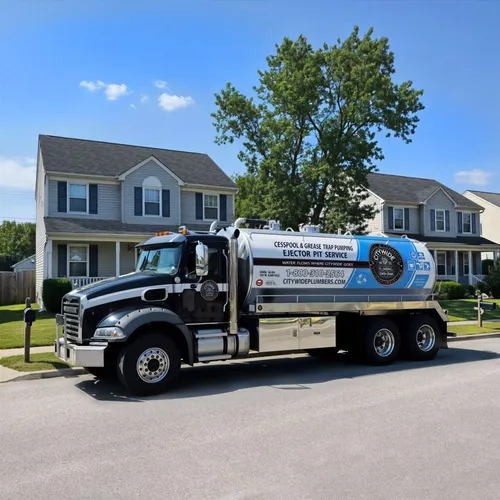
Citywide Grease Trap Maintenance | Cesspool Pumping Service Long Island
110 Voice Rd, Carle Place, NY 11514
Citywide Grease Trap Maintenance | Cesspool Pumping Service Long Island provides septic and cesspool pumping, inspection, repair, and installation services in New York, NY. Serving both residential and commercial clients, they offer comprehensive maintenance and cleaning to prevent system failures. Their skilled technicians use advanced equipment for installations and repairs, including grease trap pumping and sewage ejector pit services. With over 65 years of experience, Citywide operates 24/7 to address emergency needs promptly.
Water Resource Technologies
2 Kanouse Rd, Newfoundland, NJ 07435
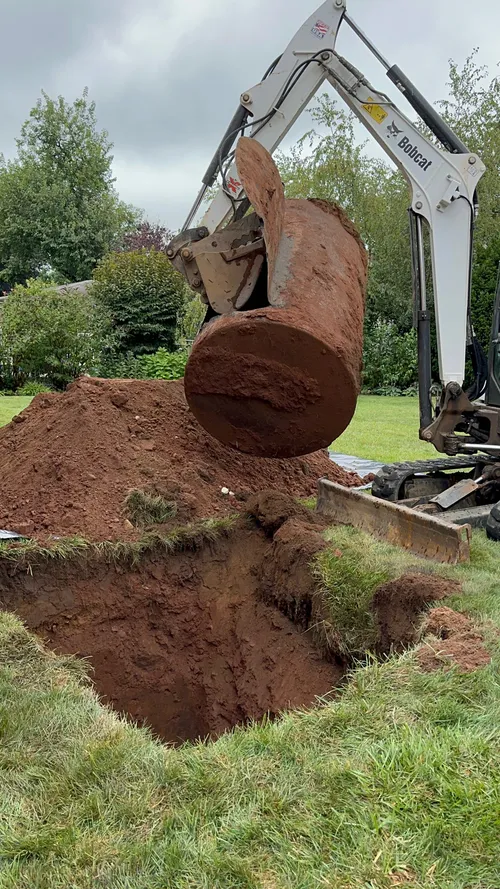
Water Resource Technologies is a full-service environmental remediation and consulting company based near New York, NY. They specialize in septic system repair and installation, as well as residential heating oil tank services and environmental site remediation. Their expertise includes environmental drilling and borings, supporting a range of environmental and septic system needs.
Understanding New York's Septic System Regulations
All septic system work in New York State is governed by the State Sanitary Code, specifically 10 NYCRR Appendix 75-A. This code sets the minimum standards for design, construction, and repair. Crucially, enforcement and permitting are handled at the local level by county or district health departments. This means the specific requirements can vary between, for example, Suffolk County and Clinton County, though they all adhere to the state's baseline rules.
A construction permit is mandatory for any septic system installation or major replacement, as mandated by the NYS Health Code 1. "Major replacement" typically includes work like replacing the septic tank, constructing a new leach field, or significantly altering the system's design. Even for repairs, it's essential to contact your local health department first to determine if a permit is required. Proceeding without a necessary permit can result in fines and orders to undo the work.
Common Reasons for Septic System Failure
Knowing why systems fail can help you catch problems early. Common issues in New York include:
- Aging Systems: Many components have a finite lifespan. Tanks can crack, and leach fields eventually clog.
- Soil Saturation: Poor drainage due to high groundwater (common in spring or in low-lying areas) or impermeable soil layers can cause the drain field to fail.
- Physical Damage: Driving heavy vehicles over the tank or drain field can crush pipes and compact soil.
- Lack of Maintenance: Failure to pump the tank regularly (every 2-3 years is advised ) allows solids to flow into and clog the drain field, leading to premature failure.
- Improper Use: Flushing non-biodegradable items, excessive use of garbage disposals, or pouring chemicals down the drain can disrupt the bacterial balance and clog the system.
The Repair Process: From Diagnosis to Completion
A professional repair typically follows these steps:
- Inspection & Diagnosis: A licensed installer or engineer will perform a thorough inspection, often including a tank pump-out to assess the tank's condition and a probe of the drain field to locate the problem.
- Site Evaluation & Design: For major repairs, a new site evaluation and soil test (percolation test) may be required. A detailed site plan must be created, showing the proposed repair location relative to wells, property lines, and water bodies 2.
- Permitting: Your contractor will usually submit the design and application for a construction permit to the local health department on your behalf. In specific regions like the Catskill/Delaware watershed, the Catskill Watershed Corporation administers separate repair and replacement programs with their own approval process 3.
- Repair Execution: Once permitted, the contractor will execute the repair. This could range from replacing a broken pipe to installing a completely new leach field or advanced treatment unit.
- Final Inspection: The local health department or a licensed professional will conduct a final inspection to ensure the repair complies with the approved plans and state code before the system is backfilled and put into use.
Key Technical Requirements for Repairs
New York's code has strict technical standards that any repair must meet:
- Soil Depth: Conventional absorption systems (leach fields) require a minimum of 4 feet of usable soil above bedrock and the seasonal high groundwater level 4.
- Separation Distance: There must be at least 2 feet of vertical separation between the bottom of the absorption trench and the limiting layer (bedrock or groundwater) 5.
- Setback Distances: Systems must be located specific minimum distances from wells, property lines, buildings, and surface water. These distances are defined by local regulations and can range from 5 to 50 feet or more depending on the constraint.
- Groundwater Protection: In areas with vulnerable drinking water aquifers, such as Long Island, Suffolk County has enacted even stricter requirements for nitrogen reduction to protect groundwater, especially where it is less than 10 feet below the surface.
Find the perfect septic system repair companies for your needs
Get personalized recommendations and expert advice
Cost of Septic System Repairs in New York
Repair costs vary dramatically based on the extent of the damage, soil conditions, and local requirements. Here's a general breakdown:
- Minor Repairs: Fixing a clogged pipe, replacing a baffle, or repairing a tank lid may cost $1,500 or less 6.
- Tank Replacement: The tank itself for a standard 1,000-gallon system may cost between $500 and $900, but full replacement with excavation, permitting, and labor often brings the total to $5,000 to $9,000 7.
- Conventional System Repair/Replacement: Replacing a failed leach field or doing a full conventional system replacement typically ranges from $10,000 to $25,000 in the current market.
- Advanced/Alternative Systems: In areas requiring nitrogen-reducing technology (often called Innovative/Alternative (I/A) systems), costs can start at $20,000 and exceed $30,000 due to the complex equipment and monitoring involved 8 9.
Note on Financial Assistance: New York State and some counties, particularly those focused on water quality protection, offer grant and low-interest loan programs to help offset the cost of repairing or replacing failing systems. It's worth investigating programs like the Septic Repair and Replacement Program administered in certain watersheds 10.
Maintaining Your System Post-Repair
After investing in a repair, proper maintenance is key to protecting that investment.
- Pump Regularly: Have the tank pumped by a professional every 2-3 years, or as inspected recommended 11 12.
- Conserve Water: Spread out laundry loads and fix leaky fixtures to avoid overwhelming the drain field.
- Mind What You Flush: Only human waste and toilet paper should go in. Avoid chemicals, grease, diapers, and wipes (even "flushable" ones).
- Protect the Drain Field: Never drive or park on it, and keep roof drains and sump pumps directed away from it.
- Keep Records: Maintain all permits, inspection reports, and pumping records for future reference.
Choosing a Qualified Repair Professional in New York
Selecting the right contractor is critical. Look for:
- Licensing: Ensure they are licensed by the New York State Department of Health (as a Wastewater Treatment Installer) or have the required local certification.
- Experience with Local Rules: They should be familiar with your county health department's specific permitting process and requirements.
- Insurance: Verify they carry liability and workers' compensation insurance.
- References & Reviews: Ask for local references and check online reviews.
- Detailed Estimates: Obtain written, detailed estimates that break down costs for labor, materials, and permitting fees.
Frequently asked questions
Sources
Footnotes
-
NYS Health Code requires a construction permit to install and/or ... - https://www.facebook.com/clintonhealth/posts/nys-health-code-requires-a-construction-permit-to-install-andor-replace-a-septic/1275656230999367/ ↩
-
ON-SITE WASTEWATER TREATMENT SYSTEMS - NY.Gov - https://extapps.dec.ny.gov/docs/water_pdf/onsitewastewater.pdf ↩
-
Septic Repair and Replacement - Catskill Watershed Corporation - https://cwconline.org/programs/septic-repair-and-replacement/ ↩
-
APPENDIX 75-A - New York State Department of Health - https://www.health.ny.gov/environmental/water/drinking/docs/appendix_75a.pdf ↩
-
procedures & policies subsurface sewage treatment & water ... - https://www.putnamcountyny.gov/images/Departments/Department_of_Health/Documents-Forms/Engineering/ST-19_SSTSWater_Supply_Single_Family_Residences_2023.pdf ↩
-
How Much Does It Cost to Repair a Septic Tank? - https://www.wepumpitsepticservice.com/how-much-does-it-cost-to-repair-septic-tank ↩
-
Residential Septic Tank Pricing | Homeowner's Guide to Costs - https://www.ntotank.com/blog/residential-septic-tank-pricing ↩
-
Average Cost of Septic Installation in Long Island - https://jetcesspoolservice.com/average-cost-of-septic-installation/ ↩
-
New Directions for Local Septic System Management in New ... - https://efc.syr.edu/wp-content/uploads/2025/02/Public-Problem_Private-Property_PDF_2024_FINAL.pdf ↩
-
NY State Septic Repair and Replacement Program Outline | - https://truesdalelake.com/2021/04/ny-state-septic-repair-and-replacement-program-outline/ ↩
-
Septic System Operation and Maintenance - https://www.health.ny.gov/publications/3208/ ↩
-
Septic System - New York State Department of Health - https://www.health.ny.gov/publications/3208.pdf ↩