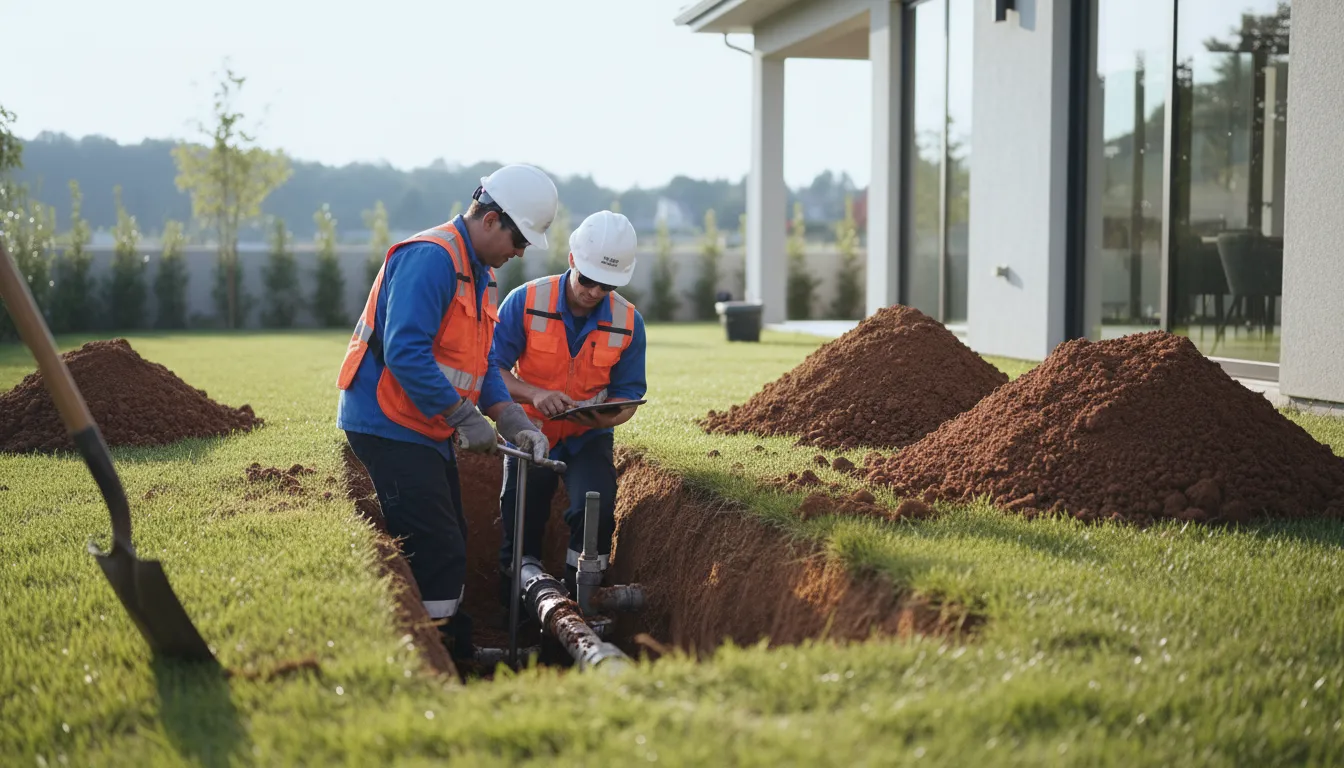
Find the Best Septic System Repair Companies for Your Business
No obligation • Fast responses • Nationwide coverage

Why you can trust Septic Spot
Septic Spot is a leading United States resource for understanding and comparing septic services. Our editors review providers using consistent criteria and verify key business details. Listings and scores are independent, and companies cannot pay to influence our content.
Search providers near you
Top Septic System Repair Companies in New York, New York Ranked
A failing septic system is more than an inconvenience; it's a serious environmental and public health concern that requires immediate, professional attention. Septic system repair involves diagnosing and fixing issues with your onsite wastewater treatment system, from the tank to the drain field. In a densely populated state like New York, proper system function is critical to protect groundwater and comply with strict regulations. This guide helps you understand the repair process, local rules, and how to connect with qualified professionals to restore your system's health.
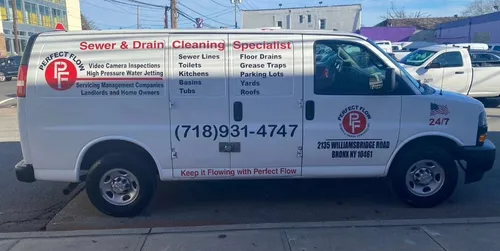
Perfect Flow Sewer & Drain Services
2135 Williamsbridge Rd, Bronx, NY 10461
Perfect Flow Sewer & Drain Services provides septic tank inspection and septic system repair in Yonkers, NY. They offer thorough inspections, efficient cleaning, and precise repairs to maintain reliable sewer and drain systems. Their services focus on ensuring seamless flow and system functionality.
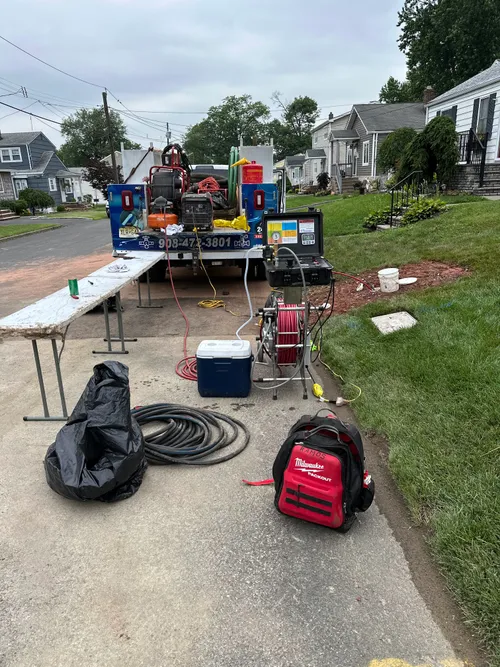
Arrow Sewer and Drain
165 Union Ave, Middlesex, NJ 08846
Arrow Sewer and Drain is a septic tank inspection and repair company serving New York, NY. They specialize in trenchless sewer repair methods that avoid excavation, preserving property while fixing cracked or corroded underground pipes. Their services include sewer inspections, pipe repairs, hydro-jetting, and emergency plumbing. The company offers 24/7 emergency plumbing service to address urgent sewer line problems quickly with professional camera inspections and effective solutions. Arrow Sewer and Drain serves a wide area including Middlesex and Somerset Counties in New Jersey, providing residential, commercial, and municipal sewer and plumbing projects.
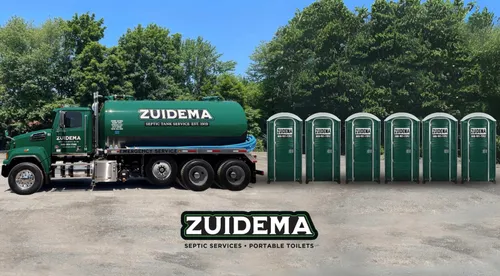
Zuidema Septic Services & Portable Toilets
90 Midland Ave, Midland Park, NJ 07432
Zuidema Septic Services & Portable Toilets provides residential and commercial septic services along with portable toilet and restroom trailer rentals in New York, NY. With over 100 years of experience since 1919, they offer septic tank pumping, inspections, repairs, and grease trap services. Their use of advanced sewer camera technology helps identify and address sewer line issues effectively. Zuidema also offers 24/7 emergency service for septic and portable toilet needs, ensuring support is available at any time.
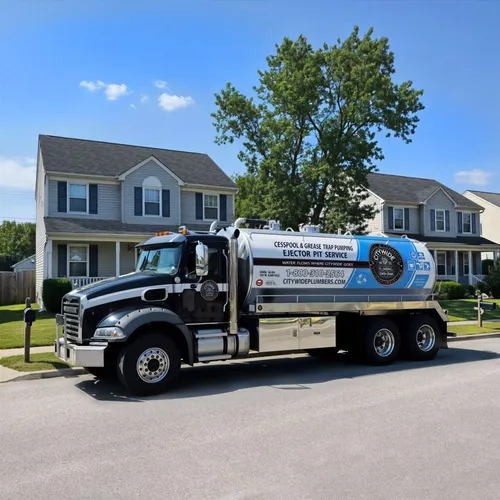
Citywide Grease Trap Maintenance | Cesspool Pumping Service Long Island
110 Voice Rd, Carle Place, NY 11514
Citywide Grease Trap Maintenance | Cesspool Pumping Service Long Island provides septic and cesspool pumping, inspection, repair, and installation services in New York, NY. Serving both residential and commercial clients, they offer comprehensive maintenance and cleaning to prevent system failures. Their skilled technicians use advanced equipment for installations and repairs, including grease trap pumping and sewage ejector pit services. With over 65 years of experience, Citywide operates 24/7 to address emergency needs promptly.
Water Resource Technologies
2 Kanouse Rd, Newfoundland, NJ 07435
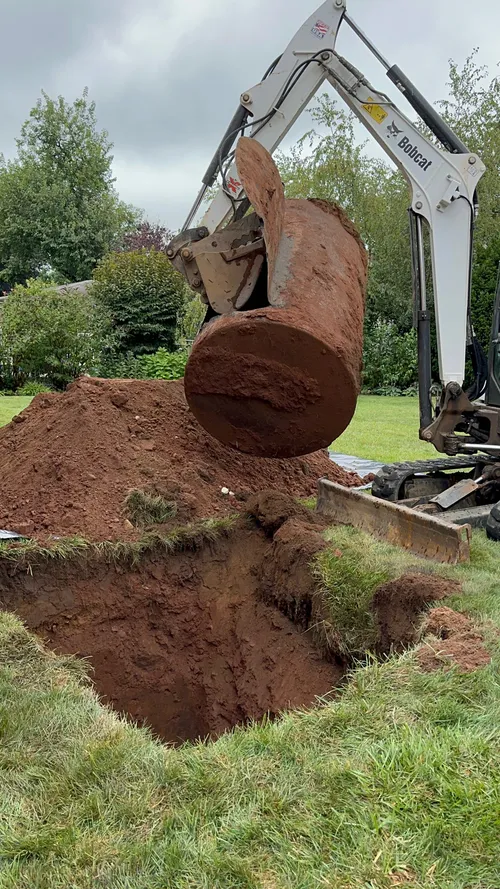
Water Resource Technologies is a full-service environmental remediation and consulting company based near New York, NY. They specialize in septic system repair and installation, as well as residential heating oil tank services and environmental site remediation. Their expertise includes environmental drilling and borings, supporting a range of environmental and septic system needs.
Understanding New York's Septic System Regulations
All residential septic system repairs in New York State are governed by stringent regulations, primarily under NYS Department of Health Appendix 75-A standards 1. Enforcement, however, happens at the local level. Your county health department (e.g., Suffolk, Erie, Putnam) is the primary authority you must work with for any repair project.
Before any work begins, you must obtain a "Construction Permit for an Onsite Wastewater Treatment System" from your local health department 2. This is non-negotiable. The department must also approve your repair plans. Crucially, any completed repair must be inspected and approved by a department representative before the excavation is backfilled. Skipping these steps can result in fines and an unpermitted, illegal system.
Special requirements exist in certain regions. For instance, Suffolk and Nassau counties often mandate the installation of innovative/alternative (I/A) onsite wastewater treatment systems for replacements, which include nitrogen-reduction technology to protect coastal waters 3. If you are buying or selling a home, be aware that some counties, like Erie and Cayuga, require a septic system inspection and certification before the property title can be transferred 4.
Common Septic Repairs and Their Scope
Not all system failures require a full replacement. Professional diagnosis will determine the appropriate scope of work.
Minor Repairs ($250-$600): These are often contained fixes that address specific components. Common minor repairs include replacing cracked inlet or outlet pipes, repairing or replacing damaged baffles (which are essential for preventing scum and sludge from exiting the tank), fixing broken or damaged tank lids, and replacing a cracked distribution box that sends effluent to the drain field 5.
Hydro-jetting & Remediation: If your drain field pipes are clogged with sludge or a thick bio-mat, hydro-jetting-using high-pressure water to scour the pipes-can be an effective repair. This is often combined with enzyme or bacterial treatments to break down organic buildup and restore drainage.
Leach Field Repair or Restoning: When a drain field fails due to sludge buildup, compaction, or root intrusion, a partial repair may be possible. This involves excavating the affected area, replacing damaged perforated pipes, and replenishing the aggregate (stone) bed. This process, sometimes called "restoning," can rejuvenate a section of the field without a full replacement 6 7.
Full System Replacement ($10,000-$25,000+): If the tank is structurally compromised (severely cracked or collapsed) or the entire drain field has failed beyond repair, a full system replacement is necessary. This is a major excavation project that involves designing and installing a new tank and leach field compliant with current codes.
The Diagnostic Process: From Inspection to Repair Plan
A proper repair begins with a thorough inspection by a licensed professional. This process is methodical and provides the blueprint for all subsequent work.
- Locating & Accessing: The technician will first locate the tank and distribution box, often using probing rods or electronic locating equipment. They will then excavate to expose the access covers.
- Pumping & Tank Inspection: The tank is pumped out by a licensed waste hauler. With the tank empty, the inspector can check for structural issues like cracks, corrosion, or leaks. They will also use a tool called a "sludge judge" to measure sludge and scum levels, which indicates how well the system has been maintained 8.
- Baffle & Component Check: The inlet and outlet baffles are inspected for damage. These are critical for preventing solids from entering and clogging the drain field 9.
- Dye or Flow Test: To assess the drain field's functionality, a dye test may be performed. Water is run into the system (approximately 55 gallons per bedroom), often with a non-staining dye, to see if it drains properly or if it surfaces, indicating a failure 10 11.
- Formal Report: A reputable inspector will provide a detailed written report outlining their findings, the system's condition, and any necessary repairs or replacements. This report is essential for obtaining repair permits and for your own records 12.
Find the perfect septic system repair companies for your needs
Get personalized recommendations and expert advice
Financial Assistance and Understanding Costs
The cost of septic work can be significant, but New York State and several watershed organizations offer financial assistance programs to help offset the burden.
General Cost Ranges:
- Minor Repairs: $250 - $600
- Permit Fees: $150 - $300 13
- Full System Replacement: $10,000 - $25,000+ 14 15
NYS Septic System Replacement Fund: This state program provides reimbursement grants covering up to 50% of eligible costs (with a maximum of $10,000) for system replacements. A key eligibility requirement is that the property must be within 250 feet of a "priority waterbody" 16. Your local county health department can provide application details.
Catskill Watershed Corporation (CWC) Programs: For primary residents within the West-of-Hudson Watershed (parts of Delaware, Greene, Schoharie, and Ulster counties), the CWC offers robust support. They provide 50% reimbursement for routine pump-outs and can fund up to 100% of the cost for necessary repairs or replacements for eligible homeowners 17 18.
Always check with your local health department and county government to learn about any additional county-specific grant or low-interest loan programs that may be available.
Proactive Maintenance to Avoid Major Repairs
The most cost-effective "repair" is consistent, preventative maintenance. Adhering to these practices can extend your system's life for decades and prevent sudden, expensive failures.
- Pump Regularly: Have your tank pumped by a licensed professional every 3 to 5 years, depending on household size and usage 19.
- Conserve Water: Reduce hydraulic overload by fixing leaks, using water-efficient fixtures, and spreading out laundry loads.
- Mind What You Flush: Never flush non-degradable items like wipes, paper towels, feminine hygiene products, or condoms. Avoid pouring grease, oils, strong chemicals (paint, bleach, drain cleaners), or excessive antibiotics down the drain, as these can kill the essential bacteria in your tank 20.
- Protect the Drain Field: Do not park cars, build structures, or place heavy objects over your septic system or drain field. Avoid planting trees or deep-rooted shrubs nearby, as roots can infiltrate and damage pipes 21.
Choosing a Qualified Repair Professional in New York
Given the regulatory complexity, choosing the right contractor is paramount. Look for a licensed onsite wastewater treatment system installer or repair specialist with extensive experience in your specific county. They should be fully familiar with local health department protocols, permit processes, and inspection requirements. Always verify that they pull the proper construction permit before starting work and that they coordinate the final inspection with the health department. Request references and proof of insurance. A trustworthy professional will provide a detailed, written estimate and clearly explain the diagnostic findings and the proposed repair solution.
Frequently asked questions
Sources
Footnotes
-
APPENDIX 75-A - New York State Department of Health - https://www.health.ny.gov/environmental/water/drinking/docs/appendix_75a.pdf ↩
-
NYS Health Code requires a construction permit to install and ... - https://www.facebook.com/clintonhealth/posts/nys-health-code-requires-a-construction-permit-to-install-andor-replace-a-septic/1275656230999367/ ↩
-
Residential Standards 2022.04.19.pdf - Suffolk County Government - https://www.suffolkcountyny.gov/Portals/0/FormsDocs/health/WWM/Residential%20Standards%202022.04.19.pdf ↩
-
Septic and Onsite Wastewater Systems | Environmental Health - https://www3.erie.gov/envhealth/septic-and-onsite-wastewater-systems ↩
-
Expert Septic Tank Repair and Replacement Services - https://www.unitedsewerservice.com/septic-tank-repair-and-replacement-services/ ↩
-
Leach Field and Seepage Pit Repairs | Monroe, NY - https://www.septicsolutionsny.com/leach-field-seepage-pit-repairs ↩
-
Septic Repair vs. Replacement: A Guide to Costs & Red Flags - https://prosepticri.com/septic-repair-vs-replacement-guide/ ↩
-
Septic System Operation and Maintenance - https://www.health.ny.gov/publications/3208/ ↩
-
EPA - NYC.gov - https://www.nyc.gov/assets/dep/downloads/pdf/watershed-protection/east-of-hudson-ms4/epa_guide_to_septic_systems_b.pdf ↩
-
Septic Inspection Service in New York - https://sherwoodinspection.com/septic-inspection-new-york/ ↩
-
What Does a Septic Inspection Entail? - HomeLight - https://www.homelight.com/blog/septic-inspection/ ↩
-
Septic System Installation & Inspection | Cayuga County, NY - http://www.cayugacounty.gov/677/Septic-System-Installation-Inspection ↩
-
procedures & policies sewage system repair permits - Putnam County - https://www.putnamcountyny.gov/images/Departments/Department_of_Health/Documents-Forms/Engineering/RP-1_SSTS_Repair_Procedures.pdf ↩
-
New Directions for Local Septic System Management in New ... - https://efc.syr.edu/wp-content/uploads/2025/02/Public-Problem_Private-Property_PDF_2024_FINAL.pdf ↩
-
Get Septic System Replacement in Albany, NY - https://albanyseptic.com/get-septic-system-replacement ↩
-
NYS Septic System Replacement Fund - Dutchess County Government - https://www.dutchessny.gov/Departments/DBCH/NYS-Septic-System-Replacement-Fund.htm ↩
-
Septic Repair and Replacement - Catskill Watershed Corporation - https://cwconline.org/programs/septic-repair-and-replacement/ ↩
-
septic system rehabilitation and replacement program rules (article 2 ... - https://cwconline.org/wp-content/uploads/2018/05/Article-2A-Program-Rules-Rev.-05-01-18.pdf ↩
-
Septic System Operation and Maintenance - https://www.health.ny.gov/publications/3208/ ↩
-
Septic System Operation and Maintenance - https://www.health.ny.gov/publications/3208/ ↩
-
Septic System Operation and Maintenance - https://www.health.ny.gov/publications/3208/ ↩