
Find the Best Septic System Repair Companies for Your Business
No obligation • Fast responses • Nationwide coverage

Why you can trust Septic Spot
Septic Spot is a leading United States resource for understanding and comparing septic services. Our editors review providers using consistent criteria and verify key business details. Listings and scores are independent, and companies cannot pay to influence our content.
Search providers near you
Best Septic System Repair Companies in Oklahoma Ranked
A failing septic system is more than an inconvenience; it's a health hazard and a significant property issue. Septic system repair in Oklahoma involves diagnosing problems, navigating state regulations, and implementing solutions to restore proper wastewater treatment. This guide explains the repair process, regulatory requirements, and typical costs, helping you understand your options and connect with qualified local professionals to address your system's needs.
Milty's Boys Septic
Tulsa, OK
Milty's Boys Septic is a septic tank pumping, inspection, and repair company serving Tulsa, OK. They specialize in maintaining septic and aerobic treatment systems to ensure compliance with Oklahoma Department of Environmental Quality standards. The team has a combined 30 years of experience handling a range of septic system needs, from routine maintenance to more complex repairs. Milty's Boys emphasizes thorough inspections and regular maintenance to help prevent costly issues and keep systems operating smoothly.
J&J Pumping Services
7128 E 141st St N, Collinsville, OK 74021
J&J Pumping Services is a septic tank pumping, inspection, and repair company based in Tulsa, OK. They provide conventional and aerobic septic tank pumping, thorough 10-point system inspections, and same-day repairs for many issues. The company uses state-of-the-art equipment to pump tanks down to less than 5% of their volume, ensuring compliance with Department of Environmental Quality standards. They also sanitize tank interiors and provide full pump reports detailing waste disposal. J&J Pumping Services offers 24-hour emergency service and sends automatic reminders for routine maintenance.
ClearFlow Septic
16855 S Memorial Dr, Bixby, OK 74008
ClearFlow Septic is a septic service provider based in Tulsa, OK, serving residential and commercial clients in Tulsa and nearby cities including Bixby, Glenpool, and Broken Arrow. They offer a full range of septic services such as system installation, repairs, pumping, inspections, and sewer line services. ClearFlow Septic specializes in both conventional and aerobic septic systems, which are suited for properties with challenging soil conditions. Their team is skilled in handling routine maintenance as well as complex septic system issues to ensure efficient operation and compliance with local regulations.
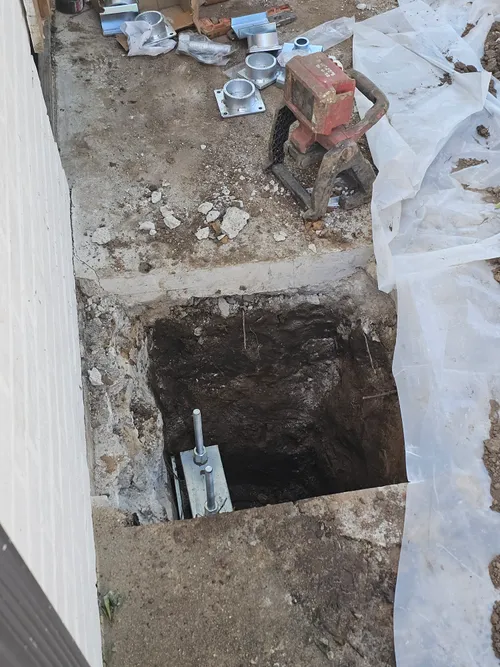
Groundworks
11160 S 225th E Ave, Broken Arrow, OK 74014
Groundworks is a septic tank inspection and repair company serving Tulsa, OK. They provide thorough inspections and septic system repairs, helping homeowners maintain and protect their properties. Groundworks is known for detailed assessments and clear communication throughout the repair process. Their team also offers crawl space services, including pier installations and encapsulation. The company operates with extended hours throughout the week to accommodate customer needs.
Green Country Plumbing
15167 W 18th Pl, Sand Springs, OK 74063
Green Country Plumbing is a septic system repair company serving Tulsa, OK, and nearby communities including Sand Springs, Sapulpa, Jenks, Broken Arrow, Owasso, and Bixby. Established in 1987, this locally owned business offers a wide range of plumbing services with a focus on septic system repair, aerobic system services, and lateral line repairs. Their experienced team uses advanced technology to provide reliable solutions tailored to each customer's needs. Green Country Plumbing combines decades of industry experience with modern equipment to address both residential and commercial plumbing challenges.
Understanding Oklahoma's Septic Repair Regulations
In Oklahoma, most septic system repairs are regulated by the Oklahoma Department of Environmental Quality (DEQ). A permit is required for any modification to an existing system or for repairs to a failing system. This oversight ensures repairs protect public health and groundwater quality.
Key Regulatory Steps:
- Permit Requirement: You must obtain DEQ approval before beginning repairs for system failures, adding capacity (like a new bedroom), or altering the system's design.
- Professional Inspection: The DEQ often requires an inspection by a DEQ Environmental Specialist or a Certified Installer to officially document the malfunction and determine the necessary corrective actions.
- Authorization to Construct: For repairs in environmentally sensitive areas, such as Zone 2 near reservoirs or streams, work cannot start until you receive an official approval letter from the DEQ.
Common Signs Your Oklahoma Septic System Needs Repair
Recognizing early warning signs can prevent minor issues from becoming major, costly failures. Contact a professional if you notice:
- Sewage Surfacing: Wastewater pooling in your yard over the drain field or around the tank is a clear sign of failure and an immediate health risk 1.
- Slow Drains & Backups: Gurgling pipes, slow-draining sinks and toilets, or sewage backups inside your home indicate a blockage or system overload.
- Foul Odors: Persistent sewage smells indoors or near the drain field suggest a leak or ventilation problem.
- Unusually Lush Grass: While a healthy drain field should have green grass, a spot that is excessively lush and spongy may indicate a leak from a distribution line.
- Failed Inspection: A routine inspection or a required inspection for a property sale may reveal issues like a cracked tank, clogged lines, or a saturated drain field.
The Critical Role of Soil Evaluation
A proper repair often depends on understanding your property's soil. Oklahoma regulations frequently require a soil profile report conducted by a DEQ Certified Soil Profiler before authorizing major repairs or replacements.
- Restricting Layers: Oklahoma soils often have restrictive layers like shale, sandstone, or dense clay (classified as R or Cr layers). These layers limit water movement and dictate the type of repair or system that can be installed 2 3.
- High Water Table: Properties with a seasonally high water table or shallow bedrock may not support a conventional drain field. Repairs in these cases might involve installing a specialized system, such as an aerobic treatment unit (ATU) or a raised (mound) system 4.
- Design Determination: The soil test determines the absorption rate, which directly influences the size and design of the replacement drain field, ensuring it functions correctly for the long term.
Types and Costs of Septic Repairs in Oklahoma
Repair costs vary widely based on the problem's severity, system type, and soil conditions. Below is a breakdown of common repair scenarios and their associated cost ranges in Oklahoma.
Minor Repairs ($200 - $1,000)
These are localized fixes that don't require major excavation or system redesign.
- Replacing a broken pipe between the house and tank or within the distribution box.
- Clearing a blockage in the inlet or outlet baffles of the tank.
- Fixing a minor tank leak with specialized sealants (if the tank structure is sound).
- Repairing or replacing a damaged tank lid.
Moderate to Major Repairs ($2,000 - $7,000+)
These repairs involve significant components and often require permits and professional installation.
- Septic Tank Replacement: The cost to replace a failing 1,000-gallon concrete tank can range from approximately $500 to $900 for the tank itself, plus $2,000 to $4,000+ for excavation and installation 5 6.
- Drain Field Repair/Replacement: This is often the most expensive repair. Partial repair of a drain field line may start around $2,000, while a full replacement can cost $5,000 to $10,000 or more, depending on size and soil 7.
- Aerobic System Component Repair: Repairing or replacing pumps, aerators, control panels, or sprinkler heads in an ATU can cost several hundred to a few thousand dollars.
Additional Required Costs
- Soil Test: A mandatory soil profile analysis typically costs between $350 and $550.
- DEQ Permit: The fee for a repair/modification permit is approximately $500 8.
- Professional Inspection: Hiring a certified professional for the required inspection will add to the overall project cost.
Find the perfect septic system repair companies for your needs
Get personalized recommendations and expert advice
The Repair Process: From Diagnosis to Completion
Navigating a septic repair project involves a series of structured steps.
- Problem Identification & Inspection: A certified professional diagnoses the issue. For official failures, a DEQ inspection may be required to mandate repair 9.
- Soil Evaluation (If Needed): For drain field issues or system replacements, a Certified Soil Profiler conducts a test to guide the repair design 10.
- Permit Application & Design: Your septic professional will prepare repair plans and submit a permit application to the DEQ for approval.
- Receiving Authorization: Once approved, the DEQ issues an "Authorization to Construct" letter. Work must not begin before receiving this authorization 11.
- Repair Execution: The licensed installer completes the repair according to the permitted plans.
- Final Inspection: The DEQ or a certified inspector conducts a final check to ensure the repair complies with the permit before the system is put back into use.
Special Considerations for Aerobic System Repairs
Aerobic Treatment Units (ATUs) are common in areas of Oklahoma with poor soil. Repairs for these complex systems have specific rules:
- Maintenance Provider Requirement: ATUs must be under contract with a DEQ Certified Maintenance Provider 12.
- Warranty & Inspections: Regulations often require the maintenance provider to offer a 2-year warranty and perform maintenance checks at least twice per year.
- Component Specialization: Repairs should be done by technicians familiar with the specific ATU brand and model, as parts are not always interchangeable.
Choosing a Repair Professional in Oklahoma
Selecting the right contractor is crucial for a compliant and lasting repair.
- Verify Certification: Ensure the company or individual holds current DEQ certification for Installation, Maintenance (for ATUs), or Soil Profiling as needed 13 14.
- Check References & Insurance: Ask for local references and proof of liability insurance.
- Get Detailed Estimates: Obtain written, itemized estimates that include costs for excavation, materials, permits, soil testing, and final inspection.
- Understand the Process: A reputable professional will clearly explain the regulatory steps, timeline, and what they will handle versus what is your responsibility.
Important Warning: Failing to obtain a required permit before replacing a system can disqualify you from potential state funding or assistance programs and may result in fines 15.
Frequently asked questions
Sources
Footnotes
-
Septic System Basics for Home Builders - OSU Extension - https://extension.okstate.edu/fact-sheets/print-publications/pss/septic-system-basics-for-home-builders-pss-2407.pdf ↩
-
Basic Septic System Rules for Oklahoma - https://extension.okstate.edu/fact-sheets/print-publications/pss/basic-septic-system-rules-for-oklahoma-pss-2918.pdf ↩
-
Sewage Treatment - Oklahoma.gov - https://oklahoma.gov/deq/divisions/ecls/on-site-sewage-programs/sewage-treatment.html ↩
-
Choosing Between Aerobic and Conventional Septic Systems in Northeast Oklahoma - https://jtserviceco.com/aerobic-and-conventional-septic-systems-in-northeast-oklahoma/ ↩
-
Understanding the Costs of Septic Tank Installation and Repair - https://mathisandsonsseptic.com/mathis-sons-septic-blog-orlando-fl/understanding-the-costs-of-septic-tank-installation-and-repair/ ↩
-
Residential Septic Tank Pricing | Homeowner's Guide to Costs - https://www.ntotank.com/blog/residential-septic-tank-pricing ↩
-
How Much Does Failed Septic System Cost? - https://www.septicconnection.com/how-much-does-failed-septic-system-cost ↩
-
How Much Does a Septic System Cost in Oklahoma? - https://www.cycloneseptics.com/how-much-does-a-septic-system-cost-in-oklahoma/ ↩
-
Basic Septic System Rules for Oklahoma - https://extension.okstate.edu/fact-sheets/basic-septic-system-rules-for-oklahoma.html ↩
-
Soil-Based Septic System Decisions in Oklahoma - https://extension.okstate.edu/fact-sheets/soil-based-septic-system-decisions-in-oklahoma.html ↩
-
New Septic System Installations - https://reddirtseptic.com/new-septic-installations/ ↩
-
Basic Septic System Rules for Oklahoma - https://pods.okstate.edu/fact-sheets/PSS-2918pod.pdf ↩
-
Oklahoma On-site Wastewater Treatment System ... - https://conservation.ok.gov/wp-content/uploads/2025/04/Application-checklist-and-application.pdf ↩
-
chapter 641. individual and small public on-site sewage ... - https://oklahoma.gov/content/dam/ok/en/deq/documents/deqmainresources/641.pdf ↩
-
Land Buyers' Septic System Guide for Oklahoma - https://extension.okstate.edu/fact-sheets/land-buyers-septic-system-guide-for-oklahoma.html ↩