
Find the Best Septic System Repair Companies for Your Business
No obligation • Fast responses • Nationwide coverage

Why you can trust Septic Spot
Septic Spot is a leading United States resource for understanding and comparing septic services. Our editors review providers using consistent criteria and verify key business details. Listings and scores are independent, and companies cannot pay to influence our content.
Search providers near you
Top Septic System Repair Companies in Oklahoma City, Oklahoma Ranked
When your home's wastewater treatment system fails, it's more than an inconvenience-it's a pressing environmental and health concern that requires immediate, professional attention. Septic system repair in Oklahoma City involves diagnosing and fixing issues with tanks, drain fields, pumps, and other components to restore proper function and protect your property and local groundwater. Understanding the local regulations, common problems, and repair process is essential for homeowners to make informed decisions and connect with qualified professionals who can ensure the job is done correctly and complies with state law.
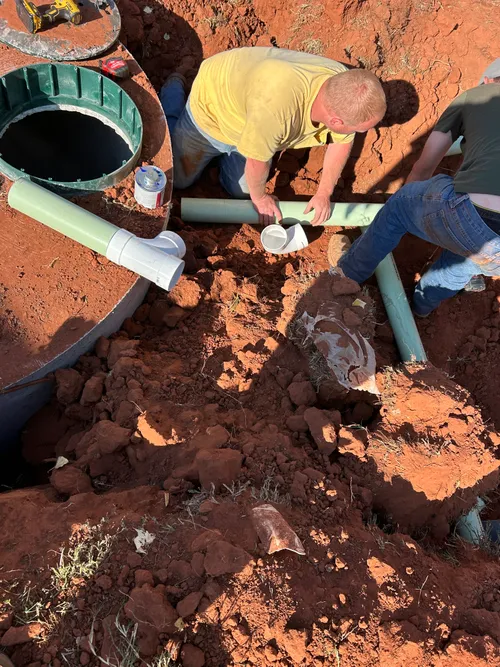
Dependable Septic Service
1411 N Morgan Rd, Tuttle, OK 73089
Dependable Septic Service is a family-owned company providing septic tank pumping, cleaning, and repair services in Oklahoma City, OK. They specialize in both conventional and aerobic septic systems, offering certified and bonded installation and maintenance for residential and commercial properties. With over 10 years of experience, they handle septic emergencies and provide lateral line repair and cleaning to ensure system efficiency and longevity. The company offers 24/7 emergency services to address unexpected septic issues promptly.
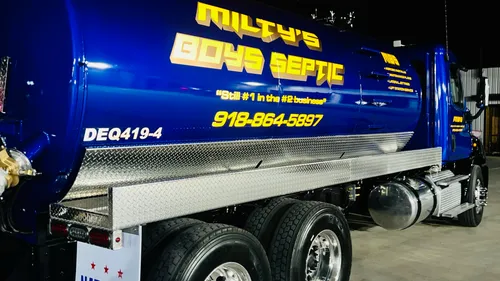
Milty's Boys Septic | OKC Septic Pumping
10624 S McKinley Ave, Oklahoma City, OK 73170
Milty's Boys Septic | OKC Septic Pumping provides septic tank pumping, inspection, and repair services in Oklahoma City, OK. They specialize in maintaining both septic and aerobic treatment systems to ensure compliance with local environmental standards. With a combined 30 years of industry experience, the team offers thorough inspections and routine maintenance advice to help prevent costly repairs and extend system life. Milty's Boys Septic emphasizes integrity and careful workmanship in all their services.
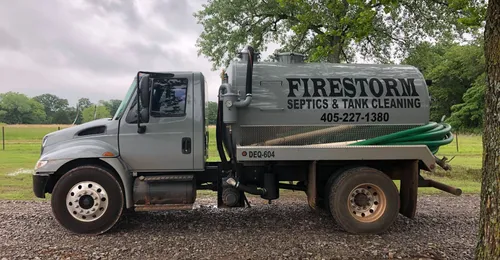
Firestorm Septics & Shelters
6114 US-177, Shawnee, OK 74804
Firestorm Septics & Shelters is a septic system and storm shelter company based in Oklahoma City, OK. They provide septic tank pumping, inspection, repair, installation, and drain field services, along with storm shelter installation. The company is known for handling septic system issues such as lateral line installation and aerobic system repairs. As a locally owned and veteran-owned business, Firestorm Septics & Shelters has built a reputation for thorough work and clear communication. They also offer after-hours service and quick response times, including weekend work when needed.

MBS Milty's Boys Septic Inc
3909 SE 29th St, Del City, OK 73115
MBS Milty's Boys Septic Inc provides septic tank pumping, inspection, and repair services in Oklahoma City, OK. The company emphasizes proper maintenance and compliance with local environmental regulations to ensure septic and aerobic treatment systems operate effectively. With a combined 30 years of industry experience, they handle a range of septic system needs, including routine pumping and thorough inspections to help prevent costly repairs.
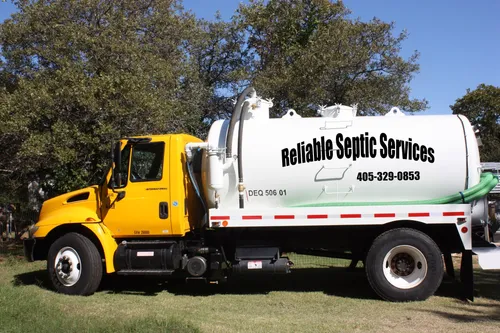
Reliable Septic Services
110 84th Ave SE, Norman, OK 73026
Reliable Septic Services is a family-owned business serving Oklahoma City, OK, with over 15 years of experience in septic system installation, maintenance, and repair. They provide a full range of septic services including pumping, inspections, emergency repairs, and site preparation using modern equipment. The company offers after-hours and weekend appointments to accommodate urgent needs and supports customers with a 2-year labor warranty and price matching on written competitor quotes.
Understanding Oklahoma City's Septic System Regulations
Before any repair work begins, Oklahoma City homeowners must navigate the regulatory landscape governed by the Oklahoma Department of Environmental Quality (DEQ). A permit from the local DEQ office is required for any modification, repair of a malfunctioning system, or installation of new components. This rule is in place to ensure repairs meet state standards and prevent sewage from contaminating soil or water sources, which is a critical public health safeguard.
The requirement for a permit underscores the seriousness with which the state treats septic system failures. If a system is malfunctioning-indicated by sewage surfacing, slow drains, or foul odors-it must be repaired immediately to halt contamination. Furthermore, the design of any repair, especially to the soil absorption system (like a drain field), often requires a new soil test (such as a percolation or soil profile test) conducted by a certified professional. This test determines the soil's ability to treat wastewater and is fundamental to designing an effective and lasting repair.
Common Septic Repairs in the Oklahoma City Area
Septic system issues can range from minor component failures to major system-wide breakdowns. Identifying the specific problem is the first step toward a solution.
- Lateral Line (Drainfield) Replacement: This is one of the most extensive and costly repairs. Over time, the perforated pipes in the drainfield can become clogged with biomat or fail due to compaction or root intrusion. Symptoms include soggy ground or unusually lush grass over the field area. Replacing a lateral field involves significant excavation and is a permitted repair 1.
- Aerobic System Repair: Many modern systems in Oklahoma, especially those near waterways, are aerobic treatment units (ATUs). These systems use pumps and air compressors to break down waste more efficiently. Common repairs include replacing malfunctioning pumps, air compressors, or cleaning out clogged sprinkler heads in spray fields.
- Tank Repairs: The septic tank itself can develop problems. Cracks in concrete tanks, damaged or missing lids, and failed baffles (which keep scum and sludge from exiting the tank) all require professional repair. In some cases, a tank may need to be completely replaced 2.
- Pump and Component Service: For systems with pumps (like lift stations or aerobic units), electrical failures, float switch issues, or pump burnouts are common. Regular maintenance, including septic tank pumping to remove excess sludge, is crucial to prevent more serious problems and is often the first step in troubleshooting a system issue.
The Step-by-Step Repair Process
A professional septic system repair typically follows a structured process to ensure thoroughness and compliance.
- Initial Assessment and Diagnosis: A certified professional will first locate all system components (tanks, lids, distribution boxes) and assess the conditions. They will look for visual clues like wet soil or odors and may perform tests, such as checking sludge levels in the tank or the operation of aerobic system controls 3.
- Permitting and Design: If the repair is beyond simple maintenance, the professional will handle securing the necessary DEQ permit. This step involves submitting a repair design, which may be based on a new soil test, for approval.
- Execution of Repairs: Once permitted, the physical repair work begins. This could involve excavating to access tank components, replacing piping, installing new pumps, or constructing a new drainfield area. State rules recommend using a DEQ-certified installer; if a non-certified person does the work, it must be inspected by DEQ personnel before the site is backfilled 4.
- Final Inspection and Compliance: For permitted repairs, a DEQ Environmental Specialist will typically conduct a final inspection to ensure the work complies with the approved design and state regulations 5. Passing this inspection is crucial for closing out the permit and ensuring the system is legally operational.
Find the perfect septic system repair companies for your needs
Get personalized recommendations and expert advice
Cost Considerations for Septic Repairs
Repair costs in Oklahoma City vary dramatically based on the scope of work. A minor component fix, like replacing an aerobic pump, will cost significantly less than a full system overhaul.
- Major System Replacement: The most significant expense is a full septic system replacement, which can range from $6,500 to over $15,000, depending on soil conditions, system type (conventional vs. aerobic), and the size of the home 6.
- Aerobic System Repairs: These often involve specialized equipment and can be costly, particularly if the repair requires replacing the entire treatment unit or spray field components 7.
- Financial Assistance: For qualifying homeowners, there may be help available. The Oklahoma Conservation Commission (OCC) administers a remediation program for eligible homeowners with failing systems located near water bodies. This program has specific income and location criteria, but it can provide crucial funding for those who qualify 8 9.
Choosing the Right System and Professional
The type of system you have or need can impact repair strategies. Conventional gravity-fed systems are common, but Oklahoma regulations now often require aerobic or nitrogen-reducing aerobic systems for new installations or major repairs near streams, lakes, or other waterways 10 11. An experienced professional can guide you through these requirements.
When selecting a provider for septic system servicing or repair, verify their credentials. Oklahoma requires septic system installers to be certified by the DEQ 12. Working with a certified professional not only ensures expertise but also simplifies the permitting and inspection process. Look for companies with a strong local reputation, proper licensing, and a clear understanding of DEQ protocols.
Proactive Maintenance: The Best "Repair"
Ultimately, the most cost-effective strategy is to avoid major repairs through consistent maintenance. Regular inspections and pumping your septic tank every 3-5 years (or as recommended based on usage and tank size) prevent sludge and scum from overflowing into the drainfield, which is a leading cause of system failure 13 14. Simple habits like conserving water, avoiding flushing harmful chemicals, and not driving or building over the drainfield can extend your system's life for decades.
Frequently asked questions
Sources
Footnotes
-
Basic Septic System Rules for Oklahoma - https://pods.okstate.edu/fact-sheets/PSS-2918pod.pdf ↩
-
Sand Springs Septic Services - https://greencountryplumbing.com/septic-system-services-sand-springs/ ↩
-
PSS-2924 Inspection of Septic Systems - https://extension.okstate.edu/fact-sheets/print-publications/pss/pss-2924-inspection-of-septic-systems-a.pdf ↩
-
Basic Septic System Rules for Oklahoma - https://extension.okstate.edu/fact-sheets/basic-septic-system-rules-for-oklahoma.html ↩
-
Sewage Treatment - https://oklahoma.gov/deq/divisions/ecls/on-site-sewage-programs/sewage-treatment.html ↩
-
How Much Does a Septic System Cost in Oklahoma? - https://www.cycloneseptics.com/how-much-does-a-septic-system-cost-in-oklahoma/ ↩
-
New Septic System Installations - https://reddirtseptic.com/new-septic-installations/ ↩
-
Oklahoma On-site Wastewater Treatment System Remediation Project - https://conservation.ok.gov/wp-content/uploads/2025/04/Application-checklist-and-application.pdf ↩
-
Oklahoma Septic Tank Remediation Program - https://conservation.ok.gov/wp-content/uploads/2025/02/Statewide-Septic-Program-info-2.pdf ↩
-
Septic System Basics for Realtors | Oklahoma State University - https://extension.okstate.edu/fact-sheets/septic-system-basics-for-realtors.html ↩
-
Conventional Septic Systems Explained | JT Services - https://jtserviceco.com/conventional-septic-systems/ ↩
-
Oklahoma Septic License & Certification | 2024 Contractor Guide - https://www.servicetitan.com/licensing/septic/oklahoma ↩
-
How to Get Septic to Pass Inspection - https://www.guardianangelinspections.com/how-to-get-septic-to-pass-inspection ↩
-
Inspection of Septic Systems | Oklahoma State University - https://extension.okstate.edu/fact-sheets/inspection-of-septic-systems.html ↩