
Find the Best Septic System Repair Companies for Your Business
No obligation • Fast responses • Nationwide coverage

Why you can trust Septic Spot
Septic Spot is a leading United States resource for understanding and comparing septic services. Our editors review providers using consistent criteria and verify key business details. Listings and scores are independent, and companies cannot pay to influence our content.
Search providers near you
Best Septic System Repair Companies in Pennsylvania Ranked
A failing septic system is a serious issue for any Pennsylvania homeowner, posing health risks and potential environmental damage. Septic system repair involves diagnosing and fixing problems with your tank, drain field, or other components to restore proper wastewater treatment. This guide explains the critical regulations, processes, and costs specific to Pennsylvania, helping you understand what to expect and how to connect with qualified local professionals who can assess and resolve your system's issues.
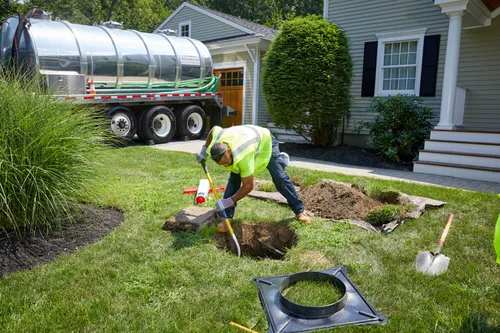
Wind River Environmental of Swedesboro, NJ
701 2nd St, Swedesboro, NJ 08085
Wind River Environmental of Swedesboro, NJ provides septic tank pumping, grease trap cleaning, and drain services to residential, commercial, and municipal clients in Philadelphia, PA. The company offers comprehensive septic system maintenance, including sewer jetting and repairs, with a focus on compliance with local regulations. Established in 1946, Wind River Environmental combines decades of industry experience with modern technology to deliver effective solutions. They also provide 24/7 emergency services to address urgent septic system needs.

Revelation Plumbing
120 Seville Ave, Pittsburgh, PA 15214
Revelation Plumbing is a family-owned plumbing company serving Pittsburgh, PA, and surrounding areas. They specialize in septic tank inspection, repair, and installation, as well as drain field repair and septic pump services. The company is known for its expertise in trenchless sewer lining, allowing repairs without extensive excavation. Revelation Plumbing holds NASSCO certification and offers emergency plumbing services, including same-day response for urgent issues. Their team is licensed and insured, providing professional solutions tailored to local plumbing needs.
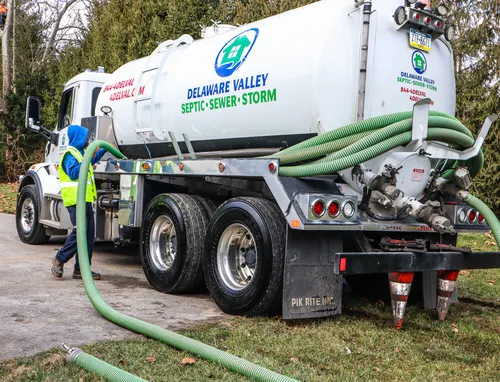
Delaware Valley Septic, Sewer & Storm
504 Eagle Rd STE B, Springfield, PA 19064
Delaware Valley Septic, Sewer & Storm is a family-run business serving Philadelphia, PA, and the surrounding Delaware Valley area. Since 1986, they have provided septic system installation, repair, and maintenance services, including sewer and storm water management. Their expertise covers a wide range of septic systems such as traditional in-ground, sand mound, at-grade, drip irrigation, micro-mound, and pressure dose systems. They serve Chester, Delaware, Montgomery, and Philadelphia counties, offering comprehensive solutions to maintain and improve septic and sewer system performance. The company emphasizes long-term partnerships with homeowners and provides reliable repairs and regular maintenance to extend system lifespan.
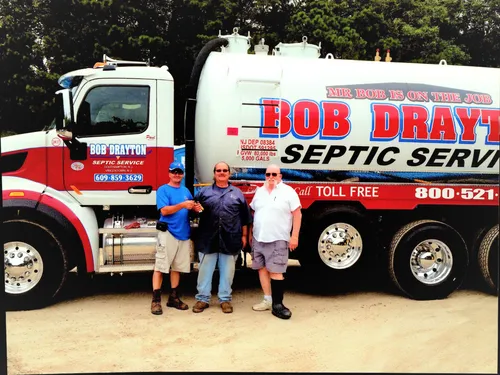
Bob Drayton Inc
151 Big Hill Rd, Southampton Township, NJ 08088
Bob Drayton Inc is a septic system repair and portable toilet rental company serving Philadelphia, PA, and nearby areas. Established in 1955, the company offers septic pump repair, power snaking, and jetting services along with roll-off container rentals for various projects and events. With over six decades of experience, Bob Drayton Inc provides 24-hour emergency septic services to meet urgent needs.
EcoFlow Septic
Philadelphia, PA
EcoFlow Septic is a veteran-owned company providing residential septic and sewer services in Philadelphia, PA. They offer septic tank pumping, inspections, and repairs with a focus on detailed, code-compliant work. The company emphasizes clear communication and practical solutions to help homeowners and realtors manage septic system maintenance and real estate inspections with confidence. EcoFlow Septic aims to protect homes, investments, and the environment through honest and professional service.
Understanding Pennsylvania's Septic Repair Regulations
In Pennsylvania, all septic system work is governed by the Department of Environmental Protection (DEP) under the Act 537 Sewage Facilities Act. A key rule is that nearly any repair, alteration, or replacement of a system component requires a permit. You cannot legally begin digging or fixing most problems without official approval.
The permit process is managed locally. Each municipality has a Sewage Enforcement Officer (SEO), a certified professional who evaluates systems and enforces state codes1. Your first step when facing a suspected failure should be to contact your local municipal office to speak with the SEO. They will determine if a permit is needed and guide you through the necessary site evaluations.
The Permit and Approval Process for Repairs
Navigating the permit process is essential for a legal and effective repair. Here's a typical sequence:
- Initial Evaluation: The SEO will visit your property to inspect the failing system. They identify the cause of failure, which could be a clogged pipe, a broken baffle, a failing drain field, or a damaged tank.
- Site Investigation: For many repairs, especially those involving the drain field (also called a leach field or absorption area), the SEO must conduct a soil evaluation. This involves digging a deep pit to examine soil texture, structure, and depth. They are checking for a minimum of 4 feet of suitable soil below the system to ensure proper wastewater treatment before it reaches groundwater.
- Percolation Test: Often called a "perc test," this measures how quickly water drains through the soil. It's a critical factor in designing or repairing a drain field.
- Repair Plan Approval: Based on the findings, the SEO approves a repair plan. This plan must comply with all state regulations, including required setback distances from wells, property lines, and waterways.
- Contractor Selection: You must hire a contractor who is authorized and approved by the local municipality or health department to perform the work2 3. While Pennsylvania does not issue a specific state-level "septic contractor license," reputable professionals are known to and work in compliance with local SEOs.
Common Repair Types and Technical Considerations
Repairs can range from simple fixes to major excavations. The appropriate solution depends entirely on the diagnosis.
- Component Repairs: These are often the most straightforward. They include replacing a damaged tank lid, repairing or replacing inlet/outlet baffles (which can cost $300 - $1,200), or fixing a malfunctioning effluent filter or pump (typically $250 - $400 for pump repairs).
- Drain Field Repairs: This is often the most complex and costly type of repair. If the soil is saturated or the pipes are clogged with biomat, options include:
- Tank Repairs: Cracks or structural damage to the concrete tank may be patched, but significant damage often necessitates tank replacement.
- Specialized Systems: If a standard repair isn't feasible due to poor soil, high groundwater, or steep slopes, the SEO may require an alternative system. Examples include elevated sand mounds, aerobic treatment units (ATUs), or drip irrigation systems6. These are more expensive to install and maintain.
Find the perfect septic system repair companies for your needs
Get personalized recommendations and expert advice
Cost Factors for Septic Repair in Pennsylvania
Costs for septic system repair in Pennsylvania vary widely based on the problem's severity, system type, and site conditions. Below is a general cost breakdown based on available data:
- Minor Repairs: Fixing a pump or small component typically ranges from $250 to $1,500 7.
- Moderate Repairs: Standard repairs, such as fixing a significant leak or replacing a baffle, often start around $1,500 and can go higher.
- Major Repairs/Partial Replacement: Repairing or replacing a drain field or septic tank usually falls between $3,000 and $15,000+8.
- Full System Replacement: When a repair is not possible, installing a completely new septic system in Pennsylvania typically costs $6,500 to $10,000 or more, with complex alternative systems costing significantly higher9 10.
Several key factors influence the final price:
- System Type & Size: A larger home or a specialized system (like a mound) costs more to repair.
- Extent of Failure: A single clogged pipe is cheaper to fix than a collapsed drain field.
- Site Access: Difficult terrain or limited space for equipment can increase labor costs.
- Local Permit Fees: Municipalities charge fees for SEO time, permits, and inspections.
- Required Testing: The cost for soil profiling and percolation tests is an additional expense.
Maintaining Your System to Avoid Costly Repairs
The best repair is the one you never need. Proactive maintenance is the most effective way to protect your investment and avoid environmental issues.
- Regular Pumping: Have your tank pumped every 3-5 years by a licensed hauler. This prevents solids from flowing into and clogging the drain field.
- Water Conservation: Reducing household water use lessens the load on your system, extending its life.
- Mind What You Flush: Never flush anything besides human waste and toilet paper. Avoid chemicals, grease, diapers, and wipes (even "flushable" ones).
- Protect the Drain Field: Never drive or park vehicles over it, and avoid planting trees with deep roots nearby.
- Annual Inspections: Consider having a professional inspect your system, including the tank and drain field, each year to catch small issues early.
Frequently asked questions
Sources
Footnotes
-
Potter County PA Septic Permits & Regulations (2026) - https://septicandwell.com/pennsylvania/potter/regulations ↩
-
Montgomery County PA Septic Permits & Regulations (2026) - https://septicandwell.com/pennsylvania/montgomery/regulations ↩
-
Pennsylvania Septic License & Certification | 2024 Contractor Guide - https://www.servicetitan.com/licensing/septic/pennsylvania ↩
-
DEP/PA Fact Sheets on Sewage Disposal Systems - http://www.paupacktownship.org/forms/Fact_Sheets_Sewage.pdf ↩
-
2.3 Soil Absorption | BF Environmental PA - https://bfenvironmental.com/septic-sytems/soil-absorption.html ↩
-
How Septic System Types Are Determined in Pennsylvania - https://johnsseptics.com/understanding-septics/how-septic-system-types-are-determined-in-pennsylvania/ ↩
-
How Much Does Septic Tank Repair Cost? [2026 Data] | Angi - https://www.angi.com/articles/how-much-does-repairing-septic-tank-cost.htm ↩
-
Septic Tank Repair Cost in 2026 | Average Prices & Repair Types - https://modernize.com/plumbing/septic-tank-repair-cost ↩
-
Anyone have an estimate on what it'd cost for either a repair OR new ... - https://www.facebook.com/groups/232188048440766/posts/1216422373350657/ ↩
-
Septic Maintenance Berks County: Expert Care & Cost Guide - https://thomasbechtoldteam.com/blog/septic-system-care-for-rural-homes-in-berks-county ↩