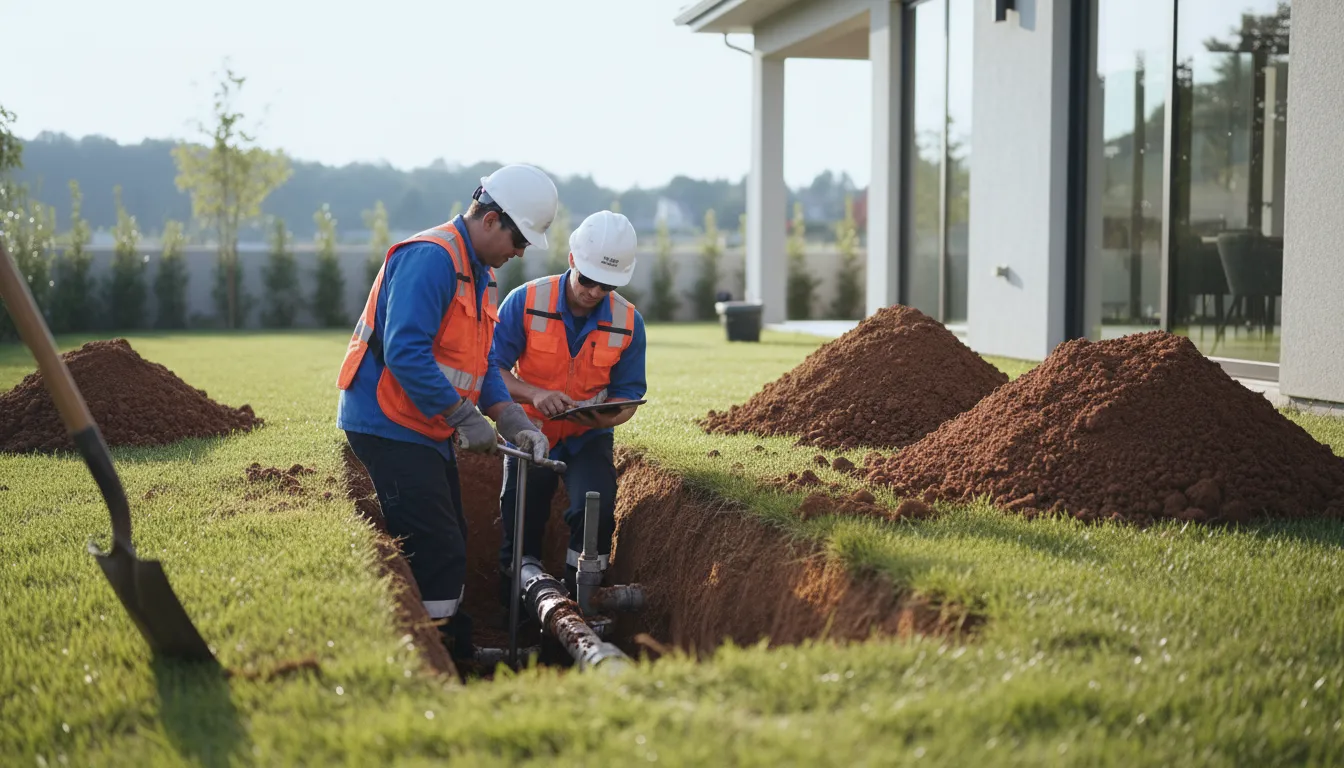
Find the Best Septic System Repair Companies for Your Business
No obligation • Fast responses • Nationwide coverage

Why you can trust Septic Spot
Septic Spot is a leading United States resource for understanding and comparing septic services. Our editors review providers using consistent criteria and verify key business details. Listings and scores are independent, and companies cannot pay to influence our content.
Search providers near you
Top Septic System Repair Companies in Philadelphia, Pennsylvania Ranked
For Philadelphia homeowners with properties not connected to the municipal sewer, a functioning septic system is essential for sanitation, property value, and environmental health. When issues arise, timely and compliant septic system repair is critical to prevent backups, contamination, and costly property damage. This guide explains the local repair process, regulations, and resources to help you navigate finding qualified professionals for your septic tank or drain field needs.
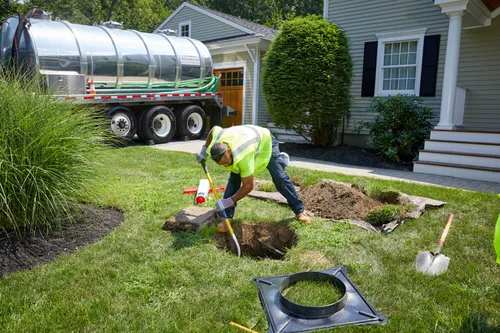
Wind River Environmental of Swedesboro, NJ
701 2nd St, Swedesboro, NJ 08085
Wind River Environmental of Swedesboro, NJ provides septic tank pumping, grease trap cleaning, and drain services to residential, commercial, and municipal clients in Philadelphia, PA. The company offers comprehensive septic system maintenance, including sewer jetting and repairs, with a focus on compliance with local regulations. Established in 1946, Wind River Environmental combines decades of industry experience with modern technology to deliver effective solutions. They also provide 24/7 emergency services to address urgent septic system needs.
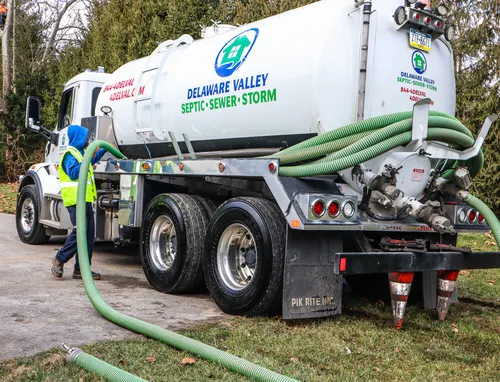
Delaware Valley Septic, Sewer & Storm
504 Eagle Rd STE B, Springfield, PA 19064
Delaware Valley Septic, Sewer & Storm is a family-run business serving Philadelphia, PA, and the surrounding Delaware Valley area. Since 1986, they have provided septic system installation, repair, and maintenance services, including sewer and storm water management. Their expertise covers a wide range of septic systems such as traditional in-ground, sand mound, at-grade, drip irrigation, micro-mound, and pressure dose systems. They serve Chester, Delaware, Montgomery, and Philadelphia counties, offering comprehensive solutions to maintain and improve septic and sewer system performance. The company emphasizes long-term partnerships with homeowners and provides reliable repairs and regular maintenance to extend system lifespan.
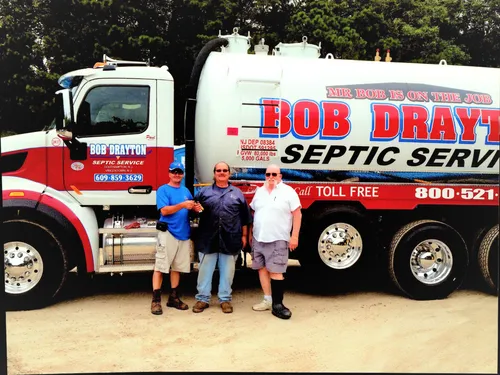
Bob Drayton Inc
151 Big Hill Rd, Southampton Township, NJ 08088
Bob Drayton Inc is a septic system repair and portable toilet rental company serving Philadelphia, PA, and nearby areas. Established in 1955, the company offers septic pump repair, power snaking, and jetting services along with roll-off container rentals for various projects and events. With over six decades of experience, Bob Drayton Inc provides 24-hour emergency septic services to meet urgent needs.
EcoFlow Septic
Philadelphia, PA
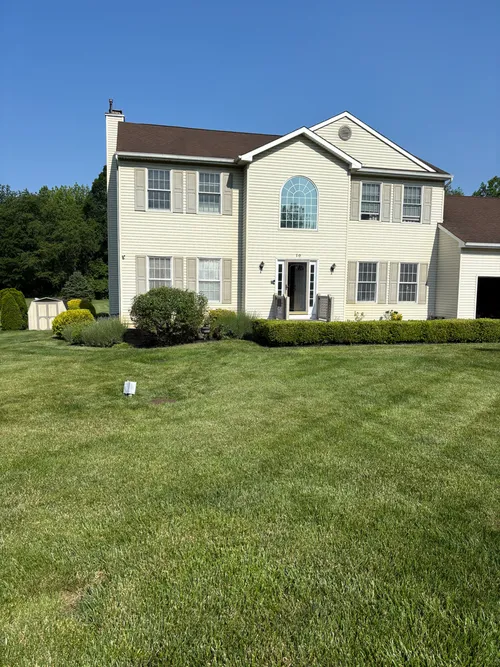
EcoFlow Septic is a veteran-owned company providing residential septic and sewer services in Philadelphia, PA. They offer septic tank pumping, inspections, and repairs with a focus on detailed, code-compliant work. The company emphasizes clear communication and practical solutions to help homeowners and realtors manage septic system maintenance and real estate inspections with confidence. EcoFlow Septic aims to protect homes, investments, and the environment through honest and professional service.
Don E Miller Septic Service Inc & Donny's Potty's
362 Meany Rd, North Hanover, NJ 08562
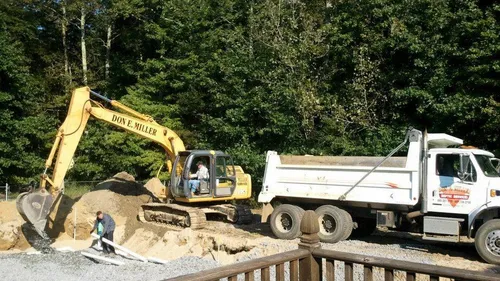
Don E Miller Septic Service Inc & Donny's Potty's is a family-owned septic service provider based near Philadelphia, PA. They offer a wide range of septic system services including pumping, inspections, repairs, and installations, as well as portable toilet rentals for residential, commercial, and municipal customers. The company has been serving the North Hanover Township area and surroundings since 1963, providing expertise in maintaining and installing various septic system components such as dosing pumps, grease traps, and effluent filters.
Understanding Philadelphia's Septic System Regulations
Repairing a septic system in Philadelphia is not a simple DIY project; it is a regulated process overseen by city and state authorities. The primary goal is to protect public health and the environment, particularly the watersheds that feed into the Delaware and Schuylkill Rivers. All work is governed by the Pennsylvania Sewage Facilities Act (Act 537) and must comply with the Philadelphia Plumbing Code 1 2.
The key regulatory body is the Philadelphia Department of Public Health. Before any repair work can begin, a property owner must obtain the necessary permit from this department. This is a non-negotiable first step for any significant repair, installation, or alteration to your private sewage system.
The Permit Process: A Step-by-Step Overview
Navigating the permit process is the most crucial part of planning a repair. Here's what Philadelphia homeowners need to know:
- Initial Contact: You must contact the Department of Public Health at 215-685-7342 to request a permit for septic system work. The application fee for this permit is approximately $500 per location.
- Malfunction Notification: If your system is reported or found to be malfunctioning (e.g., surfacing sewage, backups), you are typically required to apply for a repair permit within a limited timeframe, often seven days of notification.
- Health Department Approval: The Health Department reviews your application to ensure the proposed repair complies with all environmental and sanitary codes. This permit must be secured before you can apply for any related building or repair permits from the Department of Licenses and Inspections (L&I).
- L&I Permits: Once you have Health Department approval, you or your licensed contractor will need to pull the appropriate building permits from L&I for the physical construction or repair work 3.
Failure to follow this process can result in fines, legal action, and an order to cease all work.
Diagnosing Septic System Problems: The Inspection
Before a repair strategy can be developed, a thorough professional inspection is required to diagnose the problem. A comprehensive septic inspection in Philadelphia goes beyond just checking if toilets flush. It involves several key steps 4 5 6:
- Locating System Components: The inspector will first locate the septic tank, distribution box, and drain field (absorption area), which may be buried and not immediately obvious.
- Tank Interior Assessment: The tank lid is removed to inspect the interior for structural cracks, check the inlet and outlet baffles, and measure the levels of sludge and scum. This determines if pumping is needed or if the tank itself is damaged.
- Hydraulic Function Testing: This often involves a "dye test," where colored water is run through household drains to verify it flows correctly into the tank and that the effluent is moving out to the drain field without surfacing or backing up.
- Component Evaluation: The inspector checks the effluent filter (if present), the condition of pipes, and any mechanical components like pumps or alarms in advanced systems.
The cost for a standard professional inspection in the Philadelphia area typically ranges from $250 to $500. This investment is essential for accurately scoping the necessary repairs.
Find the perfect septic system repair companies for your needs
Get personalized recommendations and expert advice
Common Types of Septic System Repairs
The nature of the repair depends entirely on the inspection's findings. Repairs can range from simple fixes to major excavations.
Minor Repairs (Costing hundreds of dollars):
- Replacing Components: Fixing broken cleanout or inspection port caps, repairing small cracks in inlet/outlet pipes, or replacing a clogged effluent filter.
- Pump Service: Repairing or replacing a malfunctioning septic pump in a pump-chamber system.
- Clearing Blockages: Removing root intrusions or blockages in the piping between the house and the tank.
Major Repairs or Alterations (Costing thousands of dollars):
- Tank Rehabilitation or Replacement: Repairing significant structural cracks in a concrete tank or completely replacing a failed tank. In some cases, adding a larger tank or a second tank in series may be necessary to increase capacity 7.
- Drain Field Restoration: This is often the most complex and expensive repair. If the soil absorption area has failed due to clogging, compaction, or high groundwater, it may require specialized techniques like "terralift" fracturing to restore permeability, or a partial or complete replacement of the drain field.
- System Conversion: If a traditional gravity-fed system cannot be repaired on the existing property, it may need to be replaced with an alternative technology. This could include a pressurized dosing system, an aerobic treatment unit (ATU), or, in cases with severe site constraints, a holding tank that requires frequent pumping 8 9.
Cost Considerations for Philadelphia Homeowners
Understanding potential costs helps in planning and selecting a service provider. While prices vary based on the contractor and job complexity, here are general guidelines:
- Permit Fee: ~$500 (paid to the City of Philadelphia) 10.
- Professional Inspection: $250 - $500 11.
- Routine Maintenance Pumping: $250 - $500 12.
- Minor Repairs: Several hundred dollars (e.g., pipe repair, component replacement).
- Major Repairs: $2,000 to $10,000+ for drain field work, tank replacement, or system conversions.
Always get detailed, written estimates from multiple licensed contractors before proceeding.
Financial Assistance and Choosing a Contractor
Financial Assistance Programs: Philadelphia offers a valuable resource for qualifying homeowners. The Basic Systems Repair Program (BSRP), administered by the Philadelphia Housing Development Corporation (PHDC), provides grants for emergency repairs to owner-occupied, single-family homes for income-eligible residents. This program can cover critical plumbing and septic system repairs at no cost to the homeowner 13 14 15.
Selecting a Licensed Professional: Given the regulatory complexity, it is imperative to hire a licensed plumbing contractor experienced with local septic codes. A qualified professional will:
- Understand the permit process with the Department of Public Health and L&I.
- Ensure all work complies with the Philadelphia Plumbing Code and state Act 537 regulations.
- Provide the necessary documentation and certifications for the work performed.
- Offer warranties on their labor and materials.
Verify a contractor's license with the City of Philadelphia and check reviews or references specifically for their septic system work. Proper installation and repair are investments that protect your property, your health, and Philadelphia's environment for years to come.
Frequently asked questions
Sources
Footnotes
-
Request a permit for a septic system or private sewer line | Services - https://www.phila.gov/services/permits-violations-licenses/apply-for-a-permit/environmental-permits-and-approvals/infectious-waste/request-a-permit-for-a-septic-system-or-private-sewer-line/ ↩
-
What Are The PA Septic Regulations? - https://tricowater.com/pa-septic-regulations/ ↩
-
Get a Building Permit | Services - City of Philadelphia - https://www.phila.gov/services/permits-violations-licenses/apply-for-a-permit/building-and-repair-permits/get-a-building-permit/ ↩
-
How to Inspect a Private Septic System - https://www.youtube.com/watch?v=URhIPaX-csA&t=20 ↩
-
Septic Inspections Central PA - https://www.johnklineseptic.com/residential/inspections ↩
-
Understanding the Septic Inspection Process: A Complete Guide - https://www.keystonecastleinspections.com/post/understanding-the-septic-inspection-process-a-complete-guide ↩
-
25 Pa. Code § 73.31. Standards for septic tanks. - https://www.pacodeandbulletin.gov/Display/pacode?file=/secure/pacode/data/025/chapter73/s73.31.html&d=reduce ↩
-
§ 54.44 INSPECTIONS; CORRECTION OF MALFUNCTIONING ... - https://codelibrary.amlegal.com/codes/antis/latest/antis_pa/0-0-0-1280 ↩
-
The Complete Guide to a Safe Septic System; from Fixing to Financing | A program of the Lake George Association (LGA) - https://safesepticsystems.org/guide ↩
-
Request a permit for a septic system or private sewer line - https://www.phila.gov/services/permits-violations-licenses/apply-for-a-permit/environmental-permits-and-approvals/infectious-waste/request-a-permit-for-a-septic-system-or-private-sewer-line/ ↩
-
New Homebuyer's Guide to Septic Systems - EPA - https://www.epa.gov/sites/default/files/2017-08/documents/170803-homebuyerssepticguide_508c.pdf ↩
-
TOP 10 BEST Septic Tank Services in Philadelphia, PA - Yelp - https://m.yelp.com/search?find_desc=Septic+Tank+Services&find_loc=Philadelphia%2C+PA ↩
-
Basic Systems Repair Program - PHDC - https://phdcphila.org/repair/basic-systems-repair-program/ ↩
-
Philadelphia's 'Basic System Repairs Program' covers ... - https://www.youtube.com/watch?v=XATnDNWWmVI ↩
-
Basic System Repairs Program | Philly Stat 360 Hub - https://philly-stat-360.phila.gov/pages/basic-system-repair ↩