Find the Best Septic System Repair Companies for Your Business
No obligation • Fast responses • Nationwide coverage

Why you can trust Septic Spot
Septic Spot is a leading United States resource for understanding and comparing septic services. Our editors review providers using consistent criteria and verify key business details. Listings and scores are independent, and companies cannot pay to influence our content.
Search providers near you
Top Septic System Repair Companies in East Providence, Rhode Island Ranked
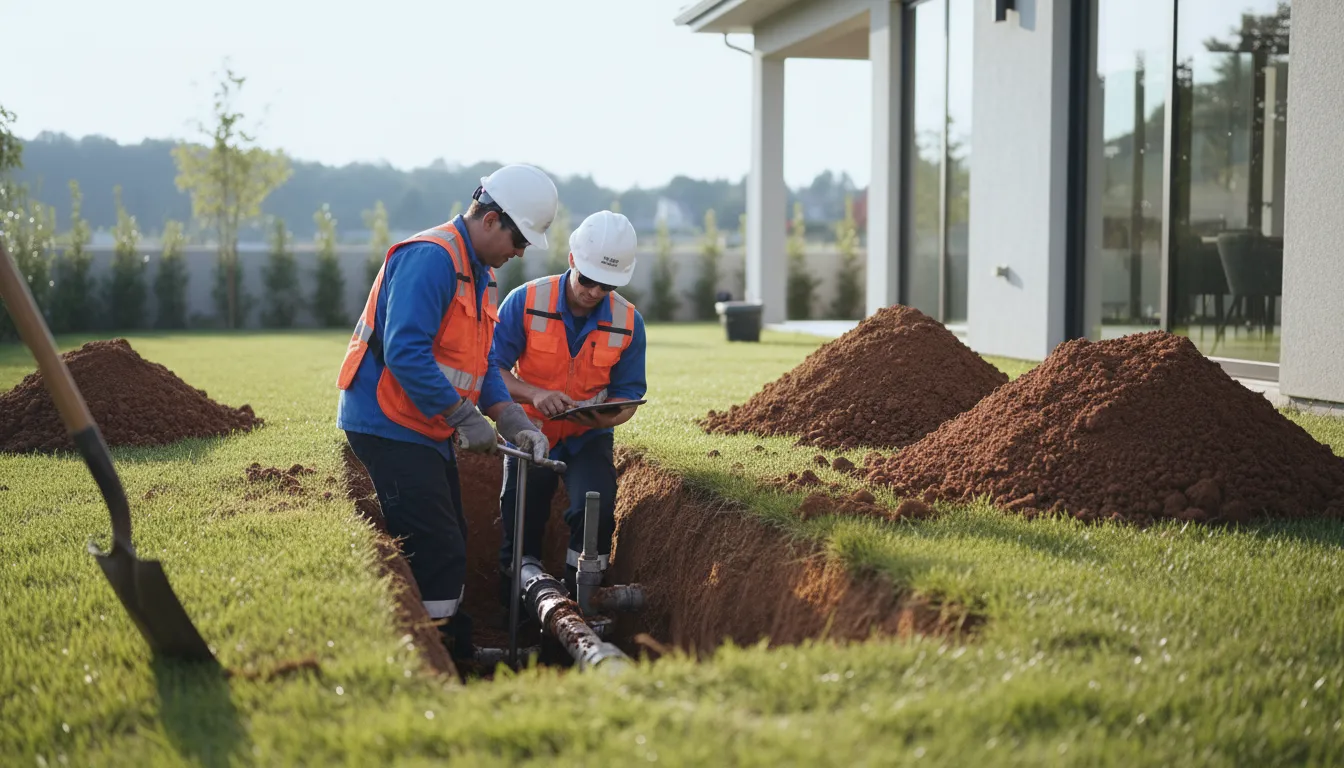
A failing septic system is more than an inconvenience; it's a serious environmental and public health concern that requires immediate, professional attention. Septic system repair involves diagnosing and fixing issues with your onsite wastewater treatment system, from clogged pipes to complete leach field replacement. In East Providence, these repairs are strictly regulated to protect local groundwater and Narragansett Bay. This guide will help you understand the repair process, local regulations, and how to connect with qualified professionals to restore your system's function.
Wind River Environmental of Johnston, RI
141 Shun Pike, Johnston, RI 02919
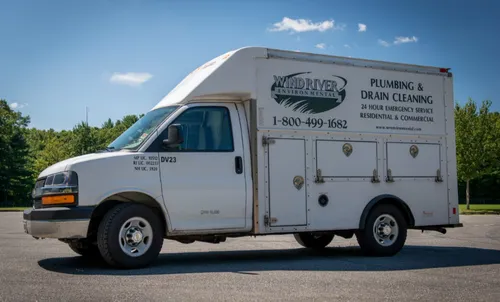
Wind River Environmental of Johnston, RI provides septic tank pumping, inspection, and repair services in Providence, RI. Serving residential, commercial, and municipal clients, the company offers tailored solutions that comply with local codes and regulations. With a history dating back to 1946, Wind River Environmental brings decades of experience and a broad resource network to handle projects of varying complexity. The company is available 24/7 to address urgent septic and wastewater needs.
Devine Septic LLC
Providence, RI
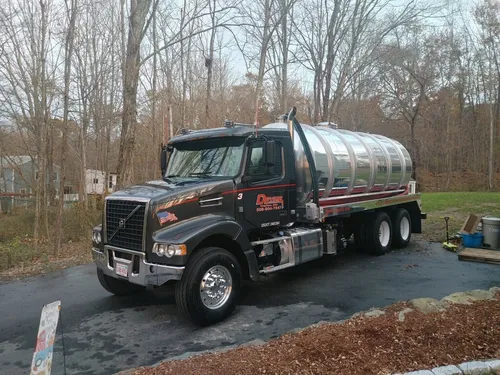
Devine Septic LLC is a septic tank inspection and repair company serving Providence, RI. With over 10 years of experience, they offer services including septic system maintenance, emergency repairs, and Title V inspections required for home sales in Massachusetts. They focus on educating customers about septic system operation to help prevent issues and maintain efficient performance.

A & D Sanitation.
223 Hinchey Ln, Somerset, MA 02726
A & D Sanitation provides septic tank pumping, inspection, and repair services in Providence, RI. The company handles septic system maintenance including pumping, line snaking to clear blockages, and basic repairs such as installing filters, risers, and covers. They also offer yearly bacteria treatments and inspections required for Rhode Island point-of-sale ISDS. Their services include maintaining cesspool tight tanks and providing tank seals and jetting.

Croome Sanitation Inc
26 Hillside Ave, Rehoboth, MA 02769
Croome Sanitation Inc is a family-owned septic service company serving Providence, RI, and the surrounding areas of Southeast Massachusetts and Rhode Island. Established in 1962, the company offers a wide range of septic system services including pumping, Title 5 inspections, sewer camera diagnostics, pump station maintenance, and excavation work. Their expertise extends to wastewater treatment systems, providing comprehensive care to maintain system health and compliance with local regulations. Croome Sanitation also offers same-day and emergency services to address urgent septic needs.
John C Parmenter Inc.
85 Hayden Rowe St, Hopkinton, MA 01748
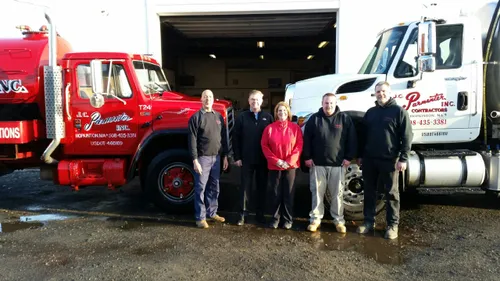
John C Parmenter Inc. is a septic service company based in Worcester, MA, with over 100 years of experience. They offer septic tank pumping, repair, Title 5 inspections, and full septic system installations. The company serves Hopkinton and surrounding towns, handling everything from routine maintenance to new construction septic projects. Their licensed inspectors provide comprehensive Title 5 reports, and they also offer emergency septic services.
Understanding Septic System Failures and Rhode Island Regulations
When a septic system malfunctions, it can lead to sewage backups in your home, foul odors, or contaminated groundwater. In East Providence, all septic system work falls under the jurisdiction of the Rhode Island Department of Environmental Management (RIDEM) and its Onsite Wastewater Treatment System (OWTS) rules. A key regulation is the Cesspool Act of 2007, which mandates that any cesspool must be replaced upon the sale or transfer of a property (within one year) or immediately if the system fails 1. Immediate replacement is also required if a cesspool is located within 200 feet of tidal waters, public wells, or drinking water supplies 2.
A system is considered "failing" if it cannot properly treat and dispose of wastewater. Common signs include:
- Sewage backing up into household drains.
- Bright green, spongy grass or standing water over the leach field.
- Foul odors near the tank or drainage area.
- Gurgling sounds in your plumbing.
If your system is deemed failing, state law requires a RIDEM-licensed designer to create a formal repair plan before any work can begin 3. The local East Providence Building Official or Town Office of Wastewater Management may also be involved in the approval process, so checking with local authorities is a crucial first step 4.
The Diagnostic Process: From Inspection to Repair Plan
Before any septic repair can be planned, a thorough inspection is required to pinpoint the exact problem. This isn't a simple look-around; it's a detailed evaluation often required for real estate transactions or when problems arise.
A comprehensive diagnostic inspection typically includes 5 6:
- Locating System Components: Using old property records or electronic probes to find the tank and leach field.
- Uncovering and Opening the Tank: Inspectors must open the tank to check for structural cracks, corrosion, or collapse.
- Evaluating Wastewater Levels: High water levels in the tank can indicate a clogged outlet or a failing leach field.
- Inspecting Baffles and Filters: Checking the inlet and outlet baffles (or tees) and any effluent filters for blockages or damage.
- Performing a Dye or Flow Test: Running water (often with a non-staining dye) through the household plumbing to check for surfacing wastewater or ponding in the leach field.
- Evaluating the Leach Field: Visually inspecting for soggy ground, unusual odors, or overly lush vegetation.
- Submitting a Formal Report: The licensed inspector provides a detailed report. If the system fails, this report is the basis for the OWTS repair permit application to RIDEM 7 8.
This inspection, which can cost between $250 and $500, is an essential investment that defines the scope and necessity of all subsequent repair work.
Common Types of Septic System Repairs in East Providence
The nature of the repair depends entirely on the inspection findings. Repairs range from minor fixes to major replacements.
Minor Repairs: These address specific, localized issues and may not always require a full RIDEM permit, though they must be performed by a licensed installer. Examples include:
- Pipe or Baffle Repair: Fixing broken pipes between the house and tank or replacing damaged inlet/outlet baffles.
- Distribution Box Adjustment: Leveling or repairing the box that sends effluent to the leach field lines.
- Effluent Filter Cleaning or Replacement.
Major Repairs and Replacements: These are substantial projects that always require a RIDEM permit and professional design 9.
- Tank Replacement/Addition: Installing a new septic tank, adding a second tank for added capacity, or installing risers for easier future access. This is common with failing concrete tanks 10.
- Leach Field Restoration or Replacement: This is often the core of a major repair. It can involve "rejuvenating" an old field with specialized techniques or installing a completely new leaching area with modern chambers or piping to stop sewage backups 11.
- Innovative/Alternative System Installation: If a standard soil-based system isn't feasible due to poor soil conditions, high groundwater, or a small lot, an advanced system may be necessary. These include Aerobic Treatment Units (ATUs) or sand filter systems, which provide a higher level of treatment before dispersal.
Find the perfect septic system repair companies for your needs
Get personalized recommendations and expert advice
Costs, Timelines, and Financial Assistance
Understanding the potential investment for septic system repair is critical for East Providence homeowners.
Cost Ranges: Repair costs vary dramatically based on the solution 12.
- Conventional System Repair/Replacement: For a standard tank and leach field, costs typically range from $10,000 to $18,000.
- Alternative/Innovative System Installation: These advanced systems are more complex, with costs often ranging from $23,000 to $32,000 or more.
- Additional Fees: Remember to factor in inspection fees ($250-$500) and RIDEM permit fees, which can be between $100 and $300 13 14.
Project Timeline: From the initial inspection to final approval, a major repair or replacement is not an overnight project. Homeowners should plan for a total timeline of 6 to 12 weeks. This includes time for the inspection, design, permit approval, scheduling the contractor, and the actual installation, which itself may take 3 to 7 days of active work.
Financial Assistance: The upfront cost can be daunting. Rhode Island offers the Community Septic System Loan Program (CSSLP), which provides low-interest loans to eligible homeowners for repairing or replacing failing systems. It's worth checking with the East Providence city offices or RIDEM to see if local programs are available to help manage these necessary expenses.
Choosing a Licensed Professional for Your Repair
Given the regulatory and technical complexity, selecting the right contractor is paramount. In Rhode Island, anyone designing, installing, inspecting, or pumping septic systems must hold the appropriate license from RIDEM 15. Always verify a contractor's license before signing any agreement.
A reputable professional will:
- Clearly explain the inspection findings and the recommended repair plan.
- Handle the RIDEM permit application process on your behalf.
- Provide a detailed, written estimate that breaks down labor, materials, and permit fees.
- Use proper equipment and techniques to minimize disruption to your property.
- Ensure the completed work passes all necessary inspections and complies with all state and local codes.
Proper maintenance is the best way to avoid costly repairs. RIDEM's SepticSmart guidelines recommend pumping your tank every 3-5 years, conserving water, and avoiding pouring grease or harsh chemicals down drains 16. By understanding the repair process and partnering with a qualified expert, you can address system failures effectively, protecting your home, your investment, and the local environment.
Frequently asked questions
Sources
Footnotes
-
Procedure to Repair or Replace - South Kingstown, RI - https://www.southkingstownri.gov/388/Procedure-to-Repair-or-Replace ↩
-
How Long Does a Septic System Last in Rhode Island? - https://www.rockhouseconstruction.com/how-long-does-a-septic-system-last-in-rhode-island ↩
-
Septic & Onsite Wastewater Treatment Systems - https://dem.ri.gov/environmental-protection-bureau/water-resources/permitting/septic-onsite-wastewater-treatment-owts ↩
-
Does Your Septic System Meet State Standards? - https://dem.ri.gov/sites/g/files/xkgbur861/files/programs/benviron/water/permits/isds/pdfs/isdsbro1.pdf ↩
-
Septic & Onsite Wastewater Treatment Systems - https://dem.ri.gov/environmental-protection-bureau/water-resources/permitting/septic-onsite-wastewater-treatment-owts ↩
-
Septic System Inspections in Rhode Island | SewerMan - https://sewerman.com/ri/services/oil-to-gas-conversions/ ↩
-
Rhode Island Septic Inspection Requirements: What to Know - https://www.rockhouseconstruction.com/rhode-island-septic-inspection-requirements-what-to-know ↩
-
What you need to know about the Rhode Island Septic System ... - https://allclearseptic.com/wp-content/uploads/2019/02/rhodeislandsepticinspection.pdf ↩
-
Septic Repair - https://risepticdesign.com/septic-repair/ ↩
-
Septic Tank Repair for Concrete Septic Tanks | Septic Connection - https://www.septicconnection.com/septic-tank-repair-for-concrete-septic-tanks ↩
-
Septic System Repairs and Modifications in Rhode Island - https://sewerman.com/ri/services/pipe-repairs/ ↩
-
Failed Septic on RI Home Inspection - Replacement - https://www.rockhouseconstruction.com/failed-septic-on-ri-home-inspection-replacement ↩
-
Septic & Onsite Wastewater Treatment Systems - https://dem.ri.gov/environmental-protection-bureau/water-resources/permitting/septic-onsite-wastewater-treatment-owts ↩
-
Rhode Island Septic System Regulations for Homeowners - https://www.rockhouseconstruction.com/rhode-island-septic-system-regulations-for-homeowners ↩
-
Rhode Island Septic License & Certification | 2024 Contractor Guide - https://www.servicetitan.com/licensing/septic/rhode-island ↩
-
SepticSmart Homeowners | Rhode Island Department of ... - https://dem.ri.gov/environmental-protection-bureau/water-resources/permitting/septic-smart-home ↩