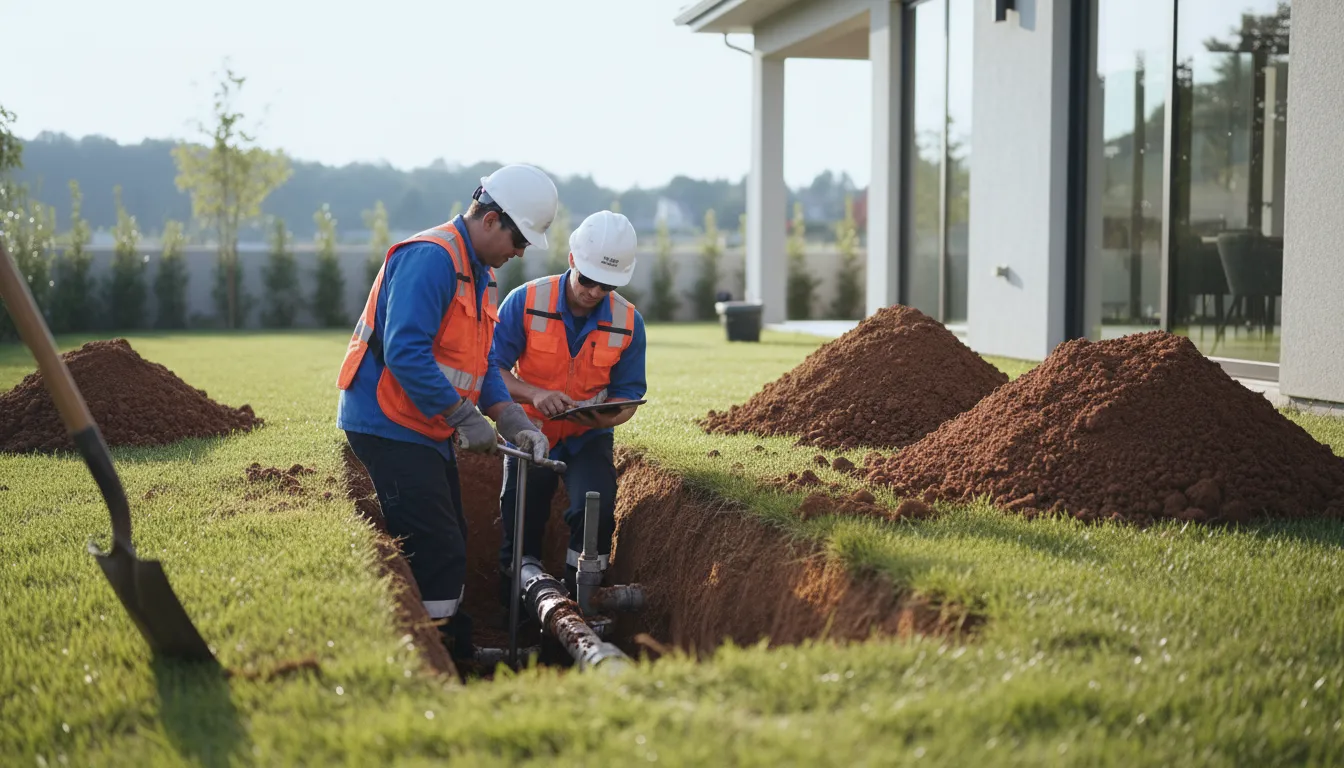
Find the Best Septic System Repair Companies for Your Business
No obligation • Fast responses • Nationwide coverage

Why you can trust Septic Spot
Septic Spot is a leading United States resource for understanding and comparing septic services. Our editors review providers using consistent criteria and verify key business details. Listings and scores are independent, and companies cannot pay to influence our content.
Search providers near you
Top Septic System Repair Companies in Charleston, South Carolina Ranked
A failing septic system is more than an inconvenience; it's a serious environmental and public health concern, especially in a coastal city like Charleston. Septic system repair involves diagnosing and fixing issues with your tank, drainfield, or other components to restore proper wastewater treatment and prevent contamination. Given the region's high water tables and strict environmental regulations, addressing problems promptly with a qualified professional is crucial. This guide will help you understand the repair process, local rules, and how to connect with licensed experts to protect your property and our local waterways.
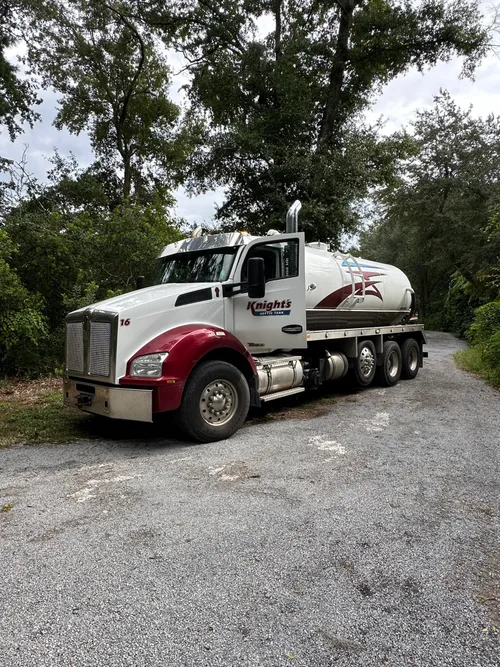
Knights Septic Tank Services
288 Hodge Rd, Summerville, SC 29483
Knights Septic Tank Services has been serving Charleston, SC, and the surrounding Lowcountry area since 1969. The company offers a full range of septic services including pumping, inspection, installation, and repair for both residential and commercial clients. They also manufacture precast concrete septic tanks and grease traps through their specialized divisions. Their licensed engineers and technicians bring over 30 years of combined experience to each project. Knights Septic Tank Services operates pump trucks seven days a week by appointment to accommodate customer needs.
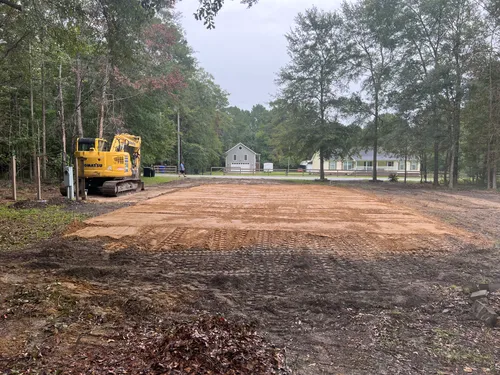
Palmetto Site Solutions, LLC
Charleston, SC
Palmetto Site Solutions, LLC is a family-owned septic company serving Charleston, SC, and nearby areas including Summerville and Moncks Corner. They provide a full range of septic system services such as engineered design, installation, inspection, and repairs. With over 10 years of experience, the company is licensed, insured, and certified by the South Carolina Department of Environmental Services (SCDES). They specialize in Tier 3 septic systems and manage projects from initial design through final inspection.

Anderson Plumbing & Industrial Inc.
Charleston, SC
Anderson Plumbing & Industrial Inc. is a family-owned company serving Charleston, SC, and surrounding areas with industrial, commercial, and residential plumbing services. They specialize in complex plumbing system repairs, septic tank pumping and repair, and trenchless pipe rehabilitation using advanced technologies such as robotic camera inspection and UV curing. With decades of experience, Anderson Plumbing & Industrial offers emergency services and a workmanship guarantee to address urgent and routine plumbing needs efficiently.
A-1 Septic Tank Service
1717 Pineview Rd, Charleston, SC 29407
A-1 Septic Tank Service provides septic tank pumping, installation, and repair services in Charleston, SC. The company offers tailored septic solutions with a focus on professional installation and maintenance. With years of experience, A-1 Septic Tank Service is equipped to handle various septic system needs to support residential and commercial properties.
Understanding Charleston's Unique Septic Challenges
Charleston's beautiful Lowcountry environment presents specific challenges for onsite wastewater systems. The high water table, frequent heavy rains, and tidal influence mean that soil conditions are often saturated 1. This reduces the soil's ability to properly absorb and treat effluent from a conventional septic system. When a system fails in this environment, untreated wastewater can quickly reach groundwater or surface water, contributing to pollution in sensitive ecosystems like the creeks around James Island 1 2. Consequently, regulatory oversight from the South Carolina Department of Environmental Services (SCDES, formerly DHEC) is particularly stringent here to protect public health and water quality 3.
When Do You Need Septic Repairs?
Recognizing the signs of a failing system early can save you from more extensive and expensive damage. Common red flags include:
- Slow Drains and Sewage Backups: Sinks, toilets, and showers that drain slowly or gurgle.
- Unpleasant Odors: Foul smells around the tank or drainfield area, especially after rain.
- Soggy Ground or Lush Grass: Overly wet, spongy, or unusually green and fast-growing patches over the drainfield.
- Standing Water: Puddles of grey or black water on the surface near the system.
- Failed Inspection: A routine inspection or a real estate transaction inspection identifies a problem.
If you notice any of these issues, it's time to contact a licensed septic professional for a diagnosis.
The Regulatory Landscape: Permits and Professionals
In Charleston and across South Carolina, septic system work is tightly regulated. You cannot simply hire any handyman to fix a failing system.
Permit Requirement: Before any repair or replacement begins, a Permit to Construct must be obtained from SCDES 4 5. Your licensed contractor will typically handle this application process, which includes a site evaluation and review of the proposed repair plan. The application fee for such a permit is typically around $150 6.
Licensed Contractors Only: State law requires that repairs be performed by a licensed septic system installer or contractor. Property owners are generally not permitted to perform their own repairs on a failing system. This ensures the work meets state health and environmental standards. You can verify a contractor's license using resources provided by SCDES.
Soil Evaluation is Key: A critical part of the permit process is a professional soil evaluation. An evaluator will assess soil texture, depth to bedrock, and-most importantly in Charleston-the seasonal high water table. This evaluation determines what type of repair or replacement system your property can support.
Common Types of Septic System Repairs
The nature of your repair will depend on the diagnosis. Here are the most common scenarios:
Tank Pumping and Minor Repairs: Sometimes, the issue is contained within the tank itself. A clogged inlet or outlet baffle, a damaged lid, or excessive sludge can cause problems. A simple pump-out and repair of the tank components may be a sufficient and affordable fix.
Drainfield (Leach Field) Rehabilitation or Replacement: This is often the most significant and costly repair. If the soil in the drainfield has become clogged (a condition called "biomat" failure) or is permanently saturated, the field may need to be replaced or expanded 7. In some cases, less invasive techniques like jetting or adding new distribution lines might be possible.
Engineered or Alternative System Installation: Due to poor soil conditions or high water tables, a conventional gravel trench system may not be viable. In these cases, SCDES may require an engineered system. These can include:
- Pump Systems: To move effluent to a drainfield at a higher elevation.
- Raised Bed (Mound) Systems: Where suitable soil is brought in to create an elevated drainfield.
- Advanced Treatment Units: Systems that provide additional treatment before the effluent reaches the drainfield 8.
Connection to Public Sewer: If a public sewer line is available near your property, connecting to it is often the most reliable long-term solution and may be encouraged or required by local authorities when a system fails.
Find the perfect septic system repair companies for your needs
Get personalized recommendations and expert advice
The Septic Repair Process: What to Expect
Working with a licensed professional, the repair process typically follows these steps:
- Initial Consultation and Site Locating: The contractor will visit your property to discuss symptoms and locate the existing tank and drainfield, often using probing rods or electronic equipment 9.
- Inspection and Diagnosis: The tank lid is removed to check liquid levels, inspect baffles and tees, and look for signs of structural damage or blockages. A thorough inspection of the drainfield area is also conducted 10.
- Soil and Site Assessment: For significant repairs, a certified soil classifier will perform the required evaluation to inform the repair design and permit application.
- Permit Application & Design: Your contractor prepares the repair plan and submits the Permit to Construct application to the local SCDES Environmental Affairs office for approval.
- Repair Work: Once the permit is issued, the licensed crew performs the approved repairs or installation.
- Final Inspection: After work is complete, a final inspection by the contractor (and sometimes by SCDES) ensures the system was installed according to the permitted plans 11.
Understanding the Costs and Available Assistance
Septic repair costs in Charleston can vary widely based on the problem:
- Professional Inspection: A thorough septic inspection typically costs between $200 and $900, with a national average around $550 12.
- Minor Repairs: Fixing a baffle or replacing a lid may cost a few hundred dollars.
- Major Drainfield Replacement: This is a significant undertaking, with costs often ranging from $3,000 to $5,000 or more for a standard system replacement 13.
- Engineered Systems: These are more complex and can be considerably more expensive.
Financial Assistance Program: Importantly, Charleston County offers a funding program for income-eligible residents. Qualified homeowners (earning no more than 80% of the area median income) may access funds to repair or replace a failing septic system or to connect to public sewer where available. This program represents a commitment of up to $2 million to assist residents 14.
Proactive Maintenance to Avoid Major Repairs
The best repair is the one you never need. Protect your investment with regular care:
- Pump Regularly: Have your tank pumped every 3 to 5 years by a licensed pumper, depending on household size and usage 15 16.
- Conserve Water: Spread out laundry loads and fix leaky fixtures to avoid hydraulically overloading the system.
- Mind What You Flush: Only human waste and toilet paper should go down the drain. Avoid chemicals, grease, wipes, and feminine hygiene products.
- Protect the Drainfield: Never drive or park vehicles over it, and keep roof drains and landscaping runoff directed away from the area.
- Avoid Additives: Commercial septic tank additives are not necessary and can sometimes harm the bacterial balance in your tank or contaminate groundwater 17 18.
Frequently asked questions
Sources
Footnotes
-
Septic Tanks: A Hidden Menace - Charleston Waterkeeper - https://charlestonwaterkeeper.org/2024/09/septic-tanks-a-hidden-menace/ ↩ ↩2
-
Septic Systems - https://www.mountpleasantwaterworks.com/your_water/septic_systems.php ↩
-
South Carolina Department of Environmental Services: Home - https://www.des.sc.gov/ ↩
-
Site Inspections | South Carolina Department of ... - https://des.sc.gov/permits-regulations/septic-tanks/homeowner-resources/site-inspections ↩
-
Septic Tanks - Residential, Single Home Builder - https://des.sc.gov/permits-regulations/septic-tanks/permits-licenses/septic-tanks-residential-single-home-builder ↩
-
Be Septic Safe: How to Apply for a South Carolina Septic Permit - https://hgic.clemson.edu/factsheet/be-septic-safe-how-to-apply-for-a-south-carolina-septic-permit/ ↩
-
Sewer Drain Field Repair & Replacement In Union County, SC - https://www.iveysepticsc.com/drain-field-replacement/ ↩
-
Licensing for Septic System Installers | South Carolina Department ... - https://des.sc.gov/permits-regulations/septic-tanks/licensing-septic-system-installers ↩
-
Septic Inspection Process: What Homeowners Should Know ... - https://www.lunspro.com/vlog/the-septic-system-inspection-process-what-homeowners-should-know ↩
-
Septic Tanks - Regulation, Forms, Fact Sheets - https://des.sc.gov/permits-regulations/septic-tanks/septic-tanks-regulation-forms-fact-sheets ↩
-
Site Inspections | South Carolina Department of ... - https://des.sc.gov/permits-regulations/septic-tanks/homeowner-resources/site-inspections ↩
-
How Much Does a Septic Inspection Cost? [2026 Data] | Angi - https://www.angi.com/articles/septic-inspection-cost.htm ↩
-
4/21/2024 1 septic tank inspections and maintenance - https://www.masc.sc/sites/default/files/uploads/affiliated-associations/for-web-septic-tank-inspections-and-maintenance-presentation-for-2q-scasm.pdf ↩
-
Charleston County offers free septic tank, well repairs for qualifying ... - https://www.postandcourier.com/news/charleston-county-offers-free-septic-tank-well-repairs-for-qualifying-residents/article_44b50e0a-406d-11ee-81f3-cfe513d241d4.html ↩
-
Septic Tanks - Preventative Routine Maintenance - https://des.sc.gov/permits-regulations/septic-tanks/homeowner-resources/septic-tanks-preventative-routine-maintenance ↩
-
septic water - Town of McClellanville - https://www.mcclellanvillesc.org/wp-content/uploads/2020/07/septic-water.pdf ↩
-
Be Septic Safe - Clemson University - https://www.clemson.edu/extension/water/resources/be-septic-safe.html ↩
-
Septic - South Carolina Department of Environmental Services - https://des.sc.gov/taxonomy/term/561 ↩