Find the Best Septic System Repair Companies for Your Business
No obligation • Fast responses • Nationwide coverage

Why you can trust Septic Spot
Septic Spot is a leading United States resource for understanding and comparing septic services. Our editors review providers using consistent criteria and verify key business details. Listings and scores are independent, and companies cannot pay to influence our content.
Search providers near you
Top Septic System Repair Companies in Kenosha, Wisconsin Ranked
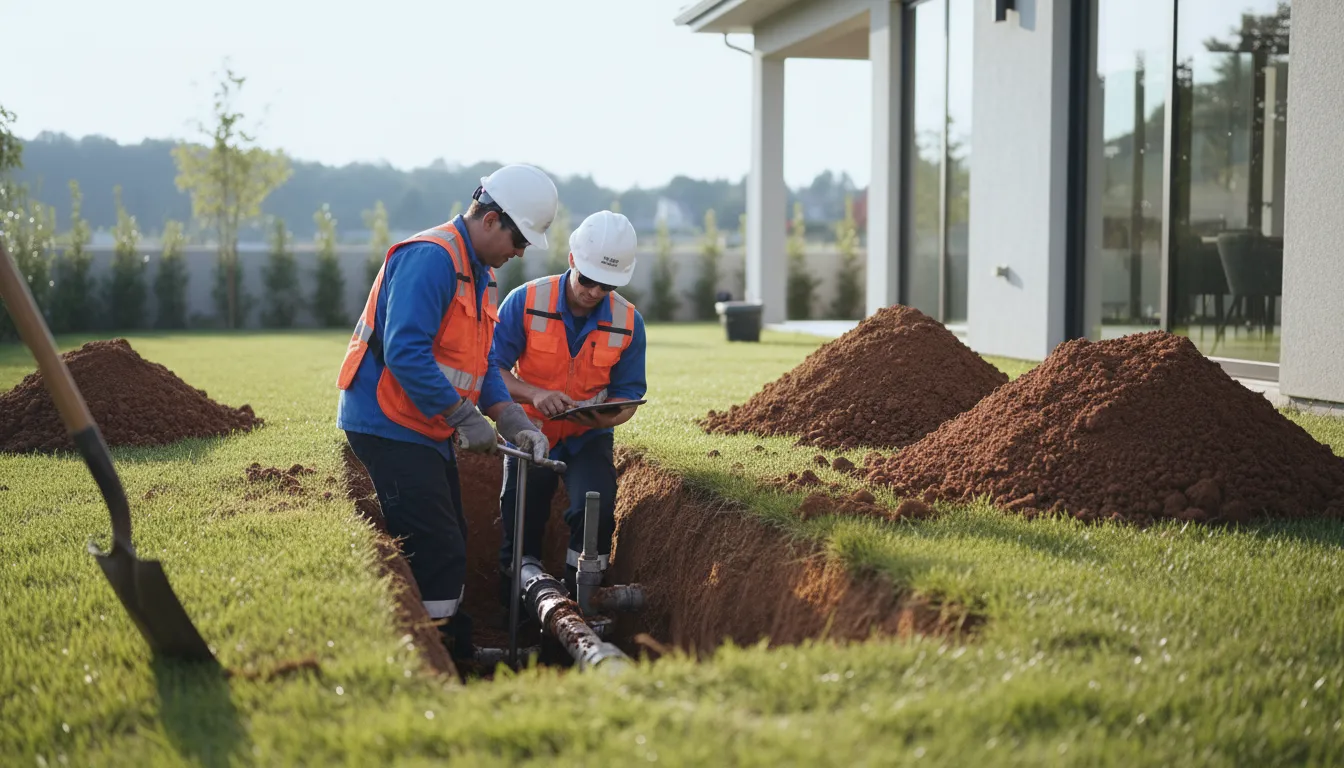
A failing septic system is more than an inconvenience; it's a serious health and environmental hazard that requires immediate, professional attention. Septic system repair involves diagnosing and fixing issues with your private onsite wastewater treatment system (POWTS), from minor component failures to complete drainfield replacements. In Kenosha County, these repairs are strictly regulated to protect groundwater and public health. This guide will help you understand the repair process, local requirements, and how to connect with qualified, licensed professionals to restore your system to proper working order.
Understanding Your Septic System and Local Regulations
In Wisconsin, a septic system is officially known as a Private Onsite Wastewater Treatment System (POWTS). It's a self-contained wastewater treatment solution for properties not connected to a municipal sewer line. A typical system includes a septic tank, where solids settle and begin to decompose, and a soil absorption field (drainfield), where treated effluent is dispersed into the soil for final purification.
Kenosha County enforces stringent state and local codes governing all aspects of septic system installation, maintenance, and repair 1. The cornerstone of these regulations is a mandatory maintenance program designed to catch problems early, often before a full-scale failure occurs. All septic systems in the county must be inspected by a licensed professional at least every three years 1 2. Systems with pumps or advanced pretreatment components may require even more frequent check-ups 3. This proactive inspection cycle is critical because it can identify minor issues that, if left unaddressed, can lead to costly and extensive septic system restoration work.
The Critical Role of Regular Maintenance and Inspections
Scheduling your mandatory three-year inspection is the first line of defense against major system failure. A professional inspection is far more than just checking if the toilet flushes. A certified inspector will conduct a thorough evaluation that typically includes:
- Locating and uncovering the tank and access ports.
- Measuring sludge and scum levels to determine if pumping is needed (required when combined volume reaches one-third of the tank).
- Visually inspecting the tank interior for cracks, baffle condition, and the presence of an effluent filter.
- Checking all system components, including pumps, floats, and alarms in pressurized systems.
- Assessing the drainfield for signs of failure, such as soggy soil, surfacing sewage, or unusually lush vegetation 4 5 6.
This inspection provides a clear snapshot of your system's health. The service provider is required to file a report of their findings with the Kenosha County Department of Planning and Development, creating an official record of your compliance 7. Neglecting this requirement can result in fines and legal complications for the property owner 7.
Common Septic System Repairs in Kenosha
When an inspection reveals a problem, or you notice warning signs like slow drains, sewage odors, or wet spots in your yard, a specific repair will be necessary. Repairs range from simple fixes to complex projects:
- Baffle Repair or Replacement: The inlet and outlet baffles inside your tank prevent solids from escaping into the drainfield. If they are damaged or missing, they must be replaced to prevent drainfield clogging 8.
- Effluent Filter Installation: Modern systems often include a filter on the tank outlet. Installing or cleaning this filter is a common minor repair that protects the drainfield.
- Pipe Repair: Broken, collapsed, or clogged pipes connecting your home to the tank or the tank to the drainfield need to be excavated and replaced.
- Pump or Component Replacement: For systems with pumps (like mound systems), replacing a failed pump, float switch, or control panel is a standard repair.
- Drainfield Rehabilitation or Replacement: This is the most significant type of repair. If the soil absorption area has failed due to clogging, compaction, or hydraulic overload, it may require specialized techniques like jetting or even a complete replacement. In many cases, a new drainfield must be constructed, sometimes as a different system type like a Mound or At-Grade system, which are common solutions in areas with challenging soil conditions 9.
- Tank Replacement: Severely cracked or leaking tanks must be replaced with a new, code-compliant tank.
Find the perfect septic system repair companies for your needs
Get personalized recommendations and expert advice
The Permitting Process for Repairs in Kenosha County
It is illegal to perform any repair, alteration, or replacement on a septic system in Kenosha County without first obtaining a Sanitary Permit 10. This rule ensures all work meets current health and safety standards. The process is managed by the Kenosha County Department of Planning and Development.
- Hire a Licensed Professional: Only a licensed plumber or soil tester registered with the state of Wisconsin can apply for the permit and perform the repair work.
- Submit an Application: Your licensed contractor will handle the permit application, which includes details about the proposed repair, system design, and property information.
- Pay Permit Fees: Fees vary based on the scope of work, ranging from approximately $70 for minor alterations to over $500 for new system installations or major replacements.
- County Review and Issuance: The county reviews the application for compliance. Once approved, work can begin.
- Final Inspection: After the repair is complete, the county typically requires a final inspection to approve the work.
Attempting a DIY repair or hiring an unlicensed individual can result in improper work that fails to solve the problem, creates environmental contamination, and leaves you liable for fines and the cost of redoing the work correctly.
Understanding Repair Costs
The cost of septic system servicing and repairs in Kenosha varies widely based on the problem's complexity and site-specific conditions. It's important to get detailed estimates from licensed professionals.
- Routine Inspection & Pumping: The typical 3-year service call, including inspection and pumping if needed, generally ranges from $300 to $600.
- Minor Repairs: Fixing a baffle, replacing an effluent filter, or repairing a section of pipe might cost between $500 and $1,200.
- Major System Repairs: Significant work like rehabilitating or replacing a drainfield is a major investment. Installing a new Mound system, often required in areas with high groundwater or poor soil, can range from $10,000 to $30,000 or more 11.
- Permit Fees: As noted, these are an additional cost paid to the county and can range from $70 to over $500 depending on the permit type 12.
Warning Signs You Need a Repair
Don't wait for your triennial inspection if you notice any of these red flags:
- Drains emptying slowly or toilets backing up.
- Sewage odors in your home or yard.
- Wet, spongy, or soggy soil over the drainfield, especially when it hasn't rained.
- Standing water or surfacing sewage in your yard.
- Unusually bright green, lush grass over the drainfield area.
- Alarms sounding from your septic system pump tank.
If you observe any of these signs, contact a licensed septic repair professional immediately to schedule a diagnostic inspection.
Choosing a Qualified Repair Professional
Your septic system is a critical part of your home's infrastructure. When selecting a professional for inspections or repairs in Kenosha, verify the following:
- Wisconsin License: Ensure they are licensed as a Master Plumber or Soil Tester for POWTS work.
- Kenosha County Experience: Choose a provider familiar with local soil conditions, county officials, and permit processes.
- Insurance: Confirm they carry adequate liability and workers' compensation insurance.
- Detailed Estimates: Obtain written, detailed estimates that break down labor, materials, and permit fees.
- References: Ask for and contact references from recent repair jobs.
Frequently asked questions
Sources
Footnotes
-
Septic & Pump Tank Maintenance | Kenosha County, WI - https://www.kenoshacountywi.gov/760/Septic-Pump-Tank-Maintenance ↩ ↩2
-
Wisconsin's 3-Year Septic Inspection Requirement - https://toombssepticservices.com/septic-services/wisconsins-3-year-septic-inspection/ ↩
-
Wisconsin Maintenance Program - DSPS - https://dsps.wi.gov/Documents/Programs/POWTS/POWTSMaintenanceProgramBrochure.pdf ↩
-
Septic System Inspection Requirements | Don't Miss the ... - https://sunsetseptic.com/septic-system-inspection-requirements-wisconsin/ ↩
-
Septic System Inspections: A Step-by-Step How-To Guide - https://westcoastsanitationinc.com/septic-inspection-service/ ↩
-
SEPTIC SYSTEM ELVALUATION - https://priorityinspectionservices.com/septic-system-elvaluation ↩
-
A Guide to Rural Septic Systems for Wisconsin Homes - https://sunsetseptic.com/guide-to-rural-septic-systems-for-wisconsin-homes/ ↩ ↩2
-
Homeowner's Guide to Septic Systems - https://www.co.richland.wi.us/departments/zoning/sanitation/homeowner_guide_long.pdf ↩
-
Septic System Types | Kenosha County, WI - Official Website - https://www.kenoshacountywi.gov/753/Septic-System-Types ↩
-
Document Title: KENOSHA COUNTY SEPTIC TANK ... - https://wi-kenoshacounty.civicplus.com/DocumentCenter/Home/View/106 ↩
-
Rules and Regulations - https://septics.weebly.com/rules-and-regulations.html ↩
-
CHAPTER 13 ONEIDA COUNTY PRIVATE ONSITE WASTEWATER TREATMENT SYSTEMS ORDINANCE (POWTS) June 20, 2000 - https://www.oneidacountywi.gov/archive/planning-development/POWTS%20032713%20Final%20Drafte0b4.pdf?mtgdocid=1943&locid=135&schedid=19789 ↩