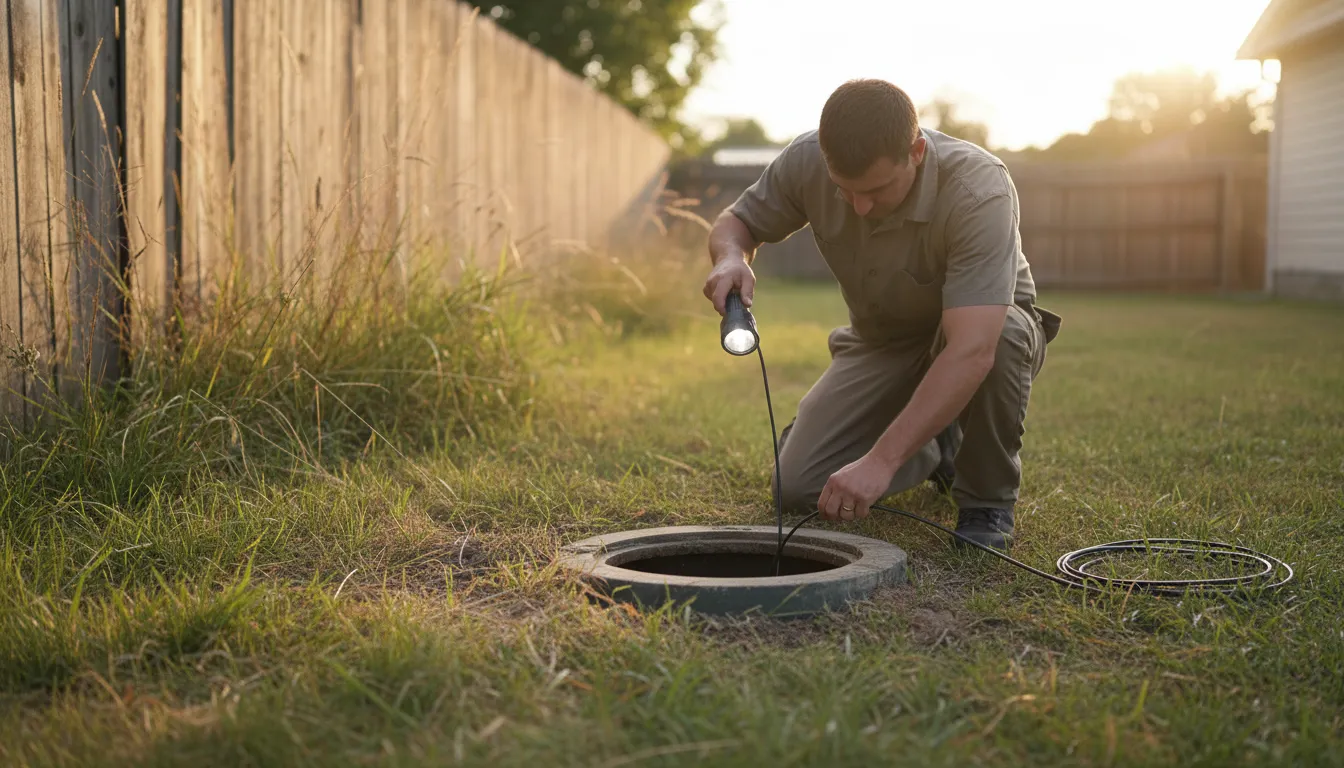
Find the Best Septic Tank Inspection Companies for Your Business
No obligation • Fast responses • Nationwide coverage

Why you can trust Septic Spot
Septic Spot is a leading United States resource for understanding and comparing septic services. Our editors review providers using consistent criteria and verify key business details. Listings and scores are independent, and companies cannot pay to influence our content.
Search providers near you
Best Septic Tank Inspection Companies in Alaska Ranked
A septic system inspection is a critical evaluation of your onsite wastewater treatment system's components and overall health. In Alaska's unique environment, with its permafrost, remote locations, and stringent regulations, ensuring your system functions properly is essential for protecting your property, health, and local waterways. This guide provides clear, practical information on inspection requirements, processes, and costs to help you find qualified local professionals for your evaluation needs.
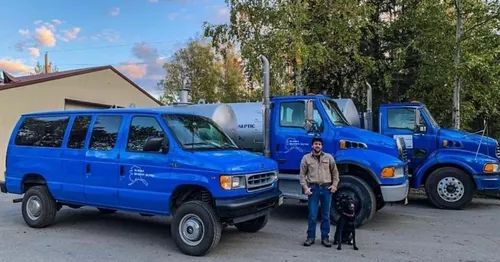
Alaska Quality Septic
12243 Center St, Eagle River, AK 99577
Alaska Quality Septic is a full-service septic company based in Anchorage, AK, offering septic pumping, inspections, maintenance, and installations. They serve a wide range of locations including Anchorage, Eagle River, Wasilla, Palmer, and many remote areas across Alaska. The company provides engineered septic system installations and general excavation services such as land clearing and drainage solutions. Alaska Quality Septic operates with 24/7 support to handle septic emergencies and ongoing system needs.
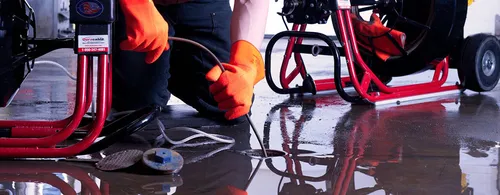
One Stop Services
2849 Porcupine Dr, Anchorage, AK 99501
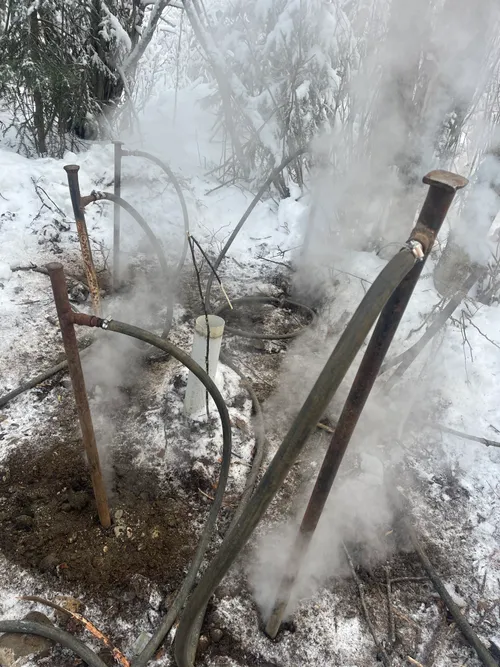
One Stop Services is a septic tank inspection company based in Anchorage, AK. They provide residential and commercial sewer and drain cleaning and repair services, including hydro-jetting, rooter service, and steam thawing. Their capabilities also include in-line camera inspections using fiber optics with video presentation, as well as sewage, drain, and utility line location. With over 10 years of experience, they serve Anchorage and surrounding areas in Alaska.
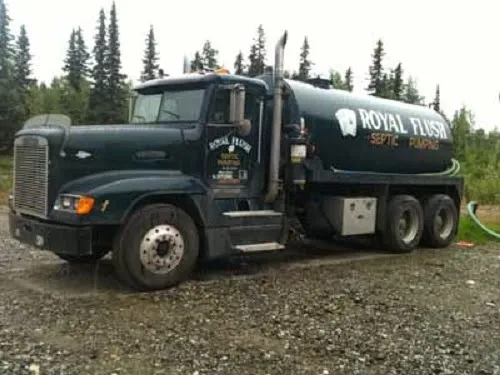
Royal Flush Septic Pumping
7241 Sunrise Dr, Wasilla, AK 99623
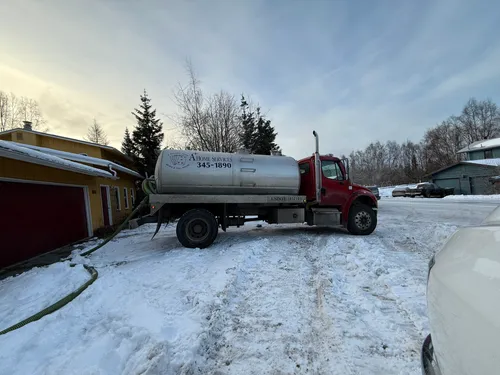
Royal Flush Septic Pumping provides a full range of septic services in Anchorage, AK, including septic tank pumping, inspection, repair, and installation. They also handle drain field repair and replacement, septic pump repair or replacement, and offer commercial sewer repair and pipe video inspection. The company is equipped with vacuum trucks and provides year-round service to manage the challenges posed by Alaska's harsh weather conditions. Royal Flush offers 24/7 emergency septic and sewer services to address urgent needs promptly.
Knik Sewer, Drain and Excavation
Anchorage, AK
Knik Sewer, Drain and Excavation is a septic tank inspection, repair, and installation company located in Anchorage, AK. They provide a full range of civil construction services including site preparation and commercial tank farm construction. Their team specializes in septic system installation, drain cleaning, and drain field repair or replacement. Knik SDX works closely with engineers and inspectors to ensure projects run smoothly and meet client needs.
A+ Home Services, Inc.
700 W 41st Ave STE 201, Anchorage, AK 99503
A+ Home Services, Inc. provides septic system installation, pumping, inspection, repair, and drain field services in Anchorage, AK. With over 30 years of experience, they also offer excavation services including site preparation and drainage system installation for residential and commercial properties. The company specializes in a variety of septic systems, including advanced treatment options like Orenco and Advantex, and uses modern equipment to complete projects efficiently while adhering to local regulations.
Why Septic Inspections Are Crucial in Alaska
Alaska presents distinct challenges for wastewater management. Harsh winters, sensitive ecosystems, and the prevalence of remote properties make a functioning septic system non-negotiable. A professional assessment does more than check a box; it identifies minor issues before they become costly, environmentally damaging failures. Regular inspections protect your investment, prevent groundwater contamination, and ensure compliance with state and local health codes 1. For homeowners, this is a key part of responsible property stewardship.
Understanding Alaska's Regulatory Landscape
Septic systems in Alaska are regulated under 18 AAC 72 by the Alaska Department of Environmental Conservation (ADEC). This framework sets the standards for design, installation, and maintenance. Key regulatory points include:
- Permit Requirements: ADEC requires permits for all new system installations, major modifications, or significant repairs 2. A registered professional engineer must design the system, and plans must be approved before any work begins.
- Local Municipal Codes: Many municipalities, including Anchorage, have additional ordinances. It's vital to check with both ADEC and your local borough or city for specific rules that apply to your property.
- System Approvals: For certain property transactions, a formal system approval certificate may be required, which involves a more rigorous inspection process (detailed below).
Types of Septic Inspections
The scope and purpose of your inspection will determine its depth and cost. There are two primary types homeowners encounter.
1. Routine Maintenance Inspection
This is a periodic check-up recommended for all system owners. The U.S. Environmental Protection Agency suggests having a standard household septic tank inspected at least every three years, with pumping typically needed every three to five years. In Alaska, adhering to this schedule is especially important due to the environmental stressors on systems.
A routine inspection generally involves:
- Locating and uncovering the tank and distribution box.
- Checking sludge and scum levels to determine if pumping is needed.
- Inspecting the tank's inlet and outlet baffles.
- Looking for signs of back-up or surface breakouts in the drain field.
- Assessing the general condition of tank lids and access ports.
2. Real Estate Transfer (COSA) Inspection
This is a comprehensive, compliance-driven inspection often required during the sale of a property. The most well-known example is the Certificate of On-Site Systems Approval (COSA) required by the Municipality of Anchorage before a home can be sold.
A COSA-level inspection is far more detailed and must be performed by a certified inspector or engineer. It verifies that the system:
- Is adequate for the home's size and was installed with proper permits.
- Is currently functioning correctly.
- Meets all required separation distances (e.g., between the septic system and any well).
- Has a properly sealed well casing (if applicable).
- Has a disposal field that passes an adequacy test, if required 3.
- Has been pumped and maintained within the 12 months prior to the COSA application date.
Find the perfect septic tank inspection companies for your needs
Get personalized recommendations and expert advice
What Inspectors Look For
A thorough septic system evaluation, whether routine or for real estate, examines all major components. Understanding this process helps you know what to expect.
The Septic Tank:
- Structural Integrity: Checking for cracks, leaks, or corrosion in concrete tanks, or deterioration in other materials.
- Sludge and Scum Levels: Measuring these layers to determine the need for pumping.
- Baffles and Outlets: Ensuring inlet and outlet baffles are intact to prevent solids from entering the drain field.
- Lids and Access: Verifying risers and lids are secure, safe, and accessible.
The Drain Field (Soil Absorption System):
- Surface Evidence: Looking for soggy soil, foul odors, or sewage breakout on the surface-clear signs of failure.
- Vegetation: Noting unusually lush grass or standing water over the field.
- Hydraulic Load Test: For a COSA, an inspector may perform a test to see if the drain field can handle the estimated daily wastewater flow 4.
Pumps and Mechanical Components:
- For systems with pumps, lift stations, or alternative treatment technologies, the inspector will test alarms, floats, and mechanical operation.
Overall System Compliance:
- The inspector will assess whether the system's location, size, and type comply with current regulations for the property.
Septic Inspection Costs in Alaska
Costs vary significantly based on the inspection's complexity, the system's size and type, and your location in the state.
- Routine Maintenance Inspection: A standard inspection typically ranges from $200 to $900. This is for a visual assessment, sludge level check, and basic report.
- Real Estate / COSA Inspection: A full inspection for a property transfer, which includes compliance verification, adequacy testing, and detailed reporting, can cost $900 to $1,300 or more 5. Complex systems or those in remote areas will be at the higher end of this range.
- Permit Fees: Separate from inspection costs, ADEC permit fees for system plans are based on design flow. A typical residential system (up to 1,500 gallons per day) has a plan review fee of approximately $655 6 7.
Finding a Qualified Inspector in Alaska
Given the technical and regulatory complexities, choosing the right professional is paramount. Look for providers with:
- State Certification: Ensure they are certified by the Alaska Department of Environmental Conservation or meet municipal certification requirements (e.g., for COSA inspections in Anchorage).
- Local Experience: Familiarity with Alaska's soil conditions, climate, and common system types is invaluable.
- Professional Engineering License: For designing new systems or evaluating complex failures, a Professional Engineer (PE) license is often required.
- Detailed Reporting: They should provide a clear, written report with findings, photos, and recommendations.
- References: Ask for and contact references from past clients, especially those with similar systems or inspection needs.
Disclaimer: Regulations and fees can change. Always consult the Alaska Department of Environmental Conservation (ADEC) or your local municipal authorities for the most current requirements before proceeding with any septic system work.
Frequently asked questions
Sources
Footnotes
-
How to Care for Your Septic System | US EPA - https://www.epa.gov/septic/how-care-your-septic-system ↩
-
Alaska Septic Tank Requirements | Onsite Disposal Systems - https://www.ntotank.com/blog/alaska-septic-tank-requirements ↩
-
Wells & Septic Systems - Anchorage - Muni.org - https://www.muni.org/Departments/OCPD/development-services/wells-septic/Pages/default.aspx ↩
-
COSA - Muni.org - https://www.muni.org/Departments/OCPD/development-services/wells-septic/pages/cosa.aspx ↩
-
How Much Does a Septic Inspection Cost? [2026 Data] - Angie's List - https://www.angi.com/articles/septic-inspection-cost.htm ↩
-
Installing or Upgrading a Septic System | AK Dept. of Environmental Conservation - https://dec.alaska.gov/water/wastewater/engineering/homeowners ↩
-
Buying a Home | AK Dept. of Environmental Conservation - https://dec.alaska.gov/water/wastewater/engineering/buying-a-home ↩