Find the Best Septic Tank Inspection Companies for Your Business
No obligation • Fast responses • Nationwide coverage

Why you can trust Septic Spot
Septic Spot is a leading United States resource for understanding and comparing septic services. Our editors review providers using consistent criteria and verify key business details. Listings and scores are independent, and companies cannot pay to influence our content.
Search providers near you
Top Septic Tank Inspection Companies in Anchorage, Alaska Ranked
A septic tank inspection is a critical evaluation of your onsite wastewater system's health and functionality. In Anchorage, these assessments are especially important due to local regulations and the unique environmental conditions. This guide helps you understand the process, local requirements, and how to find qualified professionals to ensure your system is safe, compliant, and operating correctly.
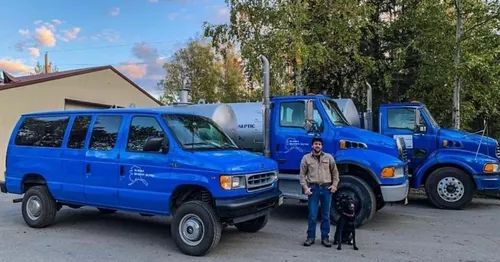
Alaska Quality Septic
12243 Center St, Eagle River, AK 99577
Alaska Quality Septic is a full-service septic company based in Anchorage, AK, offering septic pumping, inspections, maintenance, and installations. They serve a wide range of locations including Anchorage, Eagle River, Wasilla, Palmer, and many remote areas across Alaska. The company provides engineered septic system installations and general excavation services such as land clearing and drainage solutions. Alaska Quality Septic operates with 24/7 support to handle septic emergencies and ongoing system needs.
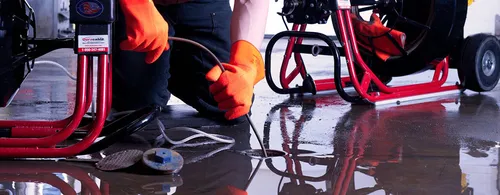
One Stop Services
2849 Porcupine Dr, Anchorage, AK 99501
One Stop Services is a septic tank inspection company based in Anchorage, AK. They provide residential and commercial sewer and drain cleaning and repair services, including hydro-jetting, rooter service, and steam thawing. Their capabilities also include in-line camera inspections using fiber optics with video presentation, as well as sewage, drain, and utility line location. With over 10 years of experience, they serve Anchorage and surrounding areas in Alaska.
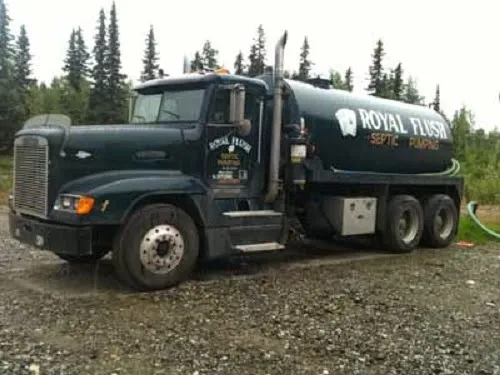
Royal Flush Septic Pumping
7241 Sunrise Dr, Wasilla, AK 99623
Royal Flush Septic Pumping provides a full range of septic services in Anchorage, AK, including septic tank pumping, inspection, repair, and installation. They also handle drain field repair and replacement, septic pump repair or replacement, and offer commercial sewer repair and pipe video inspection. The company is equipped with vacuum trucks and provides year-round service to manage the challenges posed by Alaska's harsh weather conditions. Royal Flush offers 24/7 emergency septic and sewer services to address urgent needs promptly.
Knik Sewer, Drain and Excavation
Anchorage, AK
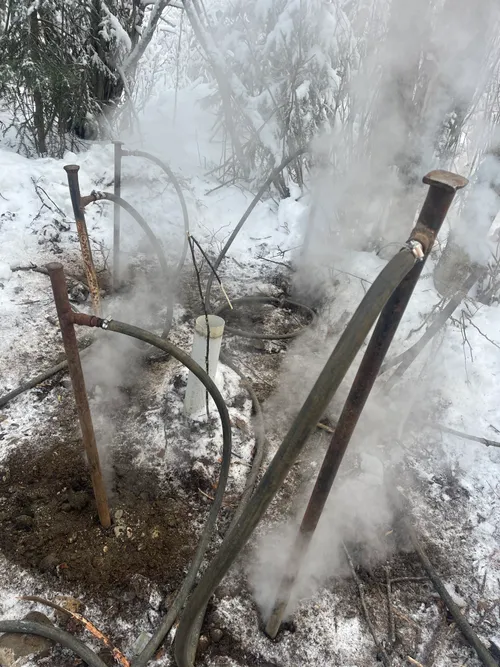
Knik Sewer, Drain and Excavation is a septic tank inspection, repair, and installation company located in Anchorage, AK. They provide a full range of civil construction services including site preparation and commercial tank farm construction. Their team specializes in septic system installation, drain cleaning, and drain field repair or replacement. Knik SDX works closely with engineers and inspectors to ensure projects run smoothly and meet client needs.
A+ Home Services, Inc.
700 W 41st Ave STE 201, Anchorage, AK 99503
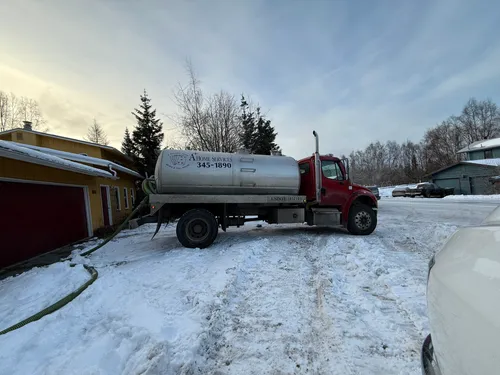
A+ Home Services, Inc. provides septic system installation, pumping, inspection, repair, and drain field services in Anchorage, AK. With over 30 years of experience, they also offer excavation services including site preparation and drainage system installation for residential and commercial properties. The company specializes in a variety of septic systems, including advanced treatment options like Orenco and Advantex, and uses modern equipment to complete projects efficiently while adhering to local regulations.
Why Septic System Inspections Are Essential in Anchorage
For homeowners not connected to the municipal sewer, the septic system is a private wastewater treatment plant. A thorough septic system evaluation protects your property investment, prevents environmental contamination, and safeguards public health. In Anchorage, the Municipality has specific rules governing these systems to protect groundwater, which is a common drinking water source in many areas1. Regular check-ups can identify minor issues like a clogged baffle or root intrusion before they escalate into a complete drain field failure, which is a costly and disruptive repair.
Beyond routine maintenance, a septic tank assessment is a legal requirement during most property transactions. The Municipality of Anchorage mandates a formal inspection to issue a Certificate of On-Site Sewer Adequacy (COSA), which is necessary to sell or transfer a property with a septic system. This rule ensures that buyers are not inheriting a failing system and that all onsite sewage disposal meets current health and safety standards.
Understanding Anchorage's COSA Requirement
The Certificate of On-Site Sewer Adequacy (COSA) is the cornerstone of septic regulation for property sales in Anchorage. You cannot complete a real estate transaction without this certificate if the home uses a septic system.
The COSA process involves a detailed inspection by a certified professional-either a professional engineer or a qualified inspector approved by the Municipality. The inspector must follow strict guidelines. A key rule is that the septic tank must have been pumped and maintained within the 12 months prior to submitting the COSA application. This isn't a suggestion; it's a mandatory step to allow for a proper internal inspection of the tank's structure.
The inspection itself verifies that the entire system-from the house sewer line to the tank and out to the drain field-is functioning correctly and not posing an environmental or public health risk. The inspector will confirm the system is not causing groundwater contamination, which is a serious concern in the Anchorage area.
Special Rules for Older Steel Tanks
Anchorage has specific, stringent rules for older steel septic tanks, which are common in many hillside neighborhoods. Steel tanks corrode over time and have a high failure rate.
- Tanks over 20 years old: The inspector must measure the liquid levels in the tank.
- Tanks over 30 years old: The tank must be physically exposed so the inspector can confirm its structural integrity 2. Many of these older steel tanks fail this part of the inspection, necessitating replacement with a modern, corrosion-resistant material like concrete or fiberglass.
Modern Access Requirements
For tanks installed after May 1, 2019, the Municipality requires modern access points to facilitate inspection and pumping. These include a minimum 20-inch diameter access manway riser on the first compartment and a 4-inch cleanout on the second compartment. Even for older systems, having proper cleanout access is crucial for a thorough inspection.
What Does a Comprehensive Septic Inspection Involve?
A professional onsite wastewater system inspection is a multi-step process that goes far beyond just looking at the tank.
- Locating & Accessing the System: The inspector first locates the tank and drain field using property records, probes, or electronic locating equipment. They will then excavate to access the tank lids and any necessary cleanouts3.
- Pumping & Internal Tank Inspection: For a COSA inspection, the tank must be recently pumped. The inspector examines the empty tank's interior walls, floor, baffles, and tees for cracks, corrosion (especially in steel tanks), and root intrusion. This step is impossible without a recent pumping4.
- Hydraulic Load Test: The inspector often introduces water into the system to check for proper flow from the house to the tank and from the tank to the drain field. They monitor for backups or surfacing effluent, which indicates a blockage or failure.
- Drain Field Evaluation: This is a critical component. The inspector checks for signs of failure, such as soggy ground, foul odors, or unusually lush vegetation over the field. They will also ensure no heavy equipment, vehicles, or permanent structures (like sheds or driveways) are placed over the drain field, as this can compact the soil and crush the pipes5.
- Component Check: All components, including pumps, alarms, distribution boxes, and the soil absorption area, are examined for proper operation.
- Reporting: Finally, the inspector provides a detailed report of their findings. For a COSA inspection, this report is submitted directly to the Municipality of Anchorage's Development Services department6.
Find the perfect septic tank inspection companies for your needs
Get personalized recommendations and expert advice
Cost of Septic Inspections in Anchorage
The price of a septic tank check in Anchorage varies significantly based on the type of inspection required.
- COSA Inspection (Municipality Required): This is the most comprehensive and costly option, averaging around $600 for the official report and certification process7 8. This fee typically covers the inspector's time, the detailed evaluation, and the paperwork submission to the Muni.
- General Maintenance Inspection: If you're not selling your home and just want a routine check, a basic visual and functional inspection typically costs between $100 and $250.
- Related Service Costs: Remember, a COSA inspection requires a recent pump. Septic tank pumping in Anchorage generally costs between $290 and $5609. If the inspector recommends a camera inspection of the inlet/outlet pipes or sewer lines, that can add an additional $250 to $1,400 depending on the length and complexity of the lines10.
Note: For properties on the Anchorage Hillside or with older systems, these are base costs. If the inspection reveals problems-such as a failing steel tank or a clogged drain field-the total cost will increase with the necessary repairs to bring the system into compliance for the COSA.
Preparing Your Home for a Septic Inspection
A little preparation can ensure your inspection goes smoothly and may help it pass more easily.
- Locate Your Records: Have any existing system diagrams, past inspection reports, or maintenance records available for the inspector.
- Ensure Clear Access: Clear snow, debris, or landscaping from around the septic tank lid, distribution box, and drain field area.
- Conserve Water: Avoid running excessive water (like long showers, laundry loads, or dishwasher cycles) immediately before the inspection to allow for an accurate hydraulic load test.
- Be Prepared for Digging: The inspector will need to excavate to access tank lids. Be ready for some minor landscaping disruption.
Maintaining Your System Between Inspections
A passed inspection is a snapshot in time. Protect your investment with proper ongoing care.
- Pump Regularly: Even outside of a sale, plan to have your tank pumped every 3 to 5 years11. This prevents solids from overflowing into the drain field and causing failure.
- Mind What You Flush: Only human waste and toilet paper should go down the drain. Avoid chemicals, grease, wipes (even "flushable" ones), and feminine hygiene products.
- Protect the Drain Field: Never park or drive over the drain field. Divect roof drains and surface water away from the area. Avoid planting trees or deep-rooted shrubs nearby.
Frequently asked questions
Sources
Footnotes
-
Are you an Anchorage homeowner with a septic tank? You're ... - https://www.adn.com/business-economy/2019/01/25/are-you-an-anchorage-homeowner-with-a-septic-tank-youre-going-to-want-to-know-about-this/ ↩
-
Municipality of Anchorage - https://www.muni.org/departments/ocpd/development-services/wells-septic/documents/cosa%20guidelines_2018.pdf ↩
-
Preparing for Septic Tank Inspection: 7 Key Steps - https://septic911.com/preparing-for-septic-tank-inspection/ ↩
-
What Is a Septic Tank Inspection - https://martinseptic.com/what-does-a-septic-tank-inspection-involve/ ↩
-
CHAPTER 15.65 WASTEWATER DISPOSAL - Anchorage - Muni.org - https://www.muni.org/departments/ocpd/development-services/codes-handouts/code%20archive%202018/amc%2015.65_adopted%20jan%2023%202018.pdf ↩
-
COSA - Muni.org - https://www.muni.org/Departments/OCPD/development-services/wells-septic/pages/cosa.aspx ↩
-
Buying or Selling a Home with a Septic System? Here's What ... - https://www.connieyoshimura.com/buying-or-selling-a-home-with-a-septic-system-heres-what-you-need-to-know/ ↩
-
Exploring the Costs of Septic Tank Inspections: What to Expect - https://www.theflushfellas.com/exploring-the-costs-of-septic-tank-inspections-what-to-expect ↩
-
How Much Does Septic Tank Pumping Cost? - The Spruce - https://www.thespruce.com/septic-tank-cleaning-cost-7561193 ↩
-
How Much Does a Septic System Inspection Cost? [2025 Data] - https://www.homeadvisor.com/cost/plumbing/septic-inspection-cost/ ↩
-
Residential Septic Tank Pumping in AK: A Homeowner's Guide - https://www.aksewer.com/residential-septic-tank-pumping-in-anchorage-ak-a-homeowners-guide/ ↩