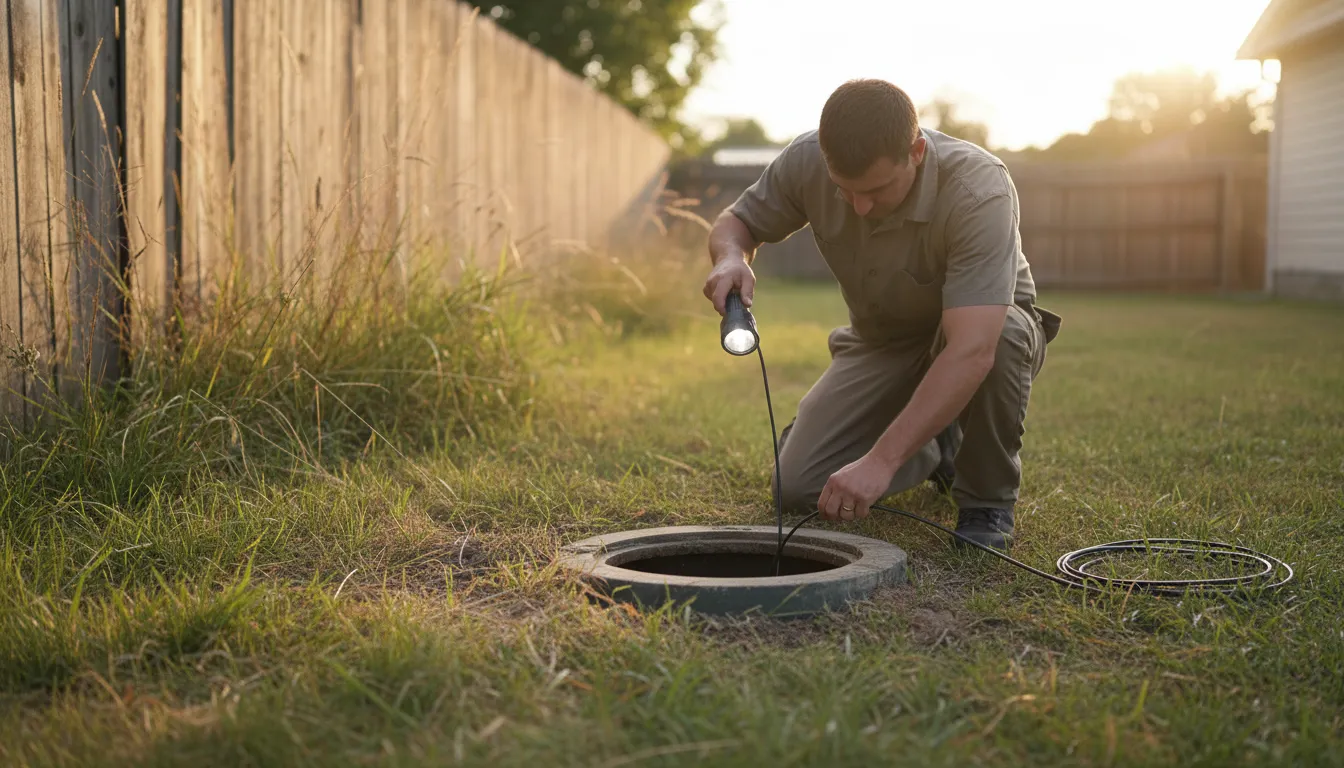
Find the Best Septic Tank Inspection Companies for Your Business
No obligation • Fast responses • Nationwide coverage

Why you can trust Septic Spot
Septic Spot is a leading United States resource for understanding and comparing septic services. Our editors review providers using consistent criteria and verify key business details. Listings and scores are independent, and companies cannot pay to influence our content.
Search providers near you
Best Septic Tank Inspection Companies in Arizona Ranked
A septic tank inspection is a professional assessment of your onsite wastewater system's condition and functionality. In Arizona, these evaluations are not just a good idea-they are often a legal requirement during a property sale and a critical part of routine maintenance to prevent costly failures and protect public health. This guide explains Arizona's specific rules, what an inspection entails, typical costs, and how you can find qualified local professionals to ensure your system is operating safely and efficiently.
ProInspect
2336 W Roy Rogers Rd, Phoenix, AZ 85085
ProInspect is a septic tank inspection company based in Phoenix, AZ. They provide detailed septic system inspections to help clients identify potential issues before purchasing property. Their certified inspectors focus on uncovering problems that may be overlooked by others, ensuring a thorough evaluation of septic tanks.
Macho Contracting
6424 E Greenway Pkwy #100, Scottsdale, AZ 85254
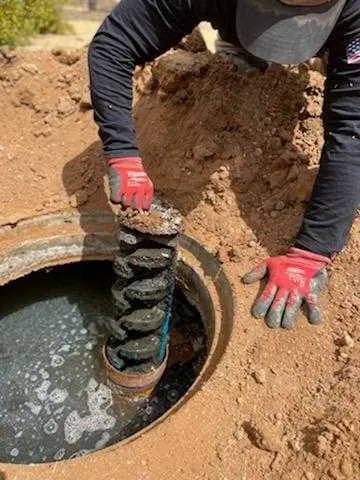
Macho Contracting is a family-owned plumbing and septic company serving Phoenix, AZ, and the surrounding Valley since 2016. They specialize in septic tank pumping, inspections, system repairs, and pump replacement services, with over 25 years of combined experience in onsite wastewater management. Their expertise includes handling underground systems, sewer line repairs, and complex septic system designs tailored to Arizona soil conditions. The company is fully licensed, NAWT-certified, and OSHA-trained, emphasizing safety and compliance in all projects.
Fearless Contracting Inc. Septic Service
7502 S Placita De La Sombra, Tucson, AZ 85746
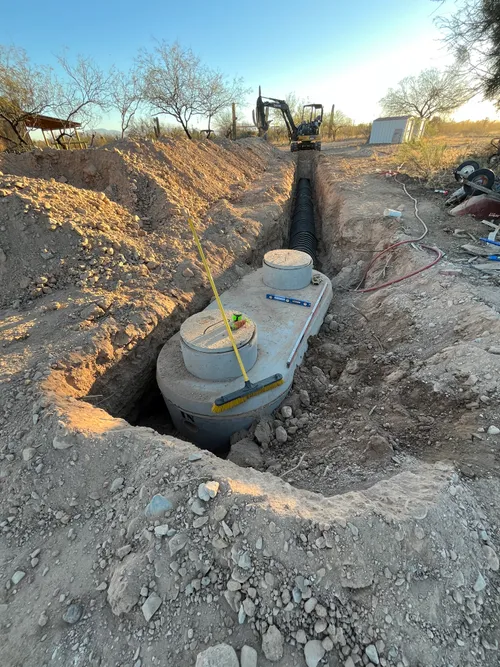
Fearless Contracting Inc. Septic Service is a family owned and operated business based in Tucson, AZ. They offer a wide range of septic system services including septic tank pumping, installation, inspection, and repair, as well as drain field repair and hydro jetting. The company serves Tucson and surrounding areas such as Catalina, Vail, Oro Valley, and Marana. With over 14 years of experience in the underground industry, Fearless Contracting provides 24/7 emergency service to meet various septic system needs.
Reddi Services
12268 92nd Dr, Peoria, AZ 85381
Reddi Services is a family-owned plumbing and HVAC company serving Phoenix, AZ, and the Kansas City metro areas. Since 1957, they have provided full-service plumbing, drain cleaning, cooling, and heating solutions for residential and commercial customers. Their services include septic tank pumping and inspection, along with comprehensive plumbing inspections to diagnose issues. Reddi Services maintains licensed and insured technicians and offers 24/7 emergency service without after-hours charges, ensuring help is available whenever needed.

88DRAIN
4377 S Sky High Pl a, Tucson, AZ 85730
88DRAIN is a septic tank and plumbing service provider based in Tucson, AZ. The company offers septic tank pumping, inspection, repair, installation, and drain field repair services. With over 44 years of experience serving Tucson and Pima County, 88DRAIN has recently joined the Rite Way family, expanding its service offerings to include heating, cooling, plumbing, and electrical work. This transition ensures continued comprehensive support for local customers with the same team and phone number.
Why Septic Inspections Are Critical in Arizona
A properly functioning septic system is essential for protecting your property value, your family's health, and Arizona's groundwater. The state's arid environment and specific soil conditions make proper wastewater treatment vital. A failing system can lead to sewage backups into your home, contamination of wells, and pollution of nearby waterways. Regular system checks are the most effective way to catch minor issues-like small leaks, baffle problems, or early signs of drain field failure-before they escalate into emergencies requiring a full system replacement, which can cost tens of thousands of dollars.
In Arizona, the law mandates a septic system evaluation during the transfer of property ownership. This rule is designed to protect both the buyer and the seller by formally documenting the system's condition at the time of sale. Beyond real estate transactions, proactive inspections are a cornerstone of responsible homeownership, helping you plan for maintenance and avoid unexpected disasters.
Arizona's Legal Requirements for Septic Inspections
Arizona has clear regulations governing septic systems, primarily enforced through the Arizona Department of Environmental Quality (ADEQ) and county health departments. The most significant legal trigger for an inspection is the sale of a property with an onsite wastewater system.
The Mandatory Transfer Inspection
Arizona Administrative Code (A.A.C.) R18-9-A316 requires that a Notice of Transfer be filed with the ADEQ whenever a property with a septic system is sold. The process involves several key steps:
- Pre-Transfer Inspection: The seller must have the system inspected by a qualified inspector within six months prior to closing the sale. This is not a simple walk-around; it must be a comprehensive evaluation following state guidelines.
- Report of Inspection (ROI): The inspector provides a formal Report of Inspection to the seller. This document details the system's components, their condition, and whether the system is functioning properly, needs repair, or is failing.
- Disclosure to Buyer: The seller must provide a copy of this ROI to the prospective buyer before the transfer is finalized.
- Filing the Notice of Transfer: After the sale, the buyer is responsible for submitting the completed Notice of Transfer form, along with the ROI and the required fee, to the ADEQ within 15 calendar days of the property transfer 1 2. Failure to file can result in penalties.
This process ensures a clear, documented chain of responsibility and condition for the septic system.
System Standards and Compliance
An inspection will verify that the system meets current standards. Tanks must be structurally sound and watertight. The overall system, including the drain field, must conform to regulations set by the ADEQ and the local county health department (e.g., Maricopa County, Cochise County). If an inspection uncovers a failure or a significant violation, the new property owner will be responsible for bringing the system into compliance, which may involve repairs or a completely new installation.
What Does a Professional Septic Inspection Include?
A thorough septic system evaluation in Arizona goes far beyond just looking at the tank. A qualified inspector will typically follow a multi-step process:
- Record Review & Site Evaluation: The inspector will review any available permits, "as-built" diagrams of the system, and previous maintenance records. They will also assess the site for obvious issues like soggy ground over the drain field or odors.
- Locating & Exposing Components: The inspector will locate and uncover the tank's access lids and, if possible, the distribution box. This may require digging.
- Tank Inspection:
- Measuring Scum and Sludge Layers: Using specialized tools, the inspector measures the depth of the scum layer (floating solids) and the sludge layer (settled solids). This determines if the tank needs immediate pumping.
- Checking Baffles and Outlets: The inlet and outlet baffles (or tees) are checked for integrity. Damaged baffles can allow solids to escape into the drain field, causing premature failure.
- Assessing Structural Integrity: The tank is checked for cracks, leaks, and signs of corrosion or deterioration.
- Drain Field Assessment: The inspector will check for signs of failure, such as surfacing effluent, overly lush vegetation, or soggy soil in the drain field area. A hydraulic load test (running a significant amount of water into the system) may be performed to see if the drain field properly absorbs the flow.
- Full Report: You will receive a detailed written report summarizing the findings, including the system's condition (Pass, Needs Repair, Fail), any required actions, and recommendations for future maintenance.
Find the perfect septic tank inspection companies for your needs
Get personalized recommendations and expert advice
How Much Does a Septic Inspection Cost in Arizona?
The cost of a septic system evaluation in Arizona varies based on the inspection's scope, the system's size and complexity, and your location. Prices are generally higher for mandatory transfer inspections due to their comprehensive nature and required paperwork.
- Basic Visual Inspection: A limited assessment, often not sufficient for transfer purposes, may range from $200 to $300.
- Comprehensive Inspection (with Pumping): Most transfer inspections and thorough maintenance checks include pumping the tank to enable a complete internal assessment. This typically costs between $400 and $650 or more.
- Typical Average Cost: For a full inspection suitable for a real estate transaction, homeowners can expect an average cost around $550, with a total range generally from $200 to $900+ depending on circumstances 3 4.
Factors that can increase cost: Difficult tank access (requiring extensive digging), the need for soil percolation tests, evaluating older or alternative system types (like aerobic treatment units), or diagnosing a suspected failure can all add to the final price.
Finding a Qualified Septic Inspector in Arizona
Choosing the right professional is crucial. Look for inspectors who:
- Are licensed by the state of Arizona or certified by a recognized organization like the National Association of Wastewater Technicians (NAWT).
- Have extensive experience with the types of systems common in your Arizona county.
- Provide detailed, written reports that explicitly meet ADEQ requirements for transfer inspections.
- Can provide references from previous clients or real estate professionals.
- Are insured for your protection.
Your local county health department (Maricopa, Pima, Yavapai, Cochise, etc.) can often provide lists of licensed septic system contractors and inspectors in your area 5.
Routine Maintenance Beyond Inspections
An inspection is a snapshot in time. To keep your system healthy long-term, follow a consistent maintenance plan:
- Pump Regularly: The U.S. EPA and local authorities recommend pumping your septic tank every 3 to 5 years, depending on household size and tank capacity 6. An inspection will tell you exactly when it's needed.
- Conserve Water: Spread out laundry and dishwasher use to avoid overwhelming the system.
- Mind What You Flush: Only human waste and toilet paper should go down the drain. Avoid chemicals, grease, wipes (even "flushable" ones), and medications.
- Protect the Drain Field: Never drive or park on it, and plant only grass over it. Keep roof drains and sump pumps directed away from the area.
Frequently asked questions
Sources
Footnotes
-
Onsite Wastewater (Septic Systems) - Ownership Transfer - Maricopa County (.gov) - https://www.maricopa.gov/2491/Onsite-Wastewater-Ownership-Transfer ↩
-
WQD | Permit | OSWW Type 4.02 - 4.23 GP - Arizona Department of Environmental Quality (ADEQ) - http://azdeq.gov/wqd-permit-osww-type-402-423-gp ↩
-
How Much Does a Septic Inspection Cost in Arizona? - Advantage Air Mechanical - https://www.advantageairmechanical.com/blog/septic-inspection-cost-arizona ↩
-
How Much Does a Septic Inspection Cost? - Angie's List - https://www.angi.com/articles/septic-inspection-cost.htm ↩
-
Septic Systems - Cochise County (.gov) - https://www.cochise.az.gov/898 ↩
-
How to Care for Your Septic System | United States Environmental Protection Agency (EPA) - https://www.epa.gov/septic/how-care-your-septic-system ↩