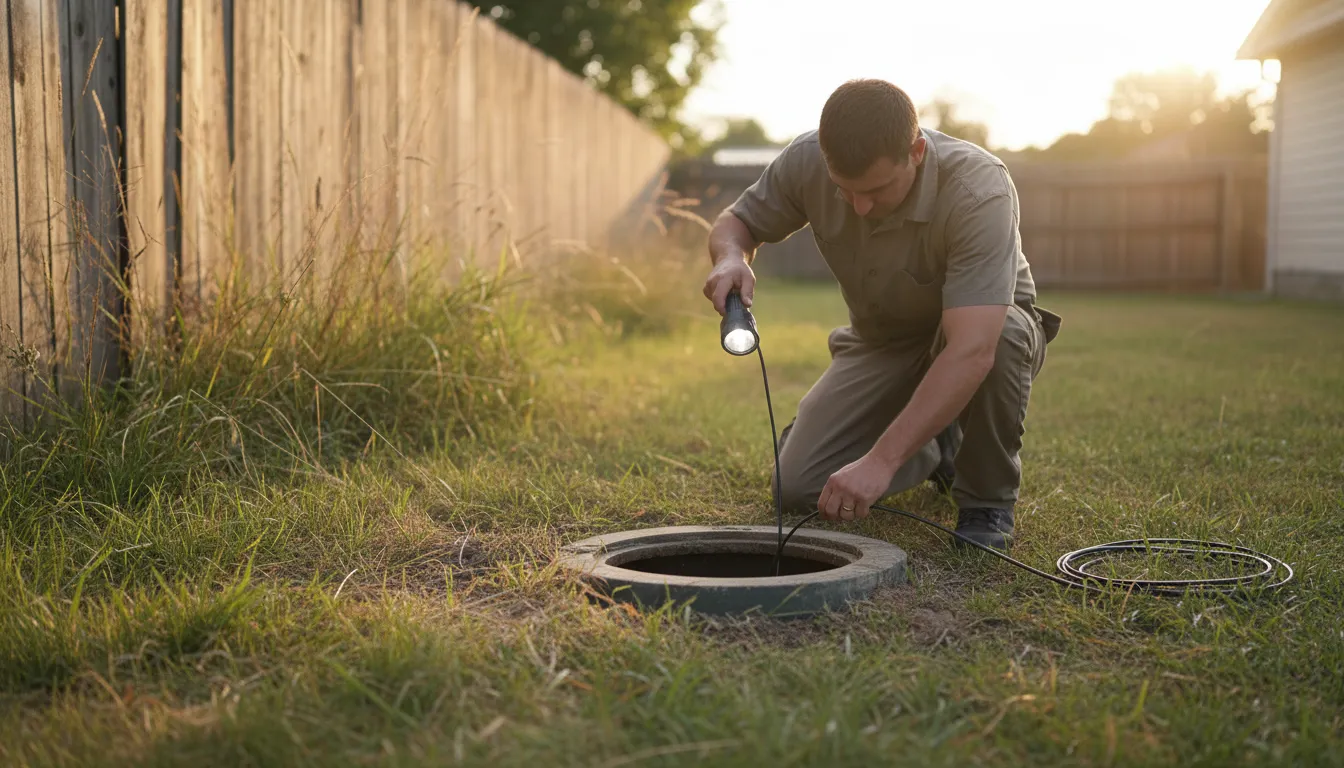
Find the Best Septic Tank Inspection Companies for Your Business
No obligation • Fast responses • Nationwide coverage

Why you can trust Septic Spot
Septic Spot is a leading United States resource for understanding and comparing septic services. Our editors review providers using consistent criteria and verify key business details. Listings and scores are independent, and companies cannot pay to influence our content.
Search providers near you
Top Septic Tank Inspection Companies in Surprise, Arizona Ranked
A septic system inspection is a critical evaluation of your property's on-site wastewater treatment system, ensuring it is functioning safely and legally. In Surprise, these assessments are not just a good idea-they are often a legal requirement, especially when buying or selling a home. Understanding the process, costs, and common issues can help you protect your investment and avoid costly environmental problems. This guide provides a detailed look at what a septic inspection entails locally, helping you connect with qualified professionals for your evaluation needs.
ProInspect
2336 W Roy Rogers Rd, Phoenix, AZ 85085
ProInspect is a septic tank inspection company based in Phoenix, AZ. They provide detailed septic system inspections to help clients identify potential issues before purchasing property. Their certified inspectors focus on uncovering problems that may be overlooked by others, ensuring a thorough evaluation of septic tanks.
Macho Contracting
6424 E Greenway Pkwy #100, Scottsdale, AZ 85254
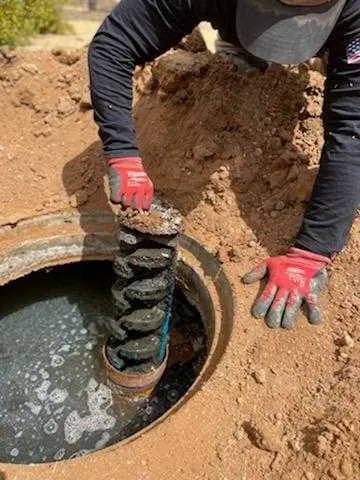
Macho Contracting is a family-owned plumbing and septic company serving Phoenix, AZ, and the surrounding Valley since 2016. They specialize in septic tank pumping, inspections, system repairs, and pump replacement services, with over 25 years of combined experience in onsite wastewater management. Their expertise includes handling underground systems, sewer line repairs, and complex septic system designs tailored to Arizona soil conditions. The company is fully licensed, NAWT-certified, and OSHA-trained, emphasizing safety and compliance in all projects.
Reddi Services
12268 92nd Dr, Peoria, AZ 85381
Reddi Services is a family-owned plumbing and HVAC company serving Phoenix, AZ, and the Kansas City metro areas. Since 1957, they have provided full-service plumbing, drain cleaning, cooling, and heating solutions for residential and commercial customers. Their services include septic tank pumping and inspection, along with comprehensive plumbing inspections to diagnose issues. Reddi Services maintains licensed and insured technicians and offers 24/7 emergency service without after-hours charges, ensuring help is available whenever needed.
Macho Contracting
1974 E Deer Valley Dr, Phoenix, AZ 85024
Macho Contracting is a family-owned plumbing and septic company based in Phoenix, AZ, serving the Valley and surrounding areas. They specialize in septic tank pumping, inspections, system repairs, and pump replacements, with over 25 years of experience in onsite wastewater management. Their services include handling underground systems, sewer line repairs, and complex septic system designs tailored to Arizona soil conditions. Since 2016, Macho Contracting has provided licensed and certified plumbing and septic solutions, including pump and lift station services, with a focus on innovative and quality workmanship.
Sewer Time Septic & Drain
33645 N Cave Creek Rd, Cave Creek, AZ 85331
Sewer Time Septic & Drain is a licensed septic and plumbing contractor serving the Phoenix, AZ area. They provide a range of services including septic tank pumping, inspections, system repairs, and full installations for residential and commercial properties. Their certified technicians handle soil and percolation testing, system design, permitting, grease trap cleaning, and lift station maintenance. Sewer Time offers same-day service and 24/7 plumbing support for emergencies and new construction projects.
Why Septic Inspections Are Crucial in Surprise
For homes not connected to municipal sewer lines, the septic system is an essential, yet hidden, component of the property. A failing system can lead to sewage backups, property damage, and serious environmental contamination. In Arizona, state law mandates a septic system inspection within six months prior to the sale or transfer of any property using an on-site system. This means for most Surprise homeowners, a professional evaluation becomes a non-negotiable step during a real estate transaction. The inspection report, filed with the Arizona Department of Environmental Quality (ADEQ), provides a certified snapshot of the system's health and is valid for six months.
Beyond legal compliance, regular septic tank assessments are a cornerstone of responsible homeownership. They identify minor issues before they become major, expensive failures. Think of it as a routine health check-up for a vital part of your home's infrastructure.
The Legal Framework: ADEQ Certification and Requirements
All inspections for property transfer in Arizona must be conducted by an inspector licensed by the ADEQ. This certification ensures the professional understands state regulations and inspection protocols. The inspector is required to complete the official ADEQ Report of Inspection form, which is submitted to both the buyer and the state.
A key part of the legal inspection process is that the septic tank must typically be pumped. Pumping allows the inspector to see the tank's interior walls, measure sludge and scum levels, and check critical components like baffles that would otherwise be obscured. This combination of inspection and pumping provides a thorough evaluation as required by law.
What to Expect During a Professional Inspection
A comprehensive septic system evaluation in Surprise follows a detailed, multi-step process conducted by a certified professional.
1. Preparation and Locating the System The inspector will start by reviewing any available property records and physically locating the tank lids and drain field. Special tools like tank finders may be used. They will also perform an initial walk-around of the drain field area, looking for visible red flags such as soggy soil, unusually lush vegetation, or sewage odors 1.
2. Tank Access and Visual Inspection The inspector will excavate and open the tank's access lids. This allows for a close examination of the tank's structural integrity. They check for cracks, corrosion, and the condition of the inlet and outlet baffles (or tees), which are crucial for preventing solids from entering the drain field.
3. Hydraulic Function Test To see how the system handles water flow, the inspector will run multiple faucets and flush toilets inside the home. This "load test" helps determine if the system is accepting and draining effluent properly or if there are signs of backup or slow drainage 2 3.
4. Tank Pumping and Interior Assessment As noted, pumping is usually part of the inspection. As the tank is emptied, the inspector can fully assess the interior. They measure the sludge and scum layers to determine if routine maintenance has been performed and inspect the tank bottom and walls for cracks or deterioration once they are clean.
5. Drain Field Evaluation The inspector assesses the leach field for signs of failure. This includes checking for surfacing effluent, standing water, or overly saturated soil. A failing drain field is one of the most serious and expensive issues to repair.
6. Reporting Finally, the inspector compiles their findings on the ADEQ form, noting the system's condition as "acceptable," "acceptable with recommendations," or "unacceptable." This report provides the documentation needed for your real estate transaction and offers a clear maintenance roadmap 4.
Find the perfect septic tank inspection companies for your needs
Get personalized recommendations and expert advice
Understanding Inspection Costs in Surprise
The price of a septic inspection can vary based on the scope of service and the specific provider. Here's a general breakdown of what you might expect to pay in the Surprise area:
- Basic Visual Inspection: For a standard visual check and report (often not including pumping), costs typically range from $200 to $300 5.
- Full Inspection with Pumping: Since a transfer inspection legally requires pumping, the total combined cost is more common for homeowners. This full service can range from $500 to $800 or more, depending on the tank size, its depth, the amount of waste, and the service company 6 7 8 9.
- Pumping-Only Service: If you are getting a routine maintenance pump-out separate from an inspection, this cost is variable and often calculated based on tank capacity.
It's important to clarify with your provider exactly what is included in their quoted price. In a real estate transaction, the cost of the inspection and pumping is often negotiated between the buyer and seller, with the seller frequently covering the expense.
Common Reasons a Septic System Fails Inspection
Knowing what inspectors look for can help you maintain your system proactively. Common reasons a system in Surprise might receive an "unacceptable" rating include:
- Failed or Damaged Baffles: The inlet or outlet baffles inside the tank are broken or missing. This allows solids to escape into the drain field, which can clog the soil and cause system failure 10.
- Structural Tank Damage: Cracks in the concrete tank walls or lids can allow groundwater to seep in (overloading the system) or raw sewage to leak out, contaminating the surrounding soil.
- Drain Field Failure: Signs like sogginess, pooling effluent, or sewage odors in the yard indicate the drain field is saturated and no longer absorbing liquid. This is often the result of long-term neglect or hydraulic overloading 11.
- Excessive Sludge and Scum: High solid levels mean the tank hasn't been pumped on a recommended 3-5 year schedule. If sludge occupies too much space, it leaves insufficient room for wastewater treatment and can also flow into the drain field 12 13 14.
Maintaining Your System Post-Inspection
After a successful inspection, maintaining your system is key to its longevity. Adhere to a regular pumping schedule every 3-5 years, conserve water to avoid overloading the system, and avoid flushing harmful chemicals or non-biodegradable items. If your inspection report came with recommendations (e.g., "acceptable with recommendations"), address those items promptly. This might involve repairing a minor crack, replacing a riser lid, or adjusting your water usage habits.
Frequently asked questions
Sources
Footnotes
-
Arizona Septic Tank Inspection Guide - https://www.clickapro.com/septic-tank-inspection-guide/ ↩
-
What You Should Know When You're Having Your Septic System ... - https://extension.arizona.edu/sites/default/files/2024-08/az1554-2018.pdf ↩
-
Septic System Inspections - Curtis Plumbing - https://curtisplumbing.net/tucson-septic-service/septic-system-inspections-what-you-need-to-know/ ↩
-
Navigating a Septic Certification in Arizona - https://www.machocontracting.com/navigating-septic-certification-in-arizona ↩
-
Exploring the Costs of Septic Tank Inspections: What to Expect - https://www.theflushfellas.com/exploring-the-costs-of-septic-tank-inspections-what-to-expect ↩
-
ADEQ Septic Inspections:15 FAQ'S - https://prioritypumpingaz.com/adeq-septic-inspections15-faqs/ ↩
-
Comprehensive septic tank inspection program - https://legacy.azdeq.gov/environ/water/permits/download/septictank.pdf ↩
-
How Much Does a Septic Inspection Cost in Arizona? - https://www.advantageairmechanical.com/blog/septic-inspection-cost-arizona ↩
-
Septic Tank Inspection: A Guide - https://www.petesoutflow.com/septic-tank-inspection-a-guidee01bcb81 ↩
-
Arizona Septic Tank Requirements - https://www.ntotank.com/blog/arizona-septic-tank-requirements ↩
-
Professional Septic Inspection in Southern Arizona: What to Expect - https://www.grossseptic.com/blog/professional-septic-inspection-in-southern-arizona/ ↩
-
Inspecting Your Household Septic System - https://extension.arizona.edu/publication/inspecting-your-household-septic-system ↩
-
What Does a Septic Inspection Entail? - HomeLight - https://www.homelight.com/blog/septic-inspection/ ↩
-
What Arizona Homebuyers Should Know About Septic ... - https://tucsonsepticsystems.com/septic/what-arizona-homebuyers-should-know-about-septic-inspections/ ↩