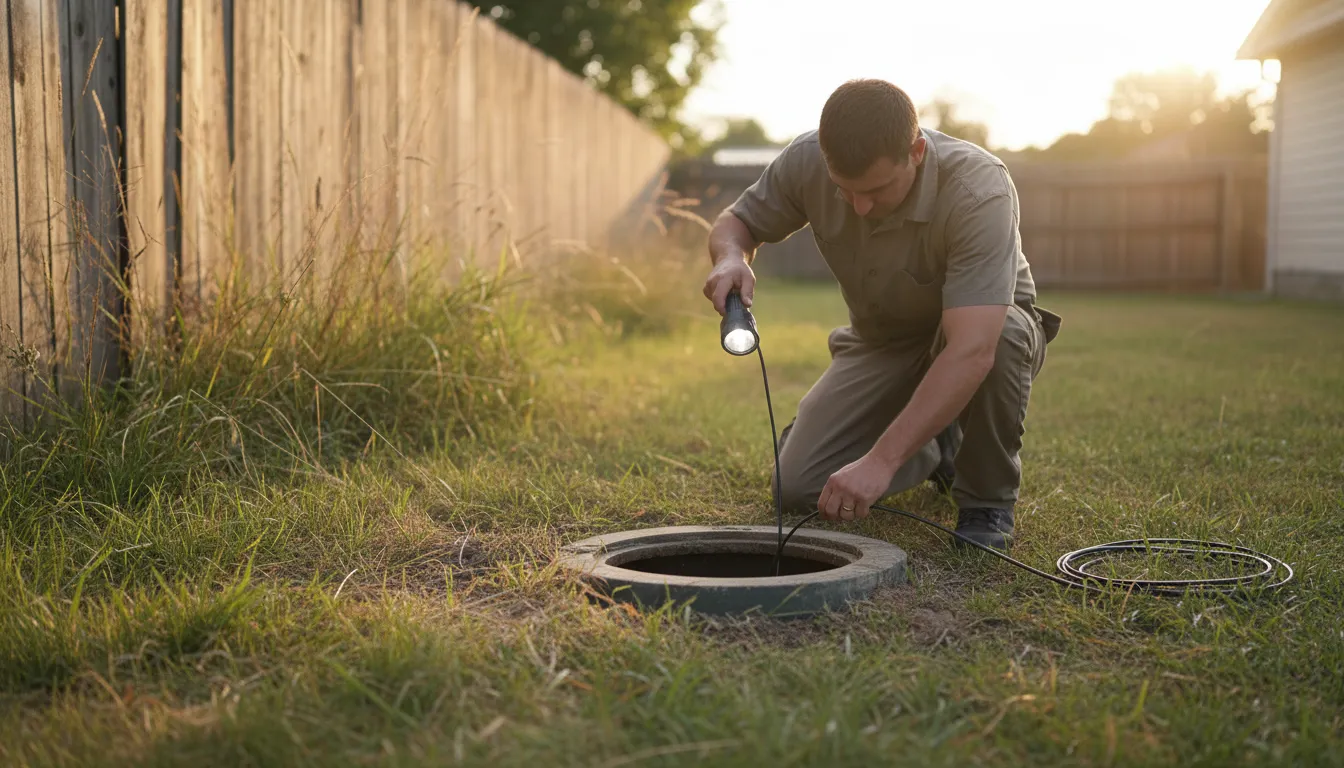
Find the Best Septic Tank Inspection Companies for Your Business
No obligation • Fast responses • Nationwide coverage

Why you can trust Septic Spot
Septic Spot is a leading United States resource for understanding and comparing septic services. Our editors review providers using consistent criteria and verify key business details. Listings and scores are independent, and companies cannot pay to influence our content.
Search providers near you
Best Septic Tank Inspection Companies in Idaho Ranked
A septic tank inspection is a critical evaluation of your onsite wastewater system's condition and performance. In Idaho, where many homes rely on these private systems, regular inspections are not just a good idea-they're often a legal requirement tied to property sales and system permits. This process helps protect your property value, your family's health, and Idaho's groundwater. You can use this guide to understand the state's specific rules, typical costs, and what to look for in a qualified local inspector.
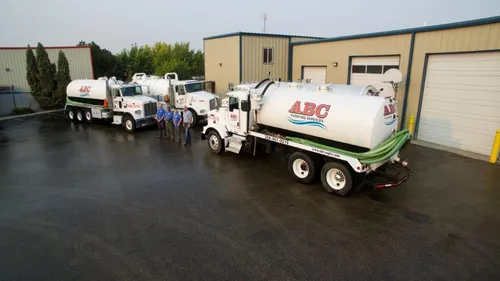
ABC Pumping Service
281 N Baltic Pl, Meridian, ID 83642
ABC Pumping Service is a septic tank and system specialist based in Boise, ID, serving Meridian and surrounding areas. They provide a range of services including septic tank pumping, inspection, repair, installation, drain field repair, and pump maintenance. With over 30 years of experience, ABC Pumping Service is familiar with both old and new septic systems and offers 24/7 emergency services. One notable capability is their expertise in repairing damaged drain fields to prevent septic system failure. They also install and maintain advanced wastewater treatment systems such as ETPS units, serving both residential and commercial clients.
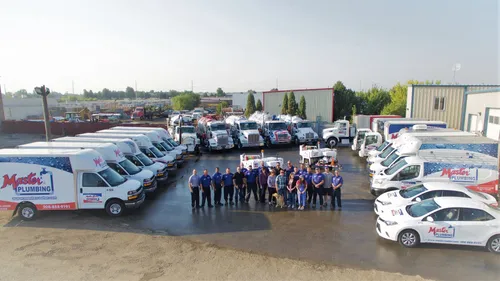
Master Plumbing
9446 W Fairview Ave Suite B, Boise, ID 83704
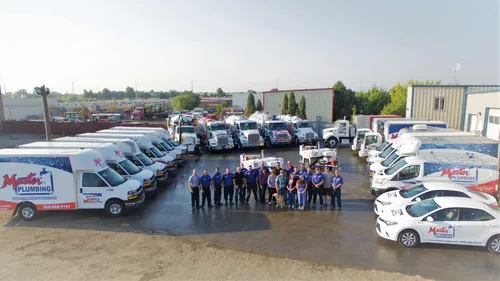
Master Plumbing is a septic tank pumping, inspection, and installation company based in Boise, ID. They serve homeowners throughout Southwest Idaho, offering a range of plumbing services including septic system installation, maintenance, and advanced wastewater treatment solutions such as the Extended Treatment Package System (ETPS) using BioMicrobics FAST Technology. With over 140 years of combined experience, Master Plumbing employs certified journeyman plumbers who are knowledgeable in meeting Idaho Department of Environmental Quality requirements. The company also provides 24/7 emergency plumbing services to address urgent needs at any time.
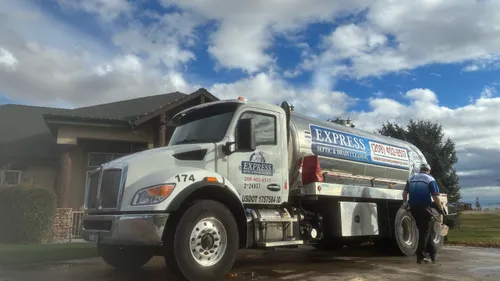
Express Septic & Drain Cleaning
3206 Airport Rd, Nampa, ID 83687
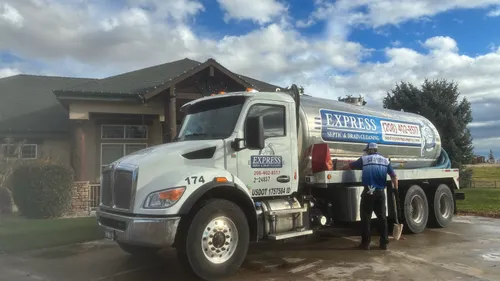
Express Septic & Drain Cleaning is a locally owned company serving Meridian, ID, and the greater Treasure Valley area. Since 2006, they have provided septic tank pumping, inspection, testing, and riser installation services. Their team also offers comprehensive drain cleaning solutions to address various plumbing needs. The company emphasizes professional, clean, and efficient service, with trained and background-checked technicians who provide updates throughout the service process.
Express Septic & Drain Cleaning
6003 W Overland Rd l107, Boise, ID 83709
Express Septic & Drain Cleaning is a septic tank pumping and inspection company serving Boise, ID, and the greater Treasure Valley area including Nampa and surrounding communities. Established in 2006, the locally owned business offers septic tank location, pumping, inspection, testing, and riser installation services. They also provide comprehensive drain cleaning solutions to address various plumbing needs. The company emphasizes professional, clean, and efficient service while keeping customers informed with automatic updates and technician details.
Master Plumbing
393 W State St c, Eagle, ID 83616
Master Plumbing is a septic tank pumping, inspection, and installation contractor serving Boise, ID. They offer a full range of plumbing services including septic system installation, maintenance, and advanced wastewater treatment solutions such as BioMicrobics FAST Technology and Extended Treatment Package Systems (ETPS) for challenging soil conditions. With over 140 years of combined experience, their certified journeyman plumbers provide knowledgeable and customized solutions. Master Plumbing also offers 24/7 emergency plumbing services to address urgent needs at any time.
Why Septic Inspections Are Essential in Idaho
Idaho's landscape, from its river valleys to mountainous regions, means soil conditions and water tables vary greatly. A failing septic system can contaminate wells, streams, and groundwater, posing serious public health risks and environmental damage. The state manages this through a combination of Idaho Department of Environmental Quality (DEQ) rules and enforcement by seven regional Public Health Districts 1. Regular system evaluations are your first defense against costly failures. They identify minor issues like a clogged filter or a deteriorating baffle before they escalate into a full system replacement, which can cost tens of thousands of dollars. For homeowners, an inspection provides peace of mind; for buyers and sellers, it's a non-negotiable step in the real estate transaction process.
Idaho's Regulatory Framework: DEQ and Health Districts
Septic system oversight in Idaho is a shared responsibility. The DEQ establishes the statewide minimum rules, codified in IDAPA 58.01.03 (Individual/Subsurface Sewage Disposal Rules) 2. These rules cover everything from tank design and construction materials to setback distances and permit requirements.
Day-to-day permitting, plan review, and inspections, however, are handled by your local Public Health District. Idaho is divided into seven districts, such as Southwest District Health, Central District Health, and Eastern Idaho Public Health. You must apply for permits through the district where your property is located. This local focus allows regulations to be tailored to specific area concerns, such as high groundwater in certain counties or soil types in others. Always contact your local health district before planning any new installation, repair, or property transaction involving a septic system.
When Is a Septic Inspection Required?
Understanding the mandatory triggers for an inspection can save you from legal and financial headaches.
- Property Sale: This is the most common requirement. Most real estate transactions in Idaho involving a septic system will require a passing inspection report from a qualified professional. Lenders almost always demand it, and it's a standard part of the buyer's due diligence.
- System Permit Applications: When applying for a permit to install a new system, expand an existing system (like adding a bedroom), or repair a major component, your local health district will require an evaluation of the current system and site conditions.
- Routine Maintenance: While not always legally mandated on a specific state-wide schedule for all existing homeowners, Idaho guidelines and experts strongly recommend a professional inspection every three years. Some local health districts may have more stringent recurring inspection requirements.
- Suspected Problems: If you notice warning signs like sewage odors, soggy ground or lush grass over the drain field, slow drains, or sewage backing up into the home, an immediate inspection is necessary to diagnose the issue.
What Does a Professional Septic Inspection Cover?
A thorough septic system assessment in Idaho goes far beyond just "checking the tank." A qualified inspector will follow a comprehensive process that aligns with state and local guidelines.
- Record Review & Site Evaluation: The inspector starts by reviewing any available system records (the "as-built" diagram) and visually assessing the property. They look for signs of surface effluent, proper vegetation over the drain field, and the location of wells and other water sources.
- Tank Access and Pumping: To inspect properly, the tank must be accessed via its manholes. Idaho code requires manhole risers to be extended to grade for easy access. The inspector will often pump the tank during the inspection (for an additional fee) to get a clear view of the interior. This also serves as essential maintenance.
- Internal Tank Inspection: With the tank empty, the inspector checks for:
- Structural Integrity: Cracks, corrosion (especially in older steel tanks, which are no longer approved), and watertightness of the tank walls and seams.
- Baffles and Tees: The condition of the inlet and outlet baffles (or tees) is critical. They must be intact to prevent scum and sludge from exiting the tank and clogging the drain field 3.
- Sludge and Scum Levels: The depth of the sludge layer (solids on the bottom) and scum layer (grease and floatables on top) is measured. If the combined depth is too great, it indicates the need for more frequent pumping.
- Component Check: The inspector examines the tank lid, risers, and distribution box (if present) for damage or settling. They will also check any pumps, alarms, or filters that are part of the system.
- Drain Field Assessment: While the drain field itself is buried, inspectors look for indirect signs of failure. They probe the area to check for saturation and may use a dye test to see if untreated wastewater is surfacing 4.
- Report Generation: Finally, you receive a detailed written report documenting the system's condition, any deficiencies found, and recommended actions. This report is the official document for health districts, lenders, and real estate contracts.
Find the perfect septic tank inspection companies for your needs
Get personalized recommendations and expert advice
Understanding Costs: Inspection and Permit Fees in Idaho
The cost of a septic inspection in Idaho varies based on the inspection's depth and purpose.
- Basic Routine Inspection: A standard inspection, often coupled with pumping, typically ranges from $200 to $600 5.
- Real Estate or Compliance Inspection: A more detailed inspection required for a property sale or permit application, which includes a comprehensive report for the health district, generally costs between $500 and $900 or more 6.
- Permit Fees: If your inspection is part of a permit application, be prepared for additional fees paid directly to the health district. Fees for new, repair, or expansion permits in Idaho are commonly in the range of $900 to $950.
- Site Evaluation: For new systems, a mandatory site evaluation (soil test and perc test) by a licensed evaluator typically costs around $550 7 8.
Remember, these are estimates. Always get written quotes from local providers. The peace of mind and compliance with Idaho law are well worth the investment.
Idaho-Specific System Standards and Requirements
Idaho has clear standards for septic system components, which inspectors will verify.
- Tank Material: New and replacement tanks must be constructed of watertight concrete or an approved non-corrosive material like plastic. Steel tanks are no longer approved for new installations due to corrosion risks 9.
- Tank Capacity: The minimum tank size is typically 1,000 gallons for a standard three-bedroom home, with size increasing based on the number of bedrooms 10 11.
- Access Risers: As mentioned, code requires manhole access risers brought up to the ground surface for easy inspection and pumping without excavation 12.
- Setbacks: Systems must be located specific minimum distances from buildings, property lines, wells, streams, and other water sources. Your local health district has the exact setback requirements for your area.
Maintaining Your System Between Inspections
Professional inspections are crucial, but daily care extends your system's life. Follow the Idaho DEQ and EPA recommendations: pump your tank every 3 to 5 years (a 1,000-gallon tank with a family of four may need pumping every 2.5-3 years) 13 14. Conserve water, avoid pouring grease or chemicals down the drain, and never flush anything besides human waste and toilet paper. Keep vehicles and heavy objects off your drain field, and direct rainwater runoff away from it.
Finding a Qualified Inspector in Idaho
Look for a licensed septic professional experienced with Idaho DEQ and local health district rules. They should be insured, provide references, and be willing to explain their inspection process. Many pumpers are also qualified inspectors. Your local Public Health District website often maintains lists of licensed installers and pumpers, which is an excellent starting point.
Frequently asked questions
Sources
Footnotes
-
Septic and Septage - Idaho Department of Environmental ... - https://www.deq.idaho.gov/water-quality/wastewater/septic-and-septage/ ↩
-
Septic and Septage - https://www.deq.idaho.gov/water-quality/wastewater/septic-and-septage/ ↩
-
What to Expect from a Septic Inspection - https://www.wrenvironmental.com/blog/2023/may/what-to-expect-from-a-septic-inspection/ ↩
-
Guidance for the Inspection of On-site Sewage Disposal Systems - https://www.mass.gov/guides/guidance-for-the-inspection-of-on-site-sewage-disposal-systems ↩
-
Septic System Inspection Guide for Homeowners - https://uneeksepticservices.com/septic-system-inspection-guide-for-homeowners/ ↩
-
How Much Does a Septic Inspection Cost? [2026 Data] - Angie's List - https://www.angi.com/articles/septic-inspection-cost.htm ↩
-
Septic & Land Development - Southwest District Health - https://swdh.id.gov/licensing-permitting/septic-land-development/ ↩
-
Septic Permit Application Checklist - Eastern Idaho Public Health - https://eiph.id.gov/wp-content/uploads/2025/09/Septic-Permit-Application-Packet-1125.pdf ↩
-
So, You've Decided to Install Your Own Septic System... (Are ... - https://eiph.id.gov/wp-content/uploads/2025/09/Homeowner-Installation-Guide-9-2025.pdf ↩
-
Idaho Admin. Code r. 58.01.03.007 - SEPTIC TANKS DESIGN ... - https://www.law.cornell.edu/regulations/idaho/IDAPA-58.01.03.007 ↩
-
Idaho Septic Tank Requirements | Subsurface Sewage Disposal System - https://www.ntotank.com/blog/idaho-septic-tank-requirements ↩
-
A Homeowner's Guide to Septic Systems - Central District Health - https://cdh.idaho.gov/wp-content/uploads/2023/10/Homeowners-Guide-to-Septic-Systems.pdf ↩
-
How Often Should You Pump Your Septic Tank: 3 Factors Solved - https://www.frasiers.com/blog/sewage-tank-pump-frequency/ ↩
-
How to Care for Your Septic System | US EPA - https://www.epa.gov/septic/how-care-your-septic-system ↩