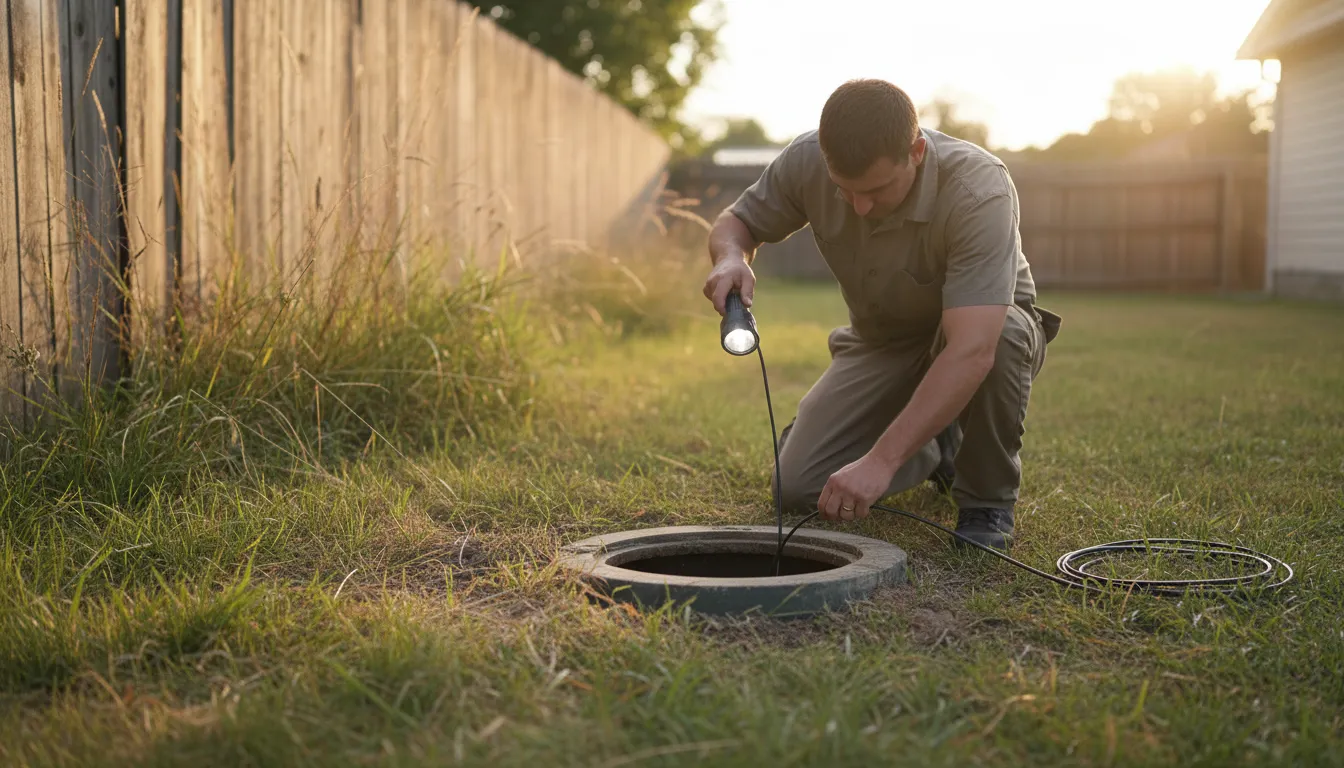
Find the Best Septic Tank Inspection Companies for Your Business
No obligation • Fast responses • Nationwide coverage

Why you can trust Septic Spot
Septic Spot is a leading United States resource for understanding and comparing septic services. Our editors review providers using consistent criteria and verify key business details. Listings and scores are independent, and companies cannot pay to influence our content.
Search providers near you
Top Septic Tank Inspection Companies in Anderson, Indiana Ranked
A septic tank inspection is a critical evaluation of your home's private wastewater system, ensuring it is functioning safely and in compliance with local health codes. This process matters because a failing system can pose serious health risks, cause environmental contamination, and lead to costly property damage. For Anderson homeowners, understanding the inspection process and local requirements is key to maintaining your property's value and safety. This guide will help you understand what to expect from a professional septic system evaluation and how to find qualified local experts to perform this essential service.
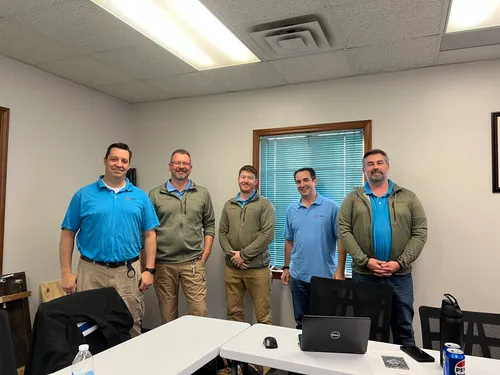
AllCheck Inspections
4519 N Franklin Rd Suite A, Indianapolis, IN 46226
AllCheck Inspections is a home inspection company based in Indianapolis, IN, offering a range of inspection services including septic system testing, termite inspection, radon testing, water testing, mold testing, and indoor air quality testing. They serve Indianapolis and surrounding Central Indiana communities such as Carmel, Fishers, and Noblesville. The company provides detailed and unbiased reports to help buyers and sellers understand the condition of a property before making decisions. AllCheck Inspections emphasizes clear communication and thorough inspections to support informed home buying and selling.
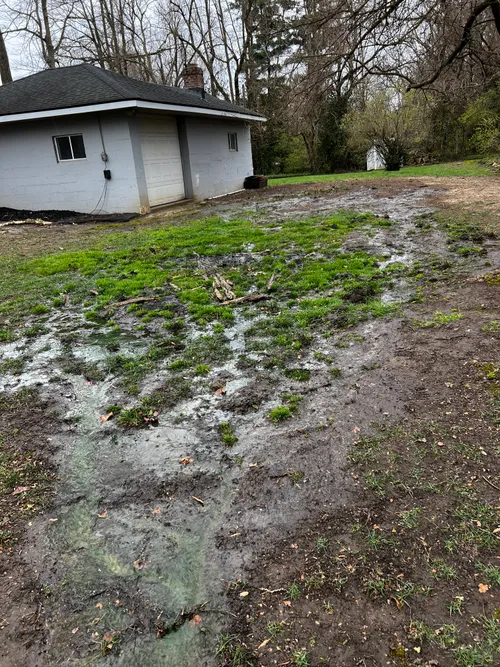
Patriot Home and Septic Inspections LLC
Indianapolis, IN
Patriot Home and Septic Inspections LLC is a veteran-owned business based in Indianapolis, IN, specializing in septic system inspections primarily for real estate transactions. They serve home buyers, sellers, listing agents, home inspection companies, and septic companies by providing comprehensive septic inspections and detailed reports. The company is certified by the Indiana Onsite Wastewater Professionals Association (IOWPA) and focuses on identifying issues such as root intrusion, corrosion, and system leaks that standard home inspections may miss. Their expertise helps clients understand the condition of septic systems, which can last 25 to 40 years depending on maintenance and environmental factors.
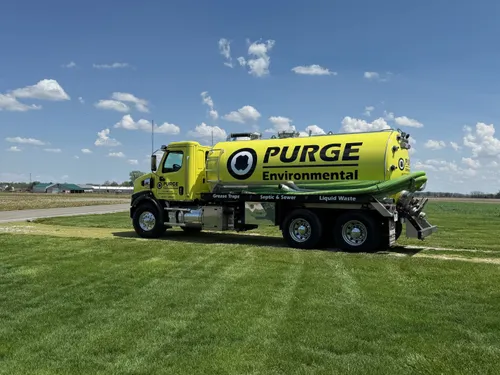
Purge Environmental
10625 Deme Dr D, Indianapolis, IN 46236
Purge Environmental is a locally owned and operated company based in Indianapolis, IN, specializing in septic tank pumping, inspection, and repair services. They offer residential and commercial solutions including septic tank cleaning, grease trap pumping, lift station maintenance, and industrial wastewater hauling. Their services cover Central and Eastern Indiana, focusing on environmentally responsible waste management. Purge Environmental provides 24/7 emergency pumping services to address urgent septic issues promptly. Their trained technicians follow a thorough twenty-point inspection process and dispose of waste at IDEM-approved facilities, ensuring compliance and eco-friendly practices.

Security Home Inspections
13277 Illinois St #120, Carmel, IN 46032
Security Home Inspections is a home inspection company serving Indianapolis, IN, and surrounding areas. They offer a range of residential and commercial inspection services, including septic tank inspections, radon testing, and wood-destroying pest inspections. Established in 1984, the company provides thorough assessments to help clients make informed decisions about their properties. Their inspections include detailed reports with digital photos to support homebuyers, sellers, and homeowners in maintaining property value and safety.
Max Haas Septic Service
7514 E 39th St, Indianapolis, IN 46226
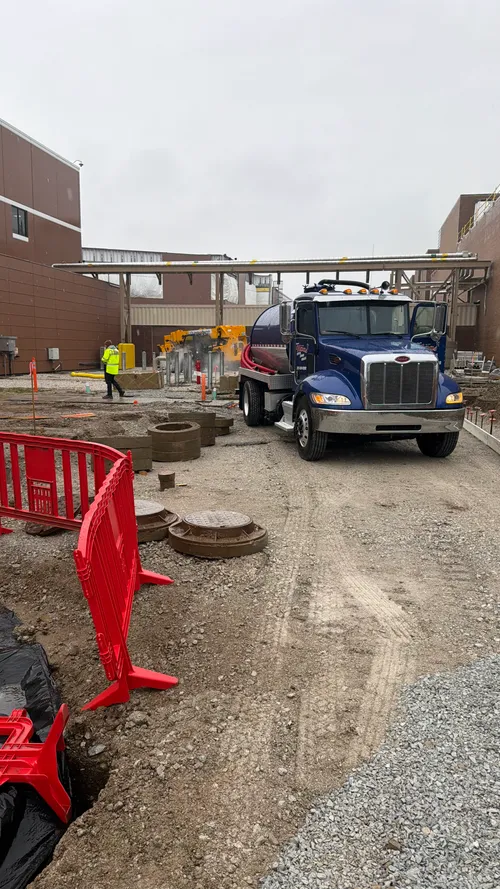
Max Haas Septic Service has been providing septic system services in Indianapolis, IN, and Central Indiana since 1923. They offer a full range of residential and commercial septic solutions including tank pumping, inspections, system installations, drain field replacements, sewer repairs, and drainage system design. With over 100 years of experience, the company handles everything from routine maintenance to complex system installations, ensuring compliance with local codes and long-term system performance. Their organized team uses modern equipment to deliver efficient service across multiple counties in the region.
Why Septic Inspections Are Required in Anderson
In Anderson and throughout Madison County, septic system inspections are not just a recommendation-they are often mandated by law. The primary regulatory framework is the Indiana State Department of Health (ISDH) Rule 410 IAC 6-8.3, which governs all Residential Onsite Sewage Systems 1. The Madison County Health Department typically enforces these rules. Inspections are most commonly required during real estate transactions, as lenders and buyers need assurance the system is operational. They are also necessary when applying for a permit to expand your home or increase the number of bedrooms, as this changes the wastewater load on the system 2 3. Beyond these mandatory triggers, the U.S. Environmental Protection Agency and local experts recommend a routine system evaluation every three years as a core part of responsible home maintenance 4.
What Indiana Law Says About System Evaluations
Indiana's regulations are designed to protect groundwater and public health by ensuring systems are watertight and effectively treat wastewater. The rules specify that a certified professional must conduct the inspection 5. A key requirement is that the inspection must allow full access to the tank to check inlet and outlet baffles, look for leaks, and measure sludge and scum levels 6. Before any new system installation or major modification, a site evaluation by a registered soil scientist is required to ensure the property's soil can properly absorb and treat the effluent. This thorough, state-regulated approach means that a septic inspection in Anderson is a formal process with a standardized set of checks that go far beyond a simple visual glance.
The Step-by-Step Septic Inspection Process
A comprehensive septic system assessment involves several key stages. Understanding what the inspector is looking for can help you prepare your property.
1. Locating the System: The first step is often finding the septic tank and drainfield (or leach field). Inspectors use probes, historical records, or clues in your yard to locate buried tank lids and the distribution lines.
2. Gaining Access: This involves uncovering and opening the tank's access lids. If the lids are buried deep, this may require excavation, which can add to the inspection time and cost. Some inspection services include this digging as part of their fee, while others may charge extra.
3. Tank Interior Evaluation: This is the core of the inspection. The professional will:
- Measure Sludge & Scum: Using a long "sludge judge," they measure the layer of solids at the bottom (sludge) and the floating layer of fats and oils (scum). A key pass/fail criterion is that the sludge should not exceed one-third of the tank's liquid depth.
- Check Structural Integrity: They look for cracks, corrosion, or leaks in the tank walls.
- Inspect Baffles & Outlets: The inlet and outlet baffles are checked to ensure they are intact and functional, preventing solids from escaping into the drainfield.
4. Component and Drainfield Check: The inspector will also examine:
- The Distribution Box (D-Box): If accessible, they check that it is level and that effluent is flowing evenly to all drainfield lines 7.
- The Soil Absorption Field: They look for visual signs of failure, such as soggy ground, unusually lush grass, or sewage odors above the field area 8 9.
- System Flow: They may run water through household fixtures or use dye tests to confirm wastewater is moving from the house to the tank and out to the field without backing up 10.
Find the perfect septic tank inspection companies for your needs
Get personalized recommendations and expert advice
Understanding Inspection Costs in Anderson
The price of a septic inspection in Anderson depends on the scope of work and the condition of your system. For a standard inspection-only service, where the professional evaluates the system but does not pump it out, homeowners can expect costs ranging from $150 to $40011. The final price depends on factors like tank accessibility and property size.
Many homeowners opt for a combined inspection and pumping service. This is often recommended if the sludge level is high or if it's been 3-5 years since the last pump-out. This bundled service typically costs between $350 and $750+12 13. Costs can increase if the tank lids are buried exceptionally deep, requiring significant excavation, or if the system's components are difficult to locate. It's always wise to get a detailed estimate that outlines what services are included before work begins.
What a Passing Inspection Report Looks Like
A successful septic system evaluation in Anderson will conclude with a written report detailing the findings. A report that indicates a passing system will typically note 14 15 16:
- A structurally sound, watertight tank.
- Intact and functional inlet/outlet baffles.
- A sludge level measured below 33% of the tank's capacity.
- A dry, properly functioning absorption field with no signs of surfacing effluent or odors.
- A properly operating distribution box (if present and accessible).
This report is a valuable document for your records and is often required for real estate closings or permit applications. If the inspection reveals issues-such as a tank at or over capacity-the inspector will recommend immediate pumping, which can often be done on the spot. More serious problems, like a damaged tank or a failing drainfield, will be detailed in the report with recommendations for repair or replacement, which would require permits from the local health department 17 18.
Maintaining Your System Between Inspections
Professional evaluations are crucial, but day-to-day care extends the life of your septic system. Avoid flushing anything besides human waste and toilet paper. Never pour cooking grease, chemicals, or medications down the drain, as they can kill the beneficial bacteria in the tank and contaminate groundwater 19. Conserve water to avoid overloading the system, and ensure downspouts and surface water are directed away from the drainfield area. Keeping a detailed record of all inspections, pumpings, and repairs is also a best practice for any Anderson homeowner with a private sewage system.
Frequently asked questions
Sources
Footnotes
-
Onsite Sewage Systems Program - IN.gov - https://www.in.gov/health/eph/onsite-sewage-systems-program/ ↩
-
Indiana Septic Tank Requirements | On-Site Sewage Systems - https://www.ntotank.com/blog/indiana-septic-tank-requirements ↩
-
RESIDENTIAL ONSITE SEPTIC PERMIT PROCESS - https://rushcounty.in.gov/wp-content/uploads/2021/07/RESIDENTIAL-ONSITE-SEPTIC-PERMIT-PROCESS-1.pdf ↩
-
Cleaning an Onsite Sewage System - https://www.extension.purdue.edu/extmedia/HENV/HENV-105-W.pdf ↩
-
CHAPTER 51. - SEWAGE AND SEPTIC SYSTEMS REGULATIONS | ... - https://library.municode.com/in/st._joseph_county/codes/code_of_ordinances?nodeId=TITVPUWO_CH51SESESYRE ↩
-
indiana state department of health rule 410 iac 6-8.1 ... - https://www.agry.purdue.edu/staffbio/blee/410_IAC_6_8_1.pdf ↩
-
What Is a Septic Tank Inspection - https://martinseptic.com/what-does-a-septic-tank-inspection-involve/ ↩
-
Best Septic Inspection in Northwest Indiana - https://johnsonsepticservice.com/septic-inspection/ ↩
-
DIY vs Professional Septic Inspections: Do You Need Pro Help? - https://www.sterlingsepticandplumbing.com/blog/diy-vs-pro-septic-inspections/ ↩
-
Indiana Septic System Installation and Permit Procedure Guide - https://www.septicdesign.com/homeowners/the-septic-system-installation-processs-for-indiana/ ↩
-
How Much Does a Septic Inspection Cost? [2026 Data] | Angi - https://www.angi.com/articles/septic-inspection-cost.htm ↩
-
Frequent Questions on Septic Systems | US EPA - https://www.epa.gov/septic/frequent-questions-septic-systems ↩
-
2026 Septic Inspection Costs | Tank, System, & Title 5 - https://homeguide.com/costs/septic-tank-inspection-cost ↩
-
How to Get Septic to Pass Inspection - https://www.guardianangelinspections.com/how-to-get-septic-to-pass-inspection ↩
-
What Does a Septic Inspection Entail? - https://www.homelight.com/blog/septic-inspection/ ↩
-
Understanding Septic Tank Inspections: What to Expect and Why They're Necessary - https://alvaradosepticpumping.com/2024/02/understanding-septic-tank-inspections-what-to-expect-and-why-theyre-necessary/ ↩
-
Well System Inspection by KT Septic Evaluation, LLC - https://www.ktseptic.com/well-inspections.html ↩
-
Indiana Septic License & Certification | 2024 Contractor Guide - https://www.servicetitan.com/licensing/septic/indiana ↩
-
Homeowner's Guide to Septic Systems - http://indiana.clearchoicescleanwater.org/resources/epa-homeowners-guide-to-septic-systems/ ↩