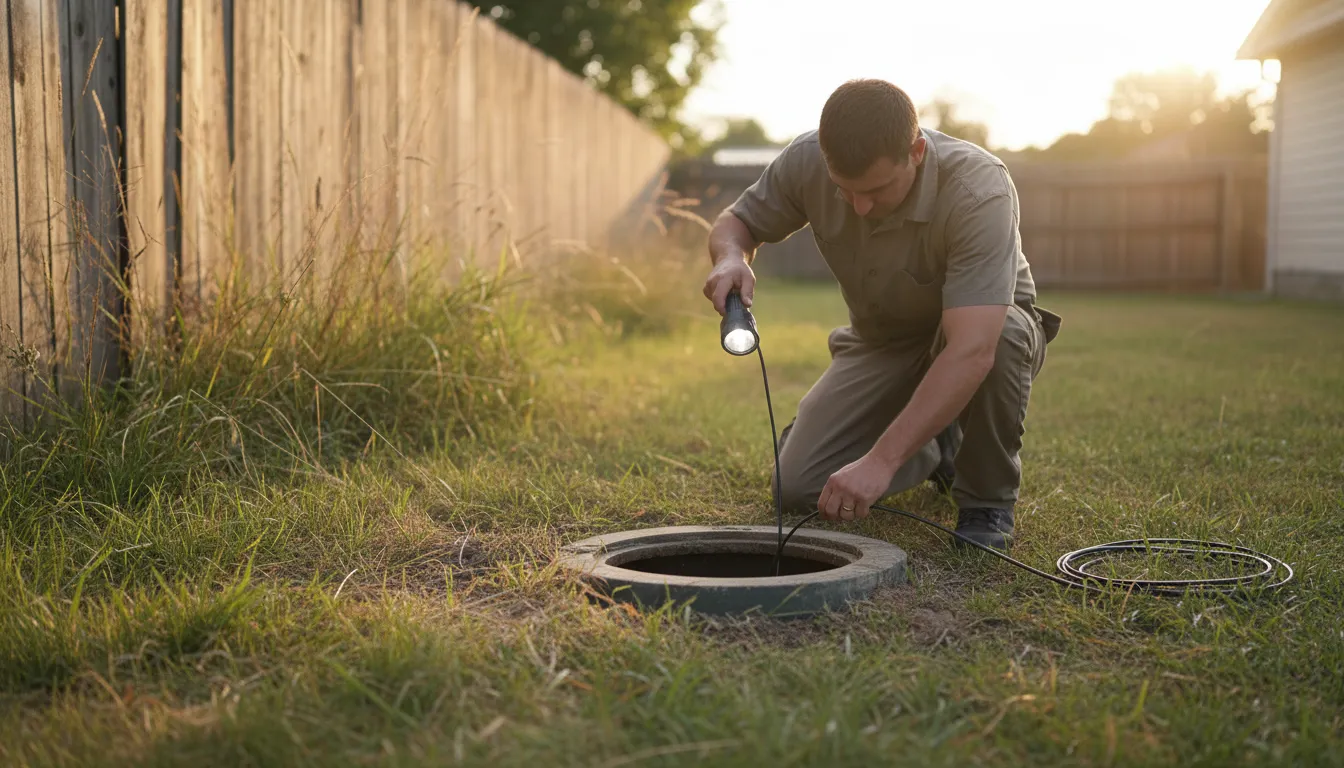
Find the Best Septic Tank Inspection Companies for Your Business
No obligation • Fast responses • Nationwide coverage

Why you can trust Septic Spot
Septic Spot is a leading United States resource for understanding and comparing septic services. Our editors review providers using consistent criteria and verify key business details. Listings and scores are independent, and companies cannot pay to influence our content.
Search providers near you
Top Septic Tank Inspection Companies in Carmel, Indiana Ranked
A septic system inspection is a critical evaluation of your home's on-site wastewater treatment system to ensure it is functioning safely and in compliance with local health codes. In Carmel, where many homes rely on these private systems, regular inspections protect your property value, prevent environmental contamination, and avoid costly emergency repairs. This guide helps you understand the local requirements, the inspection process, and how to find qualified professionals to assess your septic tank and drain field.
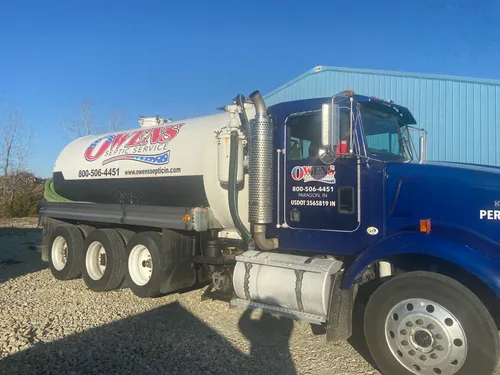
Owens Septic Service
8541 N 850 W, Fairland, IN 46126
Owens Septic Service offers septic tank pumping, inspection, and pump repair or replacement in Indianapolis, IN. With over 30 years of experience, they provide comprehensive septic system maintenance, including lift station upkeep, septic riser installation, and grease trap pumping for commercial kitchens. Their services focus on maintaining efficient wastewater flow and preventing system failures through regular inspections and pump-outs.
AllCheck Inspections
4519 N Franklin Rd Suite A, Indianapolis, IN 46226
AllCheck Inspections is a home inspection company based in Indianapolis, IN, offering a range of inspection services including septic system testing, termite inspection, radon testing, water testing, mold testing, and indoor air quality testing. They serve Indianapolis and surrounding Central Indiana communities such as Carmel, Fishers, and Noblesville. The company provides detailed and unbiased reports to help buyers and sellers understand the condition of a property before making decisions. AllCheck Inspections emphasizes clear communication and thorough inspections to support informed home buying and selling.
Patriot Home and Septic Inspections LLC
Indianapolis, IN
Patriot Home and Septic Inspections LLC is a veteran-owned business based in Indianapolis, IN, specializing in septic system inspections primarily for real estate transactions. They serve home buyers, sellers, listing agents, home inspection companies, and septic companies by providing comprehensive septic inspections and detailed reports. The company is certified by the Indiana Onsite Wastewater Professionals Association (IOWPA) and focuses on identifying issues such as root intrusion, corrosion, and system leaks that standard home inspections may miss. Their expertise helps clients understand the condition of septic systems, which can last 25 to 40 years depending on maintenance and environmental factors.
Purge Environmental
10625 Deme Dr D, Indianapolis, IN 46236
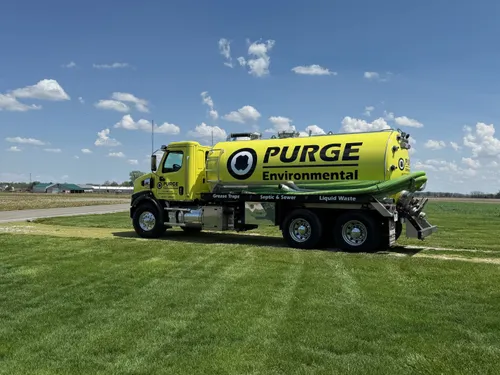
Purge Environmental is a locally owned and operated company based in Indianapolis, IN, specializing in septic tank pumping, inspection, and repair services. They offer residential and commercial solutions including septic tank cleaning, grease trap pumping, lift station maintenance, and industrial wastewater hauling. Their services cover Central and Eastern Indiana, focusing on environmentally responsible waste management. Purge Environmental provides 24/7 emergency pumping services to address urgent septic issues promptly. Their trained technicians follow a thorough twenty-point inspection process and dispose of waste at IDEM-approved facilities, ensuring compliance and eco-friendly practices.
Restorex Septic Solutions
6616 E S R 144, Mooresville, IN 46158
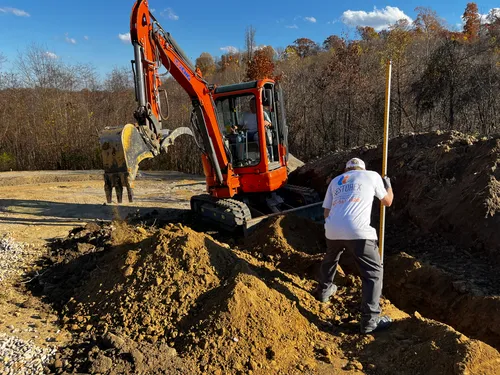
Restorex Septic Solutions provides residential and commercial septic services in Indianapolis, IN. Their offerings include septic tank pumping, inspections, repairs, and installations to maintain proper waste management and comply with environmental regulations. The company addresses issues such as backups, odors, and slow drains to help preserve property sanitation and occupant health. Restorex Septic Solutions is available to assist with septic system problems whenever needed, working with clients and insurance companies to manage repairs efficiently.
Why Regular Septic Inspections Are Essential in Hamilton County
Your septic system is a significant, out-of-sight investment. In Carmel and surrounding Hamilton County, the soil conditions and high water table make proper system maintenance non-negotiable. The primary goal of a septic system evaluation is to catch problems early-issues like a failing drain field or a compromised tank can lead to sewage backups in your home or contamination of groundwater, which is a serious public health concern.
Local regulations enforced by Hamilton County Public Health mandate that all septic systems be inspected at least every three years. For non-mechanical systems, the specific interval is 58 months, while systems with mechanical components like pumps or aerators require a yearly septic check1 2. Adhering to this schedule isn't just about following the law; it's the most cost-effective way to manage your system. A routine inspection costing a few hundred dollars can identify a minor issue before it escalates into a $10,000+ drain field replacement.
Understanding Carmel's Septic Inspection Requirements
Hamilton County has clear rules governing on-site sewage systems. Knowing these requirements helps you stay compliant and understand what your inspector is evaluating.
- Mandatory Inspection Frequency: As noted, systems must be inspected every 58 months (just under 5 years) for conventional systems, and annually for systems with mechanical components. Many experts, including the EPA, recommend a more frequent check every 1-3 years to be proactive.
- The Permit Trigger: A septic tank assessment is legally required when you apply for certain permits. If you plan to add a bedroom, undertake a major renovation, or sell your home, the health department will require a current inspection report to ensure the existing system can handle the increased load3 4.
- Pumping is Part of Maintenance: An inspection often reveals the need for pumping. The county recommends pumping your tank every 3-5 years, but the inspection provides the definitive answer by measuring sludge and scum levels.
What Does a Professional Septic Inspection Involve?
A comprehensive onsite wastewater system inspection is a multi-step process conducted by a licensed professional. It goes far beyond just looking at the tank.
- Locating and Exposing the System: The inspector will locate all components, including the tank lids and the drain field. This may involve probing the ground or referring to existing "as-built" diagrams.
- Checking Structural Integrity: The inspector examines the tank for cracks, leaks, and checks that the inlet and outlet baffles are intact and functioning. Damaged baffles can allow solids to escape into the drain field, causing premature failure5 6.
- Measuring Sludge and Scum: This is a core part of the tank inspection. Using specialized tools, the inspector measures the depth of the sludge layer at the bottom and the scum layer at the top. A system typically needs pumping if the scum layer is within 6 inches of the outlet baffle or if the sludge layer is within 12 inches.
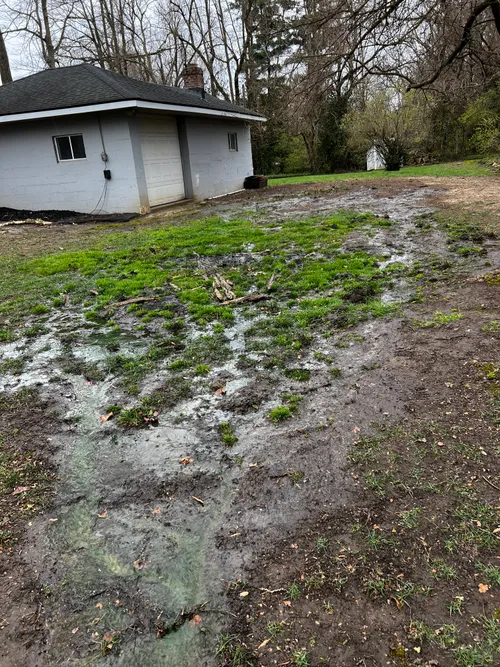
- Evaluating the Drain Field: The inspector surveys the drain field area for tell-tale signs of failure. These include surfacing sewage, soggy ground, or unusually lush and green grass over the field lines. They may also check for improper drainage or issues caused by root intrusion7 8.
- Testing Mechanical Components: For systems with pumps, alarms, or aerators, the inspector will test these components to ensure they are operating correctly.
- Providing Documentation: After the evaluation, you will receive a detailed report of the findings. This report is your proof of compliance for the health department and can be crucial for real estate transactions.
Find the perfect septic tank inspection companies for your needs
Get personalized recommendations and expert advice
Cost of Septic Inspections and Pumping in Carmel
Understanding the potential costs helps you budget for this essential home maintenance. Prices can vary based on the size of your tank, its accessibility, and the scope of the inspection.
- Septic Inspection Cost: A standard septic system inspection in the Carmel area typically ranges from $250 to $600. The price may be higher for larger systems, those with mechanical components, or if the tank lids are buried deep and require extensive digging to access.
- Septic Pumping Cost: If the inspection indicates pumping is needed, that service is an additional charge. Typical septic tank pumping costs in Hamilton County range from $250 to over $500, depending on the tank's capacity (measured in gallons) and the volume of sludge and scum to be removed9 10.
- Combined Service Value: Many homeowners opt to schedule pumping and inspection together. Providers often offer a bundled price for both services, which can be more economical than scheduling them separately.
How to Prepare for a Septic Inspection
A little preparation can make the inspection process smoother and more efficient.
- Know Your System's Location: If you have a diagram or record of where your tank and drain field are located, have it ready for the inspector. Marking the approximate location of the tank lids with flags can save time.
- Ensure Clear Access: Clear away any debris, landscaping, or outdoor furniture from the area above your tank and drain field. The inspector will need to drive a large truck-mounted vacuum hose to the tank lid if pumping is required.
- Conserve Water: Avoid running dishwashers, washing machines, or taking long showers immediately before the inspection. A tank full of liquid makes it more difficult to accurately measure sludge and scum layers.
- Be Ready to Discuss History: Have any records of past inspections, pumping, or repairs available. Knowing the age of your system and its maintenance history is valuable information for the inspector.
Protecting Your Septic System Between Inspections
Professional inspections are vital, but day-to-day care extends the life of your system.
- Mind the Drain Field: Never drive or park vehicles, or place heavy structures like sheds or patios, over your tank or drain field. The compression can crush pipes and compact the soil. Also, avoid planting trees or shrubs with deep root systems near the field, as roots can infiltrate and clog pipes 11.
- Be Water-Wise: Spread out high water usage throughout the week. Fix leaky faucets and toilets promptly. Consider installing water-efficient fixtures to reduce the daily load on your system.
- Watch What You Flush: Your septic system is designed for human waste and toilet paper only. Never flush wipes (even "flushable" ones), feminine hygiene products, dental floss, cooking grease, or chemicals. These can clog baffles, pipes, and the drain field.
- Skip the Additives: Avoid septic tank additives or "magic pills" that claim to eliminate the need for pumping. The Indiana Department of Health and the EPA state that these products are not a substitute for regular pumping and can sometimes harm the system's biological balance or contaminate groundwater12.
Finding a Qualified Septic Inspector in Carmel
For something as important as your home's wastewater system, choosing the right professional is key. In Indiana, septic system installers and inspectors are licensed through the Indiana Onsite Wastewater Professionals Association (IOWPA) or hold relevant certifications13 14.
Always verify that the professional you hire is licensed and insured. Ask for references and about their experience with systems similar to yours. A reputable inspector will be happy to explain the process, answer your questions, and provide a detailed written report of their findings. This due diligence ensures your inspection meets Hamilton County Public Health standards and gives you genuine peace of mind.
Frequently asked questions
Sources
Footnotes
-
On-Site Sewage Disposal Program - Hamilton County, IN - https://www.hamiltoncounty.in.gov/298/Sewage-Disposal-Program ↩
-
Sewage Treatment Systems - Hamilton County Public Health - https://hamiltoncountyhealth.org/services/water-quality/new-sewage-treatment-systems/ ↩
-
CHAPTER 51. - SEWAGE AND SEPTIC SYSTEMS REGULATIONS | ... - https://library.municode.com/in/st._joseph_county/codes/code_of_ordinances?nodeId=TITVPUWO_CH51SESESYRE ↩
-
CHAPTER 51: SEWAGE AND SEPTIC SYSTEMS REGULATIONS - https://www.in.gov/localhealth/stjosephcounty/files/County-Code-Septic-Ordinance.pdf ↩
-
RESIDENTIAL ONSITE SEPTIC PERMIT PROCESS - https://rushcounty.in.gov/wp-content/uploads/2021/07/RESIDENTIAL-ONSITE-SEPTIC-PERMIT-PROCESS-1.pdf ↩
-
How to Get Septic to Pass Inspection - https://www.guardianangelinspections.com/how-to-get-septic-to-pass-inspection ↩
-
Indiana Septic System Installation and Permit Procedure Guide - https://www.septicdesign.com/homeowners/the-septic-system-installation-processs-for-indiana/ ↩
-
Septic System Inspections: A Step-by-Step How-To Guide - https://westcoastsanitationinc.com/septic-inspection-service/ ↩
-
Septic Services near Carmel in Hamilton County, IN - https://maxhaassepticservices.com/septic-services-near-carmel-hamilton-county-in ↩
-
Frequent Questions on Septic Systems | US EPA - https://www.epa.gov/septic/frequent-questions-septic-systems ↩
-
Indiana Septic Tank Requirements | On-Site Sewage Systems - https://www.ntotank.com/blog/indiana-septic-tank-requirements ↩
-
Homeowner's Guide to Septic Systems - http://indiana.clearchoicescleanwater.org/resources/epa-homeowners-guide-to-septic-systems/ ↩
-
Indiana Septic License & Certification | 2024 Contractor Guide - https://www.servicetitan.com/licensing/septic/indiana ↩
-
Rule 410 IAC 6-8.3 Review For Inspectors Professional Certification Programs Introduction to Rule 410 - https://iowpa.org/wp-content/uploads/2019/09/Day-1-IOWPA-Inspector-Training-2021-1.pdf ↩