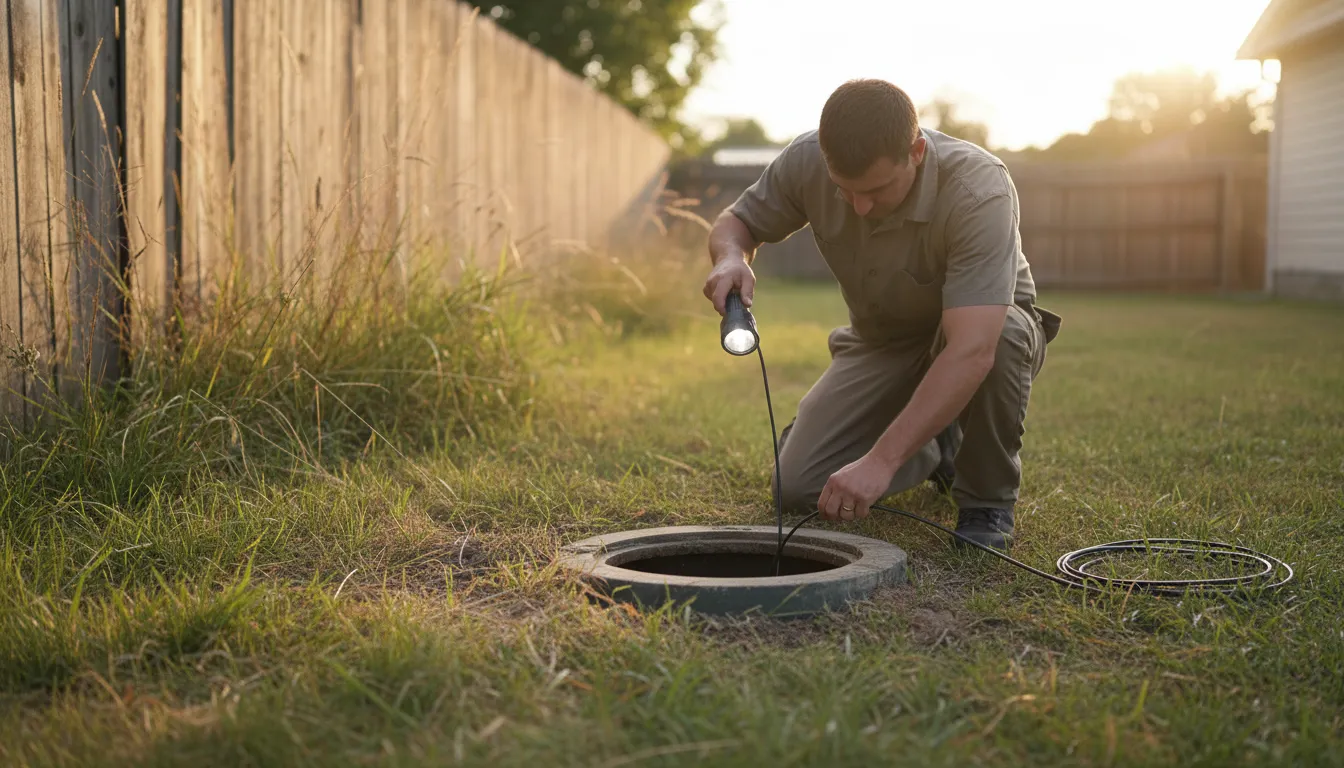
Find the Best Septic Tank Inspection Companies for Your Business
No obligation • Fast responses • Nationwide coverage

Why you can trust Septic Spot
Septic Spot is a leading United States resource for understanding and comparing septic services. Our editors review providers using consistent criteria and verify key business details. Listings and scores are independent, and companies cannot pay to influence our content.
Search providers near you
Top Septic Tank Inspection Companies in Gary, Indiana Ranked
A septic tank inspection is a critical evaluation of your home's private wastewater treatment system, ensuring it is functioning safely and in compliance with local health codes. In Gary, these assessments are not just a good idea for maintenance; they are a regulatory requirement that protects public health and the environment. This guide will help you understand the process, regulations, and local considerations for septic system evaluations in Gary, so you can confidently find qualified professionals to perform this essential service.

AmeriSpec Inspection Services
430 E 162nd St, South Holland, IL 60473
AmeriSpec Inspection Services is a septic tank inspection company based in Chicago, IL. They offer comprehensive home and specialty inspections, including septic tank evaluations, performed by a network of over 400 trained inspectors. With more than 35 years of experience and a national presence, AmeriSpec has completed over 2 million inspections across the country. Their inspectors receive extensive classroom and hands-on training to ensure thorough and accurate assessments.
Scott's Septic Service
Chicago, IL
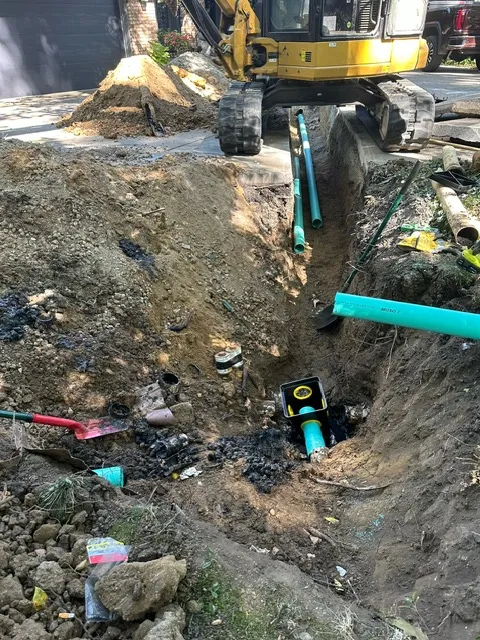
Scott's Septic Service is a locally owned company providing septic tank pumping, inspection, and repair services in Chicago, IL. They serve residential and commercial clients with routine maintenance, thorough inspections, and prompt repairs. The company uses modern equipment and industry best practices to maintain septic system performance and longevity. Scott's Septic Service is committed to supporting the community with personalized septic solutions.
Jean's Septic, Inc.
26603 S Governors Hwy # 1, Monee, IL 60449
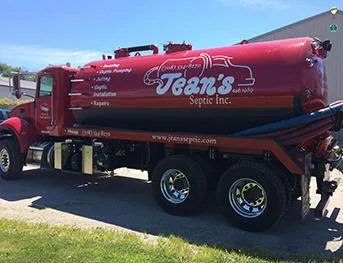
Jean's Septic, Inc. is a women-owned, family-operated septic service company based near Joliet, IL, with over 40 years of experience. They provide septic tank installation, repair, pumping, and inspection services for residential and commercial customers in Joliet and surrounding areas including parts of Illinois and Northwest Indiana. Their licensed technicians handle a range of tasks such as power sewer rodding and hydro excavation, and they offer camera inspections for lines up to 200 feet. Jean's Septic is accredited by the Better Business Bureau and certified for work in multiple counties, ensuring compliance with local regulations.
Understanding Septic System Inspections in Lake County
In Gary, and throughout Lake County, Indiana, septic system oversight falls under the jurisdiction of the Lake County Health Department Environmental Health Division. The state's primary governing rule is the Residential On-site Sewage Systems Rule 410 IAC 6-8.31. This framework mandates that most systems be inspected at least once every five years2. The purpose of these regular septic system checks is to identify failures early, prevent groundwater contamination, and avoid costly emergency repairs. For homeowners, this means scheduling a professional evaluation is a routine part of responsible homeownership, similar to servicing a furnace or cleaning gutters.
When is a Septic Inspection Required?
Knowing when you need a septic system evaluation can save you from legal and financial headaches. The requirements generally fall into a few key categories:
- Routine Maintenance: As per state rule, an inspection is required at minimum every five years for most systems. Many experts recommend more frequent checks, especially for older systems.
- Property Transfer: When buying or selling a home with a septic system, a passing inspection is almost always a condition of the sale. This protects both the buyer from inheriting a failing system and the seller from post-sale liability.
- Permit Applications: You must obtain a permit from the local health department for any new installation, construction, repair, replacement, or significant alteration of a septic system. An inspection is a core part of the permitting process to ensure the work meets code.
- Suspected Problems: If you notice warning signs like slow drains, sewage backups, foul odors indoors or near the drain field, or unusually lush, soggy grass over the absorption area, an immediate inspection is warranted.
The Septic Inspection Process: A Step-by-Step Look
A comprehensive septic tank and system assessment is a detailed procedure. Here's what a certified inspector will typically do during an evaluation in Gary:
-
Locate and Access the System: The inspector will first find the tank and distribution box. For systems installed after 1996, Indiana law requires accessible, securely fastened risers to the surface, which makes this step much easier. Older systems may require some digging to uncover access lids.
-
Evaluate Scum and Sludge Levels: This is a core part of the tank inspection. The inspector will measure the layers of scum (floating solids) and sludge (settled solids) inside the tank. These measurements determine if the tank needs to be pumped. If the combined depth of sludge and scum exceeds certain thresholds, pumping is necessary to prevent solids from flowing out into the drain field and causing a failure3.
-
Check Structural Integrity: The interior of the concrete, fiberglass, or plastic tank is examined for cracks, leaks, and root intrusion. Any compromise to the tank's structure can lead to untreated wastewater escaping into the surrounding soil or groundwater.
-
Inspect Baffles and Outlets: The inlet baffle (where house sewer enters the tank) and outlet baffle (where liquid exits to the drain field) are checked for damage or deterioration. Broken baffles can allow solids to escape the tank prematurely.
-
Assess the Drain Field: The inspector will examine the distribution box (if accessible) and the absorption field (leach field). They look for signs of failure, such as soggy soil, standing effluent, foul odors, or surfacing sewage. A hydraulic load test may be performed to see if the soil can adequately absorb liquid.
-
Document and Report Findings: A formal inspection report is completed. For inspections related to permits or compliance, this report must be filed with the Lake County Health Department. The report will detail the system's condition, any deficiencies found, and required corrective actions.
Find the perfect septic tank inspection companies for your needs
Get personalized recommendations and expert advice
Local Gary Regulations and Permit Essentials
Navigating local regulations is crucial. The Lake County Environmental Health Division is your primary resource for specific, up-to-date information. Key local requirements include:
- Permits: A permit is required for any construction, installation, or replacement of a septic system. Always contact the health department before starting any work.
- Inspector Approval: Systems must often be inspected by a local health officer or a licensed professional approved by the department.
- System Compliance: All systems must comply with Rule 410 IAC 6-8.3, which sets standards for design, construction, and maintenance. Your inspector should be thoroughly familiar with this rule.
Cost of Septic Inspections and Pumping in Gary
Understanding the potential costs helps in budgeting for this necessary service. Based on regional data, homeowners in the Gary area can expect the following approximate price ranges4:
- Full Septic System Inspection: The cost for a comprehensive evaluation typically ranges from $600 to $700. This fee generally covers the inspector's time, the detailed assessment of the tank and drain field, and the preparation and submission of the official report to the health department if required.
- Tank Pumping: If the inspection reveals that pumping is needed, that service is separate. The average cost to pump a septic tank in this region is around $350.
It is always advisable to contact the Lake County Environmental Health Division directly for the most current fee schedules and to confirm any local ordinance requirements that might affect cost5.
How to Prepare for Your Septic Inspection
A little preparation can make the inspection process smoother and more efficient:
- Locate Your System: If you don't know where your tank and drain field are, try to find old property records, diagrams (as-builts), or look for visual clues like sewer pipe exits from your home or depressions in your yard.
- Ensure Access: Clear any debris, vehicles, or landscaping from over the tank lids and access risers. The inspector will need clear, safe access to open the tank.
- Provide Documentation: Have any existing records of your system-previous inspection reports, pumping receipts, or permit documents-available for the inspector.
- Be Available: Plan to be home during the inspection to provide access to the property and answer any questions the inspector may have about the system's history or any issues you've noticed.
Choosing a Qualified Septic Inspector in Gary
Selecting the right professional is key. Look for an inspector who:
- Is licensed and certified to perform septic inspections in the state of Indiana and is familiar with Lake County's specific implementation of state rules.
- Has extensive local experience with the soil types and common system designs in Northwest Indiana.
- Provides a clear, detailed scope of work for the inspection and uses a standardized inspection form, such as the Indiana Onsite Sewage System Inspection Form6.
- Can clearly explain the process, findings, and any necessary next steps in plain language.
Frequently asked questions
Sources
Footnotes
-
RESIDENTIAL ON-SITE SEWAGE SYSTEMS RULE 410 IAC 6-8.3 - https://www.in.gov/health/files/410_IAC_6-8_3.pdf ↩
-
Indiana Septic Tank Requirements | On-Site Sewage Systems - https://www.ntotank.com/blog/indiana-septic-tank-requirements ↩
-
Preparing for Septic Tank Inspection: 7 Key Steps - https://septic911.com/preparing-for-septic-tank-inspection/ ↩
-
What to expect at a well and septic inspection - https://www.lansingstatejournal.com/story/marketplace/real-estate/2017/06/18/expect-septic-inspection/102858854/ ↩
-
Inspections and Permits - https://lakecountyin.gov/departments/health/environmental-health-division/inspections-and-permits/ ↩
-
Indiana Onsite Sewage System Inspection Form - IOWPA - https://iowpa.org/wp-content/uploads/2019/09/Inspection_Form21.pdf ↩