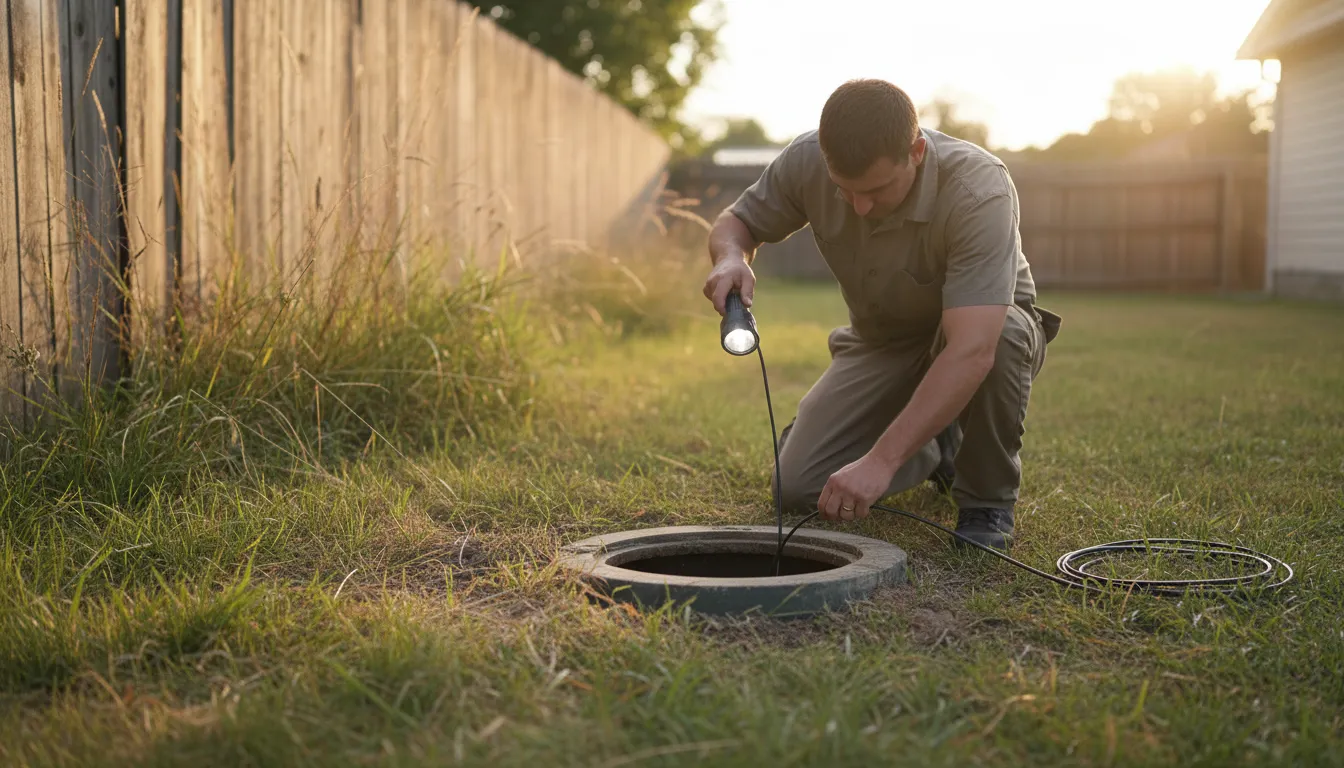
Find the Best Septic Tank Inspection Companies for Your Business
No obligation • Fast responses • Nationwide coverage

Why you can trust Septic Spot
Septic Spot is a leading United States resource for understanding and comparing septic services. Our editors review providers using consistent criteria and verify key business details. Listings and scores are independent, and companies cannot pay to influence our content.
Search providers near you
Top Septic Tank Inspection Companies in Muncie, Indiana Ranked
A septic tank inspection is a critical evaluation of your home's private wastewater system to ensure it is functioning safely and efficiently. For Muncie homeowners, these assessments are not just about maintenance-they are a key part of protecting your property value, your family's health, and the local environment. This guide explains what a septic system inspection entails in Delaware County, outlines local regulations, and helps you understand what to look for when finding a qualified professional to evaluate your system.
Understanding Septic System Inspections in Delaware County
In Indiana, septic systems are regulated under the Indiana State Department of Health's Residential Onsite Sewage Systems Rule 410 IAC 6-8.3. This rule sets the standards for installation, repair, and inspection to protect public health and groundwater. In Muncie and Delaware County, any inspection should be performed by a licensed septic system contractor who is familiar with these state codes as well as any local county health department requirements.
A proper septic evaluation is more than a quick look. It's a systematic process to verify the watertight integrity of the tank, the functionality of all components, and the proper operation of the soil absorption field (drain field). Regular inspections are the best way to catch small issues before they become expensive, disruptive failures.
Why Regular Septic Inspections Are Essential
Skipping routine septic checks is a risk few Muncie homeowners can afford. A malfunctioning system can lead to sewage backing up into your home, foul odors in your yard, and contamination of nearby wells or waterways. The U.S. Environmental Protection Agency recommends systems be inspected every one to three years. Here's why this schedule matters:
- Prevent Costly Emergencies: Identifying a failing baffle or a high sludge level early allows for a simple pumping or minor repair. Ignoring it can lead to a total drain field failure, requiring a costly replacement that often involves extensive excavation and landscaping.
- Protect Public Health: A leaking tank or saturated drain field can release pathogens and nitrates into the soil and groundwater, posing a risk to your family and neighbors.
- Ensure Compliance: If you plan to sell your home, most lenders will require a passing septic inspection. Proactive maintenance ensures you won't face last-minute surprises or failed deals.
- Extend System Lifespan: With proper care, including regular inspections and pumping, a septic system can last for decades.
The Step-by-Step Septic Inspection Process
A thorough septic system assessment follows a detailed protocol. Knowing what to expect can help you ensure your contractor is performing a comprehensive job.
1. Locating and Exposing System Components
The inspector will first locate your septic tank and drain field using property records, probes, or electronic locating equipment. They will then excavate to expose the manhole covers and inspection ports. All critical components must be accessible for a proper evaluation.
2. Inspecting the Tank Structure
The tank itself is carefully examined. The inspector checks for cracks, corrosion (in older concrete tanks), and overall structural integrity. Indiana regulations mandate that tanks be watertight and constructed of durable materials like concrete, fiberglass, or plastic. Tanks made of metal, wood, or concrete block are prohibited. The inlet and outlet baffles are checked to ensure they are intact and functioning, as these are crucial for preventing solids from escaping into the drain field 1.
3. Measuring Sludge and Scum Levels
This is a core part of the inspection. Using specialized tools, the inspector measures the depth of the sludge layer at the bottom of the tank and the scum layer floating at the top. If the sludge fills more than one-third of the tank's liquid depth, pumping is required to restore proper function and prevent solids from clogging the drain field 2.
4. Evaluating the Drain Field
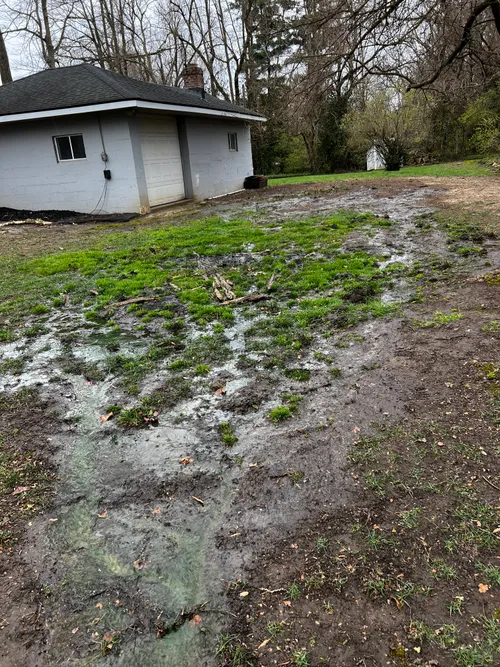
The inspector assesses the soil absorption field for signs of failure. This includes looking for surfacing sewage, overly saturated soil, or unusually lush and green vegetation over the field area. They may also perform a simple test, like running water in the house, to see if the drain field is accepting effluent properly without ponding.
5. Checking Pumps and Mechanical Components
If your system includes a pump to move effluent to the drain field (common in systems with elevation changes), the pump, floats, and alarm system will be tested for proper operation 3 4.
Find the perfect septic tank inspection companies for your needs
Get personalized recommendations and expert advice
Costs of Septic Inspections and Related Services in Muncie
Understanding the potential costs helps in budgeting for this essential home maintenance. Prices can vary based on the size of your system, its accessibility, and the depth of the inspection.
- Routine Inspection: A standard visual and operational check typically costs between $100 and $300 5.
- Comprehensive Inspection: A more detailed inspection, which may include pumping the tank to fully assess its interior or a more invasive drain field evaluation, can range from $100 to $1,000, with the higher end reflecting the inclusion of pumping services 6.
- Septic Pumping: If the inspection reveals the need for pumping, this service generally costs $200 to $500 in the Muncie area 7 8. Pumping is recommended every 3-5 years, but the actual frequency depends on household size and usage 9.
It's important to note that any repairs or new installations require a permit from the Delaware County Health Department, and associated permit fees will apply 10. Always ask your contractor for a detailed breakdown of costs that separates inspection fees from any recommended pumping or repair work.
Indiana and Local Regulations Homeowners Must Know
Compliance with state and local rules is non-negotiable. Key regulations for Delaware County include:
- Licensed Contractors: All septic system inspections, repairs, and installations must be performed by a contractor licensed by the Indiana State Department of Health 11.
- Permit Requirements: You must obtain a permit from the local health department before beginning any repair or installation work on your system 12.
- Tank Standards: As noted, tanks must be watertight. During an inspection for a real estate transaction or major repair, an older non-compliant tank (e.g., steel) may be flagged for replacement 13.
- Inspector Presence: The licensed contractor must be physically present on-site to conduct the inspection; they cannot sign off on a system based on photos or a homeowner's report 14.
Finding a Qualified Septic Inspection Professional in Muncie
Your septic system is a significant investment. Choosing the right professional to inspect it is crucial. Look for a contractor who:
- Holds a current Indiana State Department of Health license for onsite wastewater system work.
- Has extensive local experience in Delaware County and is familiar with local soil conditions and health department officials.
- Provides clear, written estimates and explains the inspection process thoroughly.
- Can provide references from other local homeowners.
- Is willing to walk you through their findings and explain any issues in detail, showing you photos or videos from inside the tank if possible.
Frequently asked questions
Sources
Footnotes
-
How to Get Septic to Pass Inspection - https://www.guardianangelinspections.com/how-to-get-septic-to-pass-inspection ↩
-
Guidance for the Inspection of On-site Sewage Disposal Systems - https://www.mass.gov/guides/guidance-for-the-inspection-of-on-site-sewage-disposal-systems ↩
-
Indiana Septic System Installation and Permit Procedure Guide - https://www.septicdesign.com/homeowners/the-septic-system-installation-processs-for-indiana/ ↩
-
What to Expect During a Septic Inspection: A Step-by-Step Inspection Process - Septic System Installation Burlington WA - https://northsoundseptic.com/blog/what-to-expect-during-a-septic-inspection-a-step-by-step-inspection-process/ ↩
-
Septic Tank Inspection Cost Guide | What to Expect & Save | Blog - https://www.blueribbonseptic.com/blog/septic-tank-inspection-costs-are-you-paying-too-much ↩
-
Exploring the Costs of Septic Tank Inspections: What to Expect - https://www.theflushfellas.com/exploring-the-costs-of-septic-tank-inspections-what-to-expect ↩
-
Septic System Cost Estimate: A Complete Breakdown - Land Perc - https://landperc.com/septic-system-cost-estimate/ ↩
-
Residential Septic Tank Pricing | Homeowner's Guide to Costs - https://www.ntotank.com/blog/residential-septic-tank-pricing ↩
-
Frequent Questions on Septic Systems | US EPA - https://www.epa.gov/septic/frequent-questions-septic-systems ↩
-
CHAPTER 51: SEWAGE AND SEPTIC SYSTEMS REGULATIONS - https://www.in.gov/localhealth/stjosephcounty/files/County-Code-Septic-Ordinance.pdf ↩
-
Indiana Septic Tank Requirements | On-Site Sewage Systems - https://www.ntotank.com/blog/indiana-septic-tank-requirements ↩
-
RESIDENTIAL ONSITE SEPTIC PERMIT PROCESS - https://rushcounty.in.gov/wp-content/uploads/2021/07/RESIDENTIAL-ONSITE-SEPTIC-PERMIT-PROCESS-1.pdf ↩
-
RESIDENTIAL ON-SITE SEWAGE SYSTEMS RULE 410 IAC 6-8.3 - https://www.in.gov/health/files/410_IAC_6-8_3.pdf ↩
-
St. Joseph County: Septic Systems - IN.gov - https://www.in.gov/localhealth/stjosephcounty/environmental-health/septic-systems/ ↩