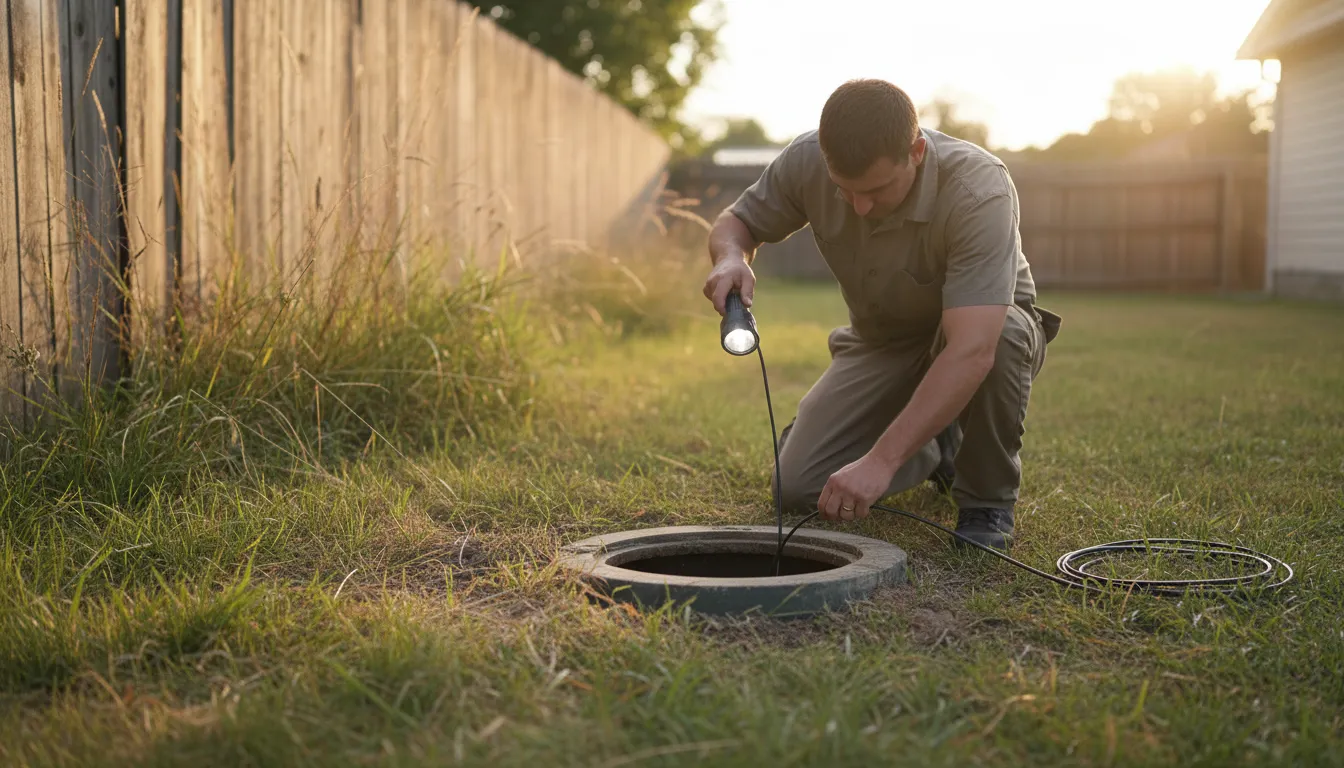
Find the Best Septic Tank Inspection Companies for Your Business
No obligation • Fast responses • Nationwide coverage

Why you can trust Septic Spot
Septic Spot is a leading United States resource for understanding and comparing septic services. Our editors review providers using consistent criteria and verify key business details. Listings and scores are independent, and companies cannot pay to influence our content.
Search providers near you
Top Septic Tank Inspection Companies in Westfield, Indiana Ranked
A septic system inspection is a critical evaluation of your home's on-site wastewater treatment system, ensuring it is functioning safely and efficiently. In Westfield, these assessments are vital for protecting your property value, safeguarding local groundwater, and complying with Hamilton County health regulations. This guide will help you understand the inspection process, local requirements, and how to connect with qualified professionals in your area.
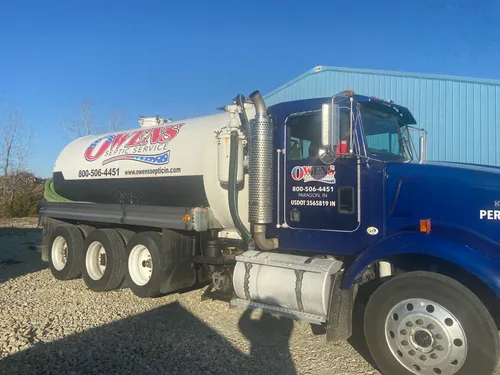
Owens Septic Service
8541 N 850 W, Fairland, IN 46126
Owens Septic Service offers septic tank pumping, inspection, and pump repair or replacement in Indianapolis, IN. With over 30 years of experience, they provide comprehensive septic system maintenance, including lift station upkeep, septic riser installation, and grease trap pumping for commercial kitchens. Their services focus on maintaining efficient wastewater flow and preventing system failures through regular inspections and pump-outs.
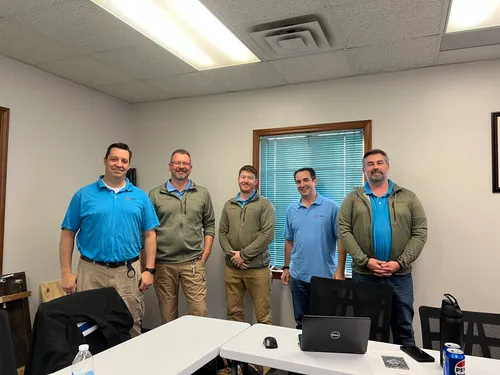
AllCheck Inspections
4519 N Franklin Rd Suite A, Indianapolis, IN 46226
AllCheck Inspections is a home inspection company based in Indianapolis, IN, offering a range of inspection services including septic system testing, termite inspection, radon testing, water testing, mold testing, and indoor air quality testing. They serve Indianapolis and surrounding Central Indiana communities such as Carmel, Fishers, and Noblesville. The company provides detailed and unbiased reports to help buyers and sellers understand the condition of a property before making decisions. AllCheck Inspections emphasizes clear communication and thorough inspections to support informed home buying and selling.
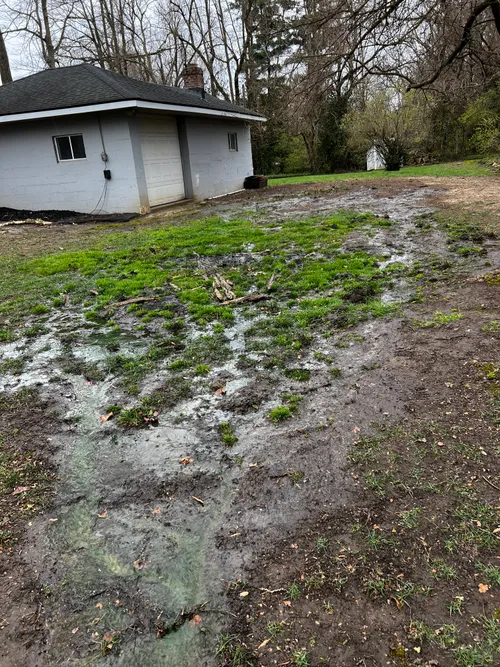
Patriot Home and Septic Inspections LLC
Indianapolis, IN
Patriot Home and Septic Inspections LLC is a veteran-owned business based in Indianapolis, IN, specializing in septic system inspections primarily for real estate transactions. They serve home buyers, sellers, listing agents, home inspection companies, and septic companies by providing comprehensive septic inspections and detailed reports. The company is certified by the Indiana Onsite Wastewater Professionals Association (IOWPA) and focuses on identifying issues such as root intrusion, corrosion, and system leaks that standard home inspections may miss. Their expertise helps clients understand the condition of septic systems, which can last 25 to 40 years depending on maintenance and environmental factors.
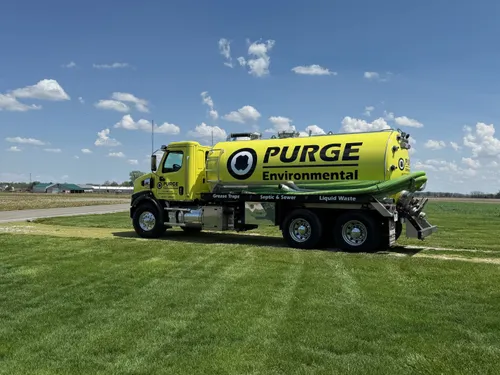
Purge Environmental
10625 Deme Dr D, Indianapolis, IN 46236
Purge Environmental is a locally owned and operated company based in Indianapolis, IN, specializing in septic tank pumping, inspection, and repair services. They offer residential and commercial solutions including septic tank cleaning, grease trap pumping, lift station maintenance, and industrial wastewater hauling. Their services cover Central and Eastern Indiana, focusing on environmentally responsible waste management. Purge Environmental provides 24/7 emergency pumping services to address urgent septic issues promptly. Their trained technicians follow a thorough twenty-point inspection process and dispose of waste at IDEM-approved facilities, ensuring compliance and eco-friendly practices.

Security Home Inspections
13277 Illinois St #120, Carmel, IN 46032
Security Home Inspections is a home inspection company serving Indianapolis, IN, and surrounding areas. They offer a range of residential and commercial inspection services, including septic tank inspections, radon testing, and wood-destroying pest inspections. Established in 1984, the company provides thorough assessments to help clients make informed decisions about their properties. Their inspections include detailed reports with digital photos to support homebuyers, sellers, and homeowners in maintaining property value and safety.
Understanding Septic System Evaluations in Hamilton County
In Westfield, septic system oversight falls under the jurisdiction of the Hamilton County Health Department, which enforces state regulations from the Indiana State Department of Health (Rule 410 IAC 6-8.3) 1 2. These rules are designed to prevent public health hazards and environmental contamination. For homeowners, this means regular system checks are not just a recommendation but a key part of responsible property ownership. A professional septic evaluation provides a clear picture of your system's health, identifying minor issues before they become costly repairs or environmental emergencies.
Why Regular Septic Inspections Are Essential
Scheduling routine septic tank check-ups is one of the most important maintenance tasks for any home not connected to a municipal sewer line. The consequences of a failing system are significant:
- Health and Environmental Protection: A malfunctioning system can contaminate groundwater, nearby wells, and surface water with harmful bacteria and nutrients, posing a direct risk to your family and neighbors 3.
- Financial Prudence: Early detection of problems like leaks, failing drain fields, or damaged baffles can save thousands of dollars compared to the cost of a full system replacement.
- Regulatory Compliance: Hamilton County requires regular inspections, typically every three years for residential systems, to ensure ongoing compliance. Staying ahead of this schedule avoids potential fines and legal complications.
- Property Transactions: A passing septic inspection is often a mandatory contingency in real estate sales. Knowing the condition of your system smooths the selling process and provides transparency for buyers.
The Professional Septic Inspection Process: A Step-by-Step Look
A thorough septic system assessment by a qualified provider involves several key steps. Understanding this process can help you know what to expect when the inspector arrives.
1. Locating and Accessing the System
The inspection begins with locating all system components: the septic tank, distribution box, and soil absorption field (drain field). The inspector will need to uncover the tank's access lids or risers. As noted in guidelines from Clark County, Indiana, these ports must be fully exposed and accessible for a proper evaluation 4. If your lids are buried, you may need to have risers installed prior to the inspection.
2. Internal Tank Assessment
This is the core of the inspection. The inspector will:
- Measure Sludge and Scum: Using specialized tools, they will measure the depth of the sludge layer at the bottom of the tank and the scum layer floating at the top. According to Clear Choices Clean Water Indiana, a tank typically requires pumping if the bottom of the scum layer is within 6 inches of the outlet baffle or if the sludge is within 12 inches.
- Inspect Tank Integrity & Components: The inspector checks for cracks, leaks, and the structural condition of the tank. They also verify the integrity of the inlet and outlet baffles or tees, which are crucial for preventing solids from flowing into the drain field 5.
- Check Effluent Filters and Pumps: If your system includes an effluent filter or pump, these will be examined for clogs and proper operation.
3. Drain Field Evaluation
The inspector will examine the drain field area for signs of failure, which can include:
- Soggy ground or standing water over the field.
- Unpleasant odors.
- Unusually lush or green grass over the field.
- Surfacing sewage. As outlined by Hamilton County, these are clear indicators that the system is failing and not properly treating wastewater.
4. Reporting and Recommendations
After the evaluation, you should receive a detailed report, often using a standard form like the Indiana Onsite Wastewater Professionals Association (IOWPA) inspection form 6. This report will note the system's condition, any deficiencies found, and recommended actions, such as immediate pumping or necessary repairs.
Find the perfect septic tank inspection companies for your needs
Get personalized recommendations and expert advice
Local Regulations and Permit Requirements
Westfield homeowners must be aware of local mandates. The Hamilton County Health Department mandates that property owners are responsible for maintaining their on-site sewage systems. Key regulations include:
- Inspection Frequency: While guidelines suggest inspections every 1-3 years, Hamilton County typically requires a verification of system functionality at least every three years 7.
- Pumping Schedule: Tanks should generally be pumped every 3 to 5 years, but the actual need is determined by the sludge and scum measurements taken during an inspection 8.
- Permits Required: Any repair, alteration, or new installation of a septic system requires a permit from the county health department. Never undertake significant work on your system without first checking permit requirements.
Understanding Inspection and Service Costs
The cost of a septic system evaluation in Westfield can vary based on the scope of work and system complexity.
- Routine Inspection: A standard inspection typically ranges from $100 to $300 9.
- Comprehensive/Detailed Inspection: For larger systems, or inspections that include advanced diagnostics like a camera scope or full hydraulic load test, costs can range from $100 to over $1,000 10.
- Pumping Cost: If the inspection reveals the tank needs to be pumped, this service usually costs an additional $300 to $600, depending on tank size and accessibility 11 12.
It's important to note that while an inspection might seem like an added expense, it is a minor investment compared to the cost of fixing a failed drain field or addressing groundwater contamination.
Preparing Your System for an Inspection
You can facilitate a smooth and efficient inspection by taking a few preparatory steps:
- Ensure Access: Locate your tank lids or risers and clear any debris, soil, or landscaping over them. If they are buried deep, consider installing inspection risers beforehand.
- Provide Records: Have any available records of past inspections, pumping, repairs, or system diagrams ready for the inspector.
- Conserve Water: Avoid running dishwashers, washing machines, or taking long showers immediately before the inspection to allow the inspector to assess the water level in the tank accurately.
Choosing a Qualified Septic Inspection Provider
Selecting the right professional is crucial. Look for providers who:
- Are licensed and familiar with Hamilton County and Indiana state regulations.
- Have positive local references and reviews.
- Provide detailed, written reports using recognized inspection forms.
- Clearly explain their process and findings.
- Can perform both inspections and any needed pumping or minor repairs, or can recommend trusted specialists for larger jobs.
Frequently asked questions
Sources
Footnotes
-
On-Site Sewage Disposal Program - Hamilton County, IN - https://www.hamiltoncounty.in.gov/298/Sewage-Disposal-Program ↩
-
Septic Inspection and Permits - Union County - IN.gov - https://www.in.gov/localhealth/unioncounty/environmental-services/septic-inspection-and-permits/ ↩
-
Frequent Questions on Septic Systems | US EPA - https://www.epa.gov/septic/frequent-questions-septic-systems ↩
-
Clark County Indiana Septic System Installers - https://clarkhealth.net/index.php/environmental-health/septic-systems ↩
-
Indiana Septic System Installation and Permit Procedure Guide - https://www.septicdesign.com/homeowners/the-septic-system-installation-processs-for-indiana/ ↩
-
Indiana Onsite Sewage System Inspection Form - IOWPA - https://iowpa.org/wp-content/uploads/2019/09/Inspection_Form21.pdf ↩
-
CHAPTER 51: SEWAGE AND SEPTIC SYSTEMS REGULATIONS - https://www.in.gov/localhealth/stjosephcounty/files/County-Code-Septic-Ordinance.pdf ↩
-
Homeowner's Guide to Septic Systems - http://indiana.clearchoicescleanwater.org/resources/epa-homeowners-guide-to-septic-systems/ ↩
-
Septic Tank Inspection Cost Guide | What to Expect & Save | Blog - https://www.blueribbonseptic.com/blog/septic-tank-inspection-costs-are-you-paying-too-much ↩
-
Septic System Cost Estimate: A Complete Breakdown - Land Perc - https://landperc.com/septic-system-cost-estimate/ ↩
-
Stay Compliant: Avoid Fines with Septic System Regulations - https://smartsepticpros.com/blog/septic-system-regulations/ ↩
-
Who Pays For Septic Inspection When Selling a House? - https://ibuyer.com/blog/who-pays-for-septic-inspection-when-selling-a-house/ ↩