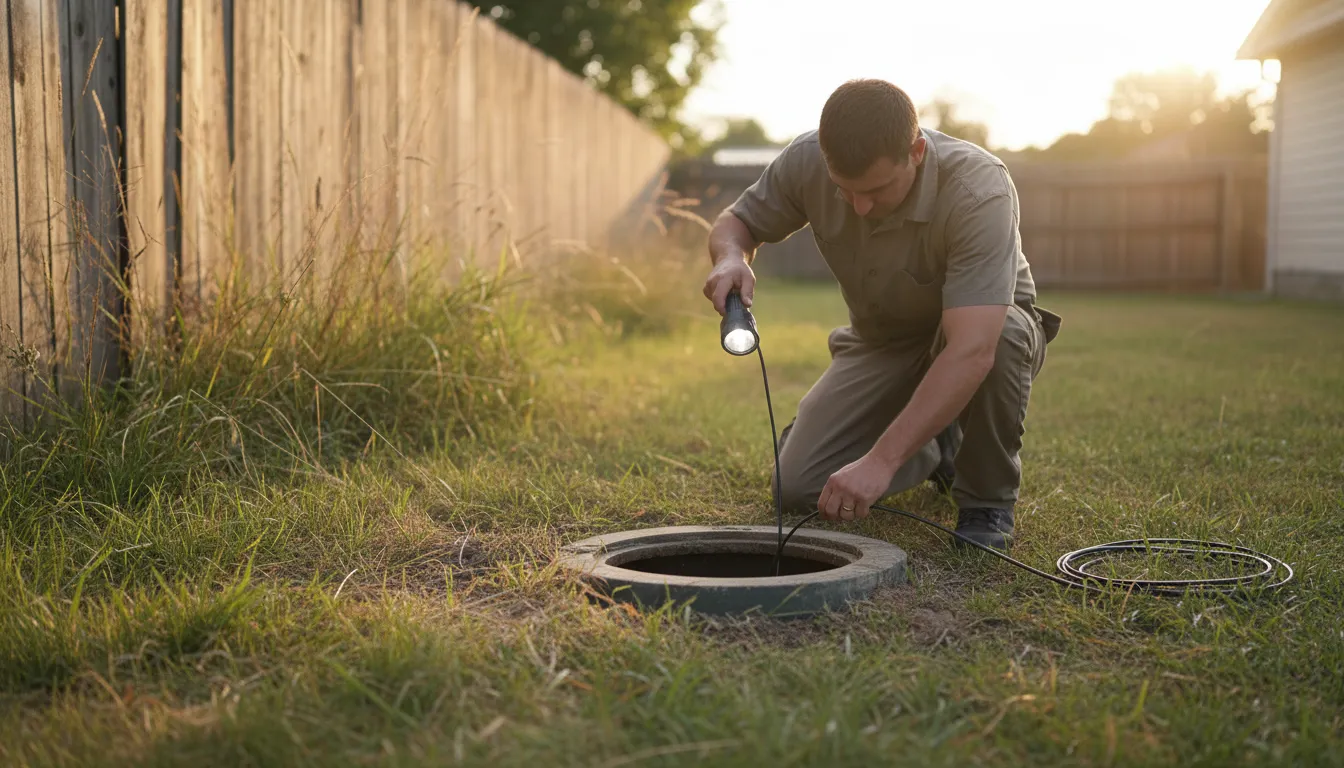
Find the Best Septic Tank Inspection Companies for Your Business
No obligation • Fast responses • Nationwide coverage

Why you can trust Septic Spot
Septic Spot is a leading United States resource for understanding and comparing septic services. Our editors review providers using consistent criteria and verify key business details. Listings and scores are independent, and companies cannot pay to influence our content.
Search providers near you
Top Septic Tank Inspection Companies in East Lansing, Michigan Ranked
A septic tank inspection is a professional assessment of your onsite wastewater system's condition and functionality. This evaluation is crucial for protecting your property investment, ensuring public health, and maintaining environmental safety by preventing system failures and groundwater contamination. For East Lansing homeowners, navigating local regulations and finding a qualified professional can be complex; this guide provides the essential information you need to understand the process, local requirements, and how to connect with reputable service providers in your area.
Accurate Inspections, LLC
12228 Old U.S. 27, DeWitt, MI 48820
Accurate Inspections, LLC is a family-owned inspection company serving Lansing, MI, and Central Michigan. Established in 1985, they offer a range of inspection services including septic tank inspections, well inspections, radon testing, pest inspections, and drain inspections. Their inspectors hold Michigan Builders Licenses and have passed the National Home Inspector Examination, ensuring thorough and knowledgeable evaluations. The company provides same-business-day responses and delivers inspection reports by the next business day, supporting timely decisions in real estate transactions.
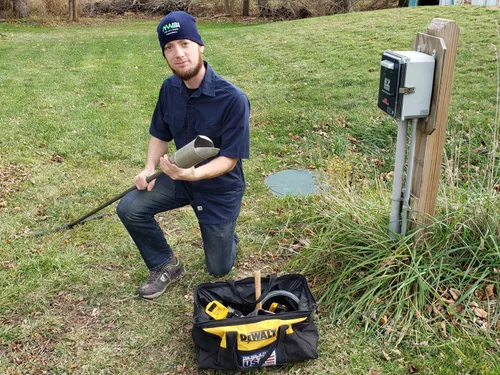
Michigan Well and Septic Inspections, LLC
Lansing, MI
Michigan Well and Septic Inspections, LLC provides septic tank inspection services in Lansing, MI. They conduct thorough observable inspections of well and septic systems, following industry best practices to assess system components. While inspections cover many aspects, some buried parts remain unobservable, so inspections are not warranties. Typical inspections for time of sale take one to two hours and require home interior access. The company recommends scheduling inspections well in advance due to turnaround times for scheduling, water lab tests, and compliance letters.
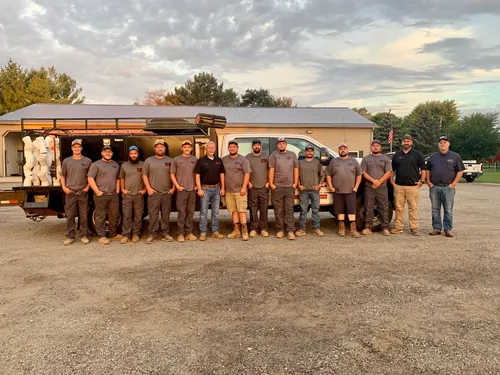
G A Hunt Excavating and Septic Services
1220 E Taft Rd, St Johns, MI 48879
G A Hunt Excavating and Septic Services is a septic system company serving Lansing, MI, and surrounding mid-Michigan areas. They provide septic tank installation, pumping, inspection, maintenance, and repair services, including drain field repair and trenchless excavation technology to minimize property disruption. With over 30 years of experience, the company offers 24/7 emergency septic and sewer services to address urgent issues promptly and efficiently.
Understanding Septic Systems and Local Regulations
In Michigan, septic system regulation is not managed by a single statewide code. Instead, oversight falls to local health departments. For East Lansing residents, this means the Ingham County Health Department is the primary authority governing the installation, maintenance, and inspection of onsite sewage systems 1. This decentralized approach leads to varying ordinances across townships and counties, making it essential to understand the specific rules that apply to your property.
A key local trend is the adoption of Time of Sale or Transfer (TOST) ordinances. While not universally mandatory for all existing homes, many municipalities in the East Lansing area now require a passing septic system evaluation before a property can be legally sold. This inspection ensures the system is functioning properly and protects both the buyer and seller from unforeseen liabilities. Even outside of a real estate transaction, regular assessments are a cornerstone of responsible homeownership.
Why Regular Septic Inspections Are Essential
Scheduling periodic septic system evaluations is not just about compliance; it's a proactive measure for home maintenance. A malfunctioning system can lead to sewage backups in your home, foul odors in your yard, and the contamination of local waterways and groundwater-a serious public health concern. Regular check-ups can identify minor issues, like a clogged effluent filter or a deteriorating baffle, before they escalate into costly repairs or a complete drain field failure.
The U.S. Environmental Protection Agency (EPA) and local health experts recommend having your onsite wastewater treatment system inspected every 1 to 3 years and pumped every 3 to 5 years, though frequency can depend on household size and usage 2 3. An inspection provides a clear snapshot of your system's health, offering peace of mind and helping you plan for future maintenance, such as pumping, which typically costs between $350 and $550 for a standard residential tank in this region.
What to Expect During a Professional Inspection
A comprehensive septic tank inspection is a detailed process conducted by a licensed professional. Here is a step-by-step breakdown of what a standard evaluation entails:
1. System Location and Site Assessment: The inspector will first locate all components of your system, including the septic tank and drain field (also called a leach field or absorption area). They assess the surrounding soil and look for any surface indications of problems, such as overly lush grass or soggy, ponding areas above the field.
2. Tank Access and Initial Evaluation: The inspector will excavate and open the tank's access lids. This may involve digging, especially if the lids are buried. There is often an additional fee for this service, typically ranging from $75 to $125 per lid. Once opened, they will visually check the scum and sludge layers to estimate solid accumulation and determine if pumping is immediately necessary.
3. Internal Component Check: Key internal parts are examined. This includes inspecting the inlet and outlet baffles (or tees) to ensure they are intact and functioning, which is critical for preventing solids from flowing into the drain field. The effluent filter, if present, will be checked and cleaned.
4. Pump-Out and Structural Inspection: For a thorough assessment, the tank is often pumped out. This allows the inspector to examine the tank's interior walls and bottom for cracks, corrosion (in steel tanks), or structural damage that could lead to leaks or groundwater infiltration 4 5.
5. Drain Field Evaluation: The inspector evaluates the drain field's performance. This involves checking for signs of hydraulic failure, such as effluent surfacing or soil saturation. They may also use probes to assess the condition of the soil in the absorption area 6.
6. Detailed Reporting: Finally, you will receive a written report detailing the system's condition, any issues found, and recommendations for repairs or maintenance. This report is the official document used for compliance with local Time of Sale ordinances 7.
Find the perfect septic tank inspection companies for your needs
Get personalized recommendations and expert advice
Costs Associated with Septic Inspections and Pumping
Understanding the potential costs helps homeowners budget for this vital service. In the East Lansing area, prices can vary based on tank size, accessibility, and the scope of the inspection.
- Standard Septic Inspection: A typical inspection can range from $200 to $900, with an average cost around $550 8. This usually includes the visual assessment, sludge measurement, and component check.
- Septic Tank Pumping: Pumping is frequently performed in conjunction with an inspection. For a 1,000-gallon tank, expect to pay $350 to $450. For a larger 1,500-gallon tank, the cost is typically $450 to $550 9.
- Additional Fees: Be aware of potential extra charges. As mentioned, lid digging can add $75-$125 per lid 10. If a more advanced hydraulic load test or dye test is required for the drain field, costs will increase.
It's always wise to get detailed quotes from several licensed providers. The lowest price may not include a full pump-out or a comprehensive drain field evaluation, which are necessary for a complete assessment.
Choosing a Qualified Inspection Provider in East Lansing
Selecting the right professional is critical. Look for a service provider licensed by the Ingham County Health Department. They should have extensive experience with the soil types and local regulations specific to Mid-Michigan. Don't hesitate to ask for references, proof of insurance, and a clear explanation of what their inspection service includes. A reputable inspector will be happy to walk you through their process and explain their findings in detail.
For the most current and official guidelines, always contact the Ingham County Health Department Environmental Health Division directly. They can clarify local ordinances, permit requirements, and provide a list of approved evaluators in your area.
Maintaining Your System Between Inspections
A professional inspection is just one part of system care. Homeowners can extend their septic system's lifespan by practicing good habits: conserve water to avoid overloading the system, avoid flushing anything besides human waste and toilet paper, and never pour grease, chemicals, or medications down the drain. Keep detailed records of all inspections, pumpings, and repairs; this history is invaluable for troubleshooting and is often required during property transfers.
Frequently asked questions
Sources
Footnotes
-
Sewage Systems | CMDHD - https://www.cmdhd.org/septicsystems ↩
-
Well and Septic Maintenance - https://bldhd.org/environmental-services/well-and-septic-maintenance/ ↩
-
Frequent Questions on Septic Systems | US EPA - https://www.epa.gov/septic/frequent-questions-septic-systems ↩
-
Septic System Ordinances | Michigan Lakes and Streams ... - https://mymlsa.org/government-and-legal-issues/ordinances/septic-system-ordinances/ ↩
-
Understanding Septic Tank Inspections: What to Expect and Why They're Necessary - https://alvaradosepticpumping.com/2024/02/understanding-septic-tank-inspections-what-to-expect-and-why-theyre-necessary/ ↩
-
Septic Systems: - Mid-Michigan District Health Department - https://www.mmdhd.org/wp-content/uploads/2018/09/Septic-Systems.pdf ↩
-
SepticSmart - Mid-Michigan District Health Department - https://www.mmdhd.org/environmental-services/septic/septic-smart/ ↩
-
How Much Does a Septic Inspection Cost? [2026 Data] - Angi - https://www.angi.com/articles/septic-inspection-cost.htm ↩
-
Septic Pumping Near Lansing, MI: Cost, Cleaning Tips ... - https://www.michiganseptic.com/post/septic-pumping-lansing-mi ↩
-
Septic System Cost Estimate: A Complete Breakdown - Land Perc - https://landperc.com/septic-system-cost-estimate/ ↩