Find the Best Septic Tank Inspection Companies for Your Business
No obligation • Fast responses • Nationwide coverage

Why you can trust Septic Spot
Septic Spot is a leading United States resource for understanding and comparing septic services. Our editors review providers using consistent criteria and verify key business details. Listings and scores are independent, and companies cannot pay to influence our content.
Search providers near you
Top Septic Tank Inspection Companies in Grand Rapids, Michigan Ranked
A septic tank inspection is a critical evaluation of your onsite wastewater system's health and functionality. In Grand Rapids and Kent County, these assessments are vital for protecting your property value, ensuring public health, and complying with local environmental standards. Whether you're buying a home, planning a renovation, or maintaining your existing system, understanding the local inspection process helps you find qualified professionals to conduct a thorough evaluation.
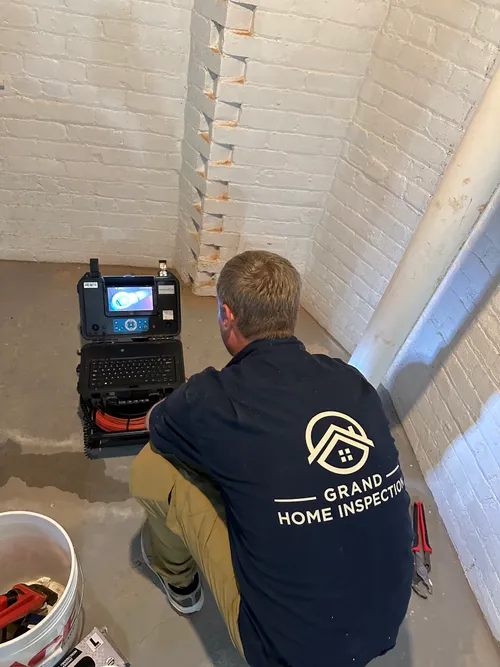
Grand Home Inspection
330 Fuller Ave NE #2, Grand Rapids, MI 49503
Grand Home Inspection is a home inspection company based in Grand Rapids, MI. They offer a range of inspection services including septic tank inspections, well inspections, radon testing, sewer scopes, pool inspections, mold testing, chimney inspections, pest inspections, thermal imaging, and commercial inspections. Their certified inspectors evaluate various aspects of homes such as exterior and interior conditions, electrical systems, HVAC, plumbing, and roofing and foundation components to provide a comprehensive overview of the property's condition.
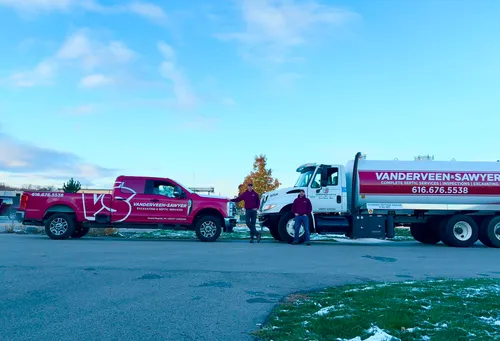
Vanderveen & Sawyer | Complete Septic Services
925 O E Bieri Industrial Dr Suite 6A, Lowell, MI 49331
Vanderveen & Sawyer | Complete Septic Services provides septic tank pumping, inspections, repairs, and drainfield evaluations in Grand Rapids, MI. They focus on clear communication and thorough diagnostics to ensure homeowners understand their septic system's condition. The company offers excavation services and addresses septic system issues with long-term solutions rather than temporary fixes. Their licensed technicians emphasize respectful service and detailed explanations to help clients make informed decisions.

Well and Septic Guys
6026 Kalamazoo Ave SE, Grand Rapids, MI 49508
Well and Septic Guys is a septic tank inspection company based in Grand Rapids, MI. They offer thorough septic inspections that include locating and opening the tank, evaluating its condition, checking flow and components, and assessing the drainfield and soil conditions. The company also provides well inspections and water testing services to help homeowners and buyers understand the safety and functionality of their water and septic systems. Founded by Ryan Christensen, who has over eight years of experience in the well and septic industry throughout West Michigan, the company emphasizes detailed reporting and clear communication to support informed decisions during home sales.
Why Septic System Evaluations Matter in Kent County
Your septic system is an underground wastewater treatment plant. A professional septic system evaluation ensures it is operating safely and not posing a risk of contamination to groundwater, nearby wells, or surface water. In Kent County, the local health department has established strict Sanitary Facility Evaluation guidelines to protect the community's health and environment. Regular inspections can identify minor issues before they become expensive, disruptive failures.
Understanding Local Regulations and Requirements
While Kent County does not have a universal "time of sale" ordinance mandating inspections, the reality is that most mortgage lenders will require a septic system inspection before approving financing for a property that uses one 1. Furthermore, evaluations are required by the Kent County Health Department for new building permits, major additions that increase wastewater flow, or any change in property use.
The guidelines focus heavily on isolating distances, particularly maintaining at least 50 feet between the septic system's components and any water well. An inspector will verify your system's compliance with these and other current standards.
The Septic Inspection Process: A Step-by-Step Guide
A comprehensive septic tank inspection in Grand Rapids is a multi-stage process conducted by licensed professionals. It goes far beyond just looking at the tank.
1. File Review and Site History
The inspector begins by reviewing any available county records for your property. They look for the original system design, tank size and material, drainfield location, and the system's age. This historical context is crucial for understanding what to look for during the physical inspection.
2. Visual Site Survey
The inspector walks the property, visually assessing the tank area and the entire drainfield (also called a leach field). They look for warning signs like:
- Soggy ground or standing water over the drainfield.
- Unusual, lush green grass over the drainfield lines.
- Surfacing sewage or foul odors.
- Evidence of system components, like tank lids or distribution boxes 2.
3. Physical Tank Inspection
This is the core of the septic tank check. The inspector will:
- Locate and excavate the tank access lids.
- Open the tank and measure the scum and sludge layers to determine if pumping is needed.
- Inspect the tank's interior walls, baffles, and tees for cracks, corrosion, or damage.
- Check the liquid level to assess the outlet's functionality and look for signs of back-up from the drainfield 3 4.
4. Drainfield Investigation
A truly thorough evaluation includes assessing the drainfield's condition. This often involves auger boring or soil sampling at various points in the field. The inspector checks for signs of effluent (wastewater) contamination in the soil, which indicates a clogged or failing field 5.
5. Evaluation Report and Findings
After the assessment, the inspector categorizes the system based on its conformity to standards, current functionality, and overall risk to public health. You will receive a detailed report outlining the system's condition, any deficiencies found, and recommended actions 6.
Find the perfect septic tank inspection companies for your needs
Get personalized recommendations and expert advice
Costs Associated with Septic Inspections and Pumping
Understanding the potential costs helps homeowners budget appropriately. In Michigan, a comprehensive well and septic evaluation typically ranges from $600 to $700, which often includes necessary lab fees for water testing 7.
It's very common for an inspection to reveal that the tank needs to be pumped. Pumping a septic tank in the region usually costs around $350 or more 8. Therefore, if both services are needed, the total projected cost for a full inspection and pump-out often exceeds $700 to $1,000 8.
Recommended Maintenance and Inspection Frequency
To avoid emergencies and extend your system's lifespan, proactive maintenance is key. While pumping is generally recommended every 3 to 4 years for a typical household, more frequent inspections or checks are advised every 1 to 2 years 9. Regular inspections can catch issues like a full tank or a failing baffle long before they cause a drainfield failure, which is the most costly part of a septic system to replace.
If you are having a new system installed, note that local health departments, such as the District Health Department #10 which influences standards in the region, require a final inspection of the installation 24 hours before the system is covered with soil 10.
Preparing Your Home for a Septic Inspection
A little preparation can ensure your inspection goes smoothly and provides accurate results:
- Locate Your System: Know where your tank and drainfield are. If you don't, the inspector will need to probe for them, which may add time.
- Clear Access: Ensure the area above the tank lids (often marked by risers) is clear of vehicles, landscaping, decks, or sheds.
- Provide Records: Have any existing system diagrams, maintenance records, or permit documents ready for the inspector.
- Conserve Water: Avoid running multiple showers, laundry loads, or dishwashers immediately before the inspection to allow for accurate tank level measurements 11.
Frequently asked questions
Sources
Footnotes
-
Septic System Ordinances | Michigan Lakes and Streams ... - https://mymlsa.org/government-and-legal-issues/ordinances/septic-system-ordinances/ ↩
-
Septic Tank Testing & Inspection | What to Expect Guide | Blog - https://www.blueribbonseptic.com/blog/septic-tank-testing-and-inspection ↩
-
FAQ: Septic systems - https://www.michigan.gov/egle/faqs/drinking-water/septic-systems ↩
-
A 3-Step Checklist for Septic Tank Inspection - AAA Pumping Services - https://www.aaapumpingservice.net/a-3-step-checklist-for-septic-tank-inspection ↩
-
Sewage Systems | CMDHD - https://www.cmdhd.org/septicsystems ↩
-
SANITARY FACILITY EVALUATION GUIDELINES - Kent County - https://www.kentcountymi.gov/DocumentCenter/View/1677/Sanitary-Facility-Evaluation-Guidelines-PDF ↩
-
Trusted Real Estate Septic Inspections in MI - https://pumpthatseptic.com/real-estate-septic-inspections ↩
-
What to expect at a well and septic inspection - https://www.lansingstatejournal.com/story/marketplace/real-estate/2017/06/18/expect-septic-inspection/102858854/ ↩ ↩2
-
Residential Well & Septic - https://www.dhd10.org/environmental-health/well-septic/residential/ ↩
-
Septic Systems: - Mid-Michigan District Health Department - https://www.mmdhd.org/wp-content/uploads/2018/09/Septic-Systems.pdf ↩
-
Preparing for Septic Tank Inspection: 7 Key Steps - https://septic911.com/preparing-for-septic-tank-inspection/ ↩