Find the Best Septic Tank Inspection Companies for Your Business
No obligation • Fast responses • Nationwide coverage

Why you can trust Septic Spot
Septic Spot is a leading United States resource for understanding and comparing septic services. Our editors review providers using consistent criteria and verify key business details. Listings and scores are independent, and companies cannot pay to influence our content.
Search providers near you
Top Septic Tank Inspection Companies in Flint, Michigan Ranked
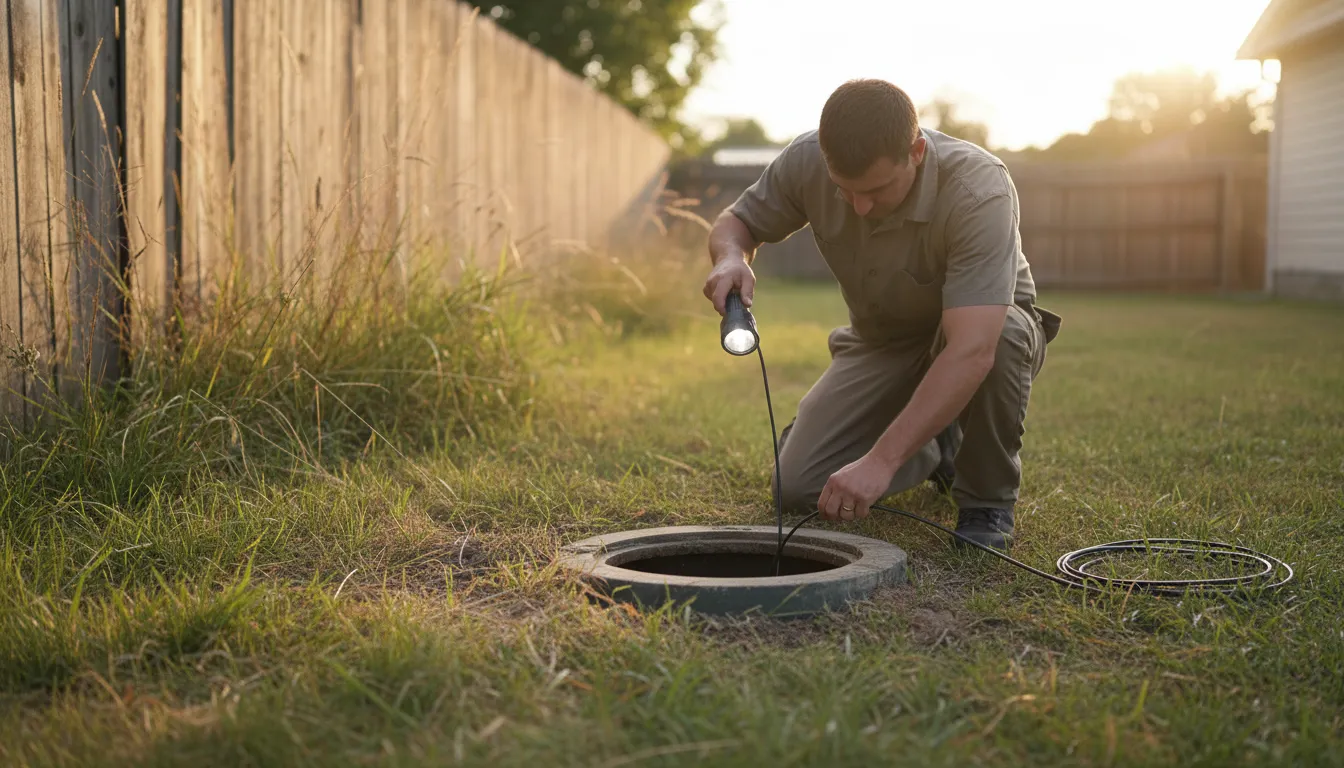
A septic tank inspection is a critical evaluation of your home's on-site wastewater treatment system, ensuring it is functioning safely and efficiently. For Flint homeowners, these assessments are not just about maintenance; they are a key part of protecting your property value, your family's health, and the local environment, including nearby water sources. This guide will help you understand the local requirements, the inspection process, and how to connect with qualified professionals in the Genesee County area to keep your system in top condition.
Why Septic System Inspections Are Essential in Genesee County
Unlike homes connected to municipal sewer lines, properties with septic systems are entirely responsible for treating and disposing of household wastewater. A failing system can lead to sewage backups into your home, contamination of groundwater, and costly environmental damage. In Flint and the surrounding Genesee County, specific local regulations govern these systems to protect public health. Regular professional evaluations are your first line of defense, helping to identify minor issues like a loose baffle or a full tank before they escalate into major repairs or a complete system failure.
The consequences of neglect can be severe. A malfunctioning drain field can create soggy, foul-smelling patches in your yard and release untreated effluent, which can contain harmful bacteria and nutrients, into the environment. Proactive inspection and maintenance are far more economical than emergency repairs or a full system replacement.
Local Regulations and Inspection Requirements
Understanding the rules set by local health authorities is crucial for any Flint-area homeowner with a septic system.
Genesee County Inspection Frequency: The Genesee County Health Department recommends that on-site sewage systems be inspected by a licensed contractor every three years. For systems experiencing high usage or with a history of issues, more frequent inspections-every one to two years-may be advisable.
Permit Requirements: A key local rule involves permits for system work. If your inspection reveals the need for a septic tank replacement or a major upgrade, you must obtain a permit from the County. As of recent data, this permit carries a fee of $100. Starting work without the proper permit can result in fines and complications.
Property Transfer Inspections: While not universally mandated by the county, many individual townships and municipalities within Genesee County require a passing septic system inspection report at the time of a property sale 1. Even if not required, a pre-sale inspection is a wise investment for both sellers and buyers to ensure transparency and avoid future liability.
What a Comprehensive Septic Inspection Involves
A thorough septic system evaluation is a multi-step process conducted by a trained professional. It goes far beyond just checking if the toilet flushes. Here's what you can expect during a standard assessment of your septic system:
1. System Location & Documentation: The inspector will first locate and expose the tank's access lids and map out the drain field area. They may also review any available "as-built" diagrams of your system.
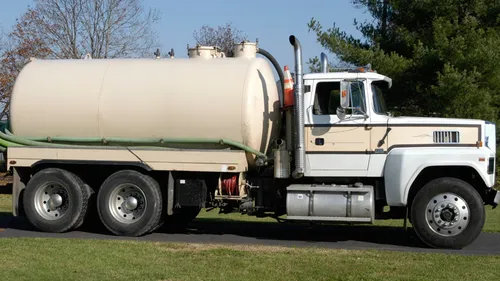
2. Tank Integrity & Sludge Level Check: This is a core part of the inspection. The inspector will measure the levels of sludge (solid waste) and scum (floating fats/oils) inside the tank. If the sludge layer is too close to the outlet baffle, it's a clear sign that pumping is needed immediately to prevent solids from flowing into and clogging the drain field 2. The general guideline is to pump a residential tank every three to five years, but usage varies.
3. Baffle and Filter Inspection: The inlet and outlet baffles inside the tank are critical for proper flow and preventing solids from escaping. The inspector will check that they are intact and securely attached 3 4. Many modern systems also have an effluent filter on the outlet; this will be removed, cleaned, and inspected for damage.
4. Drain Field Evaluation: The inspector will examine the drain field (or leach field) area for signs of failure. Warning signs include overly soggy soil, standing water, or an unusually lush patch of grass, which can indicate that wastewater is not percolating properly into the soil.
5. Mechanical Component Testing: If your system includes a pump, lift station, or alarm floats, these components will be tested to ensure they are operating correctly.
Find the perfect septic tank inspection companies for your needs
Get personalized recommendations and expert advice
Understanding Costs: Inspection, Pumping, and Permits
Budgeting for septic system care is part of responsible homeownership. Costs can vary based on your tank's size, accessibility, and the scope of the inspection.
- Septic Inspection Cost: In the Flint area, a standard professional inspection typically ranges from $200 to $900, with an average cost around $550 5. A more comprehensive inspection that includes a camera scan of the drain field lines will be at the higher end of this range.
- Septic Pumping Cost: If your inspection reveals the tank needs to be pumped, that service is separate. Pumping a standard 1,000 to 1,500-gallon tank in Michigan generally costs between $250 and $600+, depending on the tank's size and how much sludge must be removed 6 7.
- Permit Fees: As noted, the Genesee County permit fee for system replacement or major alteration is $100 8 9.
While these are expenses, they are minor compared to the cost of repairing a failed drain field, which can run into the tens of thousands of dollars.
Maintaining Your System Between Inspections
Professional inspections are essential, but day-to-day homeowner habits greatly impact your system's longevity.
- Conserve Water: Spread out laundry loads and fix leaky faucets. Excessive water flow can overload the system.
- Mind What You Flush: Only human waste and toilet paper should go down the drain. Never flush wipes (even "flushable" ones), feminine hygiene products, dental floss, or cooking grease.
- Protect the Drain Field: Never park vehicles or build structures (like sheds or patios) over the tank or drain field. The soil compaction can crush pipes and prevent the essential aerobic treatment of wastewater 10 11. Also, divert roof drains and sump pump water away from this area.
- Keep Records: Maintain a log of all inspections, pumpings, repairs, and permit applications. This record is invaluable for troubleshooting and is often required during a property sale.
Important Disclaimer: Local regulations can change, and individual townships within Genesee County may have ordinances that are stricter than the county's baseline rules. It is always recommended to verify specific requirements with the Genesee County Environmental Health Division before undertaking any major system work 12.
Frequently asked questions
Sources
Footnotes
-
Septic System Ordinances | Michigan Lakes and Streams ... - https://mymlsa.org/government-and-legal-issues/ordinances/septic-system-ordinances/ ↩
-
Septic Systems: - Mid-Michigan District Health Department - https://www.mmdhd.org/wp-content/uploads/2018/09/Septic-Systems.pdf ↩
-
Septic Tank Inspections Flint, MI - https://www.fisherhomeinspectionsllc.com/septic-tank-inspections ↩
-
Preparing for Septic Tank Inspection: 7 Key Steps | Septic System Professionals - https://septic911.com/preparing-for-septic-tank-inspection/ ↩
-
How Much Does a Septic Inspection Cost? [2026 Data] - Angi - https://www.angi.com/articles/septic-inspection-cost.htm ↩
-
How Often Should You Pump Your Septic Tank: 3 Factors Solved - https://www.frasiers.com/blog/sewage-tank-pump-frequency/ ↩
-
Septic System Inspections: A Step-by-Step How-To Guide - https://westcoastsanitationinc.com/septic-inspection-service/ ↩
-
On-Site Sewage (septic) - Licensing, Disposal, Perc Tests - https://www.geneseecountymi.gov/departments/health_department/eh/septic.php ↩
-
A Genesee County Homeowner's Guide to a Well-Maintained ... - https://gcdcswm.com/PhaseII/Permit_Forms/septic_book_final.pdf ↩
-
Frequent Questions on Septic Systems | US EPA - https://www.epa.gov/septic/frequent-questions-septic-systems ↩
-
FAQ: Septic systems - https://www.michigan.gov/egle/faqs/drinking-water/septic-systems ↩
-
Environmental Health Regulations - Genesee County, MI - https://www.geneseecountymi.gov/departments/health_department/services/environmental_health/environmental_health_regulations.php ↩