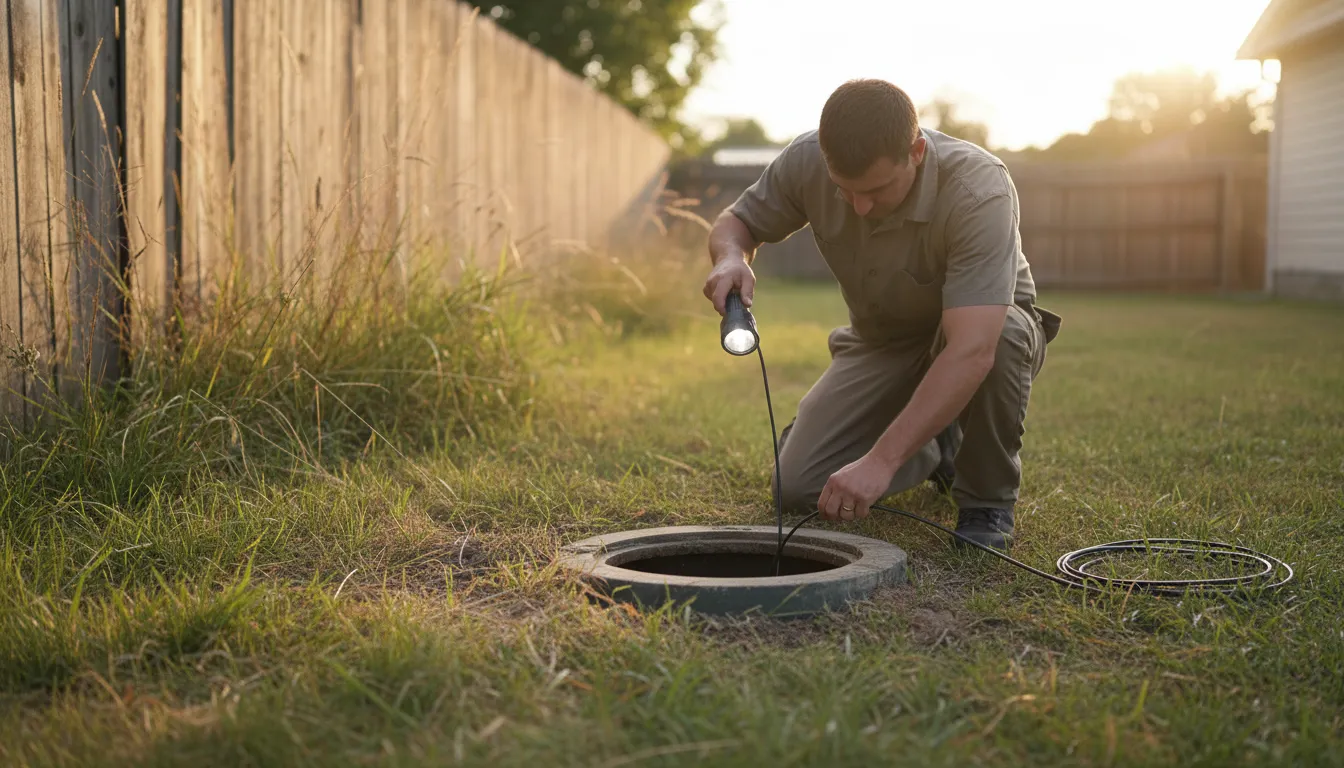
Find the Best Septic Tank Inspection Companies for Your Business
No obligation • Fast responses • Nationwide coverage

Why you can trust Septic Spot
Septic Spot is a leading United States resource for understanding and comparing septic services. Our editors review providers using consistent criteria and verify key business details. Listings and scores are independent, and companies cannot pay to influence our content.
Search providers near you
Top Septic Tank Inspection Companies in Southfield, Michigan Ranked
For homeowners in Southfield, a septic system is a private wastewater treatment plant on your property. Keeping it functioning properly is not just a matter of convenience; it's a critical responsibility for your family's health, your property's value, and environmental protection. A professional septic tank inspection is the most effective tool for assessing the condition of your entire system, from the tank to the drain field. This guide will help you understand the local requirements, what an inspection entails, and how to find qualified local professionals to ensure your system operates safely and efficiently.
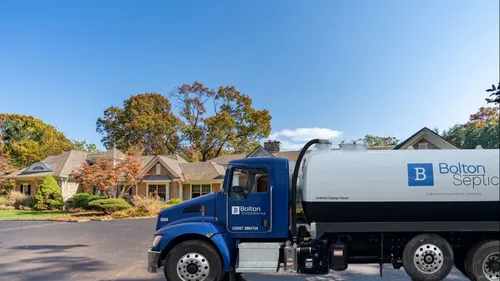
Bolton Septic
Ann Arbor, MI
Bolton Septic is a full-service septic company serving Ann Arbor, MI, and surrounding counties including Oakland, Livingston, Wayne, and Washtenaw. Established in 1967, Bolton Septic offers septic tank pumping, inspection, and maintenance for residential and commercial properties. They emphasize preventative maintenance to extend the life of septic systems and provide licensed professionals to inspect and evaluate tanks during service. Bolton Septic is part of the Bolton Environmental Family, combining over 200 years of experience to support a wide range of septic needs.

Home Inspection Professionals
22924 Gaukler St, St Clair Shores, MI 48080
Home Inspection Professionals is a certified septic tank inspection company based in Detroit, MI. They offer thorough inspections conducted by licensed builders and certified evaluators, including septic and well inspections. The team is trained and certified through recognized organizations such as the National Institute of Building Inspectors and the American Society of Home Inspectors. They also provide inspection services for commercial, new construction, and investment properties. All inspectors carry bonding, insurance, and Errors and Omissions coverage, which adds protection for real estate professionals involved in transactions.
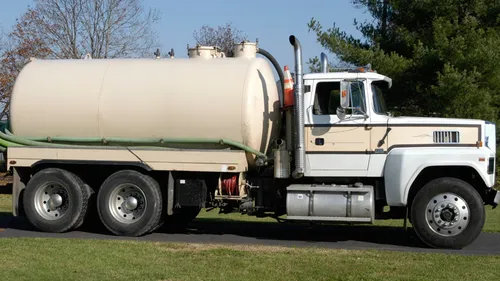
Howell Sanitary Co. II
Lansing, MI
Howell Sanitary Co. II provides a range of septic system services in Lansing, MI. Their offerings include septic tank pumping, inspections, repairs, and new installations. They also handle septic field repairs and replacements, with expertise in various field types such as conventional, elevated, dry wells, bed, and trench systems. Additional capabilities include septic tank riser installation, effluent filter cleaning, excavating, driveway grading, and land clearing.
Al Pearson & Son Septic Tank Cleaning
46885 Ford Rd, Canton Township, MI 48187
Al Pearson & Son Septic Tank Cleaning is a family-owned business serving Ann Arbor, MI, and the surrounding Southeast Michigan area. They offer a full range of septic services including tank pumping, cleaning, system repairs, new installations, soil evaluations, and excavation. With over 70 years of experience since 1953, the company is licensed and certified to handle advanced septic system work for both residential and commercial clients. They emphasize clear communication and honest recommendations to ensure septic systems operate reliably. Emergency septic services are also available with often same-day pumping.
Understanding Southfield's Septic System Regulations
In Southfield, septic systems are regulated by local code enforcement to protect public health and groundwater. The city has specific mandates that property owners must follow. Most notably, septic systems must be inspected every three years by a certified inspector approved by the City of Southfield. This regular check-up is a proactive measure to catch potential failures before they become environmental hazards or public nuisances.
The consequences of a failed inspection are significant. If a system is found to be failing, the homeowner is required to either connect to the city sewer system (if available) or undertake immediate repairs that comply with local and state guidelines. Maintaining detailed records of all inspections, pumping, and repairs is highly recommended, as these documents are crucial for property transfers and demonstrating compliance with local laws 1.
What Does a Comprehensive Septic Inspection Include?
A thorough septic system evaluation is more than just a quick look. A certified professional will conduct a multi-step process to assess the health of every component. Here's what you can typically expect during a professional septic inspection:
- Locating and Accessing the System: The inspector will first locate the tank and distribution box, then safely open the access covers.
- Pumping for Assessment: While not always mandatory for an inspection, pumping the tank is highly recommended during the process. This allows the inspector to clearly examine the tank's interior for structural integrity, cracks, and the condition of inlet/outlet baffles.
- Sludge and Scum Level Check: A key measurement is the sludge level at the bottom of the tank. As a rule, sludge should not occupy more than one-third of the tank's total volume. Excessive sludge can flow into the drain field and cause clogging and failure.
- Component Inspection: The inspector will check all mechanical and structural parts, including the baffles (which prevent solids from exiting the tank), tees, and the tank walls for signs of deterioration or damage 2.
- Drain Field Evaluation: This is a critical part of the inspection. The inspector will examine the drain field area for warning signs like soggy ground, surfacing sewage, or foul odors, which indicate that the field is not properly absorbing and filtering effluent 3.
- Distribution Box Check: If accessible, the distribution box (D-box) will be checked to ensure wastewater is being evenly distributed to all legs of the drain field.
The Critical Link Between Pumping and Inspection
While a visual inspection can reveal some issues, a true understanding of your tank's condition often requires it to be emptied. For this reason, many homeowners and inspectors choose to combine a routine pumping with the inspection. Pumping removes the accumulated solids (sludge and scum), allowing for a clear view of the tank's interior walls, floor, and baffles.
In Southfield and across Michigan, it is generally recommended that a standard septic tank be pumped every 3 to 5 years to maintain functionality and prevent system failure 4. The cost for this essential service typically ranges from $250 to $600, depending on the tank size (commonly 1,000 to 2,000 gallons in residential settings) 5. Scheduling your mandatory three-year inspection alongside a routine pumping can be a cost-effective and comprehensive approach to system maintenance.
Find the perfect septic tank inspection companies for your needs
Get personalized recommendations and expert advice
Costs Associated with Septic Inspections in Southfield
The price of a septic system inspection can vary based on the size of your system, its complexity, and whether pumping is included. For a standard inspection in the Southfield area, homeowners can expect costs to generally range from $100 to $1,000 6 7. A basic visual inspection will be on the lower end of this scale, while a full inspection that includes pumping and a detailed drain field assessment will be higher. It's important to view this not as an expense, but as an investment in preventing far more costly repairs or a mandatory sewer connection down the line.
Preparing Your Property for an Inspection
To ensure your inspection goes smoothly and the professional can perform a thorough job, a little preparation is helpful. Make sure the inspector has clear access to the tank lid, distribution box, and the entire drain field area. This may mean clearing away overgrown vegetation, lawn furniture, or stored items. It's also beneficial to have any existing records of your system, such as the "as-built" diagram showing the tank and field layout, previous inspection reports, or pumping receipts, available for the inspector to review 8.
Signs You Might Need an Inspection Sooner
Don't wait for your three-year deadline if you notice warning signs. Contact a certified septic inspector immediately if you experience:
- Slow drains or gurgling pipes throughout your home.
- Sewage odors in your yard or near the tank/drain field.
- Unusually lush or soggy grass over the drain field, especially when the rest of the yard is dry.
- Standing water or surfacing sewage in your yard.
- Backups in your home's plumbing fixtures.
Addressing these issues promptly after a professional diagnosis can often prevent a complete system failure.
Choosing a Certified Septic Inspector in Southfield
Your septic inspection is only as good as the inspector performing it. Always verify that the professional you hire is certified and approved by the City of Southfield Code Enforcement 9. You can ask for proof of certification and check for positive reviews or references from other local homeowners. A reputable inspector will be happy to explain their process, what their inspection includes, and provide a detailed report of their findings.
Frequently asked questions
Sources
Footnotes
-
Septic System Inspections: When and Why - https://yoderbrotherslawnandsnow.com/septic-system-inspections-when-and-why/ ↩
-
Sewage Systems | CMDHD - https://www.cmdhd.org/septicsystems ↩
-
Septic System Inspections - InterNACHI - https://www.nachi.org/inspecting-septic-systems.htm ↩
-
How Often Should You Pump Your Septic Tank: 3 Factors Solved - https://www.frasiers.com/blog/sewage-tank-pump-frequency/ ↩
-
Septic System Cost Estimate: A Complete Breakdown - Land Perc - https://landperc.com/septic-system-cost-estimate/ ↩
-
Engineered Septic Systems in Michigan: Costs, Maintenance ... - https://www.michiganseptic.com/post/engineered-septic-systems-in-michigan-costs-maintenance-a-2026-guide ↩
-
Exploring the Costs of Septic Tank Inspections: What to Expect - https://www.theflushfellas.com/exploring-the-costs-of-septic-tank-inspections-what-to-expect ↩
-
Preparing for Septic Tank Inspection: 7 Key Steps | Septic System Professionals - https://septic911.com/preparing-for-septic-tank-inspection/ ↩
-
Sewer & Septic Systems | City of Southfield - https://www.cityofsouthfield.com/departments/code-enforcement/sewer-septic-systems ↩