Find the Best Septic Tank Inspection Companies for Your Business
No obligation • Fast responses • Nationwide coverage

Why you can trust Septic Spot
Septic Spot is a leading United States resource for understanding and comparing septic services. Our editors review providers using consistent criteria and verify key business details. Listings and scores are independent, and companies cannot pay to influence our content.
Search providers near you
Top Septic Tank Inspection Companies in Troy, Michigan Ranked
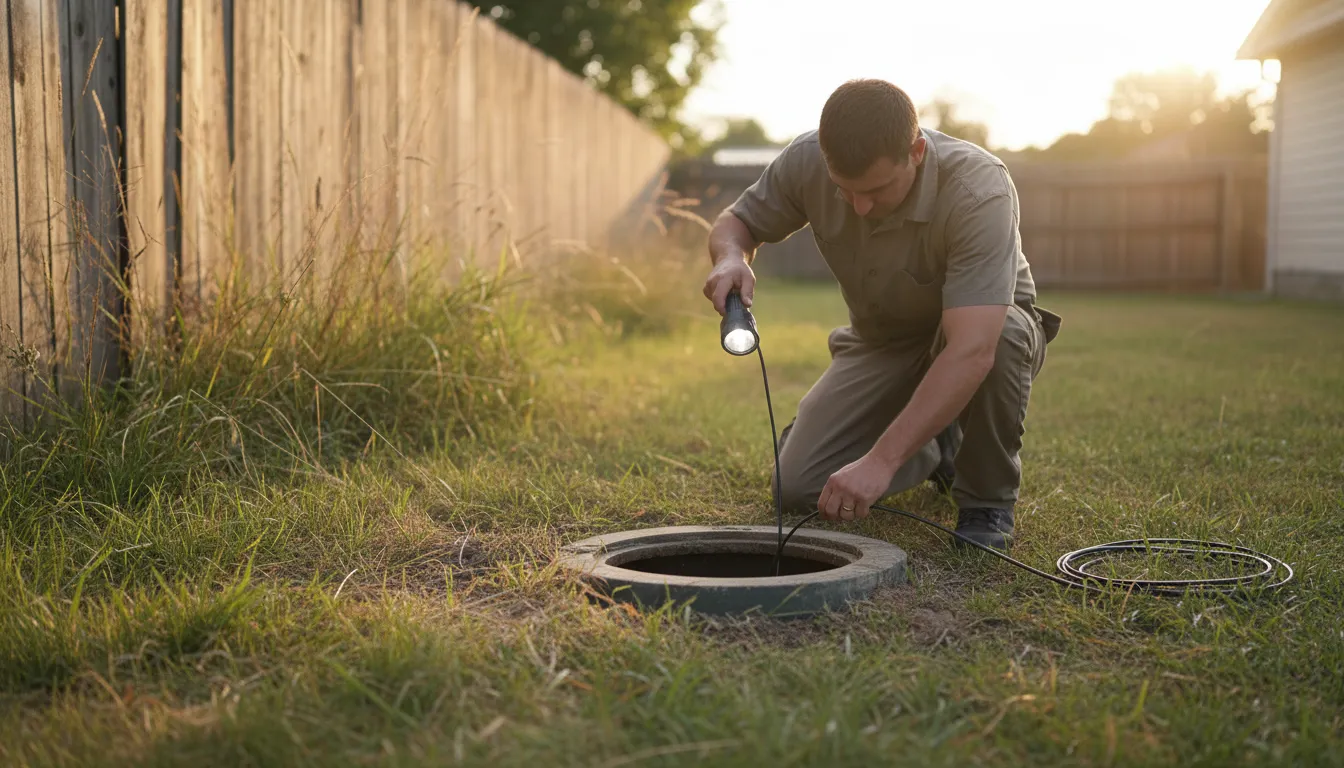
A septic system inspection is a professional assessment of your home's on-site wastewater treatment system. In Troy, these evaluations are crucial for protecting your property value, ensuring public health, and complying with local regulations. This guide explains what a septic inspection entails, why it's required, and how you can find qualified local professionals to perform this essential service.
Bolton Septic
Ann Arbor, MI
Bolton Septic is a full-service septic company serving Ann Arbor, MI, and surrounding counties including Oakland, Livingston, Wayne, and Washtenaw. Established in 1967, Bolton Septic offers septic tank pumping, inspection, and maintenance for residential and commercial properties. They emphasize preventative maintenance to extend the life of septic systems and provide licensed professionals to inspect and evaluate tanks during service. Bolton Septic is part of the Bolton Environmental Family, combining over 200 years of experience to support a wide range of septic needs.

Home Inspection Professionals
22924 Gaukler St, St Clair Shores, MI 48080
Home Inspection Professionals is a certified septic tank inspection company based in Detroit, MI. They offer thorough inspections conducted by licensed builders and certified evaluators, including septic and well inspections. The team is trained and certified through recognized organizations such as the National Institute of Building Inspectors and the American Society of Home Inspectors. They also provide inspection services for commercial, new construction, and investment properties. All inspectors carry bonding, insurance, and Errors and Omissions coverage, which adds protection for real estate professionals involved in transactions.
Howell Sanitary Co. II
Lansing, MI
Howell Sanitary Co. II provides a range of septic system services in Lansing, MI. Their offerings include septic tank pumping, inspections, repairs, and new installations. They also handle septic field repairs and replacements, with expertise in various field types such as conventional, elevated, dry wells, bed, and trench systems. Additional capabilities include septic tank riser installation, effluent filter cleaning, excavating, driveway grading, and land clearing.
Al Pearson & Son Septic Tank Cleaning
46885 Ford Rd, Canton Township, MI 48187
Al Pearson & Son Septic Tank Cleaning is a family-owned business serving Ann Arbor, MI, and the surrounding Southeast Michigan area. They offer a full range of septic services including tank pumping, cleaning, system repairs, new installations, soil evaluations, and excavation. With over 70 years of experience since 1953, the company is licensed and certified to handle advanced septic system work for both residential and commercial clients. They emphasize clear communication and honest recommendations to ensure septic systems operate reliably. Emergency septic services are also available with often same-day pumping.
Understanding Septic System Inspections in Troy
A septic tank inspection, often called a system evaluation or assessment, is more than just a quick look. It's a detailed process to determine if your entire wastewater system-from the tank to the drainfield-is functioning properly and safely. For homeowners in Troy, these checks are not merely a good idea; they are often mandated by city ordinance. The primary goal is to prevent system failures that can lead to costly repairs, environmental contamination, and health hazards.
Michigan does not have a uniform statewide septic code, which places the responsibility for regulation on local health departments and municipalities. In Troy, specific rules govern how and when these inspections must occur. Being proactive about your system's health can save you thousands of dollars and significant hassle down the line.
Local Regulations and Inspection Triggers
Knowing when you need a septic inspection is the first step. In Troy, inspections are typically required in two key scenarios:
Fixed Interval Inspections: Troy City Code 19.01.09 mandates a "fixed interval inspection" of septic systems to evaluate their operation every four years 1. This regular schedule helps catch potential problems early, before they escalate into full-blown failures.
Time of Sale or Transfer (TOST): This is one of the most common reasons for a system evaluation. Before a home with a septic system can be sold in many Michigan jurisdictions, including areas served by the Oakland County Health Division, a "Time of Sale/Transfer" inspection is often required2. This protects the buyer by ensuring they are not inheriting a failing system and satisfies lender requirements.
What Does a Professional Inspector Check?
A comprehensive septic system assessment covers multiple components. A licensed inspector will typically follow a standardized process to evaluate the system's integrity and function.
Tank Accessibility and Condition: The inspector will first locate the tank, which may require digging if risers are not present. Regulations require the tank to have an outside opening at least 12 inches in diameter with a secure cover for inspection access3. The tank's structure is checked for cracks, leaks, or signs of deterioration.
Sludge and Scum Levels: This is a core part of the inspection. Using a tool called a "sludge judge," the inspector measures the depth of accumulated solids (sludge) at the bottom and floating scum at the top. A general rule is that the combined sludge and scum should not occupy more than one-third of the tank's total liquid volume. Excessive accumulation is a primary reason for system failure and indicates the need for pumping.
Baffle and Tee Inspection: The inlet and outlet baffles (or tees) are critical. They slow incoming wastewater, allowing solids to settle, and prevent floating scum from exiting the tank and clogging the drainfield4. The inspector will check that these components are intact and properly installed.
Liquid Level Check: The inspector measures the liquid level inside the tank. A level that is too high may indicate a blockage in the outlet pipe or a failing drainfield. A level that is too low could signal a leak in the tank itself5.
Find the perfect septic tank inspection companies for your needs
Get personalized recommendations and expert advice
Drainfield Assessment: The inspector will examine the soil absorption field (drainfield) for signs of failure. Key red flags include soggy, spongy soil; standing water or sewage effluent ponding on the surface; and unusually lush, green grass over the field area. These are indicators that the soil is saturated and can no longer properly treat the wastewater.
Component Inspection: The evaluation also includes checking any additional system parts, such as effluent filters, pumps (if present), distribution boxes, and the integrity of all lids and risers for safety6.
Inspection and Pumping Costs
Understanding the potential costs helps homeowners budget for this necessary maintenance. Pricing can vary based on the inspector, the complexity of your system, and how easy it is to access.
- Inspection Fee: A standard septic system inspection in the Troy area typically ranges from $200 to $500 or more 7. The higher end of the scale often applies if the tank lids are buried and require excavation to locate, or if the inspection is part of a real estate transaction and includes a more detailed report.
- Pumping Fee: If the inspection reveals that pumping is needed, that service is separate. Pumping a residential septic tank in Michigan generally costs between $300 and $600+8 9. It's important to note that pumping is usually recommended every 3 to 5 years for a typical household, depending on usage and tank size10 11.
Maintaining Your System Between Inspections
A passing inspection is great news, but maintaining your system's health is an ongoing responsibility. Here are key practices to extend your system's life and avoid problems:
- Pump Regularly: Don't wait for a problem. Schedule pumping every 3-4 years as a preventative measure.
- Conserve Water: Spread out laundry loads and fix leaky faucets. Overloading the system with too much water at once can push solids into the drainfield.
- Mind What You Flush: Only human waste and toilet paper should go down the drain. Avoid flushing wipes (even "flushable" ones), feminine hygiene products, cooking grease, and chemicals, which can clog or disrupt the bacterial balance in the tank.
- Protect the Drainfield: Never drive or park vehicles over the drainfield, and avoid planting trees or shrubs with deep roots nearby. Keep roof drains and sump pump discharges away from the area.
Signs Your System May Need Attention Before the Next Inspection
While regular inspections are scheduled, be alert for warning signs of a potential failure between check-ups12:
- Foul Odors: Persistent sewage smells indoors or around the yard, especially near the tank or drainfield.
- Slow Drains: Gurgling pipes, slow-draining sinks, tubs, or toilets.
- Sewage Backup: Wastewater backing up into household drains.
- Surface Issues: Soggy ground, standing water, or unusually bright green grass over the drainfield.
- Well Water Contamination: If you have a private well, test it regularly. A minimum separation of 50 feet is required between a septic system and a well, but contamination can still occur if a system fails13 14.
Frequently asked questions
Sources
Footnotes
-
Chapter 19 - City Sewer Service - Revize - https://cms6.revize.com/revize/citytroymi/Residents/Forms/Building%20Inspection/CH019.pdf ↩
-
Septic System Ordinances | Michigan Lakes and Streams ... - https://mymlsa.org/government-and-legal-issues/ordinances/septic-system-ordinances/ ↩
-
Mich. Admin. Code R. 325.423 - Minimum standards for septic tank privy or septic toilet | State Regulations | US Law - https://www.law.cornell.edu/regulations/michigan/Mich-Admin-Code-R-325-423 ↩
-
Septic System Inspections - InterNACHI - https://www.nachi.org/inspecting-septic-systems.htm ↩
-
How to Get Septic to Pass Inspection - https://www.guardianangelinspections.com/how-to-get-septic-to-pass-inspection ↩
-
What to Expect from a Septic Inspection - https://www.wrenvironmental.com/blog/2023/may/what-to-expect-from-a-septic-inspection/ ↩
-
what is septic inspection? | ProSpect Inspection Services - https://gopro-spect.com/what-is-a-septic-inspection/ ↩
-
SepticSmart - Mid-Michigan District Health Department - https://www.mmdhd.org/environmental-services/septic/septic-smart/ ↩
-
NC SEPTIC LAW - https://www.elitehomeinspectionsnc.com/nc-septic-law ↩
-
Residential Well & Septic | District Health Department #10 - https://www.dhd10.org/environmental-health/well-septic/residential/ ↩
-
Septic Systems: - Mid-Michigan District Health Department - https://www.mmdhd.org/wp-content/uploads/2018/09/Septic-Systems.pdf ↩
-
FAQ: Septic systems - https://www.michigan.gov/egle/faqs/drinking-water/septic-systems ↩
-
Essential Guide to Septic Tank Inspections - https://www.mybuilder.com/groundwork-foundations/articles/septic-tank-inspections ↩
-
2026 Guide to Septic Inspection in Georgia - https://dandhsepticservices.com/septic-inspection-in-georgia/ ↩