Find the Best Septic Tank Inspection Companies for Your Business
No obligation • Fast responses • Nationwide coverage

Why you can trust Septic Spot
Septic Spot is a leading United States resource for understanding and comparing septic services. Our editors review providers using consistent criteria and verify key business details. Listings and scores are independent, and companies cannot pay to influence our content.
Search providers near you
Top Septic Tank Inspection Companies in Blue Springs, Missouri Ranked
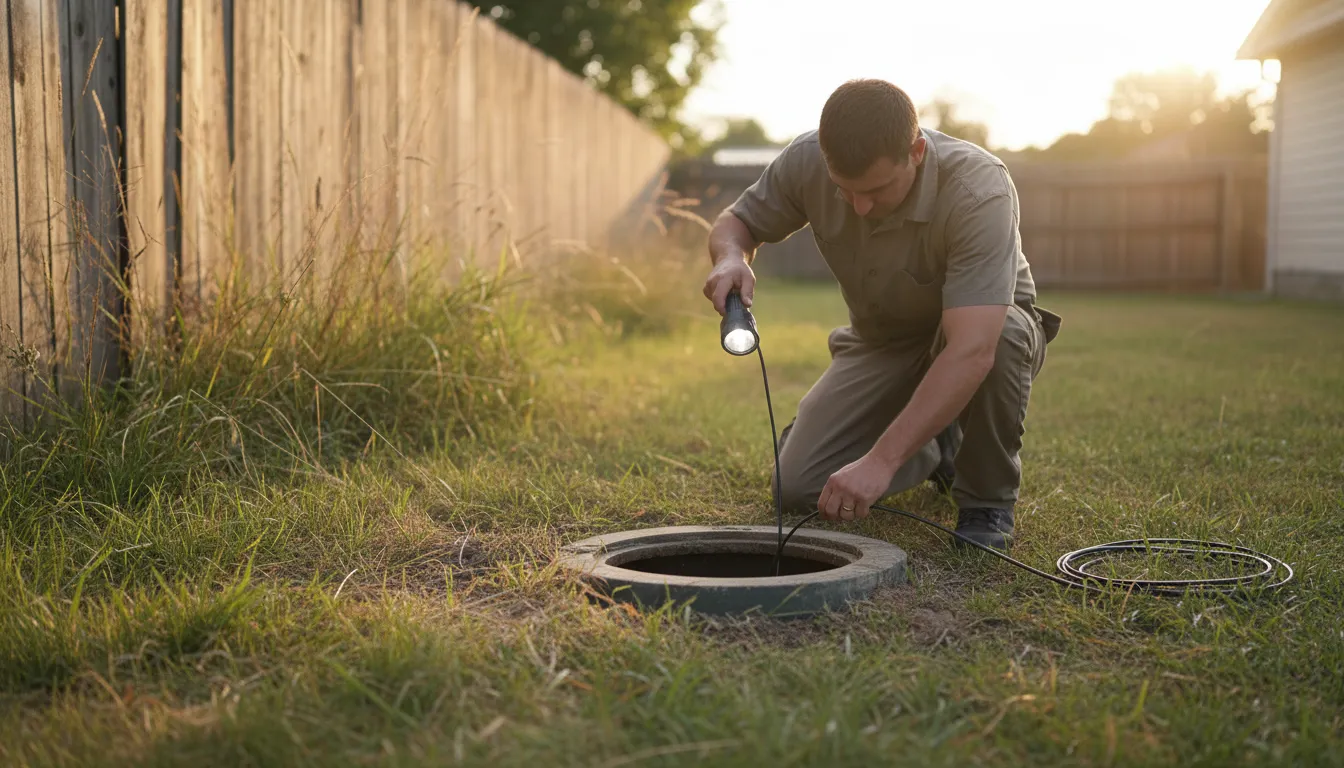
A septic tank inspection is a critical evaluation of your home's private wastewater treatment system, ensuring it is functioning safely and efficiently. For homeowners in Blue Springs, these assessments are vital for protecting your property value, safeguarding local groundwater, and complying with Jackson County and Missouri state health regulations. This guide will help you understand the inspection process, local requirements, and how to connect with qualified professionals in the Blue Springs area to maintain your system's health.
Honey-Wagon Septic And Grease
19546 Metcalf Ave c, Stilwell, KS 66085
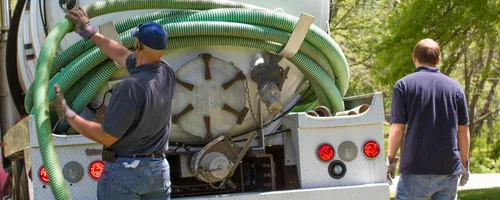
Honey-Wagon Septic And Grease is a family-owned company based near Kansas City, MO, specializing in septic tank pumping, grease trap cleaning, and septic system repairs. With nearly 40 years of experience, they serve both residential and commercial customers across Miami, Wyandotte, and Johnson counties in Kansas, as well as Jackson and Cass counties in Missouri. Their certified septic inspectors are available five days a week to assist with inspections and maintenance. The company is fully licensed, bonded, and insured, offering services such as septic tank pumping, holding tank pumping, septic system repairs, and installation of septic risers.

Zoom Drain KC
5600 N Antioch Rd Suite 106, Kansas City, MO 64119
Zoom Drain KC is a drain and sewer service company located in Kansas City, MO. They specialize in residential and commercial drain cleaning, sewer repairs, septic tank pumping, and inspections. The company uses advanced equipment such as video inspection tools and high-pressure jetting to diagnose and clear blockages efficiently. With decades of experience, Zoom Drain KC offers tailored maintenance plans and complies with local plumbing regulations to ensure safe and effective service. They also provide 24/7 emergency drain and rooter services for urgent plumbing needs.
Rose Septic Tank Cleaning Inc
9217 S Litchford Rd, Grain Valley, MO 64029
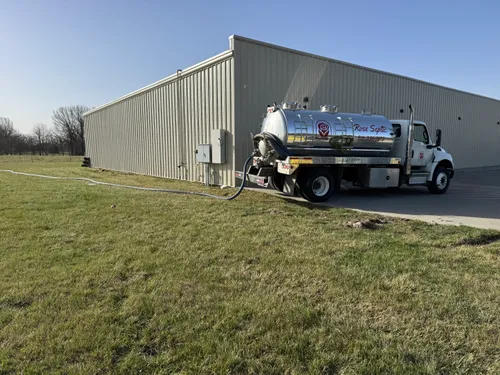
Rose Septic Tank Cleaning Inc is a family-owned business serving Kansas City, MO, with septic tank pumping and inspection services. Established in 1950, the company offers comprehensive septic system care including locating tanks, real estate septic inspections, riser and lid installations, and routine pumping to maintain system health. Their licensed professionals use advanced equipment to ensure accurate service and help clients understand their septic systems. Rose Septic Tank Cleaning Inc emphasizes eco-friendly practices and provides emergency services to prevent costly backups and protect property value.
Dump N Pump Septic LLC
Kansas City, MO
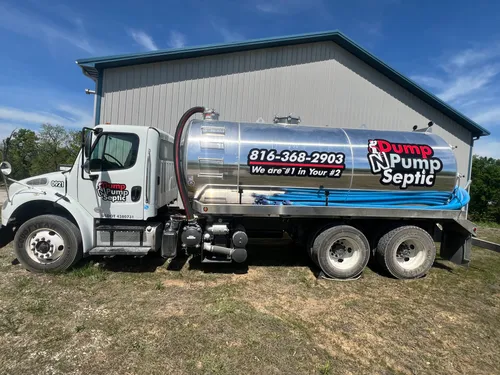
Dump N Pump Septic LLC is a veteran-owned septic tank pumping and inspection company serving Kansas City, MO, and the surrounding 50-mile radius around Lawson, Missouri. They provide septic tank pumping, system inspections for real estate transactions, clog removal, and tank locating services using advanced equipment to minimize yard disruption. Emergency and after-hours services are available for urgent septic issues. The company emphasizes fair pricing with no hidden fees and respectful treatment of customers' properties.
Septic Kings
Kansas City, MO
Septic Kings is a family-owned septic tank service company based in Kansas City, MO. They offer comprehensive septic system maintenance, inspections, repairs, locating, and cleaning services. Their team uses advanced technology such as Wi-Fi pipe cameras to inspect and map septic systems, ensuring thorough diagnostics and effective repairs. Septic Kings serves a wide area including multiple cities in Missouri and Kansas. The company emphasizes clear communication, transparent quoting, and final system testing to confirm proper operation after service. They also provide ongoing maintenance advice tailored to local conditions.
Why Septic System Evaluations Are Essential in Blue Springs
Regular septic system inspections are not just a good idea-they are a cornerstone of responsible homeownership in areas without municipal sewer service. A failing system can lead to costly repairs, environmental contamination, and health hazards. In Blue Springs, properties rely on groundwater from the Missouri River alluvial aquifer, making proper wastewater treatment crucial for community health 1. Inspections help catch minor issues like a clogged baffle or high sludge levels before they escalate into a full system failure that could require a complete drain field replacement.
Local regulations strongly encourage, and often mandate, these checks. Jackson County and the Missouri Department of Health and Senior Services (DHSS) set the standards for onsite wastewater systems. While state law doesn't require annual inspections for all systems, they are commonly required during real estate transactions. Furthermore, adhering to a routine inspection schedule of every 1 to 3 years is the best way to ensure your system meets all operational requirements and avoids violations.
Understanding Local Regulations and Inspection Triggers
Navigating the rules for septic systems in Jackson County is key for any Blue Springs homeowner. Your system must comply with both county environmental health codes and Missouri DHSS standards. A critical regulation involves setbacks: your septic tank and drain field must be located at least 50 feet from any private well and 300 feet from a public water supply well.
Several specific events should trigger a professional septic tank evaluation:
- Property Sale: A thorough inspection is almost always a contingency in real estate transactions in Blue Springs. This protects the buyer and satisfies lender requirements.
- Routine Maintenance: The Missouri Department of Natural Resources and University of Extension experts recommend an inspection every 1-3 years, with pumping typically needed every 3-5 years. An inspection will determine if pumping is necessary.
- System Performance Issues: Signs like slow drains, gurgling pipes, sewage odors indoors or outdoors, or soggy bright green grass over the drain field are urgent calls for an inspection.
- Before Major Additions: Planning to add a bedroom or a garbage disposal? These increase wastewater load and require verifying your current system's capacity.
The Step-by-Step Septic Inspection Process
A comprehensive septic system assessment by a qualified professional involves much more than just looking at the tank. Here's what you can expect during a standard evaluation in Blue Springs.
1. Locating and Accessing the System
The inspector will first locate your tank and drain field, often referring to "as-built" drawings filed with the county. If access ports (lids) are buried, they will need to be excavated. Homes with installed risers (conduits that bring the lids to ground level) make this process faster and less expensive.
2. Tank Inspection and Solids Measurement
This is the core of the inspection. The inspector will:
- Open the access ports to visually inspect the interior.
- Check inlet and outlet baffles for damage, blockages, or deterioration. These components are crucial for preventing scum and sludge from exiting into the drain field.
- Measure scum and sludge layers. Using specialized tools, they will measure the depth of the floating scum layer and the settled sludge layer at the bottom of the tank. This determines if pumping is needed. According to University of Missouri Extension guidelines, pumping is recommended if the sludge is within 12 inches of the outlet baffle or if the combined depth of scum and sludge exceeds half the liquid depth of the tank 2.
- Inspect tank integrity, looking for cracks, signs of leakage, or structural damage.
- Evaluate the effluent filter (if present), cleaning it if necessary 3 4.
3. Drain Field and Overall System Assessment
The inspector will also evaluate components outside the tank:
- Drain Field Evaluation: They will check for any surfacing sewage, wet spots, or overly lush vegetation indicating a failure.
- Distribution Box Check: If accessible, the distribution box (D-box) that sends liquid to the drain field lines will be inspected for levelness and proper flow.
- Overall Function: The inspector will assess the system's age, design, and overall condition to provide a prognosis for its future service life.
Find the perfect septic tank inspection companies for your needs
Get personalized recommendations and expert advice
What to Expect: Costs for Inspection and Pumping in Blue Springs
Understanding the potential costs helps homeowners budget for this essential maintenance. Prices can vary based on tank size, accessibility, and the scope of the inspection.
- Basic Visual Inspection: A standard inspection, which includes locating the system, opening the tank, measuring solids, and checking key components, typically ranges from $250 to $350 in the Blue Springs area 5.
- Inspection with Pumping: Many homeowners opt to combine the inspection with pumping if the sludge levels are high. A bundled service of inspection and pumping often costs between $350 and $450 or more, depending on tank size (e.g., 1,000-gallon vs. 1,500-gallon) 6 7.
- Pumping-Only Service: If you know you need a pump-out and don't require a full inspection, pumping alone typically costs several hundred dollars. The final price depends on labor, travel, and disposal fees.
- Note on Accessibility: If your tank lids are buried and lack risers, the inspector will need to excavate them. This additional labor can increase the inspection cost 8 9.
Maintaining Your System Between Inspections
A professional inspection every few years is essential, but day-to-day care extends your system's life. Follow these best practices:
- Conserve Water: Fix leaks and spread out laundry loads to avoid overwhelming the drain field.
- Mind What You Flush: Only flush human waste and toilet paper. Never flush wipes (even "flushable" ones), feminine hygiene products, diapers, or cooking grease.
- Use Septic-Safe Cleaners: Harsh chemicals can kill the beneficial bacteria in your tank that break down waste.
- Protect the Drain Field: Never park vehicles or build structures over it. Divect downspouts and surface water away from the area.
- Keep Records: Maintain a log of all inspections, pumpings, repairs, and the location of your system components.
Choosing a Qualified Septic Inspection Professional
When selecting a provider for your septic system evaluation in Blue Springs, due diligence is important. Look for a licensed installer or inspector certified by the Missouri Department of Health and Senior Services. They should be familiar with Jackson County's specific regulations and permitting process, which is required for any system repairs or installations 10. Ask for references, proof of insurance, and a detailed report that includes findings, measurements (like sludge/scum depths), and clear recommendations. A reputable inspector will provide an unbiased assessment to help you make informed decisions about your property's wastewater system.
Frequently asked questions
Sources
Footnotes
-
Resources | Onsite Wastewater Treatment | Health & Senior Services - https://health.mo.gov/living/environment/onsite/resources.php ↩
-
Septic Tank/Absorption Field Systems: A Homeowner's Guide to ... - https://extension.missouri.edu/publications/eq401 ↩
-
No-discharge Operation and Maintenance Manual Checklist - https://dnr.mo.gov/print/document-search/pub2704 ↩
-
Understanding Septic Tank Inspections: A Complete Homeowner's ... - https://septic-masters.com/septic-tank-inspection-homeowner-guide/ ↩
-
What Homeowners Should Know About Septic Systems - https://www.mohomeinspectors.com/septic-systems ↩
-
Frequent Questions on Septic Systems | US EPA - https://www.epa.gov/septic/frequent-questions-septic-systems ↩
-
How Much Does A Well And Septic Inspection Cost In Missouri? - https://arc-homeinspections.com/well-septic-inspection-cost/ ↩
-
Septic System Inspections - InterNACHI® - https://www.nachi.org/inspecting-septic-systems.htm ↩
-
How Septic Inspections Are Performed in NJ | Sewer Kings - https://thesewerkings.com/blog/septic-system-inspections/ ↩
-
Article II: Private Sewage Disposal Systems - eCode360 - https://ecode360.com/28254102 ↩