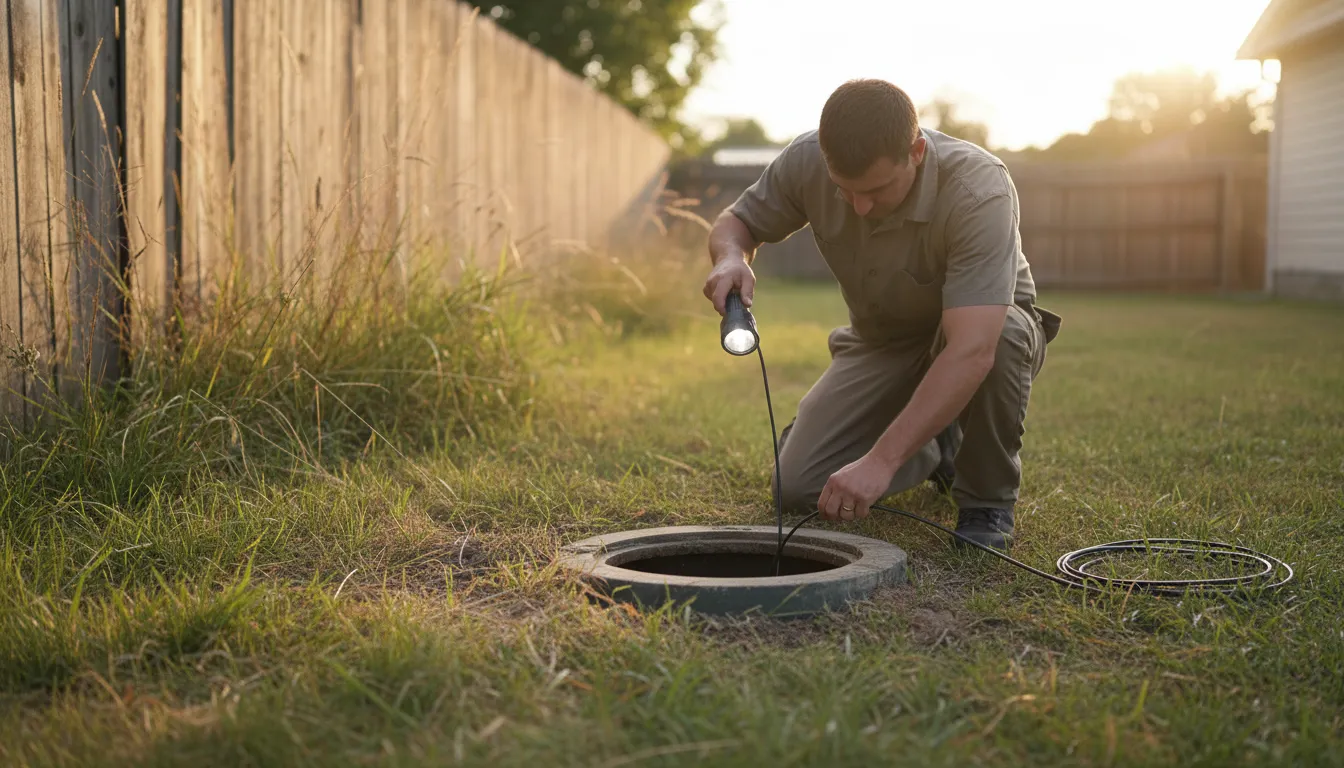
Find the Best Septic Tank Inspection Companies for Your Business
No obligation • Fast responses • Nationwide coverage

Why you can trust Septic Spot
Septic Spot is a leading United States resource for understanding and comparing septic services. Our editors review providers using consistent criteria and verify key business details. Listings and scores are independent, and companies cannot pay to influence our content.
Search providers near you
Best Septic Tank Inspection Companies in Nebraska Ranked
A septic system inspection is a critical evaluation of your onsite wastewater treatment system's condition and functionality. In Nebraska, where many homes rely on these private systems, regular checks are essential for protecting your property value, your family's health, and the state's groundwater. This guide provides the information you need to understand Nebraska's specific regulations, find a certified local professional, and ensure your system operates safely and efficiently for years to come.

Nebraska Septic
Lincoln, NE
Nebraska Septic is a septic tank inspection, repair, and installation company based in Lincoln, NE. The business is led by Steven Lewis, a master installer and inspector for wastewater treatment systems in Nebraska. Nebraska Septic handles septic emergencies and offers thorough assessments to help customers determine the best course of action. The company provides 24/7 emergency service to address urgent septic issues promptly.

Norm's Pumping Service Inc
20418 Husker Ln, Council Bluffs, IA 51503
Norm's Pumping Service Inc provides septic system services including pumping, inspections, repairs, and installations in Omaha, NE. With over 70 years of experience since 1954, they serve both residential and commercial clients. Their capabilities include septic pump repairs and certified septic tank inspections, as well as grease trap maintenance to prevent sewer line clogs. Norm's offers emergency and routine septic pumping to help maintain system performance.
Lincoln Demolition & Excavation
900 N 162nd St, Lincoln, NE 68527
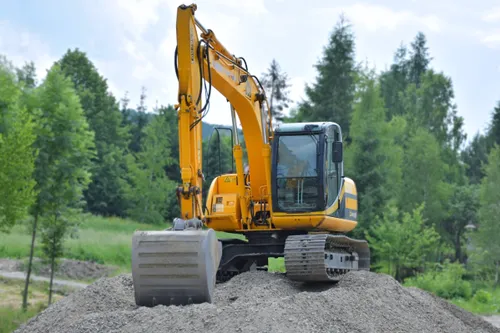
Lincoln Demolition & Excavation is a locally owned company based in Lincoln, NE, specializing in septic tank installation, repair, inspection, and maintenance. They also provide drainage solutions such as French drains and drain tiles to address water issues. The company is a State of Nebraska Certified Master Installer and serves both commercial and residential clients across Lincoln and surrounding areas. Their services include excavation, demolition, concrete work, grading, and water and sewer repair, with a focus on solving leaks, breaks, and backups efficiently.
Midland Pumping Service
Omaha, NE
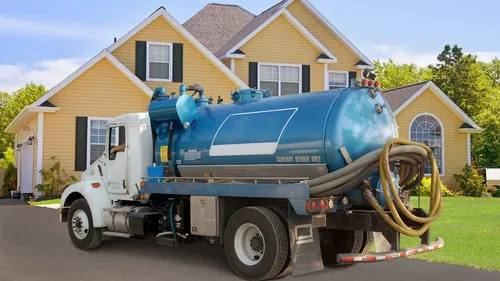
Midland Pumping Service is a septic tank pumping and inspection company based in Omaha, NE. With over 25 years of experience, they provide a variety of services including grease trap maintenance, septic tank inspections, pumping for residential and commercial properties, and hydro jetting to clear clogs and blockages. The company serves multiple areas in Douglas and Sarpy counties as well as Pottawattamie County, Iowa. Midland Pumping Service also offers 24/7 emergency services to address urgent septic and pumping needs.
Allen Septic
240 W 3rd St, Douglas, NE 68344
Allen Septic is a septic service provider based in Lincoln, NE, offering a range of services including septic tank pumping, system repair, installation, and lagoon maintenance. They work with both residential and commercial clients to ensure septic systems meet specific property needs. The company uses modern technology such as sewer inspection cameras and electronic line locators to accurately locate and inspect septic systems. They also provide main line cleaning with professional-grade equipment to clear blockages and maintain system flow. Allen Septic offers 24/7 emergency services to address urgent septic issues promptly.
Why Septic System Inspections Are Crucial in Nebraska
Nebraska's landscape and reliance on groundwater make proper septic system maintenance a statewide priority. A failing system can contaminate wells, streams, and lakes, posing serious public health risks and leading to costly environmental cleanup. For homeowners, an undetected problem can result in sewage backups, soggy drainfields, and repair bills reaching tens of thousands of dollars. A professional inspection acts as a preventative health check, identifying minor issues before they become major failures. It is also a standard requirement during real estate transactions to protect both buyers and sellers.
Nebraska's Regulatory Framework: The NDEE
The Nebraska Department of Environment and Energy (NDEE) oversees all onsite wastewater treatment systems (OWTS) in the state under Title 124 regulations. A key rule is that only NDEE-certified professionals are legally permitted to inspect, pump, repair, or install septic systems in Nebraska 1. This certification ensures the individual has the necessary training to evaluate your system according to state standards and file any required paperwork.
Any new construction or modification of a system must be registered with the NDEE, accompanied by a $140 registration fee 2. It's important to submit this registration on time, as late fees can range from $150 to $450 2. These regulations are designed to ensure every system is built and maintained to protect Nebraska's water resources.
What a Professional Inspection Involves
A comprehensive septic system evaluation by a certified professional goes beyond just checking the tank. A thorough inspection will include:
- Locating & Accessing All Components: The inspector will locate the tank, distribution box, and drainfield. Nebraska law requires that tanks have inspection pipes (at least 6 inches in diameter) over both the inlet and outlet baffles, extending to or above the ground surface for proper access 3.
- Tank Integrity & Sludge Levels: The inspector will open the tank to assess its structural condition, check the inlet and outlet baffles for damage or blockage, and measure the levels of scum and sludge. This determines if the tank needs immediate pumping.
- Drainfield Evaluation: The inspector will examine the soil over the drainfield for signs of surfacing effluent, such as overly lush grass, soggy areas, or odors. They may also use probes to check for saturation.
- System Function Check: This involves running water in the house to check for backups and ensuring the distribution box (if present) is functioning correctly to evenly disperse liquid to the drainfield.
- Reporting: You will receive a detailed report outlining the system's condition, any issues found, and recommended actions or maintenance schedules.
For real estate transactions, a voluntary inspection can be conducted to provide a clear evaluation of the system's condition for all parties involved 4.
Recommended Inspection and Pumping Frequency
Following a regular maintenance schedule is the most cost-effective way to manage your septic system. The U.S. Environmental Protection Agency (EPA) and Nebraska guidelines align on a standard recommendation: inspect your conventional septic system at least every three years 5.
Pumping frequency is based on the inspection findings but typically follows a similar 3-to-5-year cycle, depending on tank size and household usage. A family of six will need to pump more often than a family of two. Your inspector will provide a personalized recommendation after gauging your tank's sludge accumulation.
Find the perfect septic tank inspection companies for your needs
Get personalized recommendations and expert advice
Understanding Inspection Costs in Nebraska
The cost of a septic inspection in Nebraska varies based on the system's complexity and the inspection's purpose.
- Routine Maintenance Inspection: For a standard check-up, homeowners can expect to pay between $200 and $900, with an average cost around $550. This typically covers the visual assessment, sludge level measurement, and a basic report.
- Real Estate or Loan Inspection: More detailed inspections required for property transfers or home loans are more comprehensive and therefore more expensive, sometimes costing $1,300 or more 6. The NDEE notes a specific $100 fee for the "Well and Septic Evaluation" often required for loan applications 7.
- Pumping Costs: If pumping is needed, it is usually a separate service charge added to the inspection fee. The total will depend on tank size and accessibility.
Always request a detailed quote from your certified professional before work begins.
Key Nebraska Requirements for System Owners
Nebraska law includes several important specifications that inspectors will verify:
- Setback Distances: Septic systems must be installed with minimum setbacks from water sources: at least 100 feet from private wells and surface water, and 1,000 feet from public water supply wells 8.
- Tank Specifications: Tanks larger than 3,000 gallons must be divided into two or more compartments.
- Soil and Site Evaluation: New installations require a percolation (perc) test and site evaluation by a certified professional to ensure the soil can properly treat wastewater before it reaches groundwater 9.
Maintaining Your System Between Inspections
Your role in system care is vital. Good practices include:
- Conserving water and spreading out laundry loads.
- Avoiding pouring fats, oils, grease, or harsh chemicals down drains.
- Never flushing anything besides human waste and toilet paper.
- Keeping vehicles and heavy equipment off the drainfield area.
- Diverting roof drains and surface water away from the system.
Finding a Certified Nebraska Inspector
The most important step is to verify a provider's certification. You can ask for their NDEE certification number or contact the NDEE directly to confirm their status. Look for professionals with experience with your specific system type (conventional, mound, aerobic treatment unit, etc.) and positive reviews from local homeowners.
Frequently asked questions
Sources
Footnotes
-
Just for Homeowners | DWEE NE - https://dee.nebraska.gov/water/surface-water/wastewater/just-homeowners ↩
-
Onsite Wastewater Fees, Certifications, & Permits | DWEE NE - https://dee.nebraska.gov/water-quality/wastewater/onsite-wastewater-program/professional-certification/onsite-wastewater-fees-certifications-permits ↩ ↩2
-
Septic and Holding Tanks Fact Sheet A septic tank or holding ... - https://dee.nebraska.gov/sites/default/files/publications/12-036%20Septic%20and%20Holding%20Tank%20Fact%20Sheet.pdf ↩
-
62-6 Standards for Onsite Sewage Treatment and Disposal ... - https://projects.nsbufl.com/wp-content/uploads/2025/10/62-6-Standards-for-Onsite-Sewage-Treatment-and-Disposal-Systems.pdf ↩
-
How to Care for Your Septic System | US EPA - https://www.epa.gov/septic/how-care-your-septic-system ↩
-
How Much Does a Septic Inspection Cost? [2026 Data] - Angie's List - https://www.angi.com/articles/septic-inspection-cost.htm ↩
-
WAT294 - Well and Septic Application - https://dee.nebraska.gov/sites/default/files/publications/WAT294-1%20-%20Well%20and%20Septic%20Application.pdf ↩
-
All About DWEE: Onsite Septic Systems - https://dee.nebraska.gov/news-events/press-releases/all-about-dwee-onsite-septic-systems ↩
-
June 2016 - Nebraska.gov - https://dee.nebraska.gov/sites/default/files/publications/2016June.pdf ↩