Find the Best Septic Tank Inspection Companies for Your Business
No obligation • Fast responses • Nationwide coverage

Why you can trust Septic Spot
Septic Spot is a leading United States resource for understanding and comparing septic services. Our editors review providers using consistent criteria and verify key business details. Listings and scores are independent, and companies cannot pay to influence our content.
Search providers near you
Top Septic Tank Inspection Companies in Omaha, Nebraska Ranked
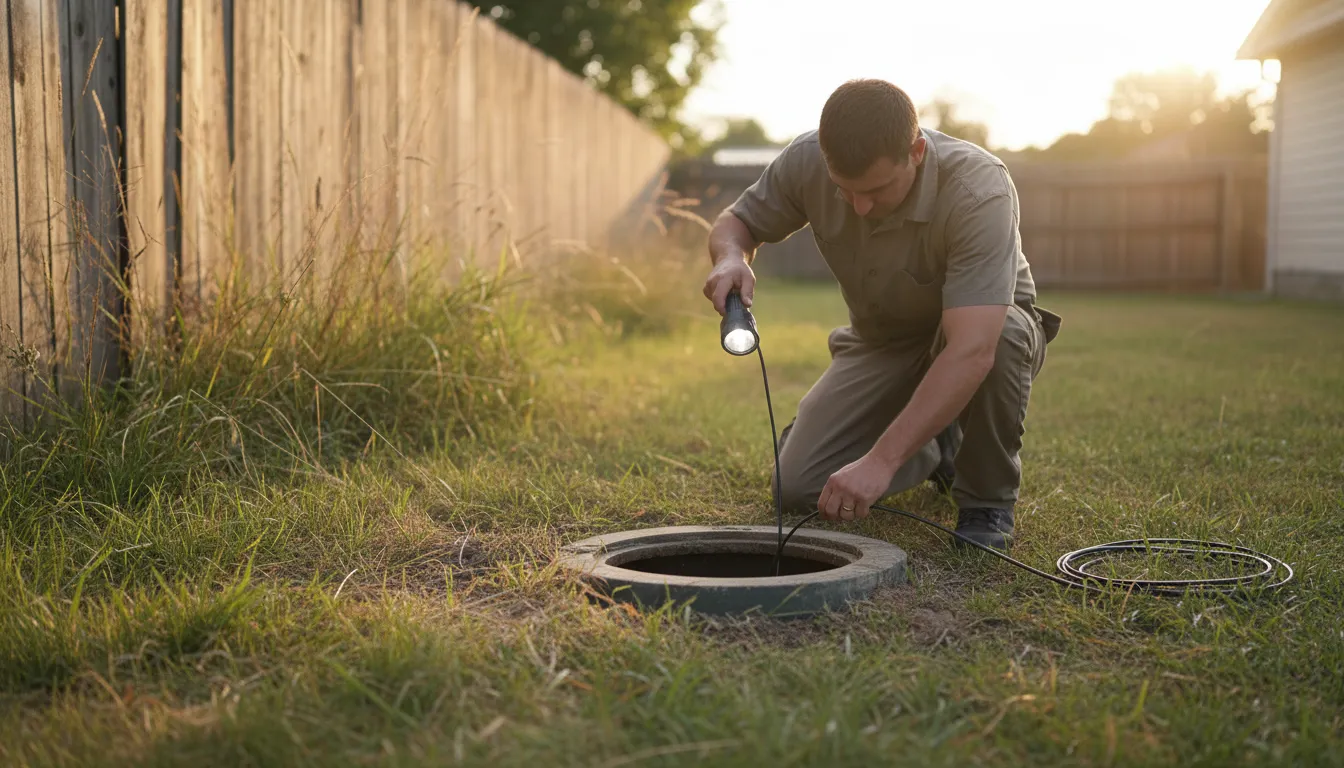
A septic tank inspection is a critical evaluation of your onsite wastewater system's health and functionality, conducted by a certified professional. This process is essential for protecting your property value, ensuring public and environmental health, and preventing costly system failures. For Omaha homeowners, finding a qualified local specialist to perform this vital assessment is the first step in responsible system stewardship.

Norm's Pumping Service Inc
20418 Husker Ln, Council Bluffs, IA 51503
Norm's Pumping Service Inc provides septic system services including pumping, inspections, repairs, and installations in Omaha, NE. With over 70 years of experience since 1954, they serve both residential and commercial clients. Their capabilities include septic pump repairs and certified septic tank inspections, as well as grease trap maintenance to prevent sewer line clogs. Norm's offers emergency and routine septic pumping to help maintain system performance.
Midland Pumping Service
Omaha, NE
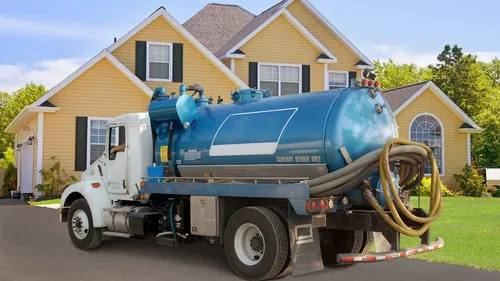
Midland Pumping Service is a septic tank pumping and inspection company based in Omaha, NE. With over 25 years of experience, they provide a variety of services including grease trap maintenance, septic tank inspections, pumping for residential and commercial properties, and hydro jetting to clear clogs and blockages. The company serves multiple areas in Douglas and Sarpy counties as well as Pottawattamie County, Iowa. Midland Pumping Service also offers 24/7 emergency services to address urgent septic and pumping needs.
Sewer Specialist LLC
Omaha, NE
Sewer Specialist LLC is a veteran-owned company providing septic tank pumping, inspection, and sewer services in Omaha, NE, and the surrounding areas including Council Bluffs and nearby towns. They offer a range of services such as drain cleaning, pipe lining, sewer line repair, and water line replacement. Their team uses advanced technology to diagnose and fix sewer and septic issues efficiently. The company is licensed and insured, offers 24/7 emergency service, and provides military and veteran discounts.
Understanding Septic System Inspections
A septic system evaluation is far more than just "checking the tank." It's a comprehensive review of the entire wastewater treatment process on your property, from the point where household water leaves your pipes to where it is safely filtered back into the ground. In Omaha and Douglas County, these systems are governed by Nebraska Department of Environment and Energy (NDEE) Title 124 regulations, which set the standards for installation, maintenance, and inspection. A proper inspection verifies compliance with these rules and identifies any issues that could lead to system failure, groundwater contamination, or property damage.
Why Regular Inspections Are Non-Negotiable in Omaha
Nebraska state and local guidelines strongly recommend-and often legally require-that septic systems be inspected by a certified professional every 2-3 years 1. This isn't an arbitrary schedule. Regular check-ups are designed to catch problems early, such as a sludge layer approaching the critical 12-inch mark from the outlet baffle, which triggers a mandatory pumping 2 3. Proactive maintenance is always less expensive than emergency repairs or a full system replacement, which can cost tens of thousands of dollars. Furthermore, a failing system poses serious health risks and can pollute local waterways, making regular inspections a key part of environmental stewardship in our community 4.
What a Certified Inspector Looks For
A thorough septic tank assessment in Omaha follows a detailed, step-by-step process to evaluate every component. Here's what you can expect during a professional evaluation:
- Tank Access and Integrity: The inspector will locate and open the tank manhole or risers. Nebraska law requires tanks to have inspection pipes (at least 6 inches in diameter) over both the inlet and outlet devices for this purpose. They will check the tank structure for cracks, corrosion, and leaks.
- Baffle and Tee Inspection: The inlet and outlet baffles (or tees) are critical for preventing scum from clogging the drain field. The inspector ensures they are intact and properly positioned.
- Scum and Sludge Measurement: This is a core part of the inspection. The inspector measures the depth of the floating scum layer and the settled sludge layer at the bottom of the tank. A tank must be pumped if the scum is within 3 inches of the outlet baffle or if the sludge is within 12 inches of it.
- Distribution Box Check: If accessible, the distribution box (D-box) is examined to ensure it is level and distributing wastewater evenly to all lines in the drain field. Blockages or tilting here can cause field failure.
- Drain Field Evaluation: The inspector surveys the leach field area for tell-tale signs of failure, such as pooling water, foul odors, or unusually lush and green grass, which indicate surfacing effluent 5.
- Flow Test: In some inspections, a flow test may be performed to see how quickly the system accepts water, helping to diagnose drain field absorption issues.
Find the perfect septic tank inspection companies for your needs
Get personalized recommendations and expert advice
The Cost of Septic Inspections in Omaha
Investing in a septic system inspection is a minor cost compared to the expense of a failed system. Pricing in the Omaha area typically varies based on the scope of the inspection and the system's complexity.
- Basic Inspection: A standard inspection, which includes opening the tank and measuring sludge/scum levels, generally ranges from approximately $250 to $500 6.
- Combined Inspection and Pumping: Many homeowners opt for a combined service. A full inspection coupled with pumping a standard 1,000-1,500 gallon tank often costs between $500 and $800+ 7 8.
- Advanced Diagnostics: Additional services, like a camera inspection of inlet/outlet pipes or a more extensive drain field evaluation, will increase the overall cost.
It's important to get detailed quotes from certified providers, as the final price depends on tank size, accessibility, and the specific tests performed.
When to Schedule an Inspection Immediately
Don't wait for your routine 3-year check if you notice any of these red flags. These symptoms indicate your system needs professional attention right away:
- Slow Drains: Sinks, showers, or toilets that drain slowly, especially if multiple fixtures are affected.
- Sewage Backups: Wastewater or sewage backing up into household drains.
- Foul Odors: Unpleasant smells emanating from drains indoors or in the yard near the tank or drain field.
- Surface Issues: Soggy ground, standing water, or patches of abnormally green grass over the drain field area.
Choosing a Certified Professional
In Nebraska, only state-certified pumpers or inspectors are legally authorized to inspect, pump, and repair septic systems 9. This certification ensures the professional understands NDEE regulations and proper procedures. Always verify certification before hiring. This is especially crucial for inspections related to real estate transactions, as the city or county often requires official documentation filed by a certified pro 10 9.
Maintaining Your System Between Inspections
A professional evaluation is the cornerstone of maintenance, but homeowner habits between inspections are equally important. Avoid flushing anything besides human waste and toilet paper. Never pour grease, chemicals, or medications down the drain. Conserve water to avoid hydraulically overloading the system. Also, remember that no structures, patios, or driveways should be built over the tank or drain field, as this prevents access for pumping and inspection and can damage components.
Frequently asked questions
Sources
Footnotes
-
Residential Onsite Wastewater Treatment: Septic Tank and Drainfield Maintenance - https://extensionpublications.unl.edu/assets/html/g1424/build/g1424.htm ↩
-
Septic and Holding Tanks Fact Sheet A septic tank or holding ... - https://dee.nebraska.gov/sites/default/files/publications/12-036%20Septic%20and%20Holding%20Tank%20Fact%20Sheet.pdf ↩
-
Maintaining Your Septic System | UNL Water | Nebraska - https://water.unl.edu/article/wastewater/maintaining-your-septic-system/ ↩
-
Improperly functioning septic systems can cause pollution of surface water, groundwater and may also pose an immediate threat - https://dee.nebraska.gov/sites/default/files/publications/12-025%20Failing%20Onsite%20Wastewater%20Treatment%20System%20Fact%20Sheet.pdf ↩
-
Septic System Inspections & Maintenance in Omaha - https://omahasepticpros.com/septic-system-inspections-maintenance/ ↩
-
Is Your Pearland Septic Tank Full? | 3-Minute Test - https://accurateplumbingtx.com/pearland-septic-tank-full-inspection-test/ ↩
-
Septic Inspection in Omaha, Nebraska - Crown Pumping - https://crownpumping.com/septic-inspection-in-omaha-ne/ ↩
-
Omaha Septic Pros | Septic Tank Services and Pumping - https://omahasepticpros.com/ ↩
-
Onsite Wastewater Treatment Facilities: Just for Homeowners - https://dee.nebraska.gov/water/surface-water/wastewater/just-homeowners ↩ ↩2
-
Septic Tank Pumping Frequency in Omaha, NE - https://crownpumping.com/septic-tank-pumping-frequency-in-omaha-ne/ ↩