Find the Best Septic Tank Inspection Companies for Your Business
No obligation • Fast responses • Nationwide coverage

Why you can trust Septic Spot
Septic Spot is a leading United States resource for understanding and comparing septic services. Our editors review providers using consistent criteria and verify key business details. Listings and scores are independent, and companies cannot pay to influence our content.
Search providers near you
Top Septic Tank Inspection Companies in Manchester, New Hampshire Ranked
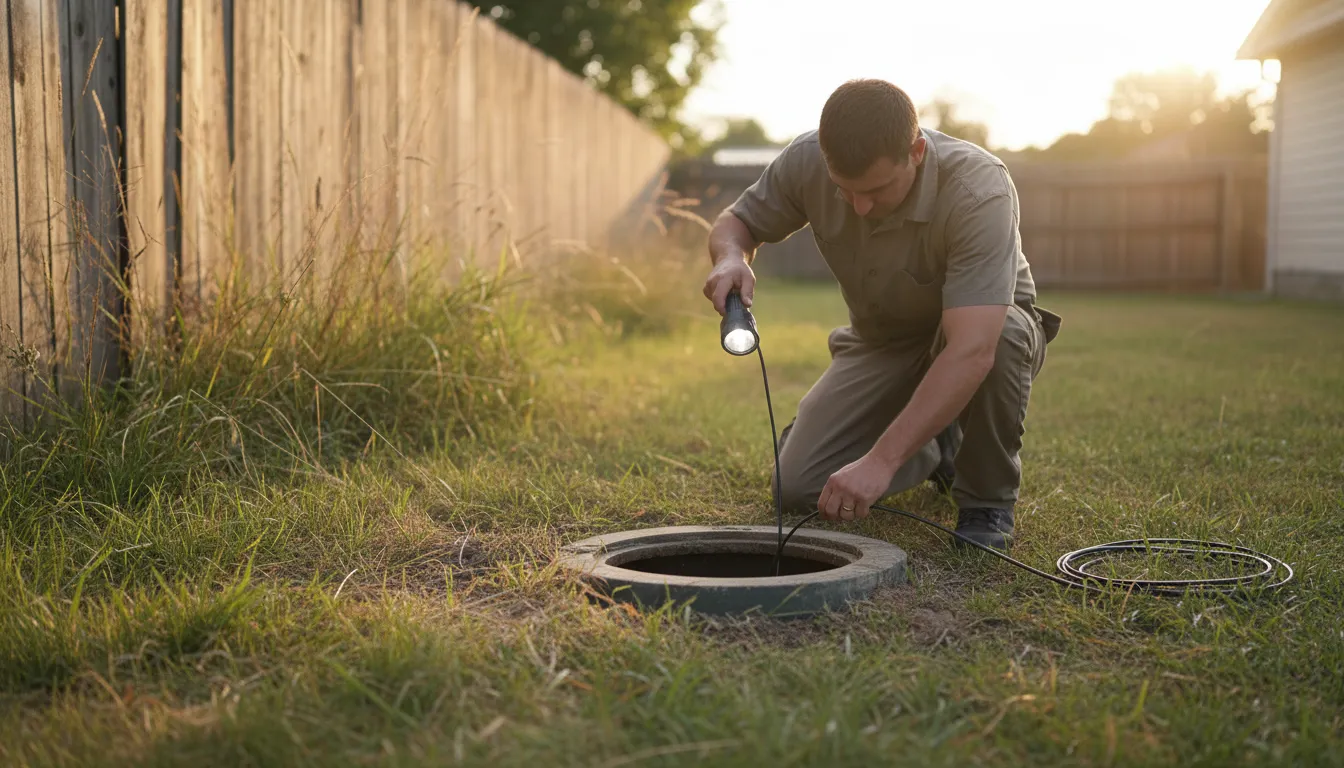
A septic system inspection is a vital evaluation of your home's private wastewater treatment system. In Manchester, where many homes rely on these systems, regular assessments are crucial for protecting your property value, ensuring public health, and preventing costly environmental damage. This guide explains what a septic inspection entails, why it's necessary, and how you can find qualified local professionals to perform this essential service for your home.
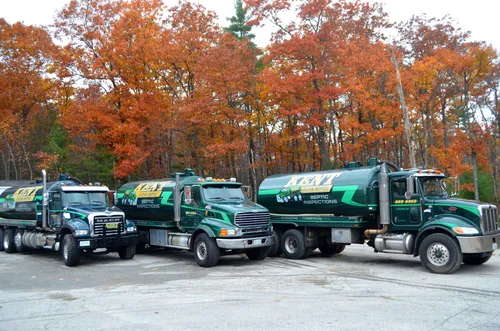
Kent Septic LLC
4 Crane Way # B, Hooksett, NH 03106
Kent Septic LLC is a septic tank pumping and inspection company serving Manchester, NH. They provide pump station installation and repair for private residences, housing complexes, and municipalities. Their services include septic inspections to help homeowners understand system conditions and maintenance tips. Kent Septic also offers jetting services to clean lines up to 300 feet and provides pumping services for homeowners and condo associations.
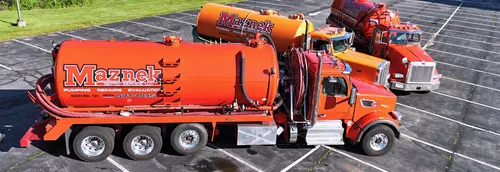
Maznek Septic Services LLC
41 Wendover Way, Bedford, NH 03110
Maznek Septic Services LLC provides comprehensive septic system services in Manchester, NH, and surrounding areas of central and southern New Hampshire. Their offerings include septic tank pumping, inspections by certified evaluators, septic system repairs, and drain field maintenance. The company is skilled in septic pump replacement and grease trap pumping for commercial clients such as restaurants and hospitals. Maznek Septic Services also performs system locating and camera scans to support real estate transactions and pre-construction planning. Their approach includes thorough septic tank cleaning and component checks to help prevent costly repairs and system failures.
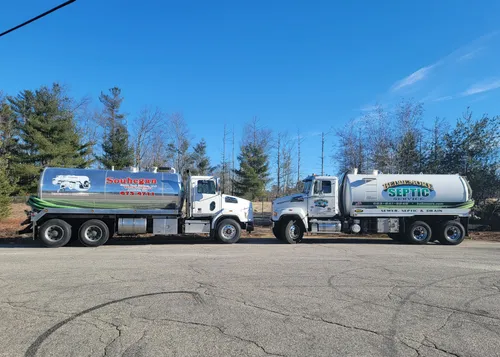
Souhegan Septic Tank Services LLC
18 Lamy Dr, Goffstown, NH 03045
Souhegan Septic Tank Services LLC is a family-owned business serving Manchester, NH, and the surrounding Southern New Hampshire area. They provide septic system services including pumping, cleaning, line unclogging, jetting, and camera inspection. The company also offers specialized capabilities such as hydro excavation and pipe relining. Established in 1978, Souhegan Septic Tank Services has decades of experience in septic maintenance and repair.
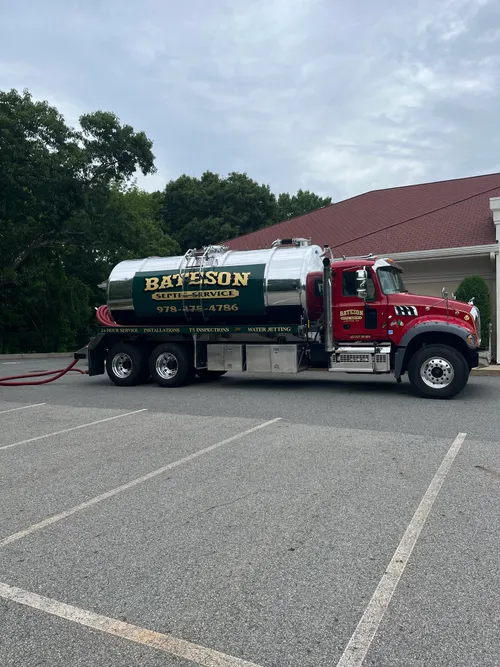
Bateson Enterprises Inc
111 Argilla Rd, Andover, MA 01810
Bateson Enterprises Inc is a septic system company serving Lowell, MA, and the surrounding areas. They provide a range of septic services including tank installation, system repair, pumping, and inspections. The company also offers specialized services such as water jetting, mainline snaking, video inspection, and Title V inspections. With over 30 years of experience, Bateson Enterprises Inc handles all types of septic systems and related repairs. They are equipped to manage both maintenance and emergency needs for residential and commercial septic systems.
Why Septic Inspections Are Critical in Manchester
For Manchester homeowners not connected to municipal sewer lines, the septic system is an unseen but critical component of the property. A failing system can lead to sewage backups in the home, contamination of groundwater, and violations of local health codes. The North Central District Health Department (NCDHD) oversees these systems in the area, and Connecticut state law requires a system inspection during most property transfers 1. Beyond real estate transactions, proactive septic system evaluations are a key part of responsible homeownership, helping to identify minor issues before they become major, expensive failures.
Understanding Local Regulations and Recommendations
Manchester septic systems are regulated under the Connecticut Public Health Code. The state Department of Public Health (DPH) and the local NCDHD provide clear guidelines for maintenance. It is generally recommended that a system be inspected every 2-3 years. Pumping of the tank is advised every 3-5 years, though the frequency can vary based on household size and usage; the inspection itself will determine if pumping is immediately needed by measuring sludge and scum levels 2. Importantly, all inspection and pumping work must be performed by a state-licensed septic contractor to ensure it meets code requirements 3 4.
What a Comprehensive Septic Inspection Includes
A thorough septic system evaluation is more than just looking at the tank. A qualified inspector will follow a detailed process to assess the entire system's health.
1. Locating and Exposing the Tank The first step often involves finding the tank and distribution box, which may be buried. If "risers" (access pipes to the surface) are not installed, the inspector will need to excavate to open the access covers. Installing risers is highly recommended for easier and less costly future inspections 5.
2. Evaluating the Tank's Structural Condition Once opened, the inspector checks the tank's interior and exterior. They look for cracks, corrosion, or leaks in the concrete, fiberglass, or plastic tank walls. The inlet and outlet baffles (or tees) are critically examined, as damaged baffles can allow solids to escape into the drain field, causing premature failure.
3. Measuring Scum and Sludge Levels This is a core part of the inspection. Using specialized tools, the inspector measures the depth of the floating scum layer and the accumulated sludge layer at the tank's bottom. These measurements determine the tank's fullness and whether pumping is required to prevent solids from flowing into the drain field.
Find the perfect septic tank inspection companies for your needs
Get personalized recommendations and expert advice
4. Assessing the Drain Field (Leach Field) The inspector will examine the area above and around the drain field for telltale signs of failure. This includes looking for soggy, spongy, or overly green grass, standing water, or unpleasant odors-all indicators that the field is saturated and not properly absorbing treated effluent 6 7.
5. Checking System Components and Flow The inspection includes verifying that pumps, alarms, and distribution boxes (if present) are functioning correctly. In some cases, a hydraulic load test may be performed, which involves running a significant amount of water through the system to see how well it drains and to check for surfacing effluent or backups 8 9.
6. Pumping (If Required) Often, an inspection and pumping service are combined. If the sludge and scum levels are too high, the inspector will pump out the tank to remove the accumulated solids, which is essential for restoring the system's treatment capacity 10.
Cost of Septic Inspections in Manchester
The price for a septic system evaluation in Manchester can vary based on the scope of service, tank size, and system accessibility. Here is a general breakdown of what you might expect:
- Basic Inspection: A standard visual and operational assessment typically ranges from $200 to $500 11.
- Tank Pumping: If pumping is needed as a standalone service, costs generally fall between $300 and $600+, depending on tank capacity (e.g., 1,000-gallon vs. 1,500-gallon) 12.
- Combined Inspection & Pumping: Many homeowners opt for this package, with prices commonly ranging from $400 to $900+ 13.
- Additional Fees: If your tank lacks risers and requires excavation to be located and uncovered, this can add $100 to $300 or more to the total cost 14. This highlights the long-term value of installing risers.
How to Prepare for an Inspection & Maintain Your System
To ensure a smooth inspection process, have any available records of your system's "as-built" design or past maintenance ready. You can often obtain these records from the NCDHD 15. Clear the area around your tank and drain field for easy access. After a successful inspection, proper maintenance is key. This includes conserving water, avoiding flushing non-biodegradable items, and not pouring grease or harsh chemicals down the drain. Following the recommended 2-3 year inspection schedule is the best way to protect your investment and avoid emergency repairs 16.
Frequently asked questions
Sources
Footnotes
-
Subsurface Sewage Disposal Systems - North Central Distict Health ... - https://www.ncdhd.org/subsurface-sewage-disposal-systems ↩
-
Frequent Questions on Septic Systems | US EPA - https://www.epa.gov/septic/frequent-questions-septic-systems ↩
-
Septic System Design: What CT Homeowners Need to Know - https://andersonseptic.com/septic-system-design-guide/ ↩
-
Operation and Maintenance - CT.gov - https://portal.ct.gov/dph/environmental-health/environmental-engineering/operation-and-maintenance ↩
-
Basic Septic Maintenance- Part 2 - https://septicpreservation.com/basic-septic-maintenance-part-2/ ↩
-
Septic Inspection Process: What Homeowners Should Know | LunsPro - https://www.lunspro.com/vlog/the-septic-system-inspection-process-what-homeowners-should-know ↩
-
Well and Septic Systems - Schaefer Inspection Service - https://mhschaefer.com/wells-septic/ ↩
-
10 YEAR ATMOSPHERIC STORAGE TANK INSPECTION GUIDELINES - https://portal.ct.gov/dph/-/media/departments-and-agencies/dph/dph/drinking_water/pdf/tenyeartankinspectiontechnicalguidelinespdf.pdf?rev=98324b072558465c902f4d3c10aaa4c0&hash=6E3B1075BF4203887B711A92D175A33E ↩
-
What to Expect During a Septic Tank Inspection? - GAI - https://www.guardianangelinspections.com/what-to-expect-from-a-septic-inspection ↩
-
Septic System Inspections: A Step-by-Step How-To Guide - https://westcoastsanitationinc.com/septic-inspection-service/ ↩
-
What Is the Role of Septic Tank Inspection in Real Estate - https://www.houzeo.com/blog/septic-tank-inspection/ ↩
-
How to Maintain Your Septic System - Fresh Water Systems - https://www.freshwatersystems.com/blogs/blog/how-to-maintain-your-septic-system ↩
-
SEPTIC SYSTEMS - CT.gov - https://portal.ct.gov/-/media/Departments-and-Agencies/DPH/dph/environmental_health/environmental_engineering/pdf/SepticSystems101pdf.pdf ↩
-
Septic System Inspections: A Step-by-Step How-To Guide - https://westcoastsanitationinc.com/septic-inspection-service/ ↩
-
Septic Homeowners - North Central Distict Health Department - https://www.ncdhd.org/septic-homeowners ↩
-
2005 STORMWATER ANNUAL REPORT - https://www.wallingfordct.gov/Customer-Content/www/CMS/files/DPW_Stormwater_and_You/Caring_for_Your_Septic_System.pdf ↩