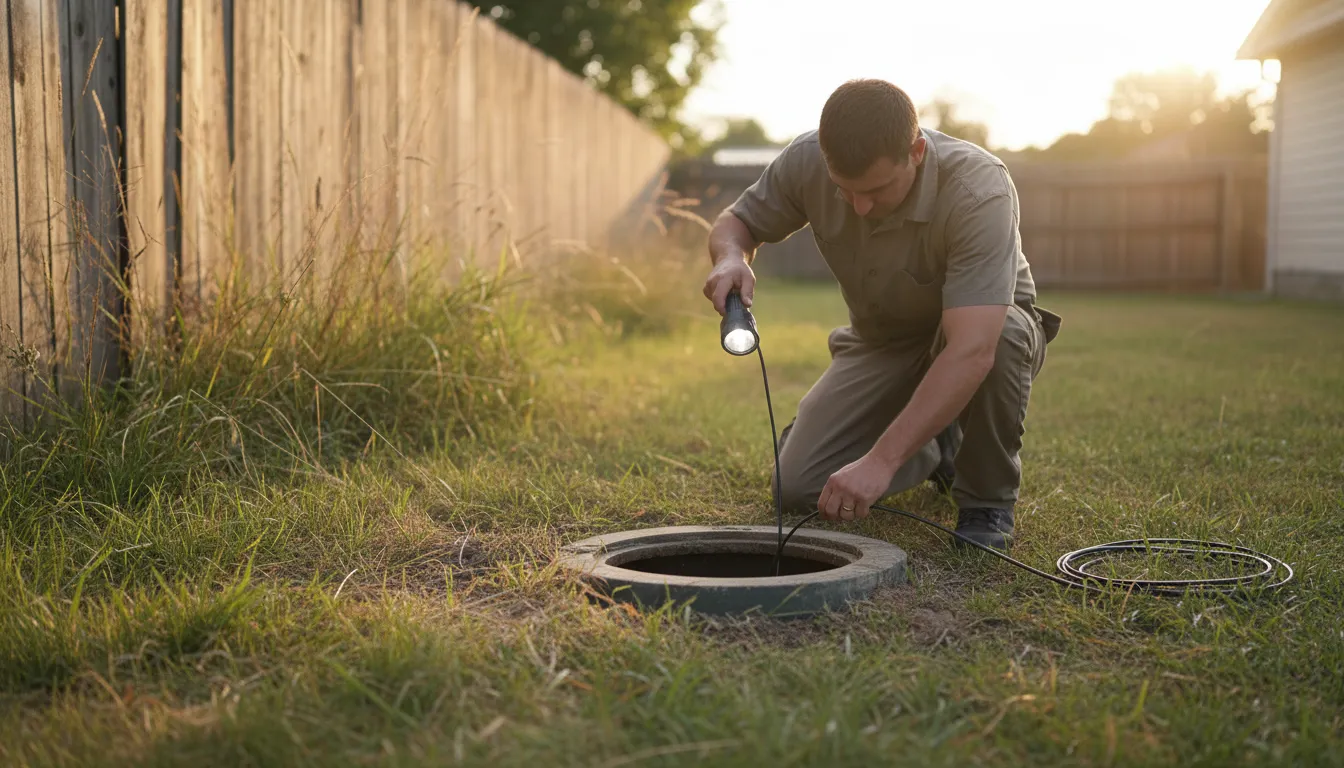
Find the Best Septic Tank Inspection Companies for Your Business
No obligation • Fast responses • Nationwide coverage

Why you can trust Septic Spot
Septic Spot is a leading United States resource for understanding and comparing septic services. Our editors review providers using consistent criteria and verify key business details. Listings and scores are independent, and companies cannot pay to influence our content.
Search providers near you
Top Septic Tank Inspection Companies in Albuquerque, New Mexico Ranked
A septic tank inspection is a professional evaluation of your onsite wastewater system to ensure it is functioning safely and legally. In Albuquerque and Bernalillo County, these assessments are not just a good idea-they are often a legal requirement, especially when selling a home or if your system is decades old. This guide will help you understand the local regulations, the inspection process, and how to find qualified professionals to evaluate your septic system.
Rio Grande Septic Systems
210 Enterprise Rd NE, Rio Rancho, NM 87124
Rio Grande Septic Systems provides septic tank pumping and inspection services in Albuquerque, NM. They offer comprehensive septic maintenance including routine inspections, pumping, and waste management to help prevent system backups and extend the life of septic systems. Their team uses advanced equipment to deliver thorough cleaning and pumping services tailored to residential and commercial needs. The company also offers porta-potty rentals and emergency septic services for urgent situations.
J&J Plumbing
1230 Vito Romero Rd SW, Albuquerque, NM 87105
J&J Plumbing is a septic tank inspection company based in Albuquerque, NM. They serve local neighborhoods including Nob Hill, Rio Rancho, the Heights, and Westside ABQ, addressing common plumbing challenges specific to the area such as mineral-heavy water damage and aging home plumbing systems. Their services cover plumbing repairs, gas installations, and septic system inspections, with a focus on diagnosing and resolving issues accurately. J&J Plumbing understands the unique plumbing needs of Albuquerque homes and provides solutions tailored to the local environment.
Black Bear Septics LLC
Albuquerque, NM
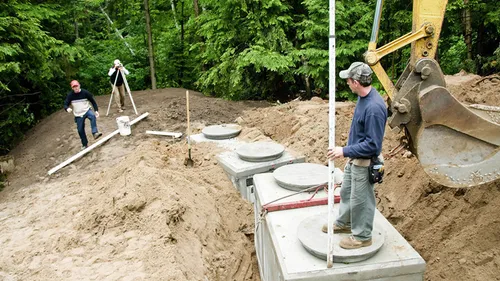
Black Bear Septics LLC is a septic tank inspection, repair, and installation company based in Albuquerque, NM. The business is run by a father-son team with a combined 30 years of experience, including seven years working together installing septic systems. They offer services that include system installations, repairs, and inspections. One notable capability is expert backhoe operation, led by Octavio Manriquez Garcia, who has over 20 years of experience in the industry. The company emphasizes hands-on expertise and detailed knowledge of septic system plumbing.
American Pumping Service
4500 Paseo Del Norte NE Suite B, Albuquerque, NM 87113
American Pumping Service provides septic tank pumping, inspection, installation, and repair services in Albuquerque, NM. They offer certified maintenance solutions and NAWT-certified septic system inspections for home buyers and sellers. Established in 1996, the company serves customers throughout New Mexico and is available 24/7 for emergency and same-day services.
Why Septic System Inspections Are Critical in Albuquerque
For homes not connected to municipal sewer lines, the septic system is a private wastewater treatment plant. A failing system can lead to raw sewage backing up into your home or contaminating groundwater, posing serious health risks and environmental hazards. In New Mexico's arid climate, protecting precious water resources is paramount. State and county regulations, enforced by the New Mexico Environment Department (NMED), mandate septic evaluations under specific circumstances to prevent such failures.
Beyond health and environment, a clean inspection report is often essential for real estate transactions. Lenders and buyers typically require a passing evaluation before a sale can be finalized. Proactive inspections can also save you tens of thousands of dollars by identifying minor issues before they become catastrophic drainfield failures.
When Is a Septic Inspection Required by Law?
Understanding local mandates is the first step for any Albuquerque homeowner with a septic system. NMED rules trigger mandatory evaluations in several key situations:
- Property Transfer: This is the most common trigger. A system must be inspected and evaluated by a qualified professional prior to the transfer of property ownership. The report must be submitted to NMED.
- The 30-Year Rule: If your septic system is more than 30 years old, it must be evaluated every five years, regardless of property sales.
- Unpermitted Systems: If NMED discovers an existing system was installed without a permit, the homeowner has 90 days to get it evaluated, unless they connect to city sewer where available 1.
- New Installations & Major Repairs: All new system installations or significant repairs require a final inspection and approval from the local NMED field office 2.
The Step-by-Step Septic Inspection Process
A thorough septic system evaluation is a detailed physical investigation, not just a visual glance. Here's what you can expect when a certified professional conducts a septic tank inspection in Albuquerque.
1. Locating the System
The inspector will first identify all system components. They may use county records, "as-built" drawings from the NMED field office, or specialized tools to locate the tank lids, distribution box, and drainfield.
2. Preliminary Site Evaluation
Before opening the tank, the inspector will look for external signs of failure. These include sewage odors, unusually lush or soggy grass over the drainfield, standing wastewater, or slow-draining fixtures inside the home.
3. Pumping the Tank
A core part of the inspection is pumping out the tank's contents. This is necessary to examine the tank's interior structure, measure sludge levels, and assess the inlet and outlet baffles 3. Most inspection services include this pumping cost.
4. Internal Tank Inspection
With the tank empty, the inspector checks for structural integrity. They look for cracks, corrosion (in metal tanks), and ensure the baffles or tees are intact and properly positioned to prevent solids from flowing into the drainfield. The condition of the effluent filter (if present) is also noted.
5. Measuring Sludge and Scum
The inspector measures the accumulated sludge layer at the bottom of the tank and the floating scum layer. A general rule of failure is if the sludge and scum combined occupy more than one-third of the tank's liquid depth, indicating the need for more frequent pumping or potential system issues 4.
6. Drainfield Assessment
Finally, the inspector evaluates the soil absorption area (drainfield). They check for signs of surfacing effluent, hydraulic overloading, and may conduct a simple percolation test or use a probe to assess soil saturation 5.
7. Reporting
After the evaluation, the professional provides a detailed report of their findings to the homeowner. For mandatory inspections (like property transfers), this report must also be submitted to the local NMED field office for review and filing 6.
Find the perfect septic tank inspection companies for your needs
Get personalized recommendations and expert advice
Understanding Costs: Permits and Service Fees
The total cost for a legally compliant septic inspection in Albuquerque typically has two components: the NMED permit fee and the professional service fee.
NMED Permit Fees: The state charges a fee to review and file the inspection report. These fees vary based on system type and capacity:
- Conventional Systems (up to 1,000 gallons per day): Approximately $225.
- Alternative/Advanced Treatment Systems: Range from $450 to $750 or more.
Inspection & Pumping Service Costs: This is paid directly to the septic service company. The price depends on tank size, accessibility, and the comprehensiveness of the inspection. In the Albuquerque area, combined inspection and pumping services typically range from several hundred to over a thousand dollars 7 8. Always get a detailed estimate upfront.
How to Prepare for a Septic Inspection
A little preparation can ensure the inspection goes smoothly and may help you avoid unexpected issues.
- Gather Records: Locate any existing permits, "as-built" diagrams, or maintenance records for your system. This can save the inspector time.
- Ensure Access: Clear the area around the septic tank lids and distribution box. Trim overgrown vegetation and move any vehicles, sheds, or debris blocking access.
- Know Your System: Be aware of the location of your tank and drainfield. If you don't know, the local NMED office may have records on file 9.
- Be Prepared for Pumping: The tank will need to be pumped. Ensure there is clear access for the pump truck's hose (usually within 100 feet of the tank).
Choosing a Qualified Septic Inspection Professional
Not all plumbers or handymen are qualified to perform legally valid septic evaluations in New Mexico. Look for:
- Certification & Licensing: Choose a company that employs professionals certified in septic system inspection, often through organizations like the National Association of Wastewater Technicians (NAWT) or equivalent.
- Local Experience: Providers familiar with Albuquerque soils, NMED regulations, and Bernalillo County procedures will navigate the process most efficiently.
- Comprehensive Service: Select a provider that includes pumping, full inspection, and handles the NMED paperwork submission as part of their service.
- References & Reviews: Check online reviews and ask for references from recent clients, particularly those who needed inspections for real estate transactions.
Maintaining Your System After a Clean Inspection
Passing an inspection is a milestone, but ongoing maintenance is key to long-term system health and avoiding future failures.
- Pump Regularly: The typical Albuquerque septic tank needs pumping every 3 to 5 years, depending on household size and usage.
- Conserve Water: Reduce hydraulic loading on the system by fixing leaks and spreading out laundry loads.
- Mind What You Flush: Only human waste and toilet paper should go down the drain. Avoid chemicals, grease, wipes, and feminine hygiene products.
- Protect the Drainfield: Never drive or park on the drainfield, and divert rainwater runoff away from it.
Frequently asked questions
Sources
Footnotes
-
Homeowners Information - https://www.env.nm.gov/septic/information-for-homeowners/ ↩
-
Aprill 2022: New Mexico Septic Regulations Area Big Deal! - Questa News - https://questanews.com/aprill-2022-new-mexico-septic-regulations-area-big-deal/ ↩
-
Septic System Inspections - InterNACHI® - https://www.nachi.org/inspecting-septic-systems.htm ↩
-
How to Get Septic to Pass Inspection - https://www.guardianangelinspections.com/how-to-get-septic-to-pass-inspection ↩
-
Septic Systems and Private Wells - https://experience.arcgis.com/experience/4396e978c8964b82a3f46b4d83a946cf ↩
-
Property Transfer Evaluations - New Mexico Environment Department - https://www.env.nm.gov/septic/property-transfer-evaluations/ ↩
-
Septic Inspections | Albuquerque, NM - Atlas Pumping - https://www.atlaspumpingabq.com/real-estate-septic-inspections ↩
-
Septic System Inspections: A Step-by-Step How-To Guide - https://westcoastsanitationinc.com/septic-inspection-service/ ↩
-
Wastewater/Septic Systems Frequently Asked Questions - https://www.bernco.gov/public-works/public-works-services/water-wastewater-stormwater/wastewater-septic-systems/wastewater-frequently-asked-questions/ ↩