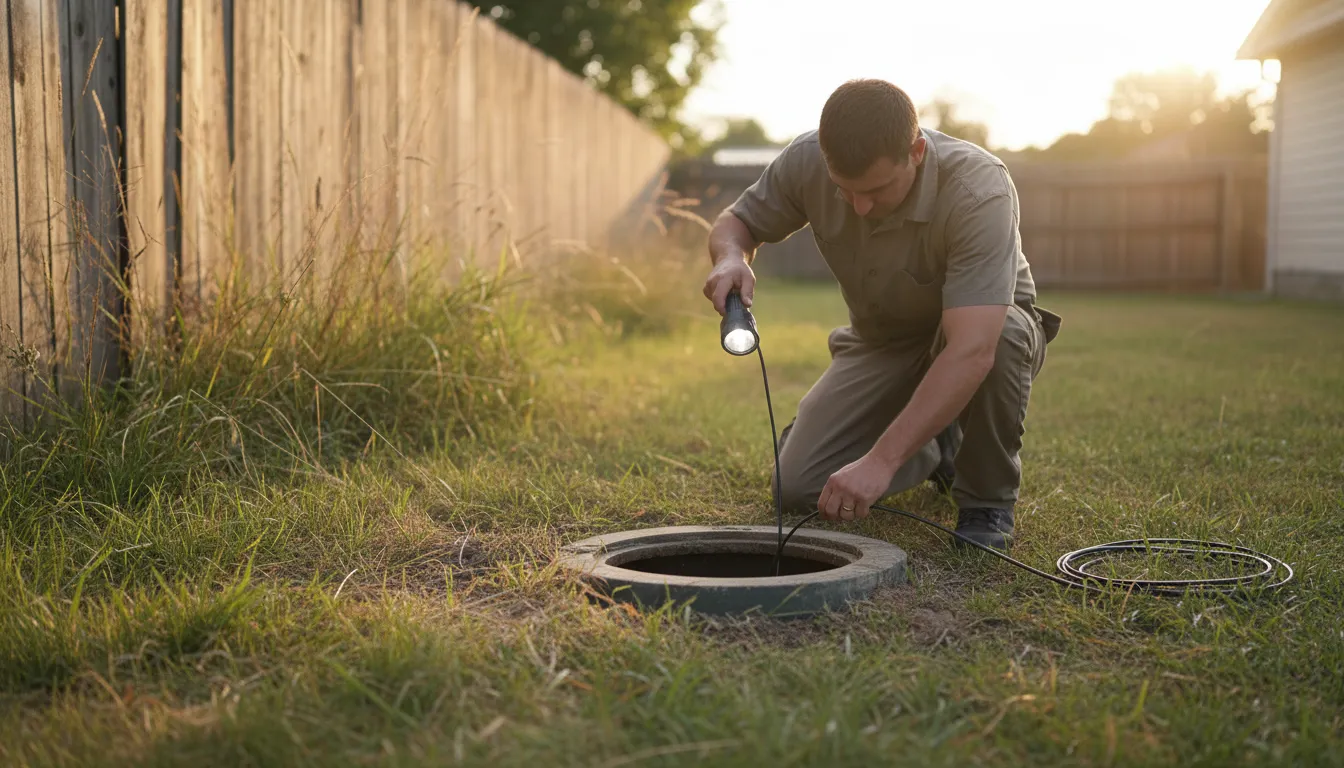
Find the Best Septic Tank Inspection Companies for Your Business
No obligation • Fast responses • Nationwide coverage

Why you can trust Septic Spot
Septic Spot is a leading United States resource for understanding and comparing septic services. Our editors review providers using consistent criteria and verify key business details. Listings and scores are independent, and companies cannot pay to influence our content.
Search providers near you
Best Septic Tank Inspection Companies in Nevada Ranked
A septic tank inspection is a professional assessment of your onsite wastewater system's condition and functionality. It matters because a failing system can pose serious health risks, cause environmental contamination, and lead to costly property damage. In Nevada, where regulations are evolving, staying on top of your system's health is crucial. This resource helps you understand the inspection process, state-specific rules, and how to connect with qualified local professionals to ensure your system operates safely and complies with the law.
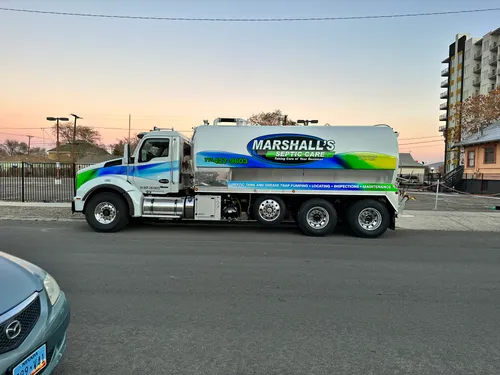
Marshalls Septic Care
4250 Reno Hwy #8377, Fallon, NV 89406
Marshalls Septic Care is a family-owned and operated septic service provider based in Reno, NV. The company offers septic tank inspections, septic system repairs, and drain field repair or replacement. They use camera septic inspections with fiber-optic technology to thoroughly assess septic systems and identify potential issues. Marshalls Septic Care also installs septic risers to facilitate easier maintenance without extensive digging. The business emphasizes well-maintained heavy equipment to support their services and has established itself as a key septic care provider in Northern Nevada.
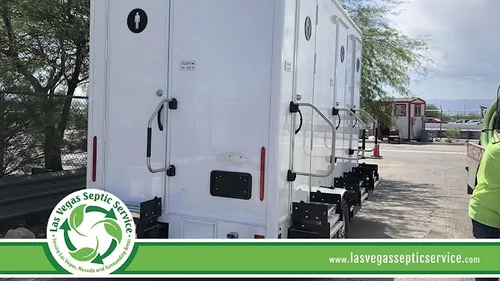
Las Vegas Septic Service
Las Vegas, NV
Las Vegas Septic Service provides a range of septic tank services in Las Vegas, NV, including pumping, inspections, grease trap cleaning, and lift station pumping. They serve both residential and commercial properties and offer specialized services such as laundromat lint trap maintenance, grow house interceptor care, and sand/oil separator upkeep. Their team helps maintain septic systems to prevent clogs, backups, and costly repairs. The company also serves nearby areas including North Las Vegas, Henderson, and Moapa.
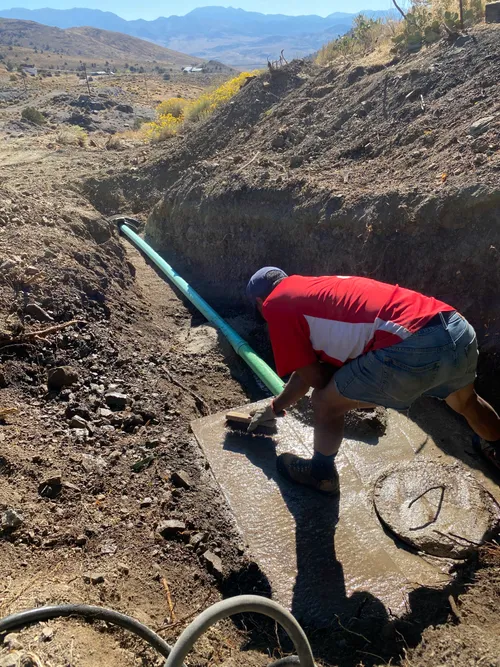
Green Valley Septic Services
3349 Pontius Pl, Carson City, NV 89706
Green Valley Septic Services is a family-owned business based in Reno, NV, offering a full range of septic services including pumping, inspections, repairs, and installations. With over 19 years of experience, they use state-of-the-art equipment to provide efficient and eco-friendly septic solutions. Their capabilities include hydrojet services to maintain and clean septic systems effectively. Green Valley Septic Services focuses on environmental sustainability and aims to support a clean and healthy community through reliable septic system maintenance.

A-1 Septic & Handyman
5011 Reno Hwy, Fallon, NV 89406
A-1 Septic & Handyman provides septic tank pumping, locating, and real estate septic inspections in Reno, NV, and surrounding areas including Fallon, Fernley, and Silver Springs. They also offer drain and sewer problem solutions, water jet services, TV camera inspections for roots and broken pipes, plumbing repairs, toilet services, and welding. The company serves both commercial and residential clients and provides emergency services when needed.
A-1 Testing/Maintenance Water Sewer Septic
Reno, NV
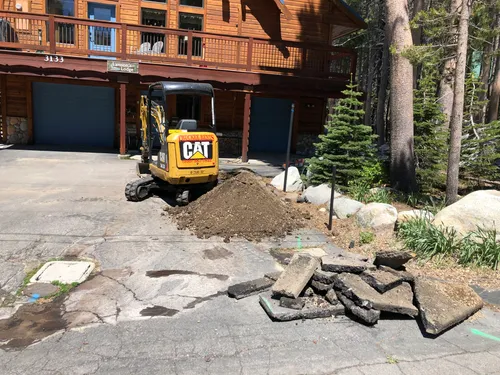
A-1 Testing/Maintenance Water Sewer Septic is a septic tank inspection company serving Reno, NV, and the greater Truckee/Tahoe and Reno Basin areas. They provide services for water line emergencies, new construction projects, and real estate septic inspections. With over 20 years of experience, the team is familiar with the unique terrain, weather, and permitting requirements of both California and Nevada, including high-altitude locations like Lake Tahoe and urban areas such as Reno and Sparks.
Why Nevada Homeowners Need Septic Inspections
Septic systems are a common solution for wastewater management in areas beyond municipal sewer lines across Nevada. Unlike a public sewer, you are solely responsible for the maintenance and repair of your private system. A professional septic system evaluation is the best way to protect your investment and your family's health. Inspections identify problems early, such as leaks, blockages, or structural failures, which can prevent groundwater contamination-a significant concern in Nevada's delicate desert ecosystems. Furthermore, with new state regulations on the horizon, having a current inspection and maintenance record will be essential for compliance.
Understanding Nevada's Septic Regulations
Septic systems in Nevada are regulated at the county level by local health districts. The two primary authorities are the Southern Nevada Health District (SNHD), which covers Clark County, and Northern Nevada Public Health, which serves other regions 1. A third district, Central Nevada Health District, also provides oversight in its jurisdiction. These districts issue permits for new system installation, major repairs, and system replacements.
Key Regulatory Points:
- Permits are Required: You must obtain a permit from your local health district before constructing, repairing, or replacing a septic system 2.
- System Design Standards: Nevada regulations specify construction details, such as requiring manholes with at least a 20-inch diameter for adequate access.
- The Upcoming 5-Year Renewal Cycle: A significant regulatory change is set to take effect. Proposed rules establish a 5-year renewal process for existing systems. This renewal will primarily involve a paper review of your maintenance records (like pumping receipts and inspection reports) by the health district, rather than mandating an on-site inspection every five years 3 4. The estimated fee for this renewal cycle is $226 3.
When Is a Septic Inspection Required in Nevada?
While the new 5-year rule focuses on documentation, physical inspections are still required or recommended in several scenarios:
- During a Real Estate Transaction: This is the most common reason for an inspection. Lenders and buyers almost always require a thorough septic evaluation before closing on a property.
- As Part of Routine Maintenance: The U.S. EPA recommends having your system inspected at least every three years 5. This proactive approach helps catch issues before they become emergencies.
- Upon System Installation: A final inspection is required by the health district after a new system is installed to receive a certificate of operation.
- Before Major Repairs or Replacements: If you're applying for a repair permit, the health district may require an inspection report to justify the work.
- If You Notice Warning Signs: Slow drains, soggy ground or sewage odors in your yard, and unusually lush grass over the drain field are all signs that an inspection is urgently needed.
What Does a Nevada Septic Inspection Involve?
A comprehensive septic tank assessment goes beyond just looking at the tank. A qualified inspector will evaluate the entire system. Here's a breakdown of the standard procedure:
Locating and Accessing the System: The inspector will locate the tank and drain field using property records, probes, or electronic locating equipment. They will then excavate to access the inspection ports and manholes.
Tank Interior Examination: This is the core of the inspection. The inspector will:
- Measure the sludge and scum layers to determine if pumping is needed. The SNHD notes that if the tank has been pumped within the last 12 months, it may need to be pumped again for a proper inspection 6.
- Check the structural integrity of the concrete, fiberglass, or plastic tank for cracks, leaks, or corrosion.
- Inspect the inlet and outlet baffles (or tees) to ensure they are intact and functioning correctly to prevent solids from flowing into the drain field 7.
Drain Field Evaluation: The inspector will assess the condition of the leach field by checking for surfacing effluent, soggy soil, or odors. They may also use a dye test to see if wastewater is properly percolating into the soil or backing up.
Component Check: All connected components, such as distribution boxes, pumps, and alarms, are tested for proper operation.
Reporting: You will receive a detailed report outlining the system's condition, any deficiencies found, and recommended actions or repairs.
Find the perfect septic tank inspection companies for your needs
Get personalized recommendations and expert advice
The Cost of Septic Inspections in Nevada
The price of a septic system inspection in Nevada varies based on the size of the tank, the complexity of the system (e.g., the presence of a pump), and your location. According to industry data, the average cost for a standard inspection in Nevada is around $550 8. However, you can expect a range typically between $200 and $900 8.
It's important to understand what is included for that price. A simple "visual inspection" that doesn't involve opening the tank will cost less but provides far less information. A full inspection, including pumping the tank to examine its interior (if necessary), is more comprehensive and highly recommended, especially during a property sale.
Related Nevada Permit Fees:
- New System Installation/Design Review: $498 (Central Nevada Health District)
- System Repair/Replacement Permit: $124 (Central Nevada Health District)
- Reinspection Fee: $100 (if a follow-up inspection is required by the health district) 9
Choosing a Qualified Septic Inspector in Nevada
Selecting the right professional is critical. Look for an inspector who is:
- Licensed: In Nevada, septic system contractors and installers must be licensed. Ensure your inspector or the company they work for holds the proper state contractor's license for septic work 10.
- Experienced & Knowledgeable: Choose someone familiar with Nevada's specific geology, climate, and local health district regulations.
- Comprehensive: They should offer a full inspection service that includes locating and excavating to the tank lids, measuring sludge/scum, and evaluating the drain field.
- Well-Reviewed: Seek out recommendations from neighbors, real estate agents, or check verified online reviews.
- Insured: They should carry general liability insurance to protect your property during the inspection.
Always ask for a sample report and a clear, written estimate before work begins.
Preparing for a New Regulatory Era
Nevada homeowners with septic systems should start preparing for the implementation of the 5-year renewal cycle. The best preparation is to establish and maintain meticulous records. Keep a file with:
- Copies of all past inspection reports.
- Receipts from every septic tank pumping service.
- Records of any repairs, replacements, or maintenance performed.
- A copy of your original system permit and "as-built" design.
When the new rules take effect, this organized history will streamline the renewal process with your local health district and demonstrate that you are a responsible system owner.
Frequently asked questions
Sources
Footnotes
-
Septic Systems & Liquid Waste - Northern Nevada Public Health - https://www.nnph.org/programs-and-services/environmental-health/land-development/septic-liquid-waste.php ↩
-
Residential Septic System Permit Requirements - Southern Nevada Health District - https://www.southernnevadahealthdistrict.org/permits-and-regulations/sewage-septic-disposal-systems-isds/residential-isds-permits/residential-septic-tank-permit-requirements/ ↩
-
New Septic Rules in 2025: What Nevada Homeowners Need ... - https://www.thebrenkusteam.com/blog/nevada-septic-rules-2025-homeowners-guide ↩ ↩2
-
2025 regulations governing individual sewage disposal systems and ... - https://media.southernnevadahealthdistrict.org/download/eh/isds/proposed-regulations.pdf ↩
-
How to Care for Your Septic System | US EPA - https://www.epa.gov/septic/how-care-your-septic-system ↩
-
Certification Procedures for Individual Sewage Disposal System ( ... - https://www.southernnevadahealthdistrict.org/permits-and-regulations/sewage-septic-disposal-systems-isds/residential-isds-permits/certification-procedures-for-individual-sewage-disposal-system-isds-and-or-water-well/ ↩
-
Nev. Admin. Code § 445A.9658 - Septic tanks - https://www.law.cornell.edu/regulations/nevada/NAC-445A-9658 ↩
-
How Much Does a Septic Inspection Cost? [2026 Data] - Angie's List - https://www.angi.com/articles/septic-inspection-cost.htm ↩ ↩2
-
INDIVIDUAL SEWAGE DISPOSAL SYSTEM GUIDE - https://www.centralnevadahd.org/wp-content/uploads/2024/04/ISDS_CNHD2024.pdf ↩
-
Nevada Septic License & Certification | 2024 Contractor Guide - https://www.servicetitan.com/licensing/septic/nevada ↩